

The Surprise of Arrival
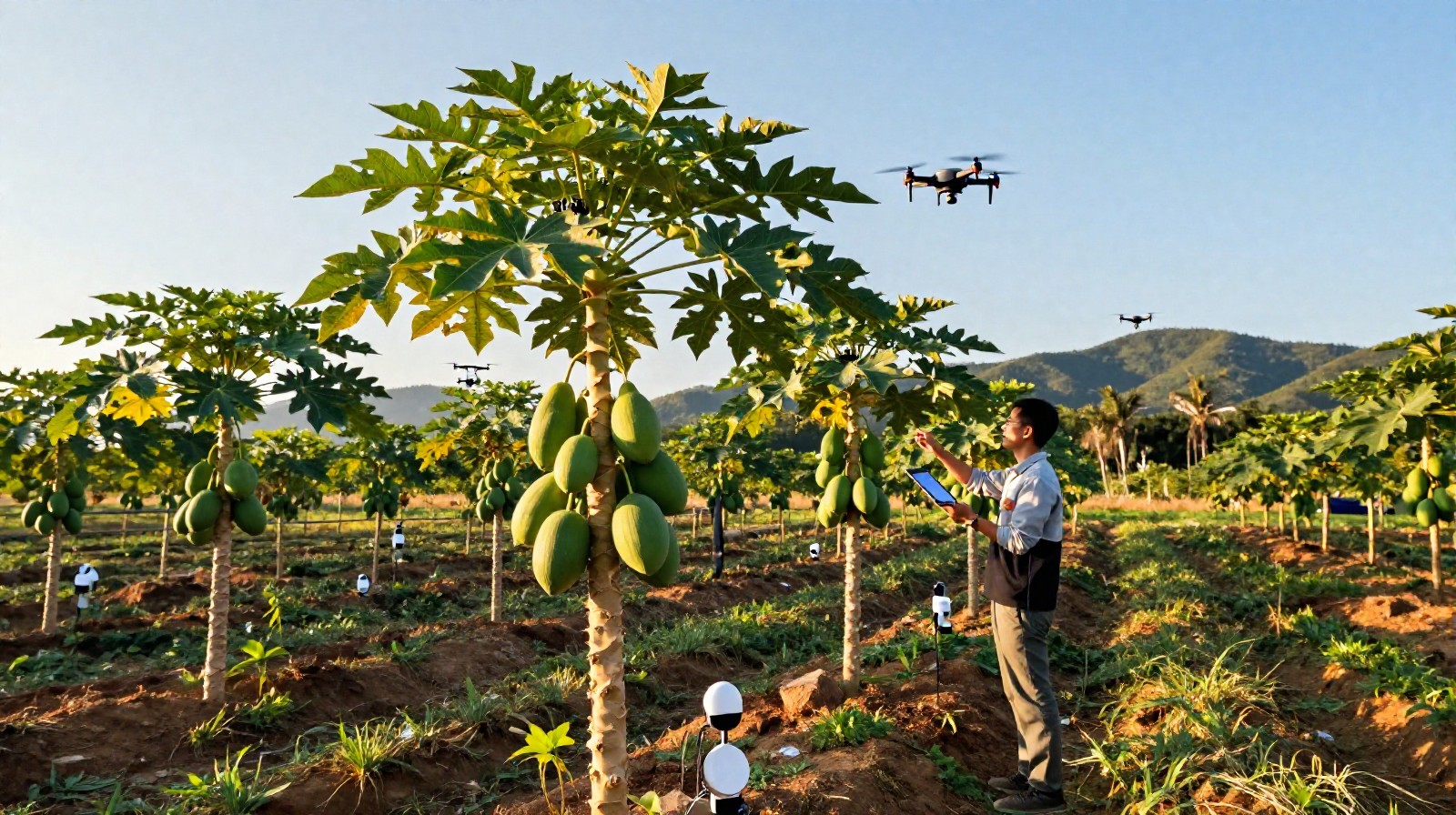
It was 6:00 a.m. on the outskirts of Sanya, Hainan. The air hung heavy with the scent of ripe papaya and damp soil—a smell I had only read about in travel guides but never truly experienced. I expected to see elderly farmers bent over rows of crops, wiping sweat from their brows. Instead, I watched a young man in a crisp polo shirt tap his smartphone screen. A fleet of agricultural drones whirred overhead, spraying precise amounts of nutrients on the canopy below.
As a foreign visitor who has spent years writing about China’s cities, this scene shattered my mental map. The “China” I knew was defined by skyscrapers and high-speed rails. But here in the tropics, the modernization is happening at ground level, quietly reshaping how food reaches our plates.
The Tech Behind the Harvest
Walking through a commercial papaya farm near Tian’e Village, the contrast was stark. Rows of plants were monitored by soil sensors buried just inches below the surface. These devices measured moisture, temperature, and pH levels in real-time, sending data directly to a cloud dashboard.
Smart Greenhouses
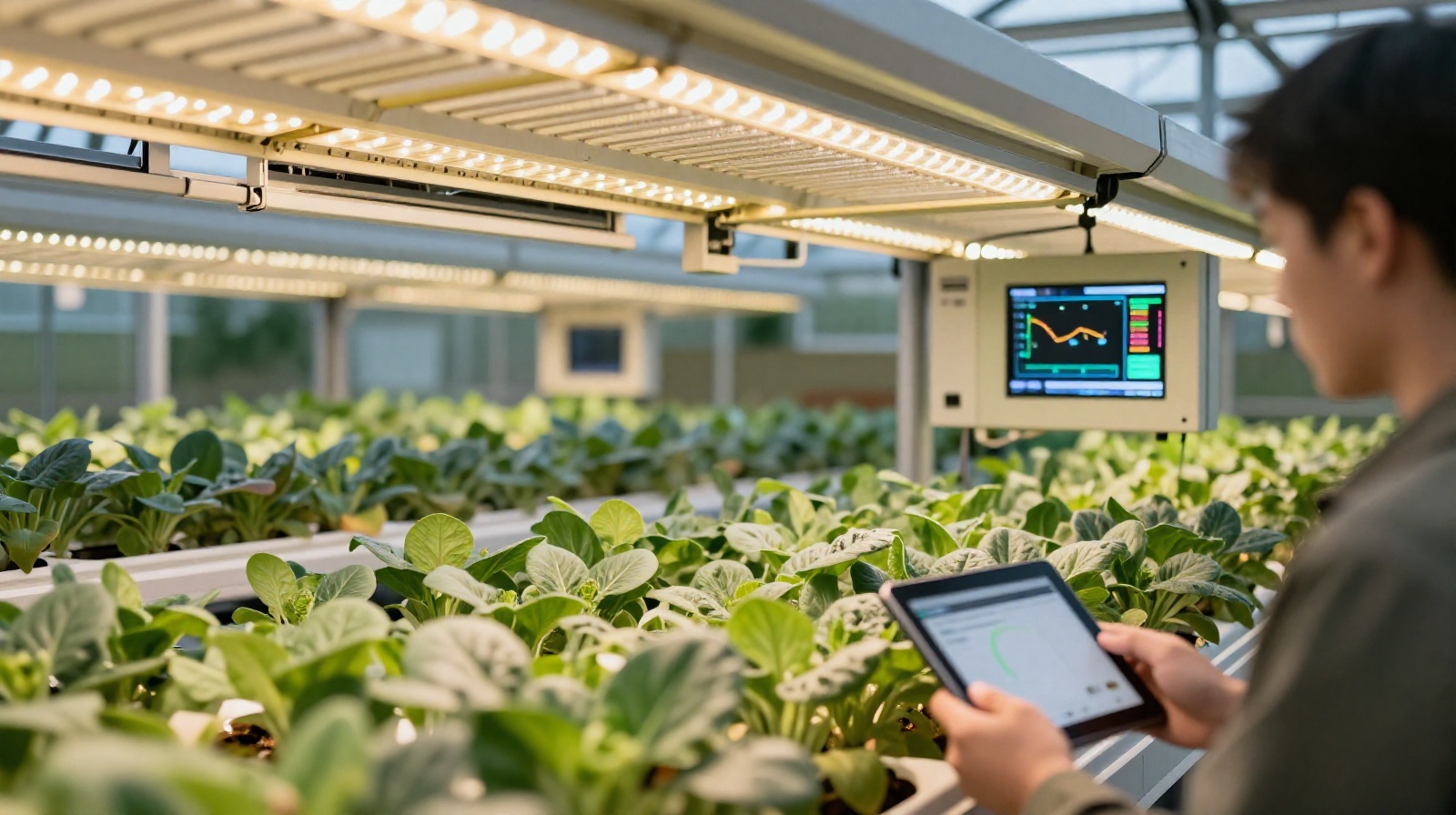
Nearby, a massive greenhouse hummed with automated systems. Unlike traditional open fields where weather dictates everything, here the climate is controlled by AI. If humidity spikes, vents open automatically. If light levels drop, supplemental LED grow lights kick in. A farmer named Li, who used to work in a factory before returning home, explained that he doesn’t spend his day physically digging; he manages data.
“We save 30% on water and fertilizer compared to our parents’ generation,” Li told me, gesturing at the lush greenery. “The machines do the heavy lifting, but we make the decisions based on what they tell us.”
The New Face of Farming
What struck me most wasn’t just the technology, but the people running it. In a nearby community center, I met Zhang Wei, 28, a university graduate in agricultural engineering. He started his own cooperative three years ago after working in an internet company in Guangzhou.
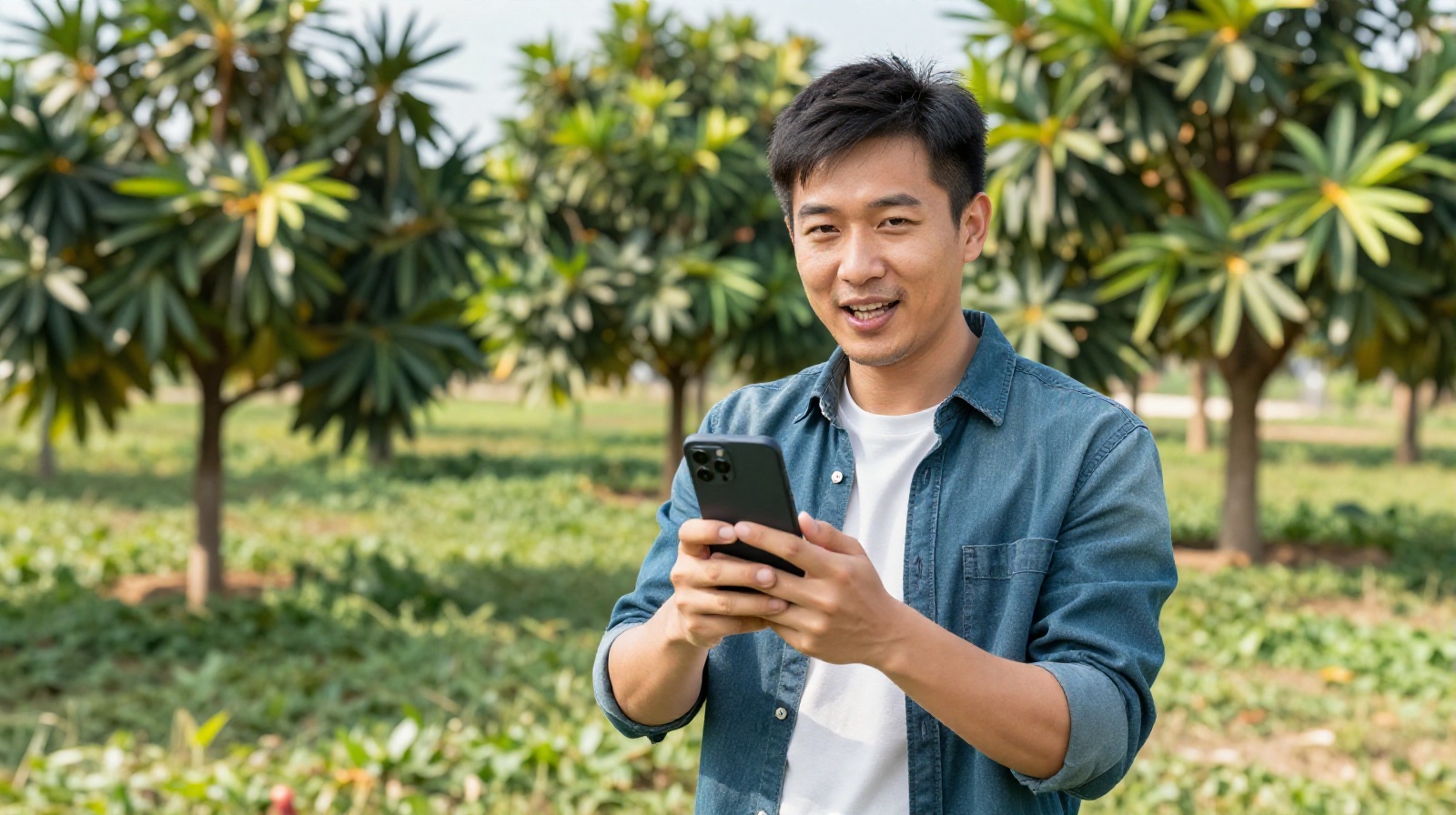
Zhang uses live-streaming apps to show buyers exactly how the fruit is grown. His phone screen displays a real-time feed of the farm, with viewers asking questions about pesticide use and harvesting methods. He answers in seconds, building trust without ever meeting the customers face-to-face.
This shift represents a massive cultural change. Agriculture is no longer seen as a fallback option for those who couldn’t find city jobs. For young people like Zhang, it’s a tech-savvy career path with high income potential and the chance to innovate.
From Soil to Supermarket
The real miracle of this system isn’t just growing the fruit; it’s getting it there fast. Hainan is an island in southern China, far from the massive consumption hubs in Beijing or Shanghai. Yet, a papaya picked at 5:00 a.m. can be on a supermarket shelf in Guangzhou by dinner time.
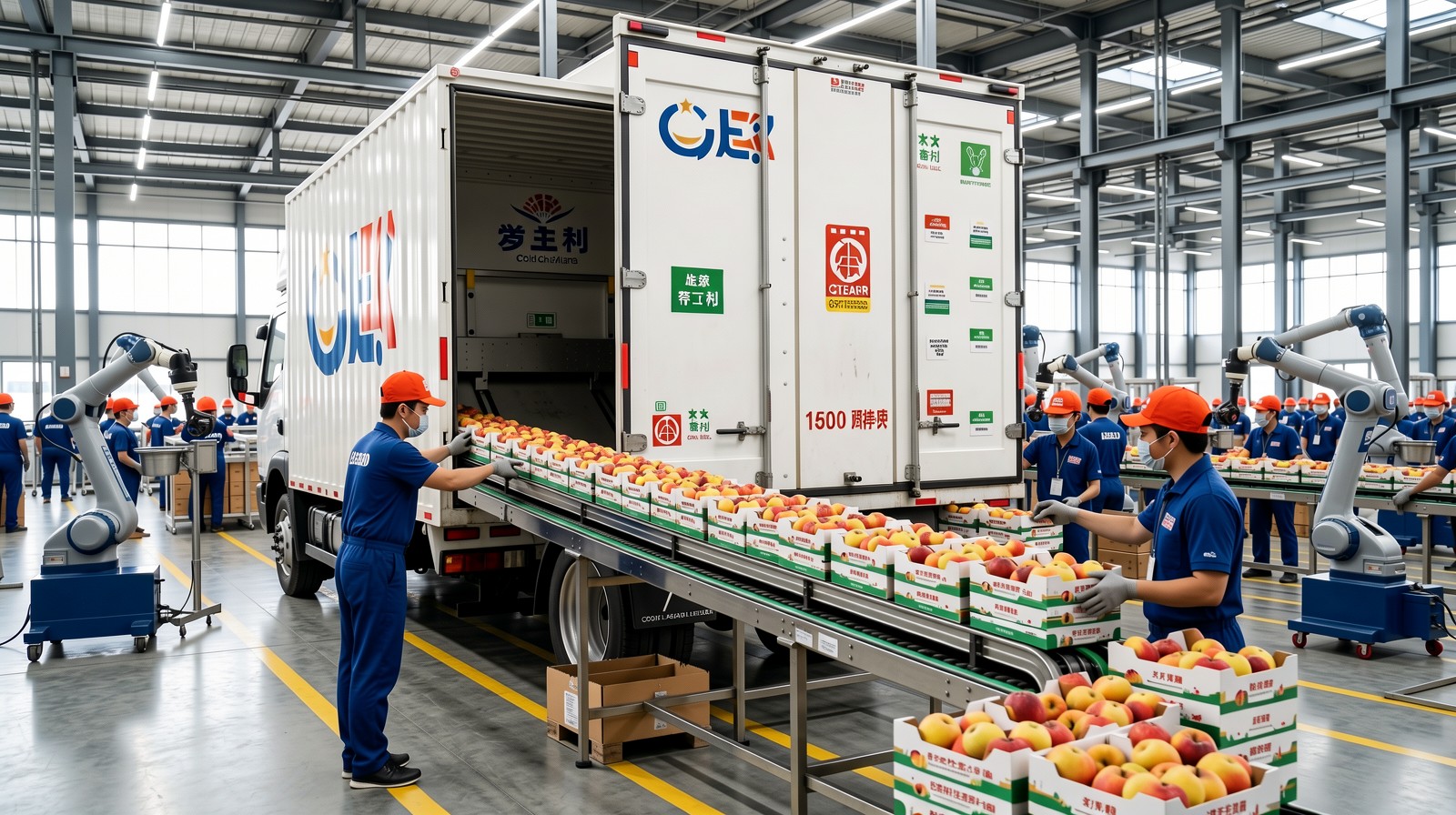
This speed relies on a hyper-efficient logistics network. Cold-chain trucks equipped with IoT sensors maintain precise temperatures during transit. When the truck arrives at a distribution center, robots sort and pack boxes while humans simply monitor the flow.
“In the past, we lost up to 20% of our harvest to spoilage,” said Chen, a logistics manager I spoke with at the port. “Now, with real-time tracking and faster transport, that loss is under 3%. The fruit arrives crisp, sweet, and ready to eat.”
Sustainability in Practice
There is often a misconception that industrial farming destroys the environment. However, seeing Hainan’s tropical agriculture firsthand changed my perspective.
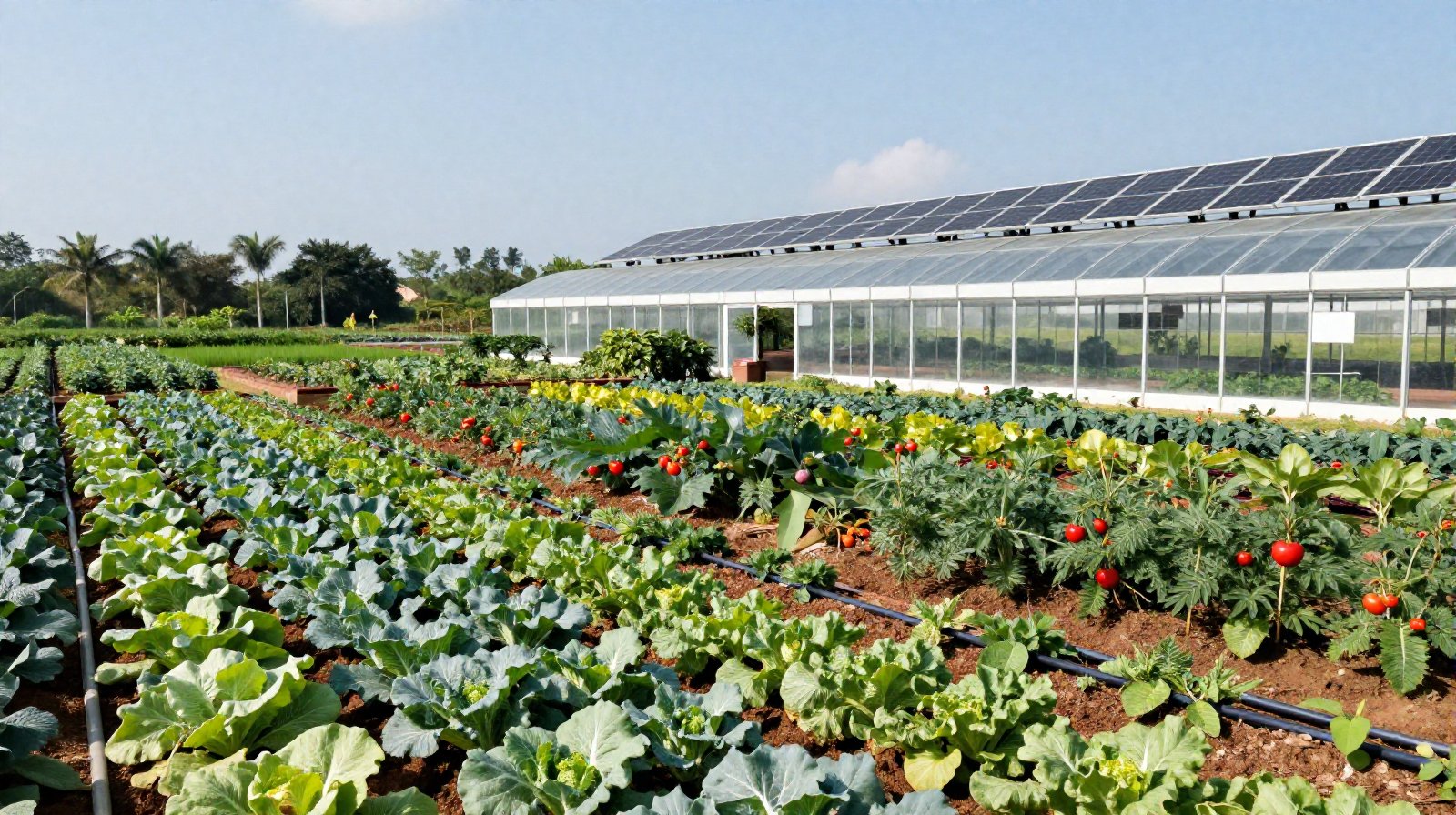
The smart irrigation systems use drip technology that delivers water directly to roots, reducing waste significantly. Many farms have integrated solar panels on their greenhouse roofs, powering the automated vents and sensors without relying on the grid. Furthermore, biological pest control methods—using beneficial insects instead of harsh chemicals—are becoming standard practice.
Walking through a mixed-crop field where fruit trees are planted alongside vegetables, I saw that biodiversity is being actively maintained. It’s not just about maximizing yield; it’s about long-term viability.
Redefining China Through a Plate
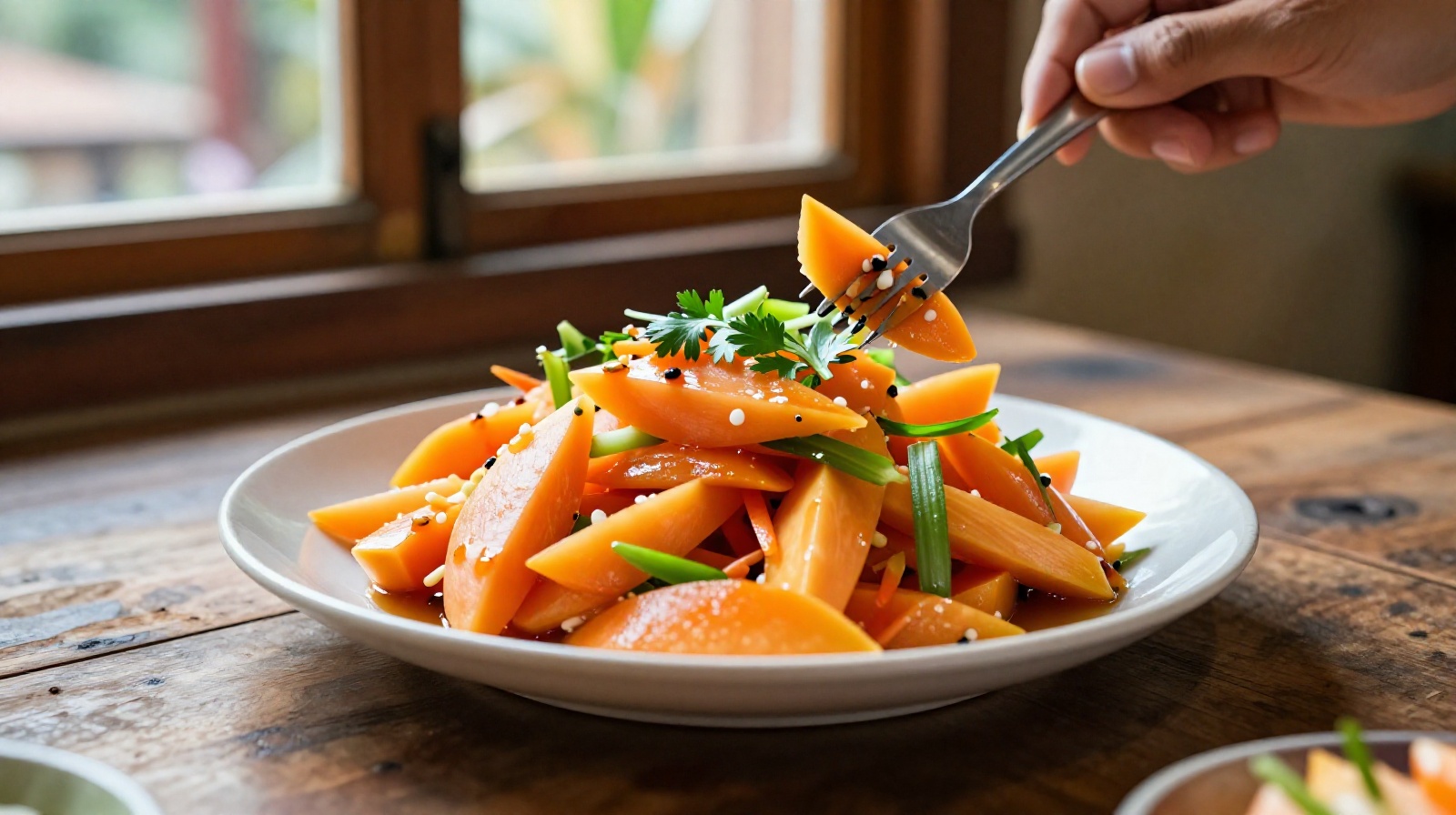
As I sat down for lunch in a local village restaurant, the menu featured a papaya salad made from fruit harvested just hours before. The flavor was intense, the texture perfect. It was a direct result of the technology and logistics I had seen that morning.
This experience forces us to rethink what “China” means in 2024. It is not just about manufacturing goods for export or building megacities. It is also about transforming traditional industries like agriculture with cutting-edge tech, creating a new kind of rural vitality that blends high-tech efficiency with deep-rooted culture.
For any foreigner curious about China’s future, the answer might not be found in a boardroom in Shenzhen, but in the quiet fields of Hainan, where drones fly over papayas and young graduates are rewriting the rules of farming.