

Stepping into a Different World
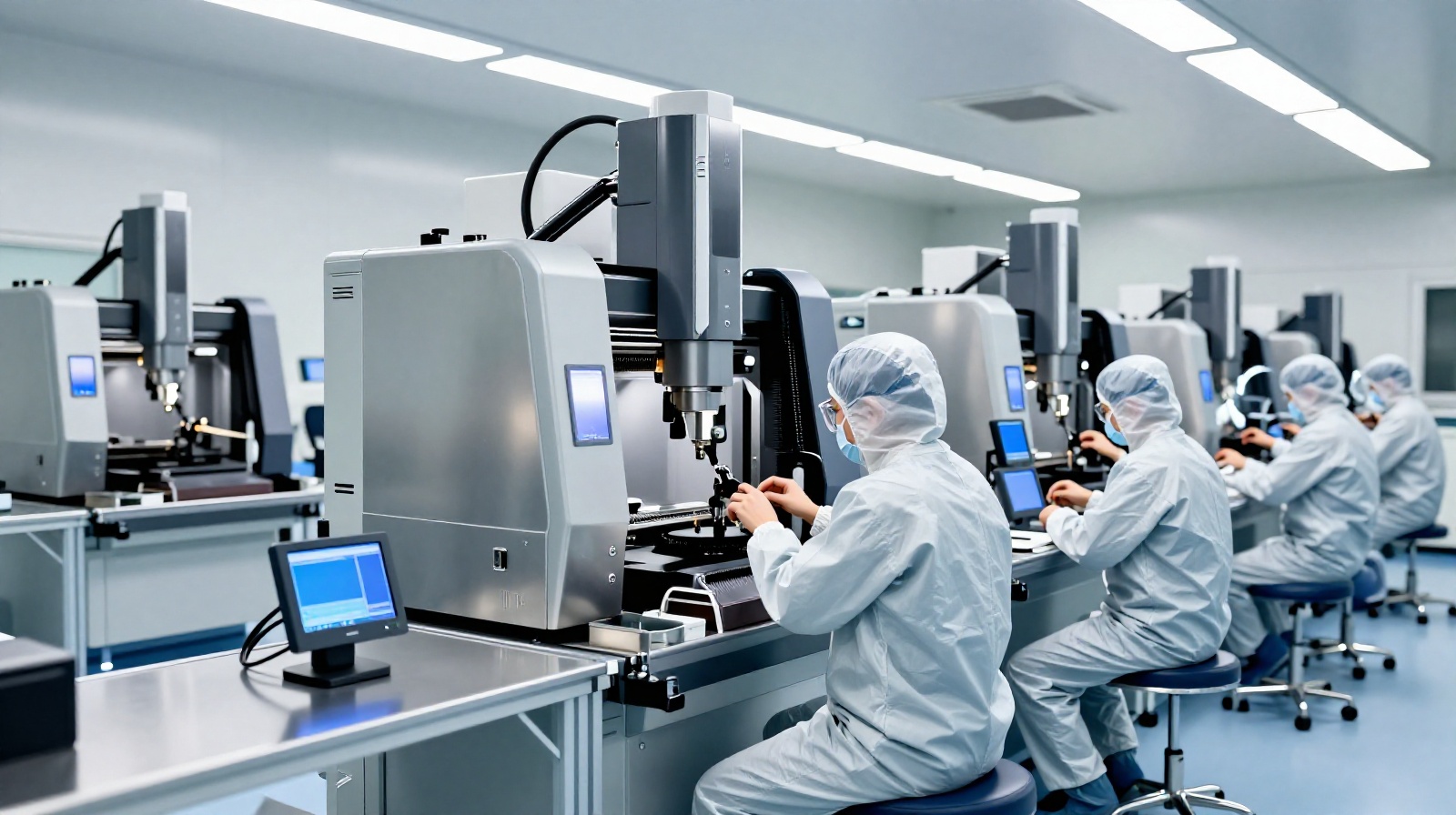
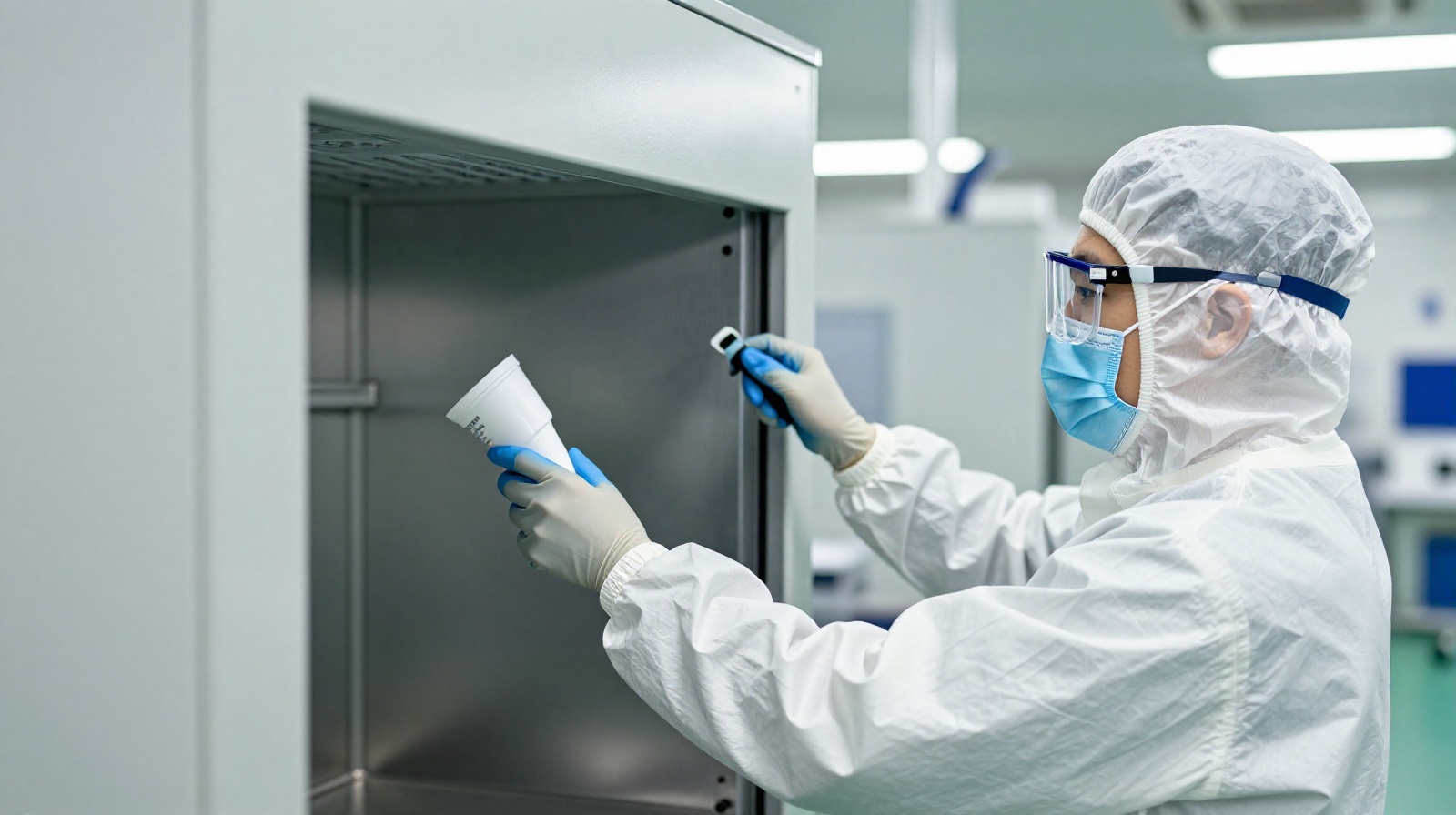
The first thing that hits you is not the machinery, but the silence. Before I could even step onto the factory floor of this Jiangsu-based manufacturer, I had to undergo a rigorous entry protocol: full-body sanitization, hairnets, shoe covers, and an anti-static gown that felt more like a spacesuit than workwear. The air inside was pressurized and filtered to remove particles smaller than 0.3 microns.
This isn’t the sweatshop image many Westerners still hold of “Made in China.” It is a sterile, high-precision environment where a single speck of dust can ruin a €50,000 surgical component. The guards at the door didn’t just check IDs; they checked my bio-metrics and logged every movement.
From Raw Material to Surgical Precision
I was here to track a specific project: robotic arm components for minimally invasive surgery systems destined for Germany. These aren’t generic parts found in any supermarket; they are machined from aerospace-grade titanium alloys with tolerances measured in microns.
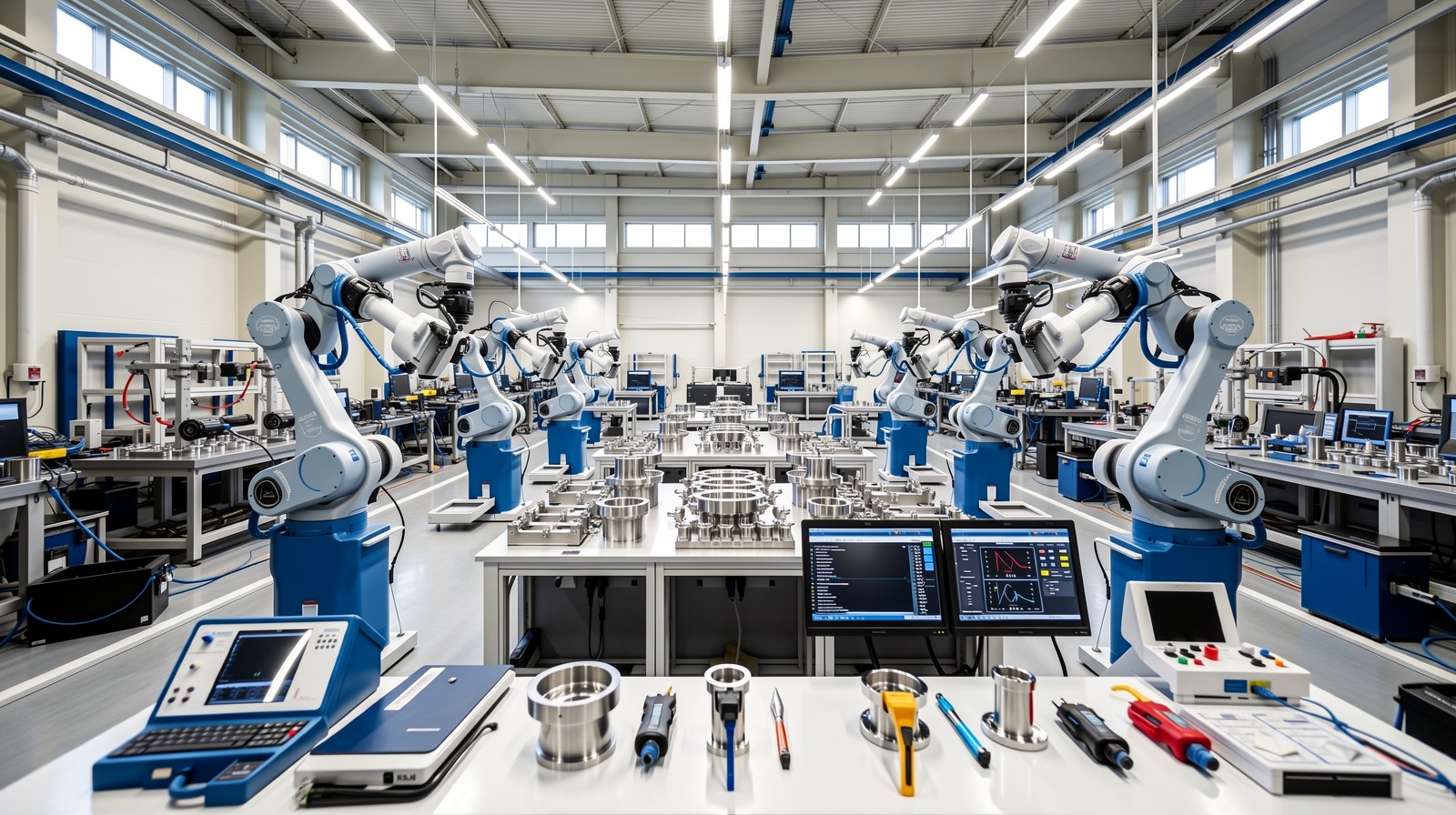
In the assembly line, workers don’t use wrenches. They operate multi-axis CNC machines guided by AI-driven feedback loops. A quality technician showed me a robotic arm joint being assembled. “The tolerance is plus or minus 0.01 millimeters,” she said, pointing to a digital readout that was constantly fluctuating around zero. If the machine deviates even slightly, the part is rejected immediately.
This level of precision is possible because the factory has invested heavily in automation and R&D. Unlike traditional manufacturing hubs where labor costs were the main driver, this facility employs hundreds of engineers who spend their days optimizing algorithms and testing material fatigue. The production line looks less like a conveyor belt and more like a laboratory.
The Gatekeepers: CE Certification and Global Standards
For any Chinese factory to sell high-end medical devices in the European Union, it must pass the EU MDR (Medical Device Regulation) review. This is arguably one of the strictest regulatory frameworks in the world.
I spoke with Li Wei, the Quality Director, who has spent 15 years navigating these international waters. “It’s not about getting a certificate,” he explained. “It’s about building a culture where every process is traceable.” He showed me a digital ledger that tracks every screw and raw material batch from the supplier to the final patient in Berlin or Paris.
When auditors from TUV Rheinland arrived last month, they didn’t just check paperwork. They watched the operators work for days, testing if the system would handle pressure spikes during simulated emergencies. The factory had to prove it could maintain sterility and precision even under stress. Passing this audit wasn’t a one-time event; it requires continuous monitoring.
A Shift in the Supply Chain
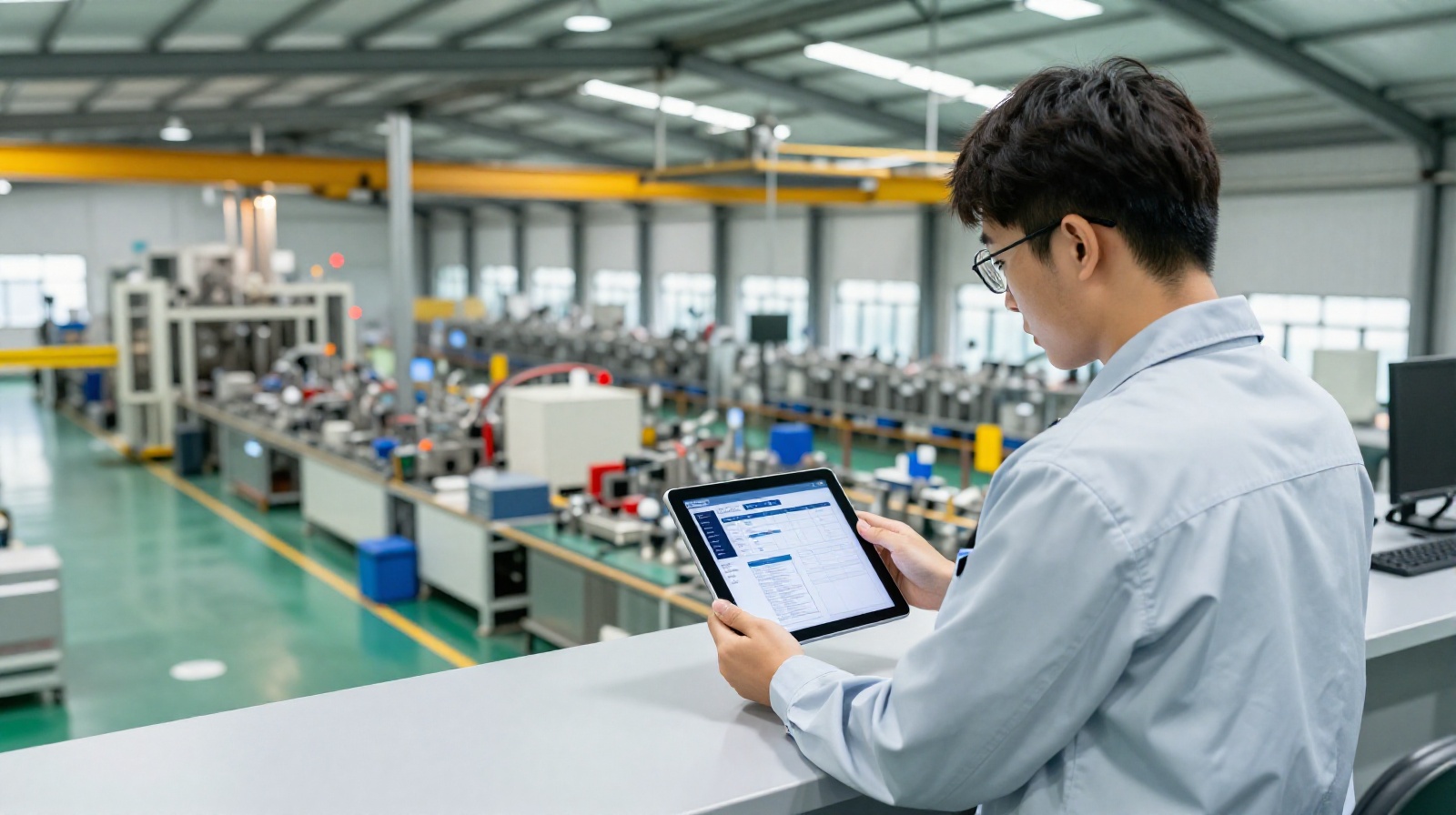
What makes this factory different from others? It’s the shift from “cheap labor” to “high-tech capabilities.” In the past, China was known for making low-cost consumer goods. Now, it is becoming a critical node in the global medical supply chain.
Dr. Hans Muller, a procurement officer at a leading Berlin hospital, told me why his institution switched suppliers. “We used to worry about consistency,” he admitted. “But after three years of orders from this factory, our downtime has dropped by 40%. The response time for custom parts is faster than many local European manufacturers.”
This isn’t just about price; it’s about reliability and speed. In a crisis, when hospitals need specific surgical tools immediately, the ability to manufacture and ship with such precision is invaluable.
The Future of Manufacturing
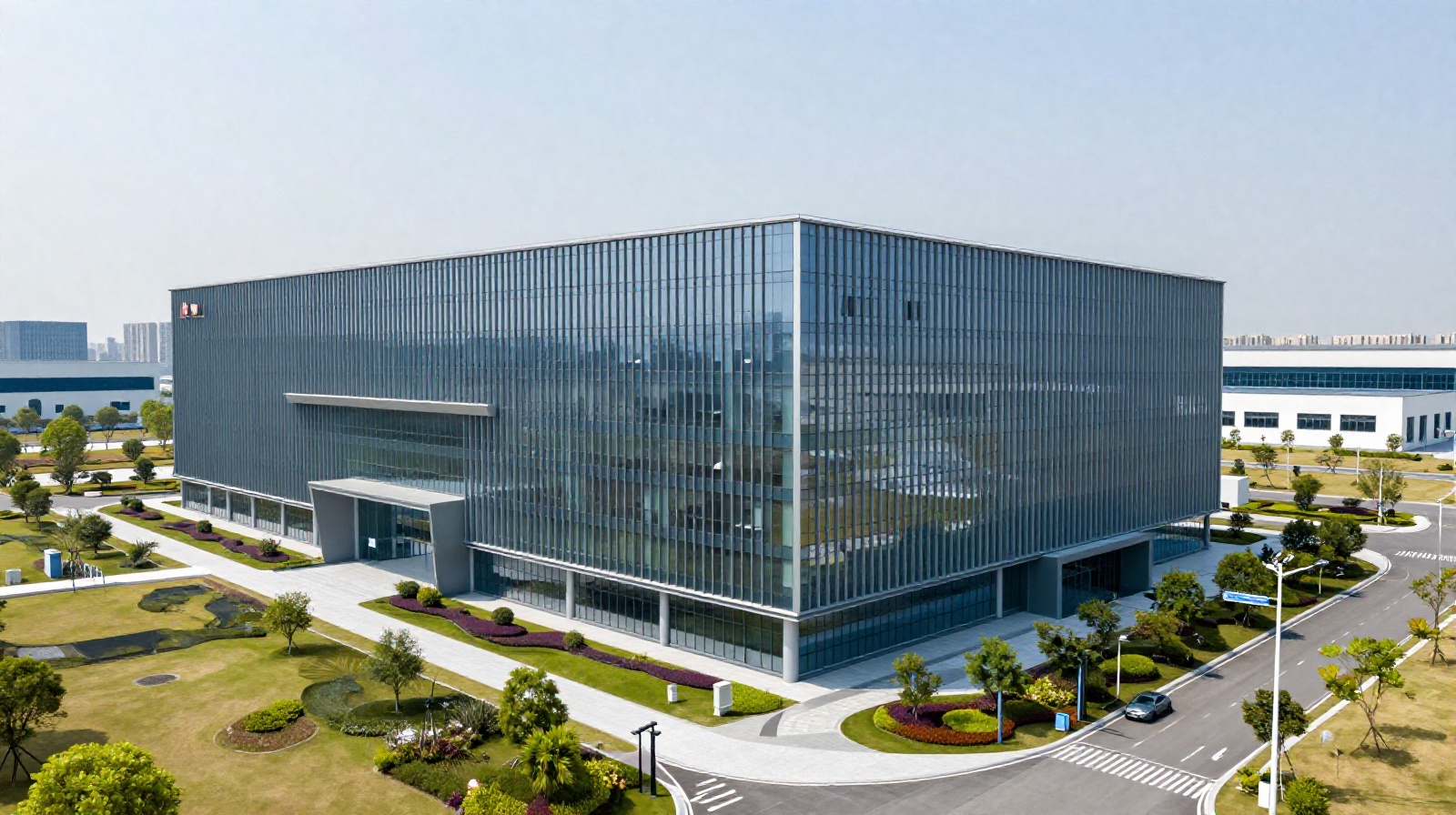
Walking out of the factory, the contrast between the sterile interior and the bustling city outside was stark. This facility represents a microcosm of China’s industrial evolution: moving up the value chain to compete on quality, not just cost.
For European hospitals and manufacturers, the message is clear: the definition of “Made in China” has changed. It now stands for precision engineering, rigorous compliance, and seamless integration into the global high-tech ecosystem. The future of medical technology isn’t just happening in Silicon Valley or Zurich; it’s being assembled here, with a level of scrutiny that rivals any top-tier facility worldwide.