
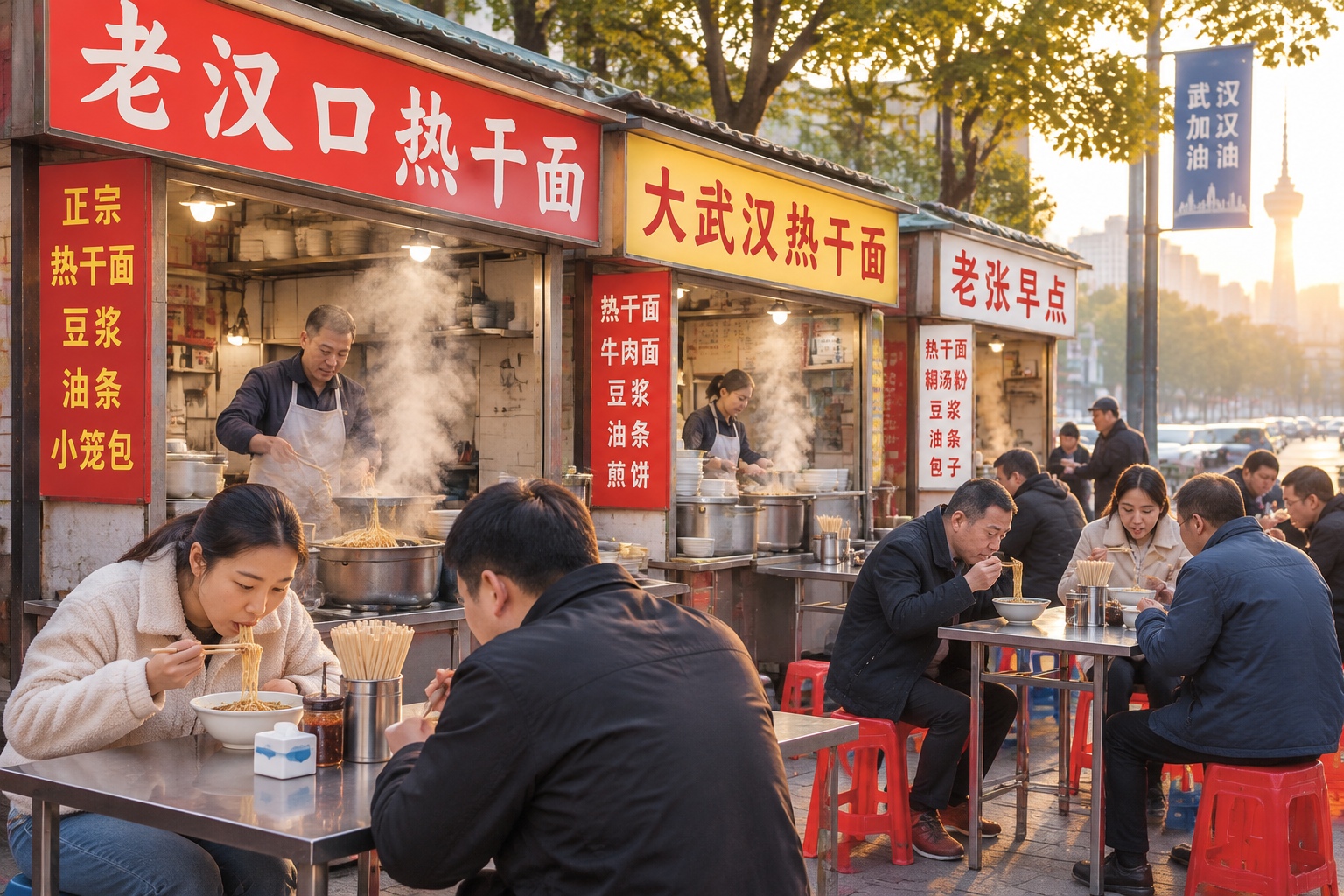

The 7 AM Rush: Steam, Noise, and the First Bite
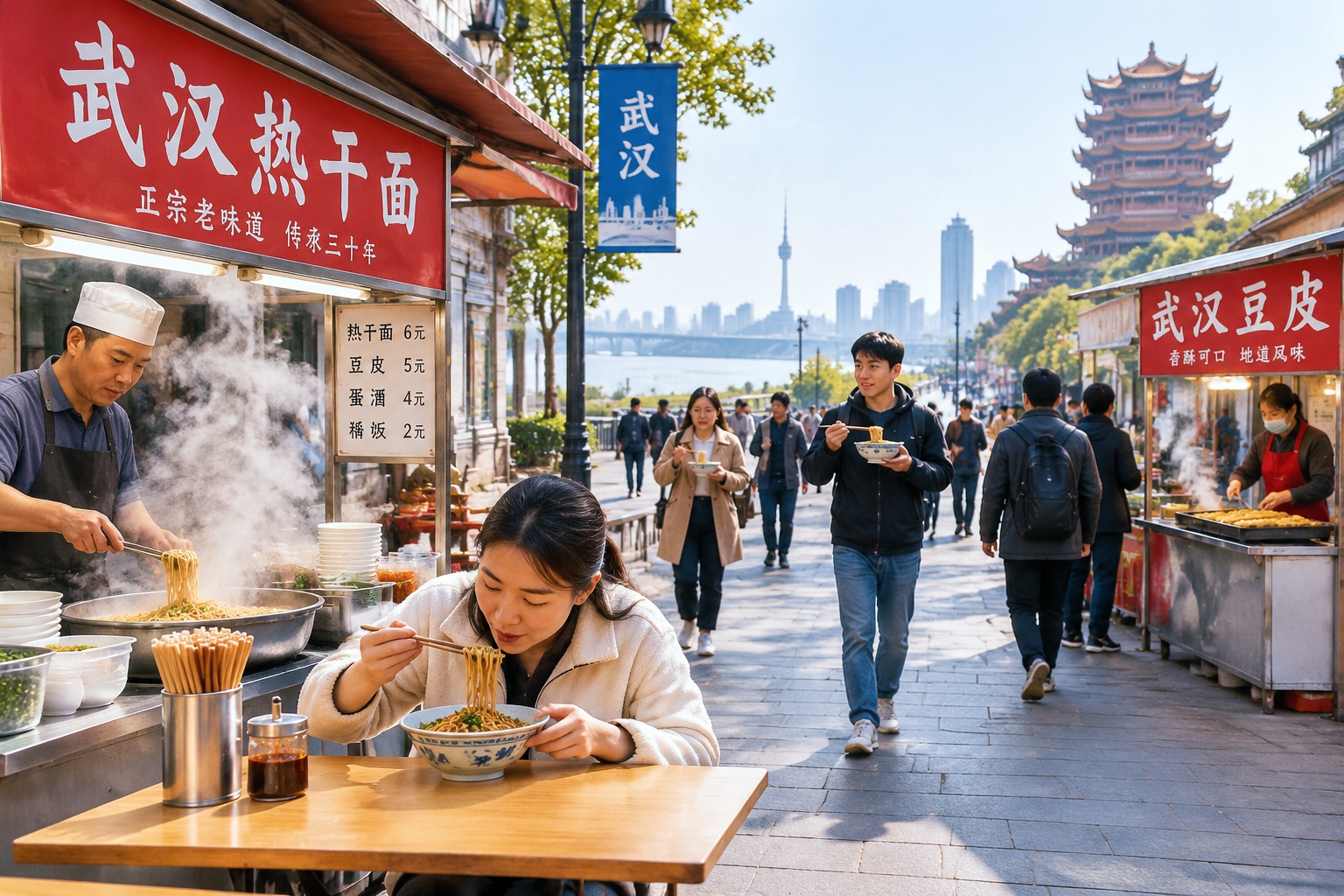
At 6:45 a.m., the air outside a narrow alley in Hankou is thick with steam and the sharp scent of toasted sesame. It’s cold enough to see breath, but the crowd moves with purpose. A middle-aged woman in a faded blue coat stands at a folding metal table, waiting for her bowl. She doesn’t speak; she just taps her phone screen, scanning a QR code on the stall’s wall.
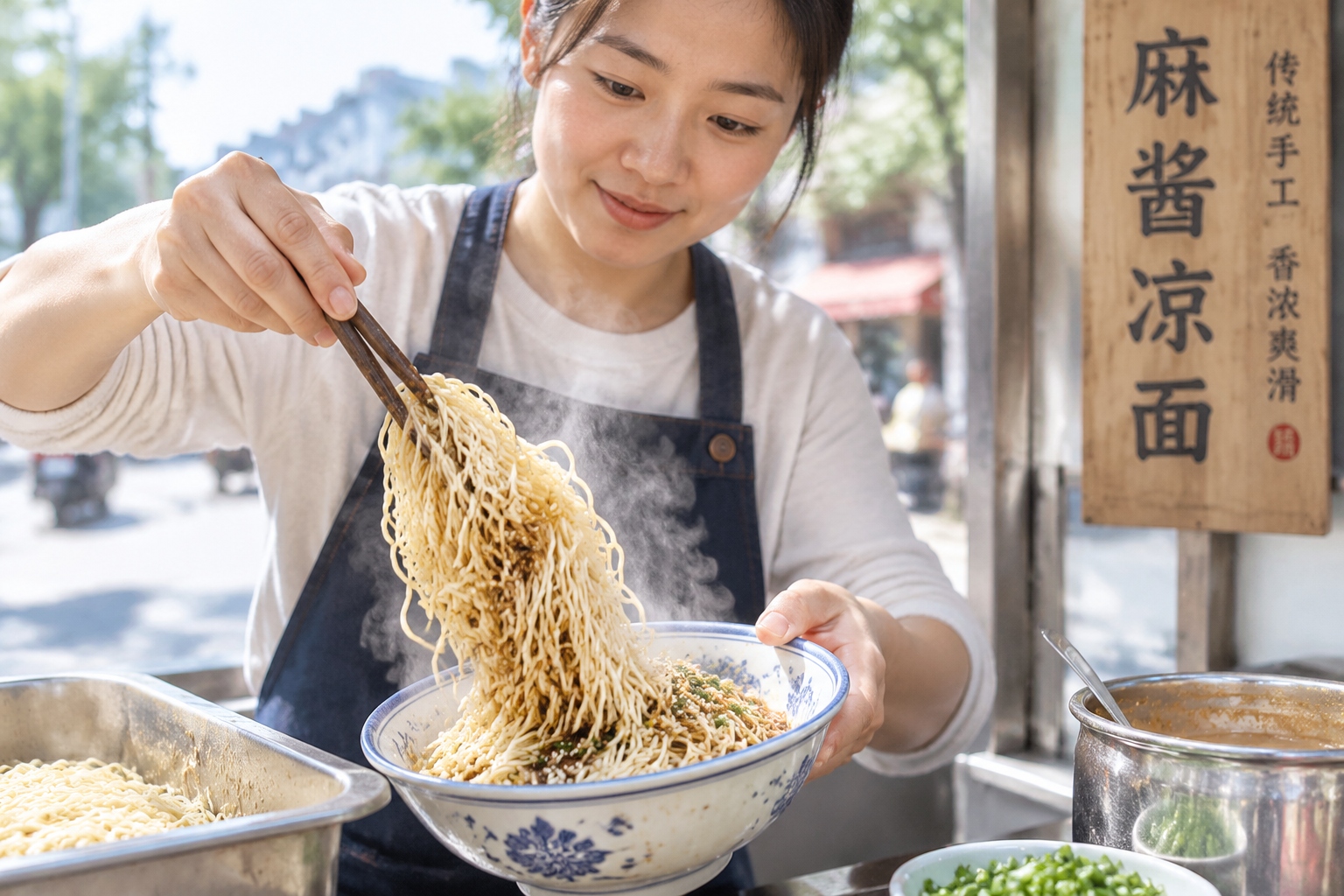
“Two bowls, less chili,” she says to Li Wei, a noodle vendor who has been working this corner for 15 years. His hands move faster than most people can blink. He dips long strands of wheat noodles into boiling water, drains them in seconds, then tosses them into a large ceramic bowl. A spoonful of thick, golden sesame paste goes on top, followed by diced pickles, scallions, and chili oil.
“The texture must be right,” Li says, wiping sweat from his forehead with a rag. “Too soft, and they stick together. Too dry, and the sauce won’t coat them.” He hands over the bowls. The customer takes her seat on a plastic stool, slurping loudly—a sign of enjoyment in this city.
This is guo zao, or ‘passing the morning,’ a ritual that defines Wuhan’s daily rhythm. Unlike other Chinese cities where breakfast might be a quick bun or steamed dumpling, here it is an event: fast, loud, and deeply personal.
The Mechanics of Hot Dry Noodles
Hot dry noodles (re gan mian) are not just food; they are a test of skill. The secret lies in the sesame paste, which is ground daily from roasted white sesame seeds and mixed with soybean oil until it reaches a specific viscosity. Too thin, and it drips off the noodles; too thick, and it clumps.
Li explains that the noodles themselves are unique: they are boiled twice—once to cook, once to rinse in cold water before being tossed with sauce. This double-boiling gives them their signature chewiness. “We don’t want mush,” he says. “We want a bite that stays firm even after sitting in sauce for five minutes.”
Locals know exactly what they want. A regular customer, Zhang Hua, a 28-year-old software engineer, comes here every morning before heading to his office in the CBD. “It’s not about hunger,” he says. “It’s about starting the day with something familiar. The city changes fast—new buildings go up, old streets get demolished—but this stall has been here since I was a kid.”
The process is efficient: from order to handover takes less than three minutes. In a city where trains leave every 30 seconds and delivery drones hover overhead, speed is non-negotiable.
A Conversation Over Chopsticks
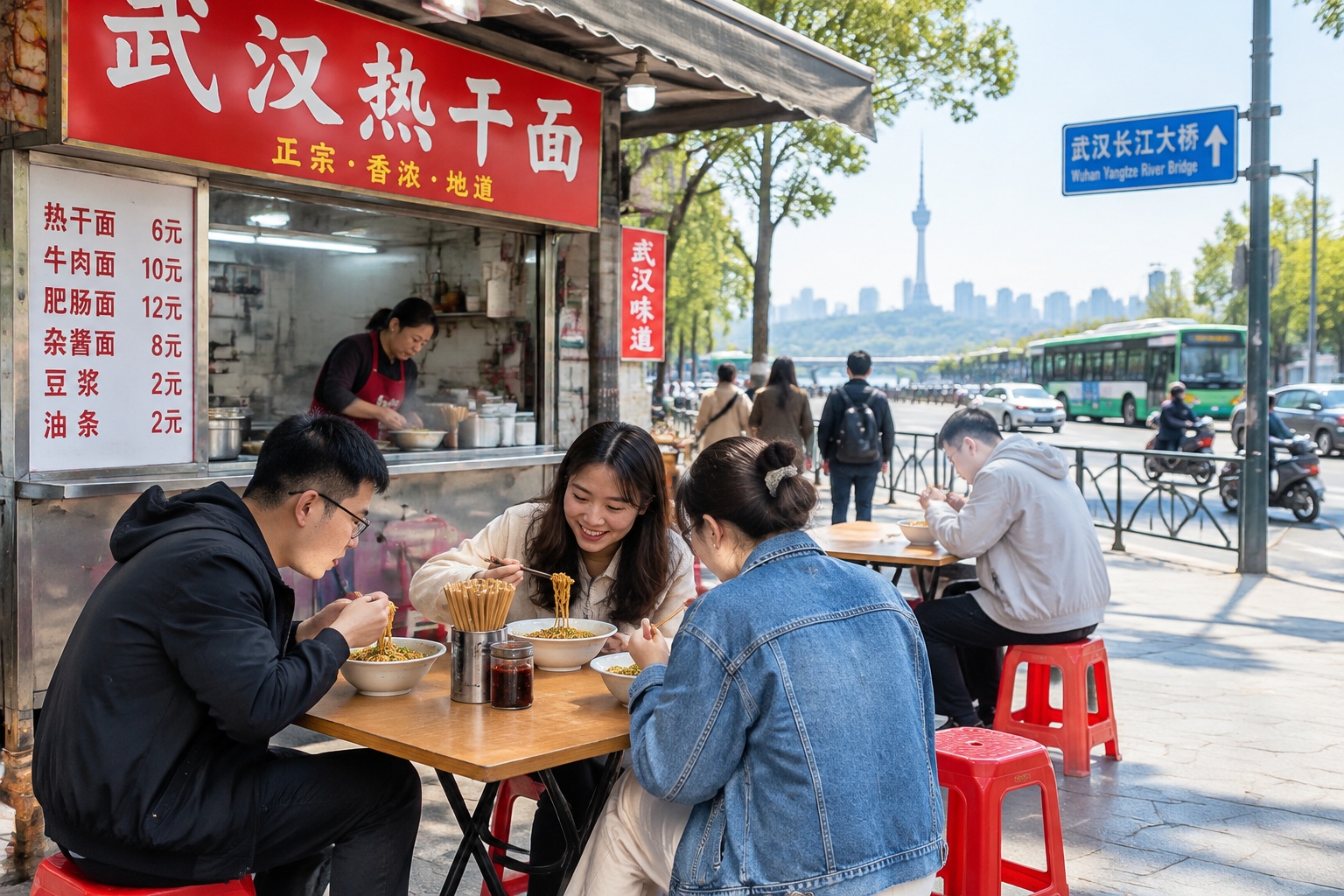
While waiting for the next batch of noodles, I sit with Zhang Hua. He eats quickly, his chopsticks clicking against the bowl. “My dad used to bring me here when I was small,” he says. “Now I bring my son.” The stall is a microcosm of Wuhan’s evolution: traditional recipes meeting modern demands.
Li adds that technology has changed how people order but not the food itself. “We use WeChat Pay now, so no cash changes hands. But the sauce? That’s still made by hand every morning.” He points to a large vat of sesame paste sitting in the corner, its surface shimmering under the streetlamp.
Zhang nods. “I work in tech, but I don’t want everything to be automated. This bowl is my connection to the city’s history.”
The conversation shifts to Wuhan’s rapid transformation. Skyscrapers have replaced old neighborhoods, and high-speed trains now connect the city to Beijing in just four hours. Yet, for many, the morning ritual remains unchanged.
More Than Food: A Social Anchor
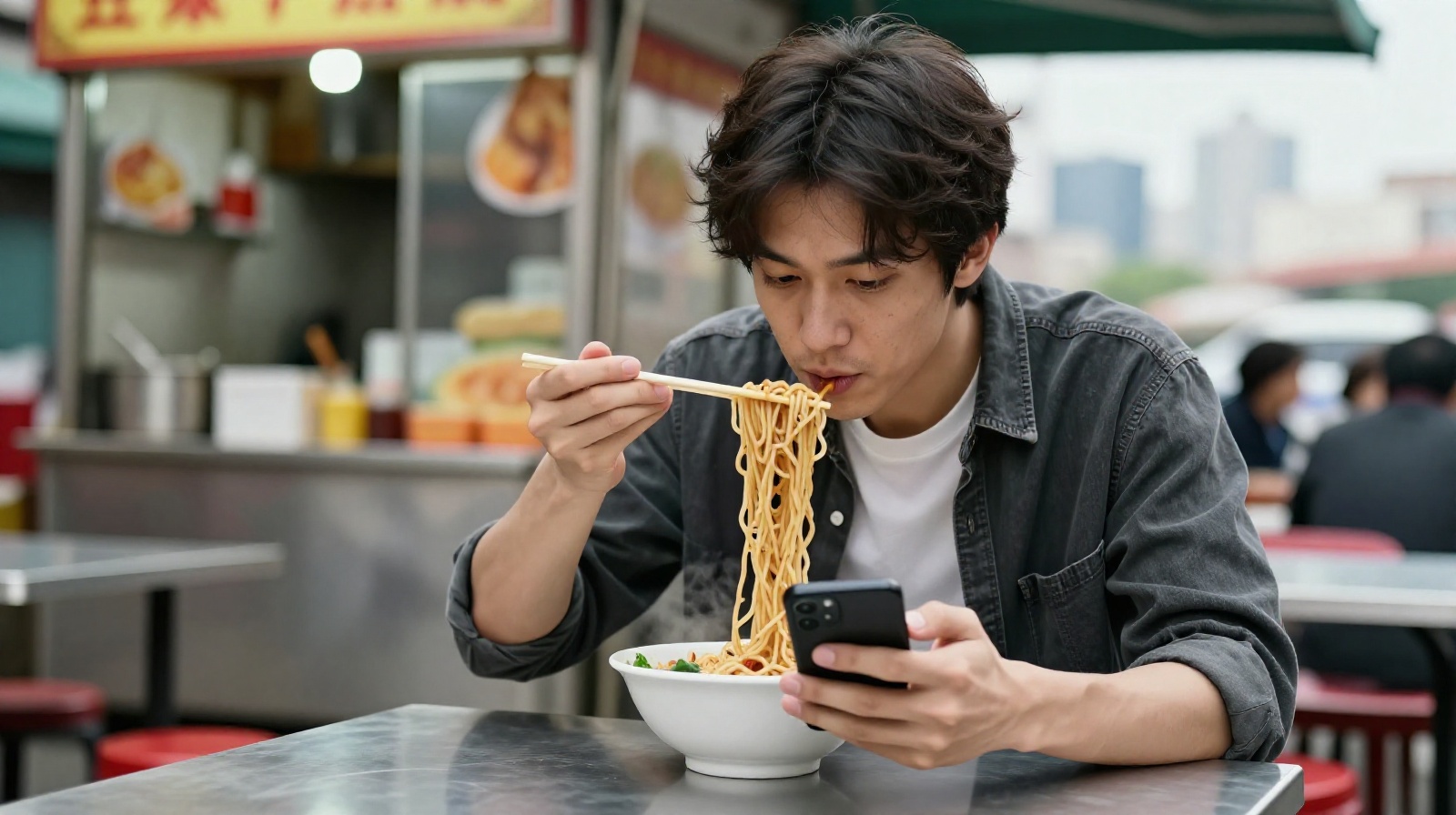
In a metropolis of 14 million people, where life moves at breakneck speed, guo zao serves as a social anchor. It is a moment to pause, even if only for ten minutes, before diving back into the rush.
Unlike Western breakfasts that often emphasize individualism—coffee alone, toast in silence—Wuhan’s breakfast culture is communal. Neighbors chat while eating, vendors shout orders, and strangers share tables without hesitation.
This shared experience reflects a broader truth about Chinese urban life: despite rapid modernization, community remains central. The steam from the noodles is not just heat; it’s warmth in a city that can feel cold and impersonal.
Why This Bowl Matters
As I leave the stall, the sun has risen higher. The street is now full of pedestrians rushing to work, but the smell of sesame lingers. For Wuhan’s residents, this bowl of noodles is more than sustenance—it is a symbol of continuity in a city that never stops moving.
In an era where technology reshapes every aspect of life, guo zao reminds us that some things remain constant: the taste of home, the rhythm of daily life, and the quiet joy of sharing a meal with someone you know.
Start the discussion at forum.chinacomes.com