

A Taste of Home
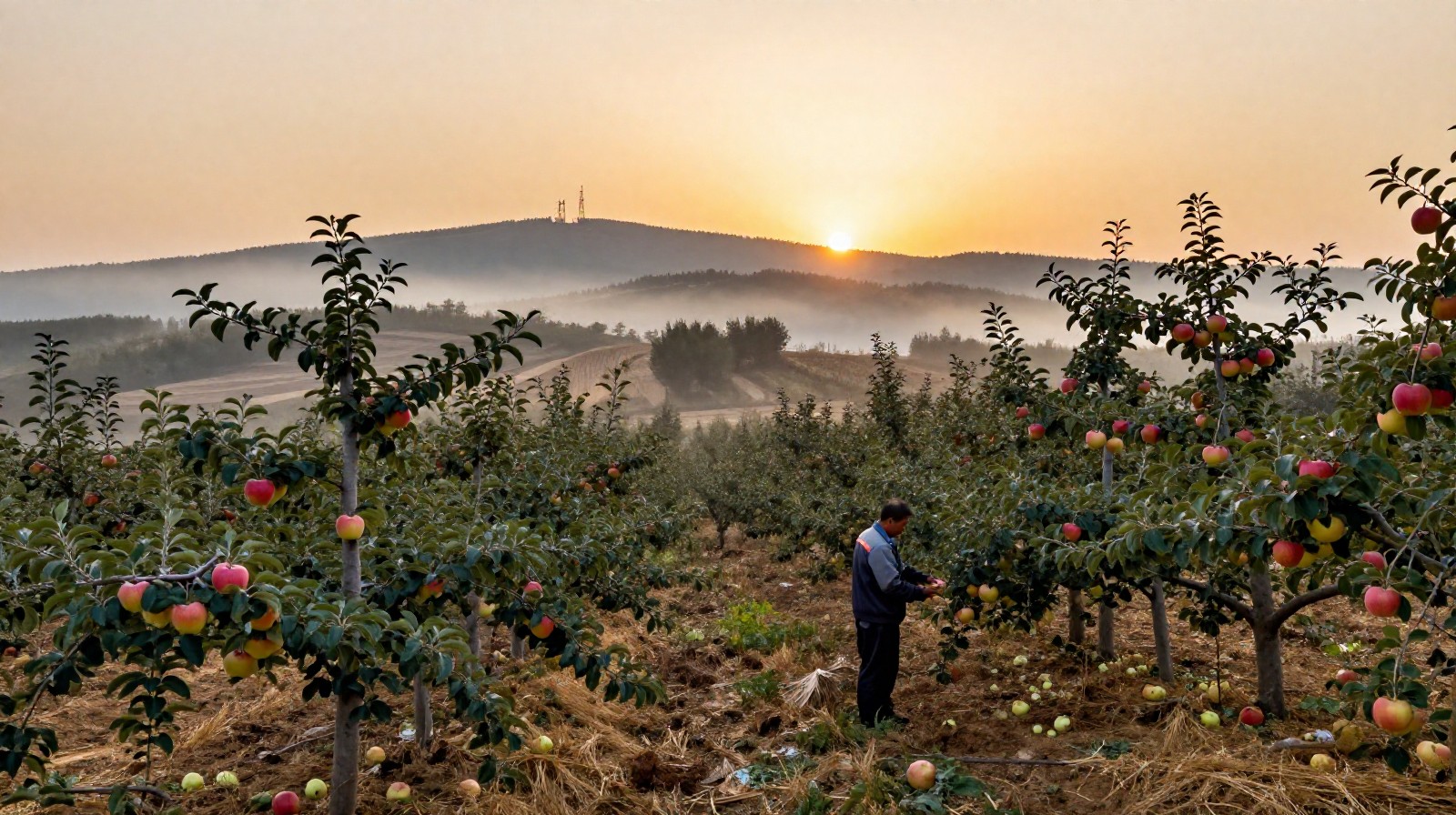
It is 5:40 AM in Penglai, Shandong. The air is crisp, smelling of damp earth and crushed leaves. Li Wei, a fifth-generation apple grower, walks through his orchard with a flashlight beam cutting through the morning mist. He stops at a tree, plucks a Golden Delicious apple, wipes it on his jacket, and takes a bite. The sound is loud—a sharp crunch that echoes in the quiet field.
“This one has the right sugar-to-acid ratio,” Li says, nodding. “It’s ready.” He doesn’t just taste; he checks the skin for blemishes invisible to the untrained eye. This specific apple belongs to a category known globally as the ‘Yantai Apple,’ a fruit that defines the region’s agricultural identity.
For many overseas readers, China is often depicted through its megacities or high-speed trains. But here, in the rolling hills of Northern China, the economy runs on something far more grounded: the supply chain connecting rural farms to urban tables. The journey of a Yantai apple is not just about fruit; it is a lesson in how modern technology has reshaped traditional agriculture.
The Farmer’s Morning: Technology Meets Tradition
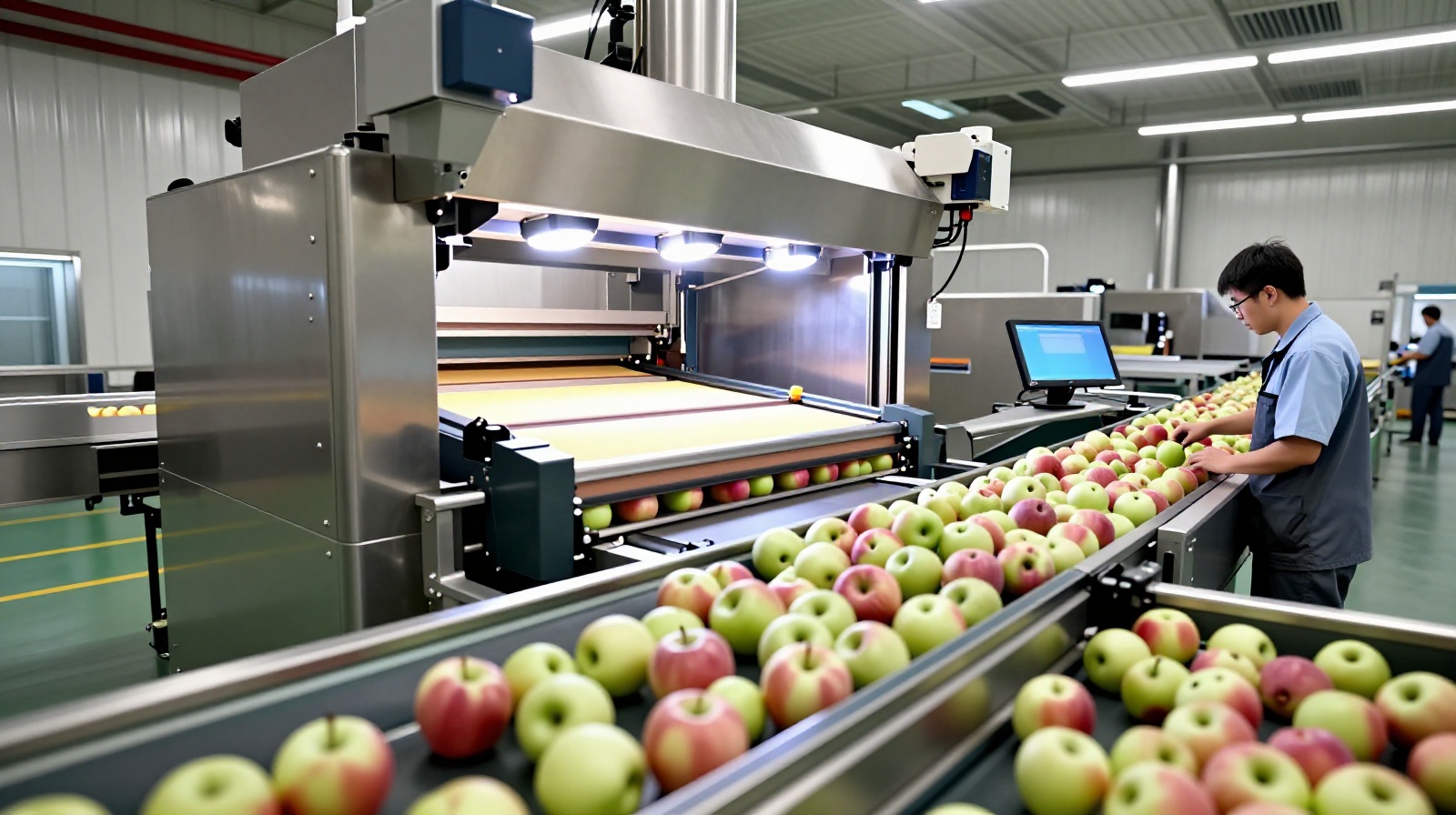
Li’s orchard looks like any other rural farm, but the tools are different. While he still relies on his own judgment for picking, the sorting process is entirely automated. Back at the packing house, apples roll down a conveyor belt into an optical sorter.
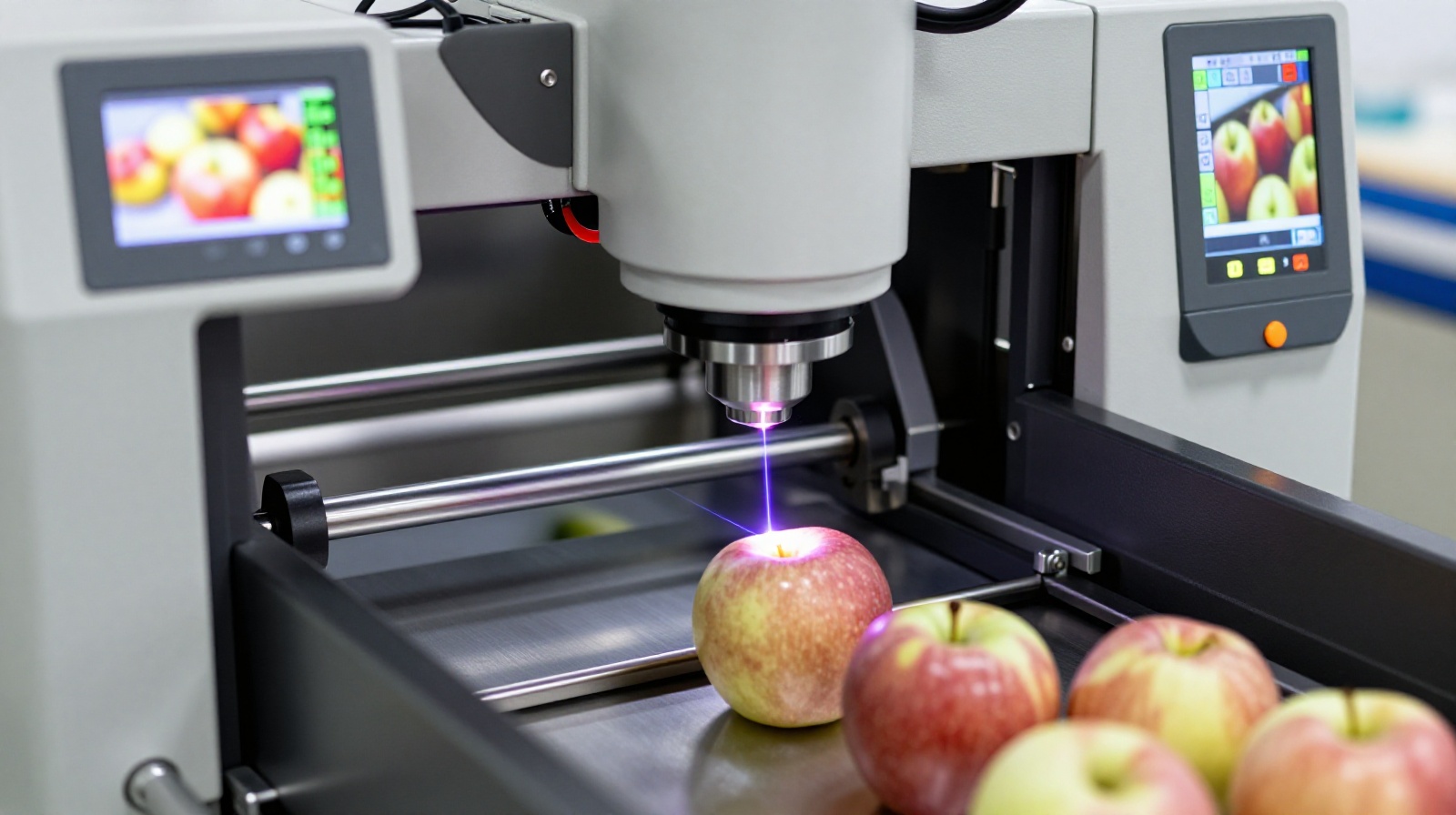
This machine uses cameras and lasers to scan every fruit in milliseconds. It detects internal defects, measures sugar content with near-infrared light, and checks color uniformity. If an apple fails the test, it is gently diverted to a ‘juice bin.’ Only those that pass strict standards proceed to packaging.
“Ten years ago, we sold apples by volume,” Li explains, wiping sweat from his brow as he watches the machines work. “Now, we sell by grade. A Grade A apple gets three times the price of a standard one.” This shift is typical of rural e-commerce in China. Farmers are no longer just growing crops; they are data-driven producers who understand market preferences.
The Logistics Puzzle: Cold Chain on High Speed
Once sorted, the apples face their biggest challenge: time. An apple picked at dawn in Shandong needs to reach a consumer in Shanghai or Beijing by dinner, ideally within 24 hours.
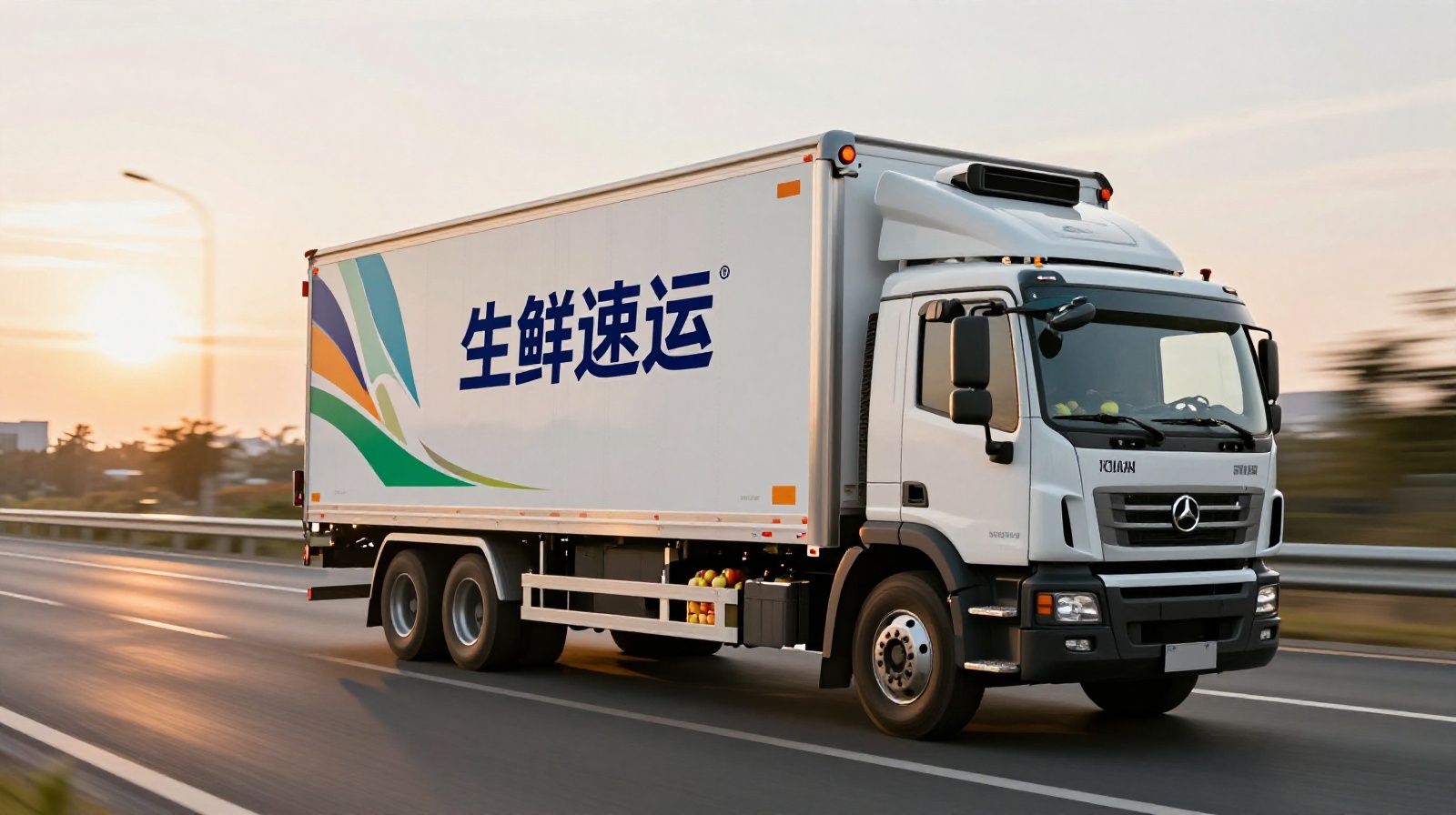
This is where China’s cold chain logistics shine. The packing house loads crates onto refrigerated trucks equipped with real-time temperature monitoring. As the truck hits the highway, it merges into a massive network of express delivery lanes. In many cases, these apples are transferred to high-speed freight trains or even air cargo for long-distance routes.
The numbers tell the story. According to recent industry data, the average time from farm to city market in major Chinese regions has dropped from three days to less than 24 hours. The cost of transportation has also fallen by nearly 30% over the last five years, making fresh produce affordable for everyone.
Beyond the Bowl: Who Eats These Apples?
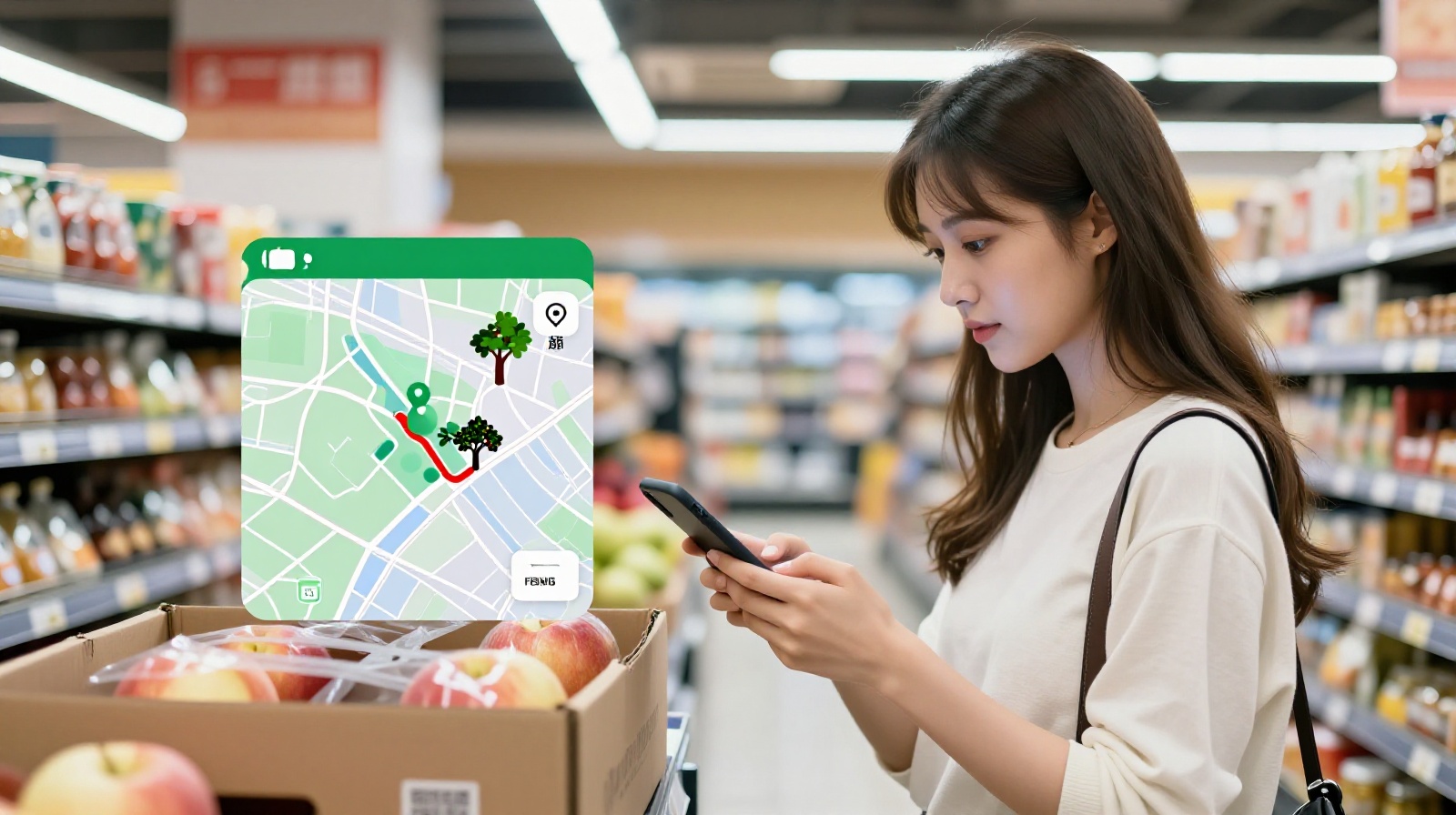
So, who buys these apples? In a modern supermarket in Beijing, a young mother picks up a box of Yantai apples. She scans a QR code on the packaging with her phone. Instantly, a video plays showing Li’s orchard, the sorting machine, and the truck’s route.
This transparency is changing consumer behavior. Chinese shoppers, even those far from the farm, can trace the origin of their food. This level of detail was unimaginable in previous decades. It builds trust between the rural producer and the urban eater.
But the market isn’t just local. Yantai apples are now exported to Southeast Asia, Europe, and North America. In supermarkets in London or New York, they sit alongside imported fruits from Chile or the US. The label often reads ‘Grown in Shandong,’ a badge of quality that commands a premium price.
Conclusion: More Than Just Fruit
By evening, the apple Li picked at 5:40 AM might be sitting on a table in a high-rise apartment in Shanghai or a kitchen in London. The journey was seamless, powered by technology and infrastructure that few outsiders fully appreciate.
This story of the Yantai apple is not just about agriculture; it is about rural revitalization. It shows how small farmers in China are integrating into the global economy without losing their identity. They use AI to sort fruit, high-speed trains to ship them, and digital platforms to connect with buyers worldwide.
The next time you bite into a crisp, sweet apple from China, remember the early morning mist in Penglai, the humming machines of the packing house, and the silent speed of the logistics network. It is a taste of home, delivered across thousands of miles.