
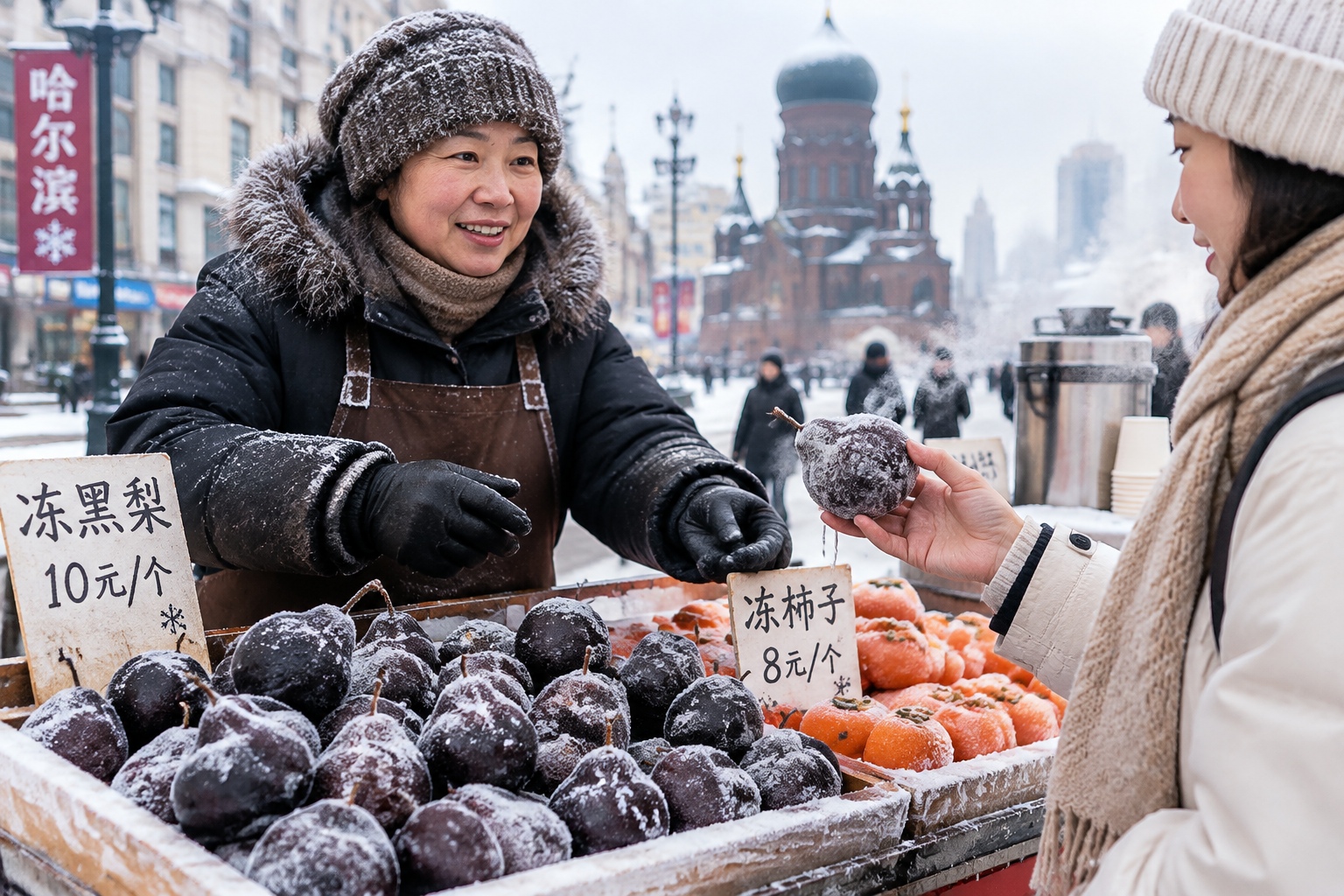

A Steamy Breath in Minus-30 Degrees
Imagine standing on a street corner in Harbin at -30°C (-22°F). The air is so cold that your breath instantly turns into white clouds. In front of you, a vendor stands behind a cart piled high with blackened, frost-covered fruits. They look like stones, not food. A customer buys a frozen pear, hands it over the counter without even taking off their gloves, and immediately takes a bite.
It looks painful to watch. Yet, the person chewing doesn’t flinch. Instead, they smile as a sweet, icy syrup drips from the fruit into their mouth. This scene plays out daily in Northeast China, where the extreme cold is not an obstacle but an ingredient. For visitors expecting a frozen wasteland of survival food, this ‘ice-fire’ paradox offers a surprising glimpse into local resilience and joy.

The Magic Freeze: How Ice Becomes Candy
Why would anyone eat fruit that has been left outside in the freezing winter? The answer lies in the physics of flavor. In Heilongjiang, farmers leave pears, persimmons, and melons hanging on trees or stored in open sheds until they are solid as ice.
This isn’t just preservation; it’s a transformation. When these fruits freeze, the water inside expands and breaks down the fruit’s cell walls. Upon thawing, the texture changes completely. A hard pear becomes soft, yielding to a spoon with the consistency of sorbet or thick juice. The sugar concentration increases as the ice melts away, leaving behind an intensely sweet, nectar-like liquid.
Locals call this ‘ice candy,’ but it’s far more complex than store-bought snacks. It is nature’s own fermentation and freezing process happening in real-time. For the people of the Northeast, eating frozen fruit is a celebration of winter’s power rather than a defeat by it.
The Thawing Ritual: Cold Water and Warm Hands
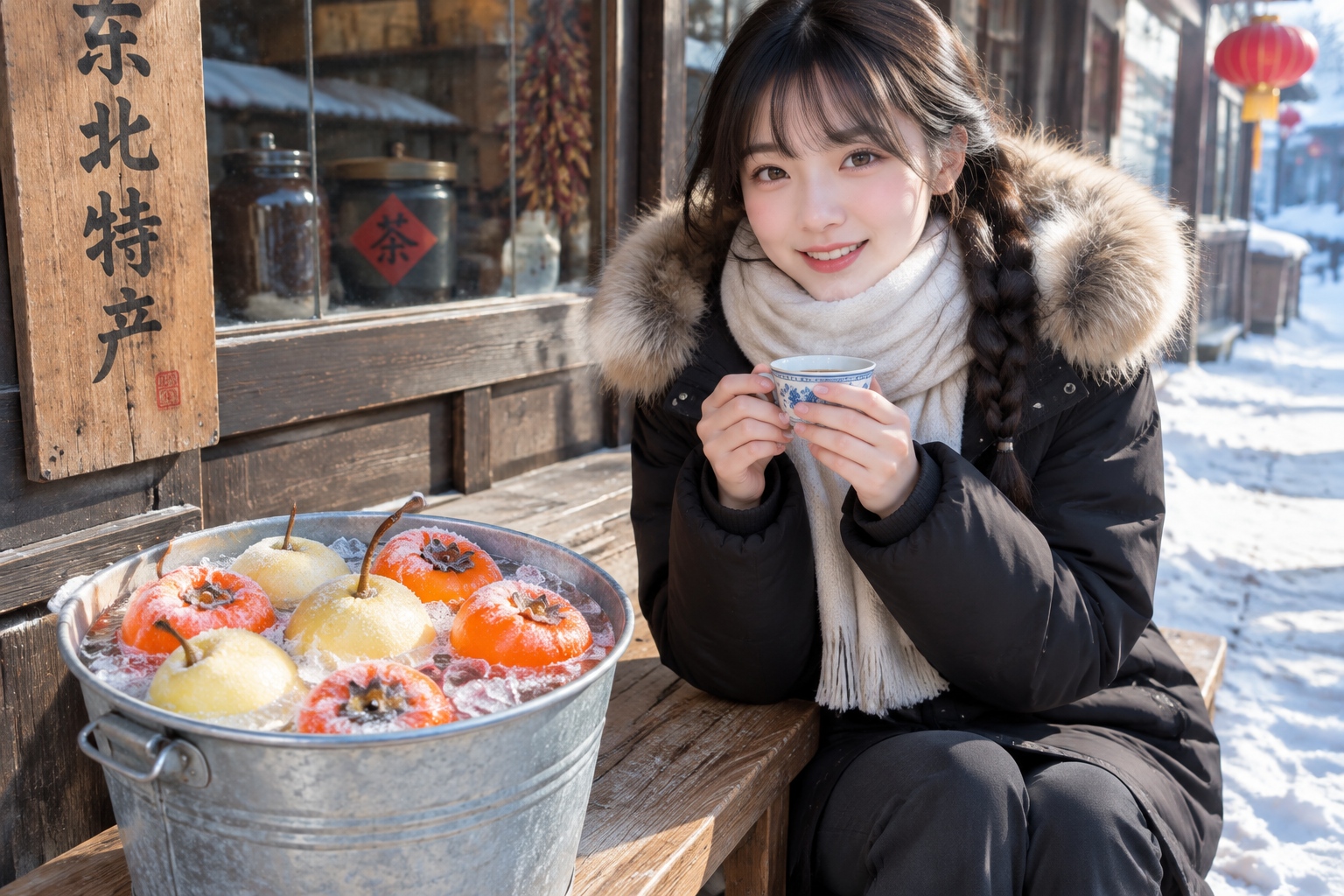
There is no microwave for this dessert. The traditional method requires patience and specific techniques that turn eating into a ritual. To eat a frozen pear, you must first thaw it slightly. You can do this by holding it in your gloved hands until the frost softens, or more commonly, placing it in a bucket of cold water.
The contrast is striking: the outside remains icy and hard, while the inside turns into liquid gold. The customer takes the fruit out of the water, shakes off the drops, and often peels away the blackened skin with their teeth before sucking on the sweet insides. Some people even soak the fruit in a bowl of warm tea for a few minutes to accelerate the process.
Fire Meets Ice: The Perfect Pairing
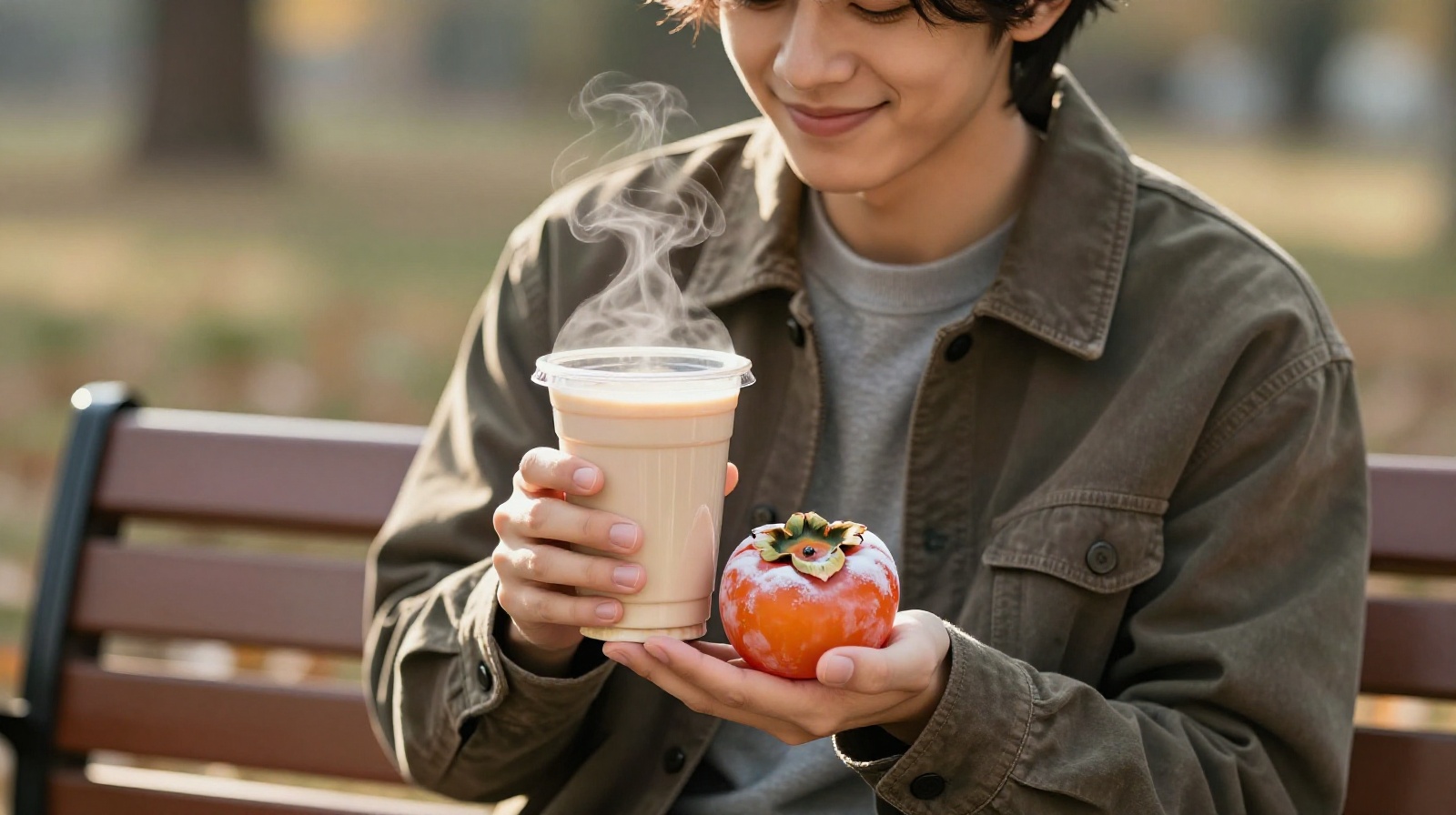
If you are standing outside in -30°C, your body temperature drops rapidly. To counter this, locals have developed a perfect culinary balance: pairing icy treats with hot drinks. This is why you will often see people holding a frozen pear in one hand and a steaming cup of milk tea or strong black tea in the other.
The milk tea tradition in Harbin has evolved from simple home-brewed tea to a modern street staple, often loaded with brown sugar, cheese foam, or local herbs. Sipping hot liquid warms the chest instantly, while the frozen fruit provides a refreshing, numbing cool that feels surprisingly pleasant on the tongue. It is a sensory shock that balances internal heat and external cold.
This habit goes beyond just taste; it reflects the region’s history. In the harsh winters of the past, preserving food was essential for survival. Today, that necessity has turned into a beloved cultural identity. Sharing a bag of frozen fruit with neighbors or friends is a way to say, “We are warm enough together to handle this cold.”
A Window Into Northeast Life
For tourists from the south or abroad, this snack might seem strange. Why not just eat a fresh pear? The answer is that in Harbin, winter dictates life. When the temperature drops below -20°C, fresh fruit becomes unavailable and expensive. Frozen fruit, however, is abundant, cheap, and tastes better than anything you can find in a supermarket.
It reveals a deeper truth about Chinese daily life: adaptability. People do not wait for the weather to improve; they work with it. They turn the biting cold into a sweet treat. Whether it’s a grandmother teaching her grandchild how to peel a frozen persimmon on a snowy balcony, or a young office worker grabbing a quick snack between meetings, this ‘ice and fire’ lifestyle is woven into the fabric of the region.
Try It Yourself
If you ever visit Harbin in winter, don’t be afraid to try the frozen pear. The first bite might feel like an experiment, but within seconds, the sweet nectar will warm your soul more than any hot stove could. It is a taste of Northeast China’s spirit: tough on the outside, soft and sweet on the inside.
So, when you think of Chinese food, remember that it isn’t just about spicy hot pots or delicate dim sum. In the frozen north, it’s about standing in the snow, holding a black stone fruit, and sipping hot tea—a perfect balance of ice and fire that defines life in Heilongjiang.
Start the discussion at forum.chinacomes.com