
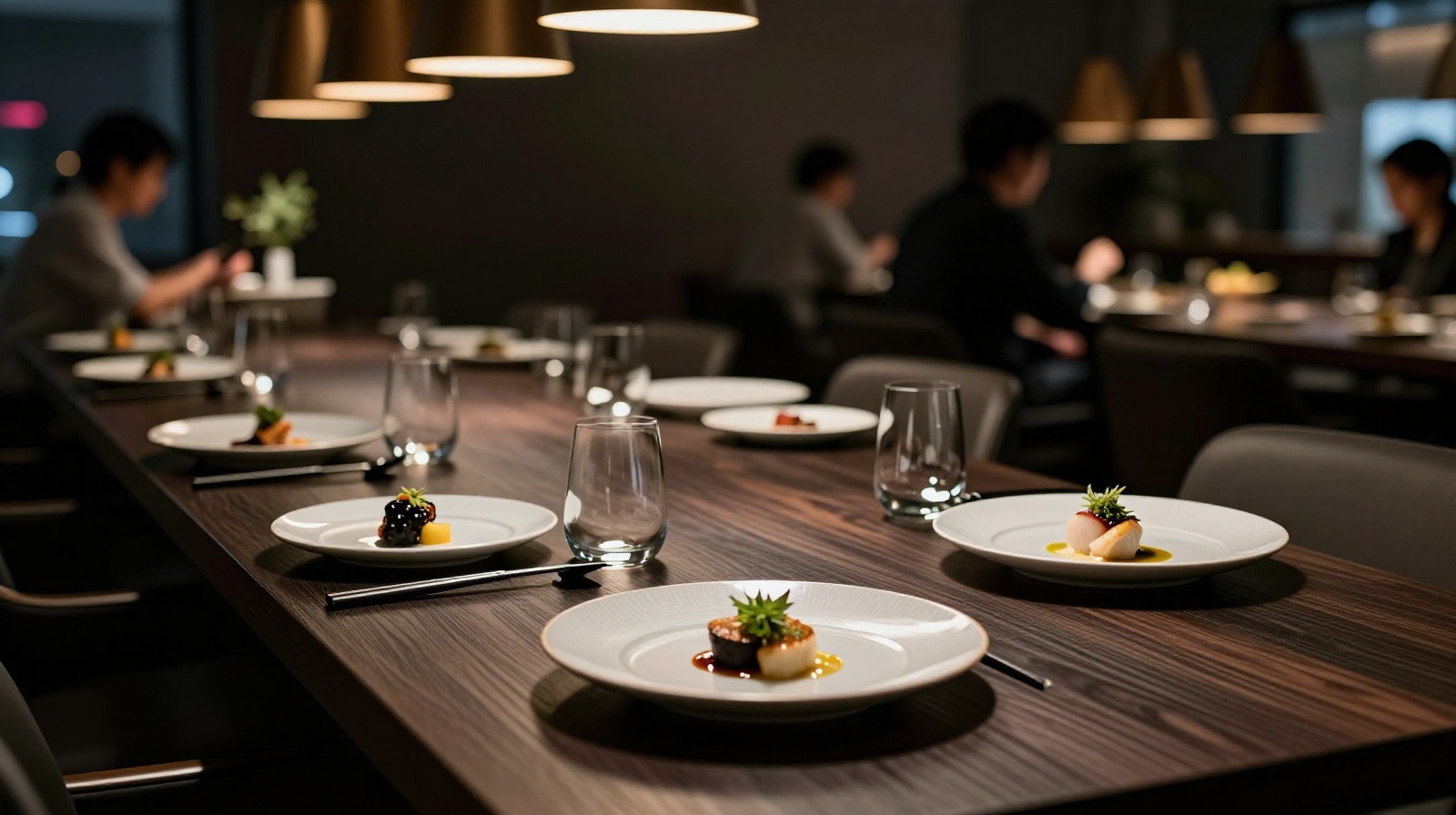

The Silence in the Dining Room
At 7:30 PM, the dining room of Fu He Hui in Beijing is quiet. There is no clinking of expensive crystal glasses, no loud boasting about business deals. Instead, there is a hushed anticipation as servers place ceramic plates on dark wooden tables. On one plate sits a small, translucent dumpling; on another, a single piece of steamed fish rests on a bed of dried plum leaves. The portion sizes are tiny—almost insultingly so for someone used to the lavish banquets of the past.
This is not just a meal; it is a performance of restraint. In recent years, China’s high-end culinary scene has undergone a radical shift. The era of showing off wealth through rare ingredients like shark fin or bird’s nest is fading. In its place rises a new aesthetic: “Poetic Cuisine.” It prioritizes terroir, seasonality, and artistic minimalism over price tags and exotic status symbols.
Ditching the Status Symbols
For decades, dining out in China was often about mianzi—face. Hosting a client or celebrating a wedding meant ordering expensive, rare items to demonstrate respect and financial power. Shark fin soup, abalone, and wild ginseng were not just food; they were currency.

But the social contract has changed. Younger diners, particularly those in Tier 1 cities like Shanghai, Shenzhen, and Chengdu, are rejecting this ostentatious display. They view it as wasteful and outdated. Moreover, stricter government regulations on public spending and a growing awareness of sustainability have made exotic ingredients less acceptable.
“I don’t care if my guest has never eaten bird’s nest before,” says Lin, a 32-year-old marketing director in Shanghai who regularly hosts dinner parties at home now. “I’d rather serve them locally sourced organic vegetables that taste like their childhood than something expensive that tastes like nothing.”
Defining ‘Poetic Cuisine’
What exactly is “Poetic Cuisine”? It is not a strict culinary school curriculum but a movement defined by philosophy. Chefs are treating the menu as a narrative device. Instead of listing ingredients by price, they describe them by season and origin.
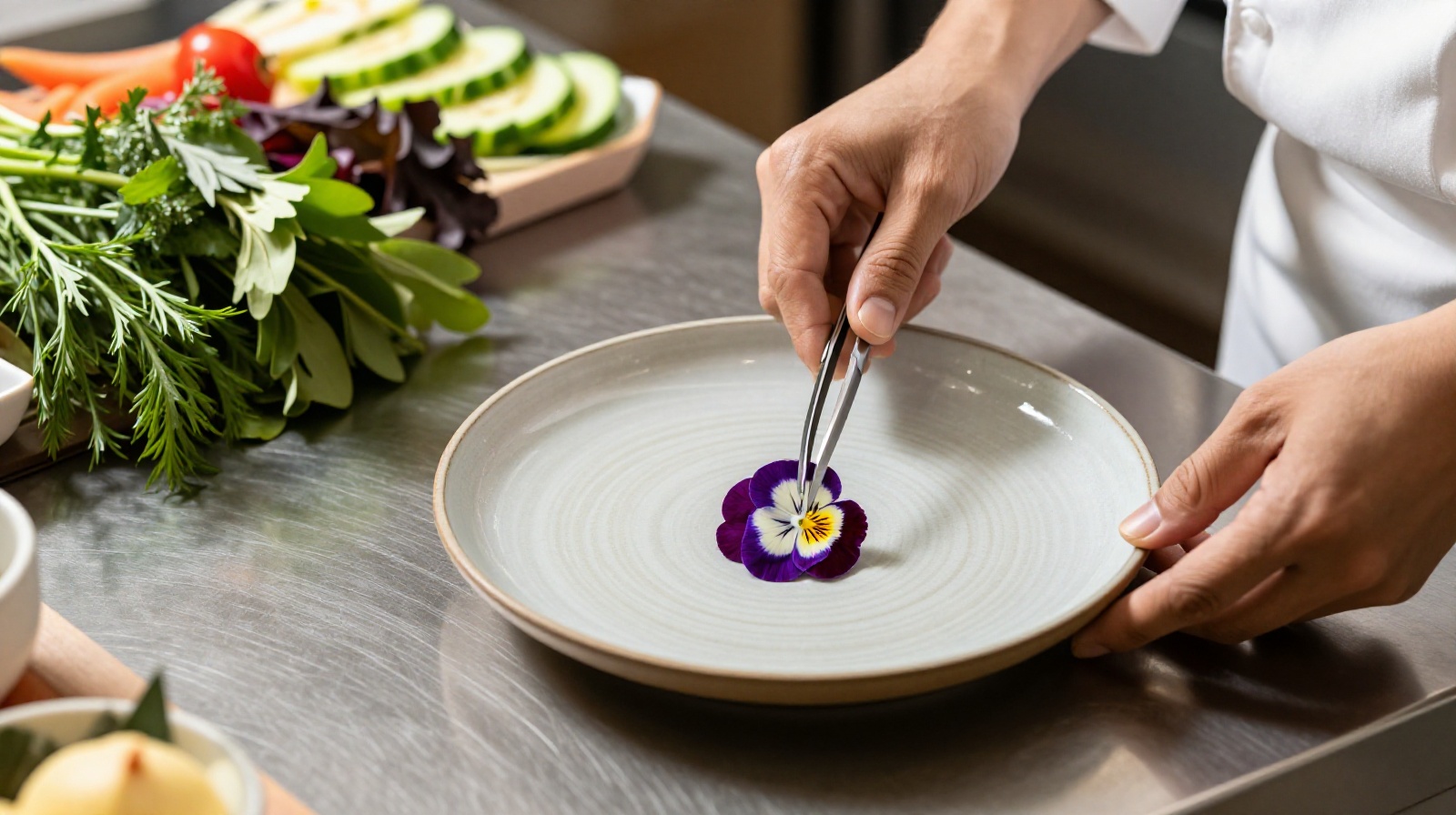
Take Jian Guo Li in Beijing or Song He Lou in Hangzhou. Here, the kitchen operates like an artisan’s studio. Chefs spend weeks sourcing specific varieties of rice from rural cooperatives or foraging for wild mushrooms in Yunnan. The plating is minimalist, often leaving large areas of negative space on the plate to highlight the natural color and texture of the food.
This approach draws heavily from traditional Chinese philosophy—specifically the concept of shi (time) and di (place). Food must be eaten in season. A dish featuring snow lotus flowers might only appear for a few days in winter; a bamboo shoot menu appears exclusively in spring. This scarcity creates desire, but not through artificial rarity—it comes from the natural rhythm of the earth.
A New Generation of Chefs
The architects of this shift are often chefs who have trained in France or Japan but returned to China with a deep respect for local heritage. They blend French techniques—like sous-vide cooking and precise emulsification—with Chinese flavors and historical context.
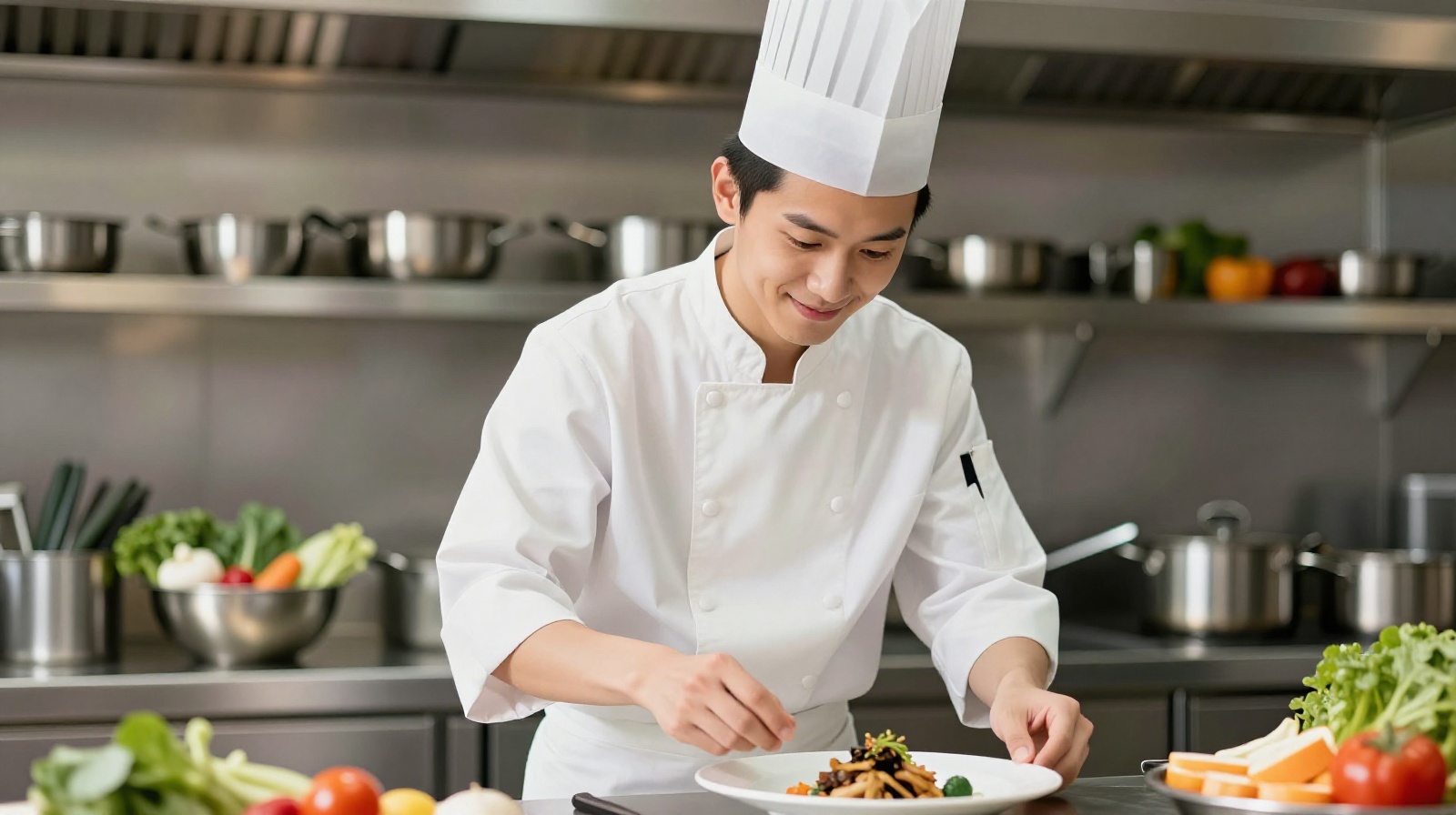
Consider the work of Chef Chen at Fu He Hui. One of his signature dishes is not a whole roasted duck, but a deconstructed version inspired by Ming Dynasty recipes. The skin is cured for 48 hours using tea leaves and citrus zest, then seared to a glass-like crispness. It is served with a broth made from aged ginger and white pepper, meant to evoke the warmth of a winter hearth.
This fusion is not about Westernization; it is about elevation. These chefs are proving that Chinese cuisine can stand shoulder-to-shoulder with Michelin-starred French or Japanese restaurants in terms of technical precision and artistic expression.
The Global Reception
International food critics have taken notice. Publications like Eater and Tasting Table frequently highlight Beijing and Shanghai as emerging global culinary capitals. The narrative has shifted from “China is industrializing” to “China is curating.”
For foreign visitors, this new dining scene offers a different window into Chinese society. It reflects a culture that is confident enough in its own history to reinterpret it, rather than just preserving it in amber. It shows a population that values experience over ostentation.
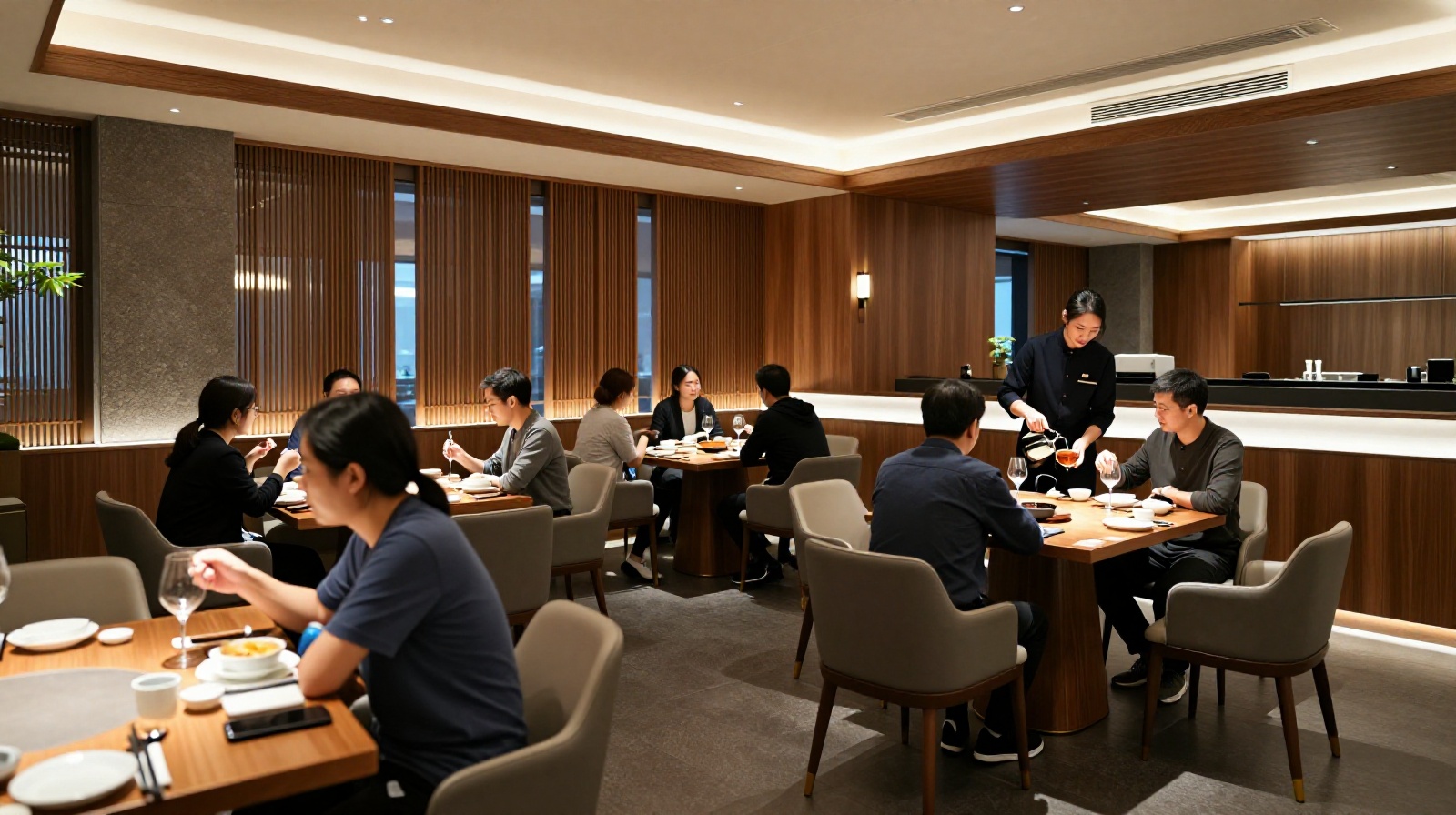
The rise of poetic cuisine also signals economic maturation. As the middle class expands, spending shifts from visible luxury goods (handbags, watches) to invisible experiences (wellness, art, fine dining). This is part of a broader global trend, but in China, it is happening at an unprecedented speed.
The Future of Flavor
As China’s culinary landscape continues to evolve, the definition of luxury is being rewritten. It is no longer about how rare or expensive an ingredient is, but how deeply connected it is to the land and the season.
This shift benefits everyone. Farmers in remote provinces find new markets for their unique produce. Chefs gain creative freedom to experiment. And diners, whether local or foreign, get to taste a China that is nuanced, modern, and quietly confident. The next time you sit down at a high-end restaurant in China, look past the menu prices. Look at the plate. You might just find poetry.