

The Morning Ritual in Shanghai
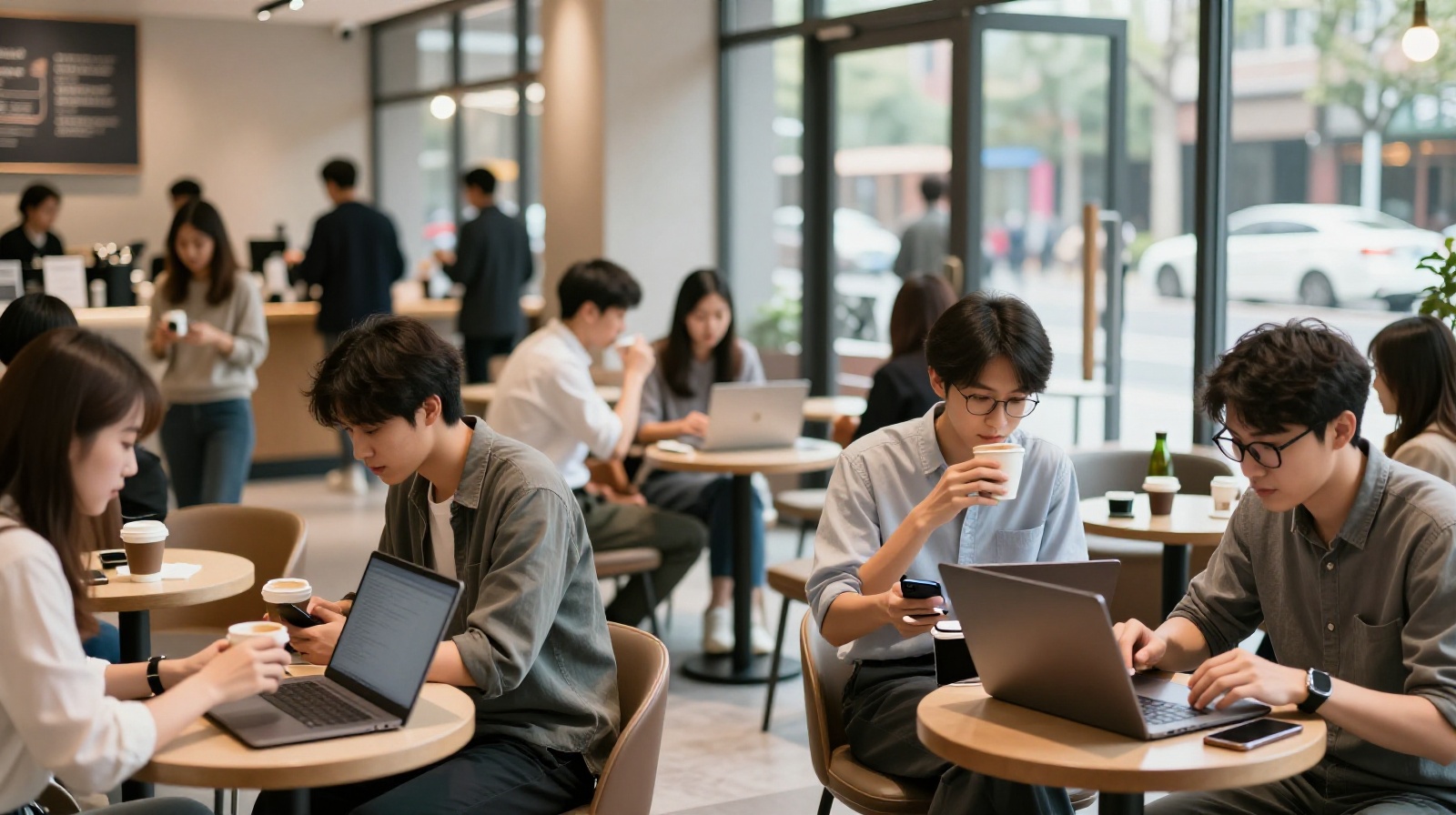
At 8:15 a.m., the air inside a minimalist coffee shop in Jing’an District, Shanghai, smells of roasted beans and freshly baked croissants. Outside, the humid spring breeze carries the sound of electric scooters and distant traffic. Inside, it is quiet but efficient. A young woman in business casual attire taps her phone against a reader; two seconds later, a notification pops up: Coffee ready for pickup. She doesn’t wait. She grabs a cup labeled “Oat Milk Latte” and walks out to join the rush of commuters heading to nearby office towers.

This scene is repeated millions of times daily across Chinese cities. For many outside China, coffee might still conjure images of Starbucks as an exotic luxury or a status symbol for the elite. But today, coffee in China has shed its exclusive skin. It has become mundane, practical, and deeply integrated into the urban rhythm. It is no longer about showing off; it is about survival, productivity, and connection.
The ‘Third Space’ as Urban Infrastructure
In tier-one cities like Beijing, Shanghai, and Shenzhen, apartment sizes are often compact. Many young professionals live in small rooms without dedicated home offices. The solution? Cafes have become their de facto third spaces—a term coined to describe places that are neither home nor work.
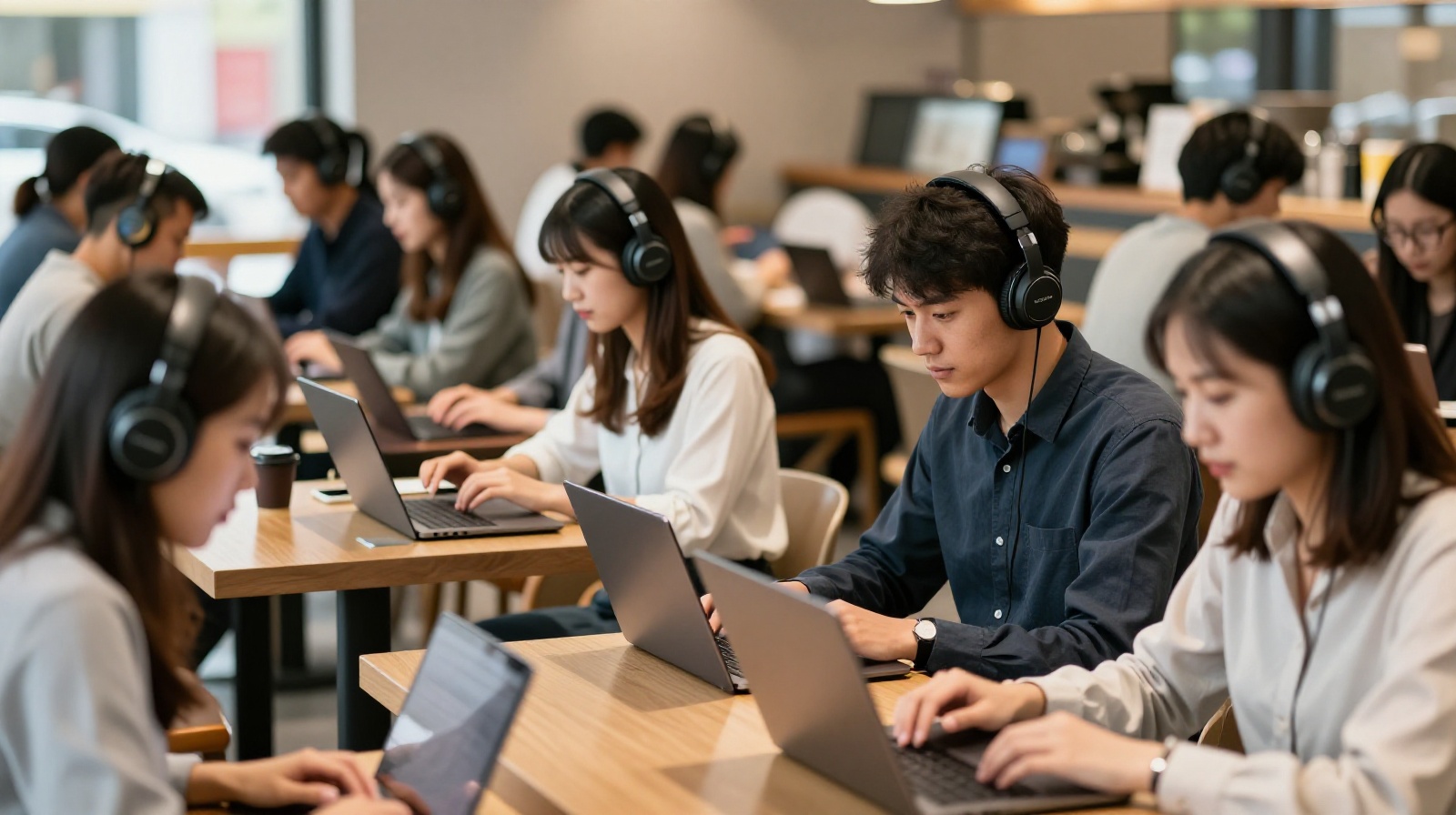
I visited a chain coffee brand near a tech park in Shenzhen on a Tuesday afternoon. The seating area was filled with people who looked like they were working, not just socializing. Laptops were open, noise-canceling headphones were worn, and the hum of keyboards competed with low-fi background music. Power outlets are placed strategically everywhere—under tables, along walls, even near restrooms. Wi-Fi speed is assumed to be fast; if it isn’t, customers leave.
For these urbanites, a coffee shop offers something their small apartments cannot: a quiet environment, reliable internet, and the social presence of other people without the pressure of direct interaction. It is a ‘work from anywhere’ culture that has found its physical anchor in the café sector.
Taste Buds Meet Tradition
If you ask a Chinese local what they order, they might surprise you. While black coffee and Americanos have their niche, the mainstream market favors sweeter, creamier profiles. This is where local culture reshapes the global standard.

Take the rise of ‘tea-infused’ coffees. In Hangzhou, a city famous for Longjing tea, cafes often serve Lapsang Souchong lattes or Green Tea Frappuccinos. In Chengdu, osmanthus-flavored drinks are seasonal staples. These aren’t gimmicks; they are adaptations to local palates that prefer aromatic complexity and lower bitterness.
Major chains like Luckin Coffee and independent roasters alike have mastered this hybridization. They blend Western brewing methods with ingredients familiar to Chinese consumers—milk tea bases, fruit purees, and traditional herbs. This localization has made coffee accessible to people who might otherwise find it too bitter or expensive.
The Invisible Hand of Digital Ecosystems
What makes the Chinese cafe experience distinct from New York or London is the seamless integration of digital life. You rarely see paper menus or cash registers.
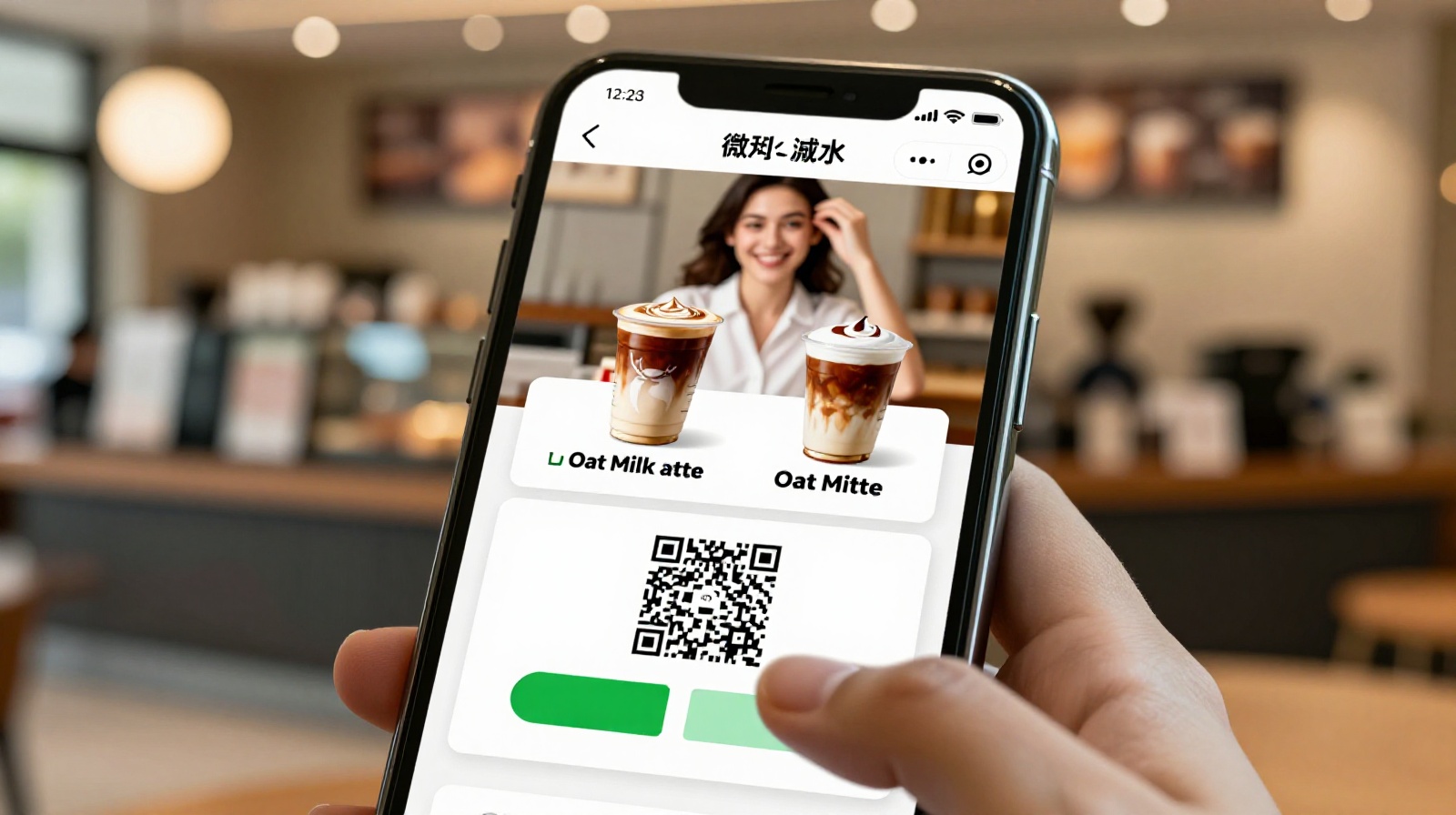
Ordering happens via WeChat mini-programs or dedicated apps before you even arrive. The system remembers your preferences: “Oat milk, extra hot, no sugar?” Payments are instant through QR codes. Loyalty points accumulate automatically, often triggering a free drink after just ten purchases.
This digital infrastructure has transformed the service dynamic. Baristas spend less time taking orders and more time pulling shots with precision. The interaction is minimal but efficient. For customers, it reduces friction. For businesses, it provides data on peak hours, popular flavors, and customer retention rates in real-time.
Neutral Grounds for Business and Life
Beyond utility, cafes serve as neutral social grounds. In China’s business culture, face-to-face interaction is still vital. But formal conference rooms can feel stiff. A cafe offers a relaxed setting for negotiations, interviews, or casual catch-ups with old friends.
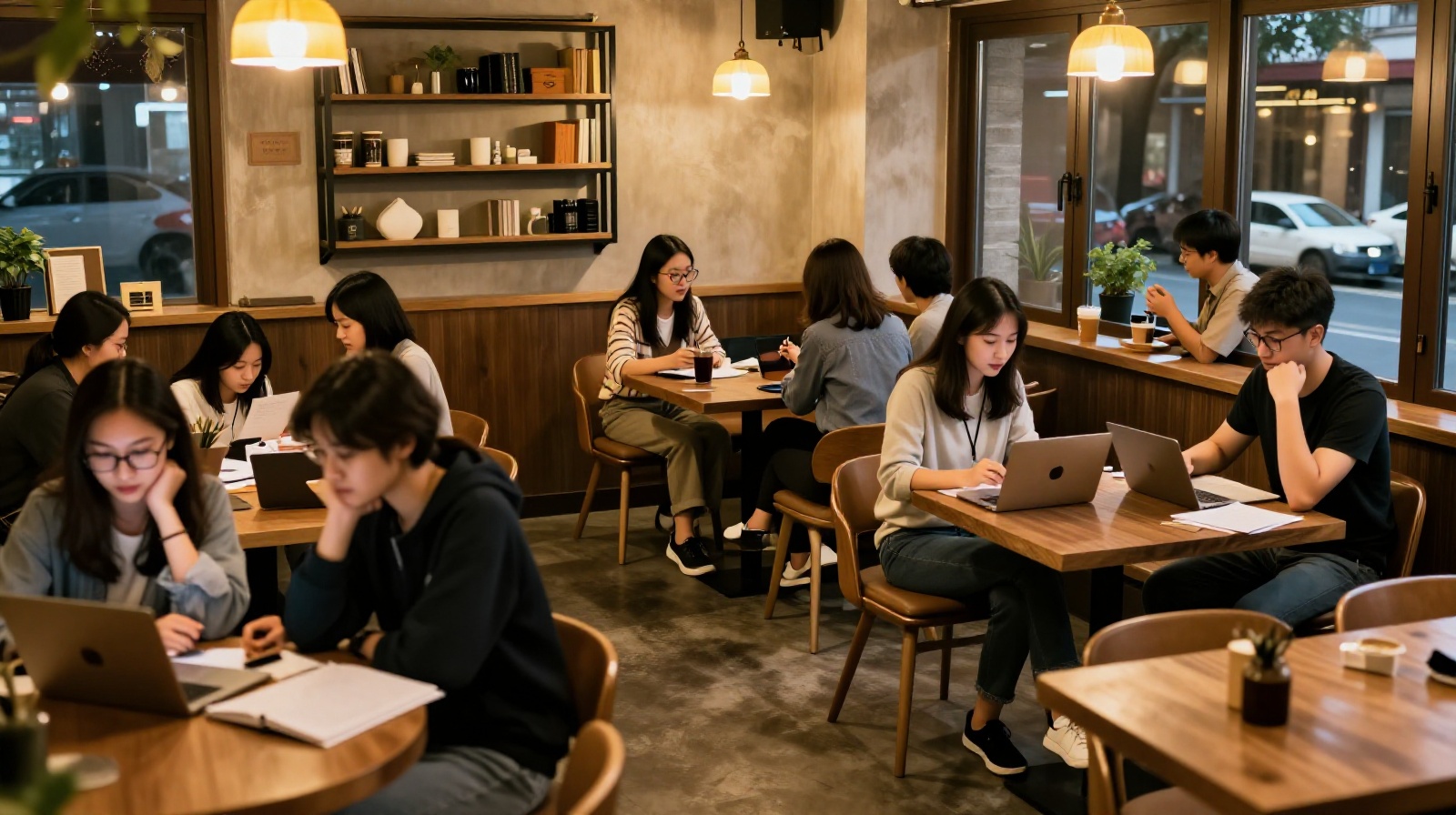
Walking into a popular independent cafe in Beijing’s Sanlitun district on a Friday evening, you’ll see a mix of demographics. Students study for exams in one corner, freelancers take video calls in another, and small business owners negotiate deals over matcha lattes at the window tables. The diversity reflects a broader societal shift: leisure time is no longer just about resting; it’s about optimizing productivity and maintaining social ties.
A Reflection on Modern Urban Life
The explosion of coffee culture in China tells a story of pragmatism and adaptation. It is not simply copying the West; it is reinventing the café for a high-speed, digital-first society. For young Chinese professionals, these spaces are sanctuaries of order in a chaotic world.
As China’s urban middle class continues to grow, so does the demand for these ‘third spaces.’ They are no longer just places to drink coffee; they are essential nodes in the network of daily life, where work, leisure, and commerce blur into a seamless experience.