

The Morning After the Baijiu Banquet
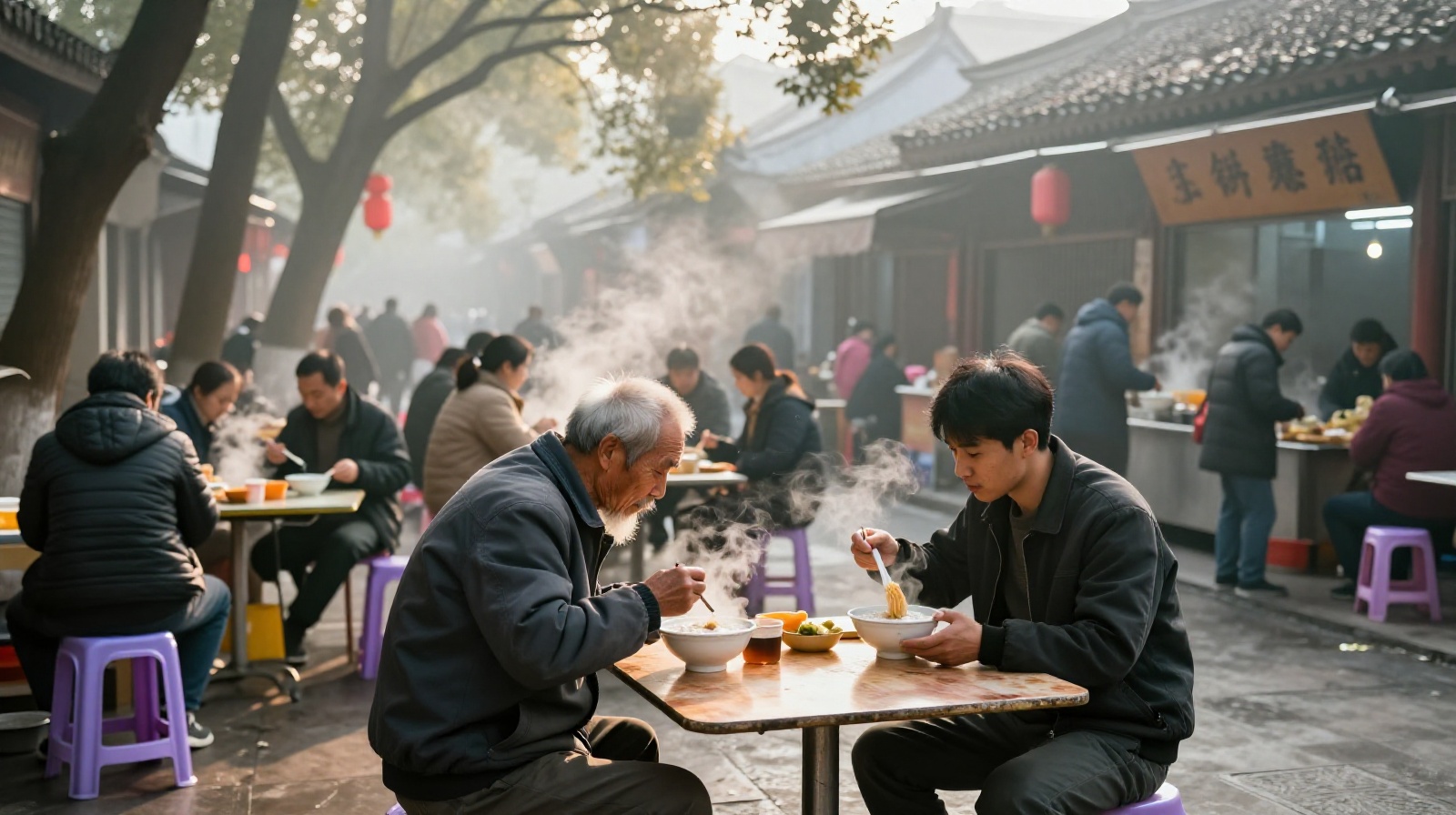
It is 6:30 a.m. in Beijing. The city is still waking up, but outside a small, steam-filled noodle shop in the Houhai district, a line has already formed. Inside, Li Wei, a 28-year-old software engineer, sits at a wobbly plastic table, rubbing his temples. Last night was a company annual meeting where baijiu—China’s potent distilled spirit—was flowed freely. Now, his stomach churns, and his head throbs with the weight of hundreds of toasts.
For Western readers, “hangover” might conjure images of greasy burgers or sugary donuts. In China, the cure is far more specific, regional, and deeply rooted in traditional medicine principles. The goal isn’t just calories; it’s restoration.
Not Just Food: A Cultural Ritual
In China, baijiu (白酒) is not merely a drink; it is the lubricant of social and business relationships. Drinking it is often seen as a test of loyalty and sincerity. However, baijiu typically ranges from 40% to 65% alcohol by volume. A single night of heavy drinking can leave the body dehydrated, blood sugar low, and the digestive system in shock.
This creates a unique cultural phenomenon: the “hangover breakfast.” It is not about indulgence; it is about survival and rebirth. These meals are designed to rehydrate, soothe the inflamed stomach lining, and replenish electrolytes lost during hours of sweating and urination.
Regional Cures for the Baijiu Blues
China’s vast geography means there is no single “cure.” Each region has developed its own antidote based on local ingredients and TCM (Traditional Chinese Medicine) beliefs about balancing “yin” and “yang” or clearing “heat” from the body.
Beijing: The Polarizing Fermented Soup
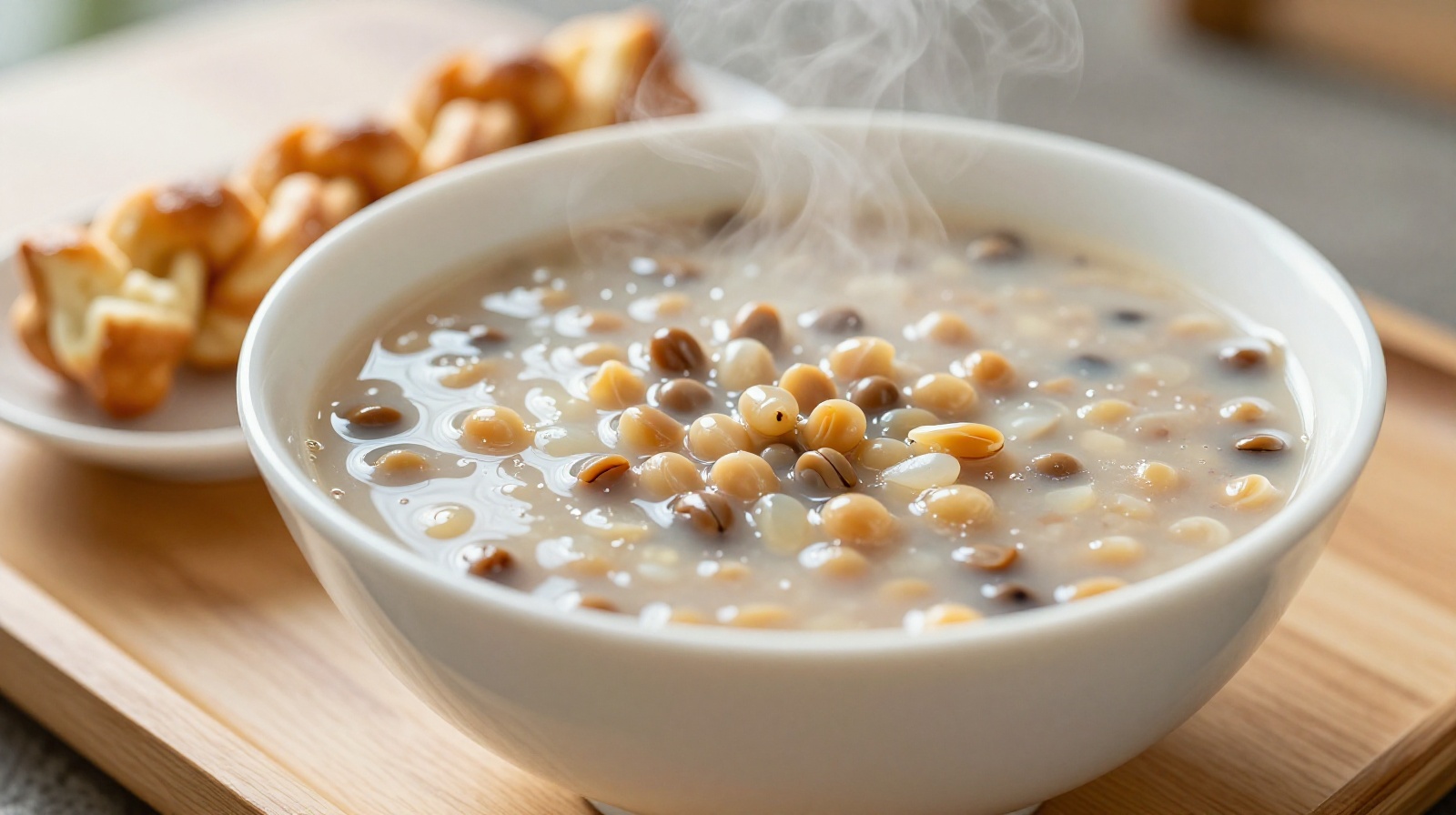
In Beijing, the ultimate hangover cure is a bowl of douzhi (豆汁儿), fermented mung bean milk, served with jiaoyuan (焦圈), small fried dough twists. To an outsider, douzhi smells pungent—often described as sour socks or rotten cabbage. But for locals, its slight acidity helps neutralize the alkaline residue of alcohol and settles the stomach.
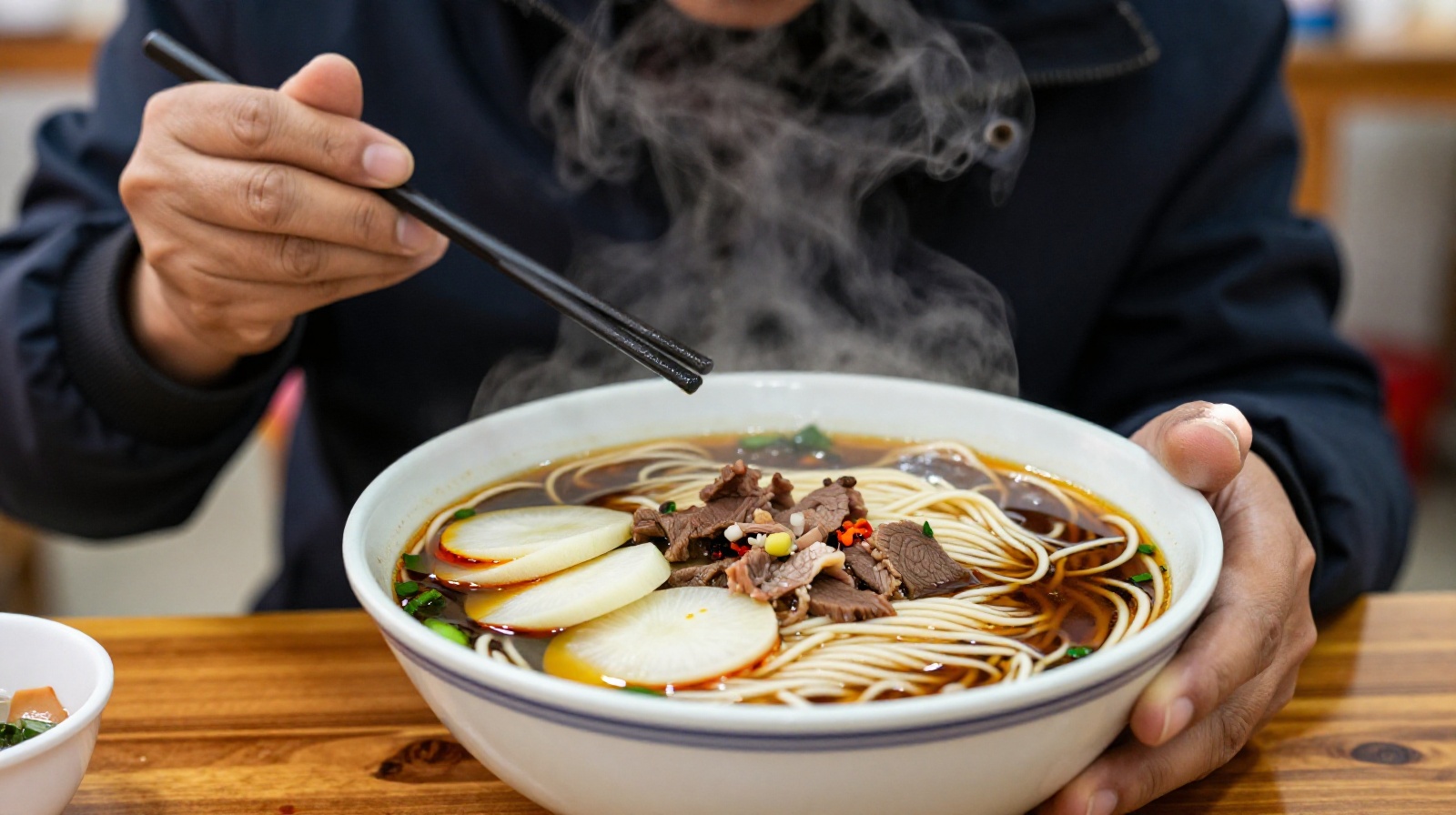
Likewise, in Xi’an, young professionals often seek out yangrou paomo (mutton bread soaked in broth). The rich lamb broth provides sodium and protein, while the soft bread is easy to digest. It’s a heavy meal, but one that feels like a warm hug for a cold, shaky morning.
The South: Gentle Nourishment
Head south to Guangzhou or Shenzhen, and the approach changes. Here, baijiu is often replaced by rice wine or beer in casual settings, but when it comes to recovery, the preference is for lightness. The go-to dish is jidi zhou (及第粥), a pork liver and meatball congee.
This rice porridge is cooked until the grains dissolve, creating a silky texture that requires minimal effort from a sensitive stomach. The addition of ginger provides warmth, while the lean protein helps stabilize blood sugar without causing nausea. It is the culinary equivalent of a soft blanket.
Science Meets Folk Wisdom
While these traditions feel ancient, they align surprisingly well with modern nutritional science. Alcohol inhibits vasopressin, leading to dehydration and electrolyte loss. The salty broths in northern China (like mutton or beef noodle soups) directly replace sodium. The simple carbohydrates in congee provide quick energy for the brain, which runs on glucose.
Furthermore, many of these breakfasts contain ingredients with anti-inflammatory properties. Ginger, scallions, and garlic—common in Chinese hangover meals—are known to aid digestion and reduce nausea. It is a practical application of “food as medicine,” a concept deeply embedded in Asian culture.
The Modern Shift: Fast Food vs. Tradition
However, the ritual is evolving. For today’s urban youth in Shanghai or Chengdu, time is often more valuable than tradition. If you visit these cities at 7 a.m., you might see young people skipping the slow-cooked congee in favor of convenience.

Convenience stores like FamilyMart and Lawson are now stocked with electrolyte drinks, warm soy milk, and pre-packaged sandwiches. Some even opt for “hair-of-the-dog” tactics—grabbing a quick breakfast before heading to work to stave off withdrawal symptoms. Yet, despite these modern shortcuts, the communal aspect of recovery remains. Colleagues who drank together often still visit the same local stall, not just for the food, but to bond over the shared ordeal of the previous night.
A Bowl of Solidarity
Ultimately, what Chinese people eat after drinking baijiu is less about a specific recipe and more about comfort. It is a moment of vulnerability where professional masks are removed, and the body’s basic needs take precedence. Whether it’s the pungent smell of fermented bean soup in Beijing or the gentle steam of congee in Guangzhou, these meals represent a collective agreement: no matter how hard you fall, there is always something warm to eat when you wake up.