

The Global Ritual of Midnight Snacking
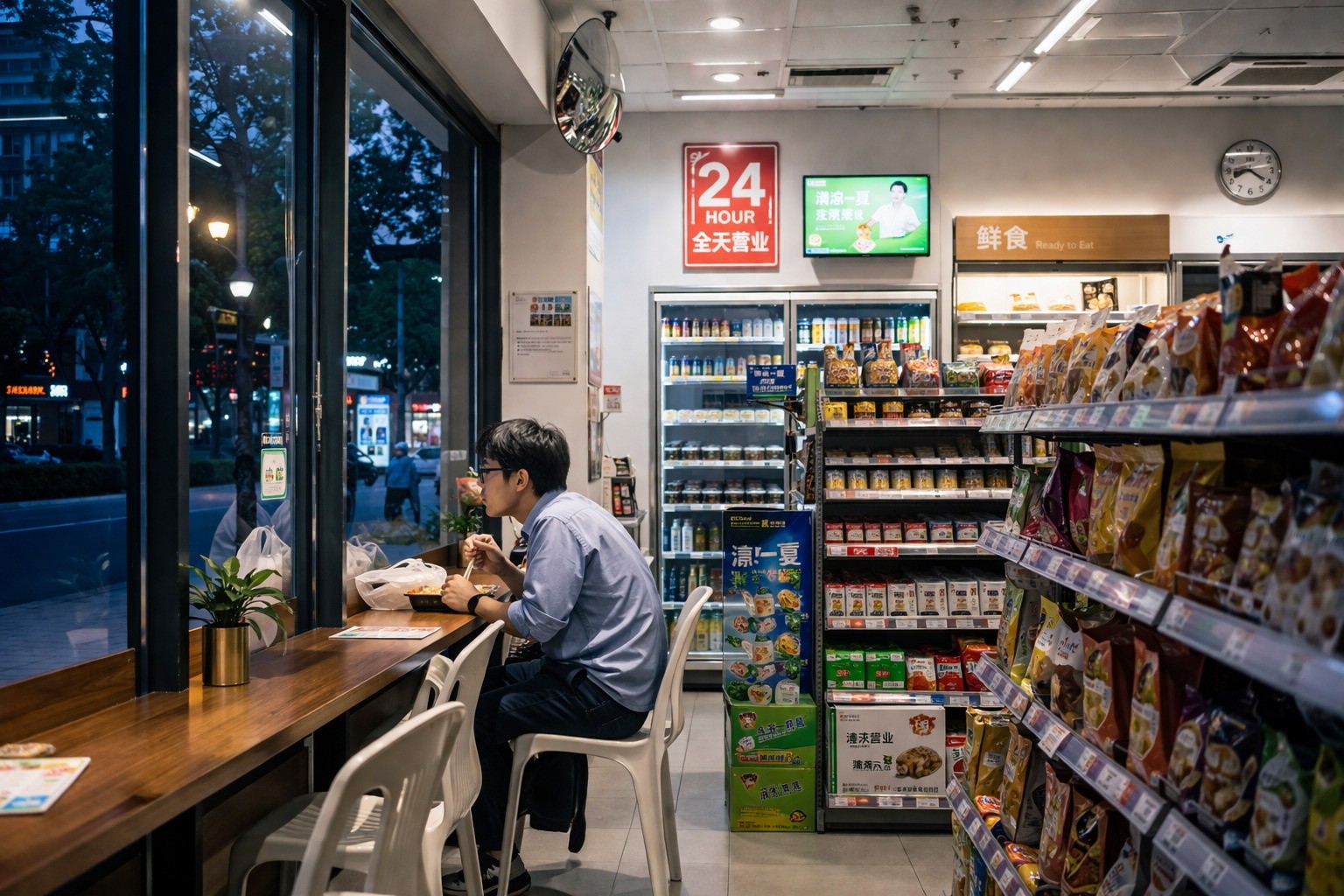
At 1:45 AM in Shanghai, the air outside is cool and damp. Inside a brightly lit FamilyMart, the fluorescent lights hum softly. The smell of microwaved bento boxes mixes with the sharp scent of freshly brewed coffee. For Li Wei, a software engineer who just wrapped up a sprint review, this isn’t just a shop; it’s a temporary shelter from the silence of his apartment and the pressure of his code.
Convenience stores in China have evolved far beyond their origins as simple retail outlets. They are now vital urban infrastructure—a “third space” between home and office where millions find solace after dark. While global brands like 7-Eleven, Lawson, and FamilyMart dominate the landscape, they have adapted to local rhythms with incredible speed. These stores operate on a 24/7 basis, serving as lifelines for a city that never truly sleeps.
The New Night Shift: Who is Still Awake?
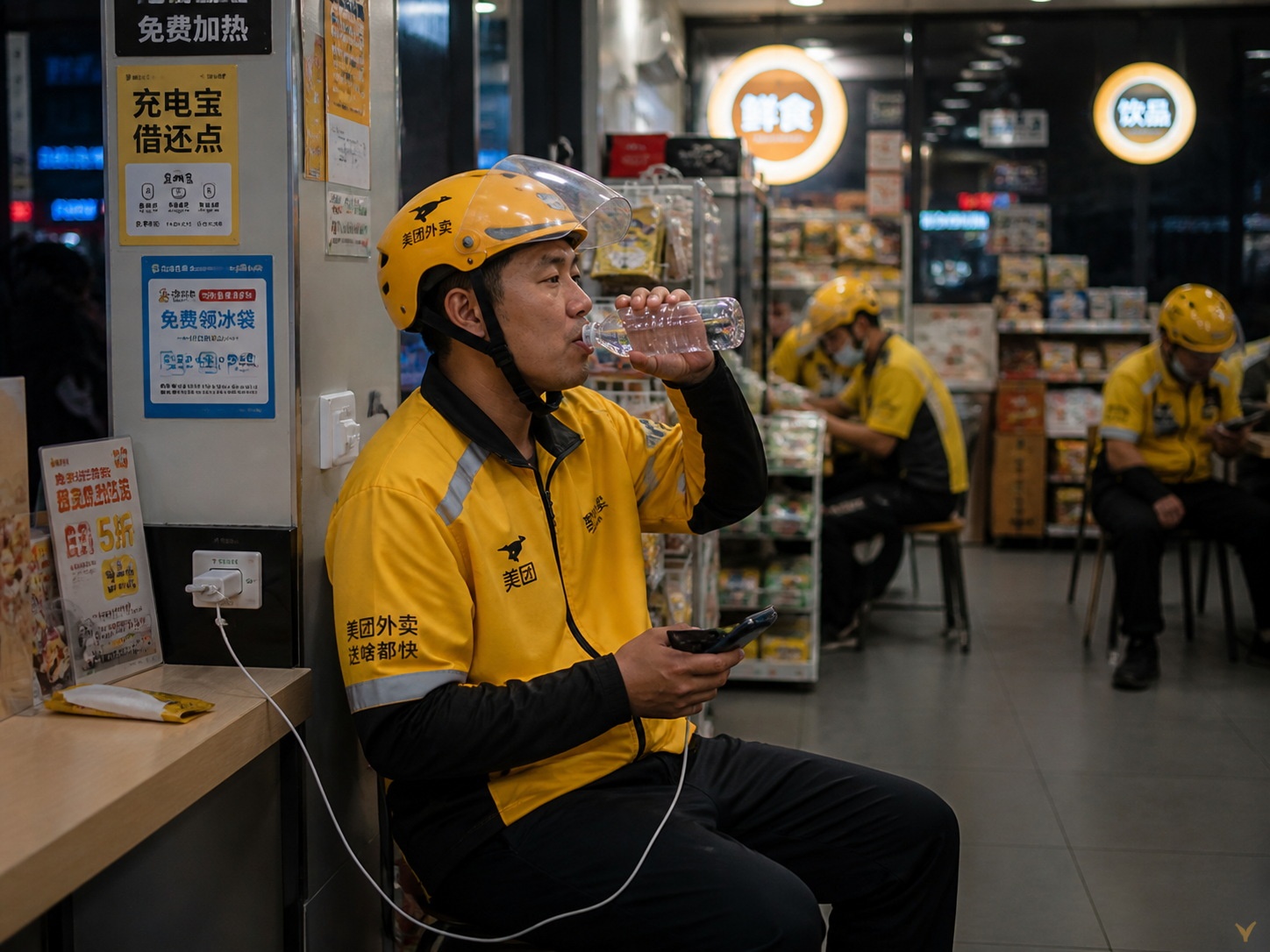
If you walk through these aisles at 2 AM, you will encounter a specific cross-section of modern Chinese society. The first group you’ll see are the delivery riders. Dressed in bright yellow or blue uniforms, they often pause here not just to buy water, but to rest. They charge their phones, warm up instant noodles using the store’s hot water dispensers, and sometimes share a brief nod with other riders waiting for orders.
Then there are the white-collar workers. In cities like Shenzhen and Hangzhou, the “996” work culture (9 AM to 9 PM, six days a week) is still prevalent in many tech firms. For them, the convenience store is an extension of the office—a place to buy energy drinks, grab a quick dinner when takeout is too slow or expensive, and escape the noise of co-workers.
Finally, there are the insomniacs and night owls. Students studying for exams, parents with newborns, or simply those who can’t sleep in crowded cities find comfort here. The store offers a rare sense of community without the need for small talk. You can sit on the plastic chairs by the window, eat your meal, and feel connected to others who are also awake, without having to interact if you don’t want to.
More Than Merchandise: Tech-Driven Human Touch
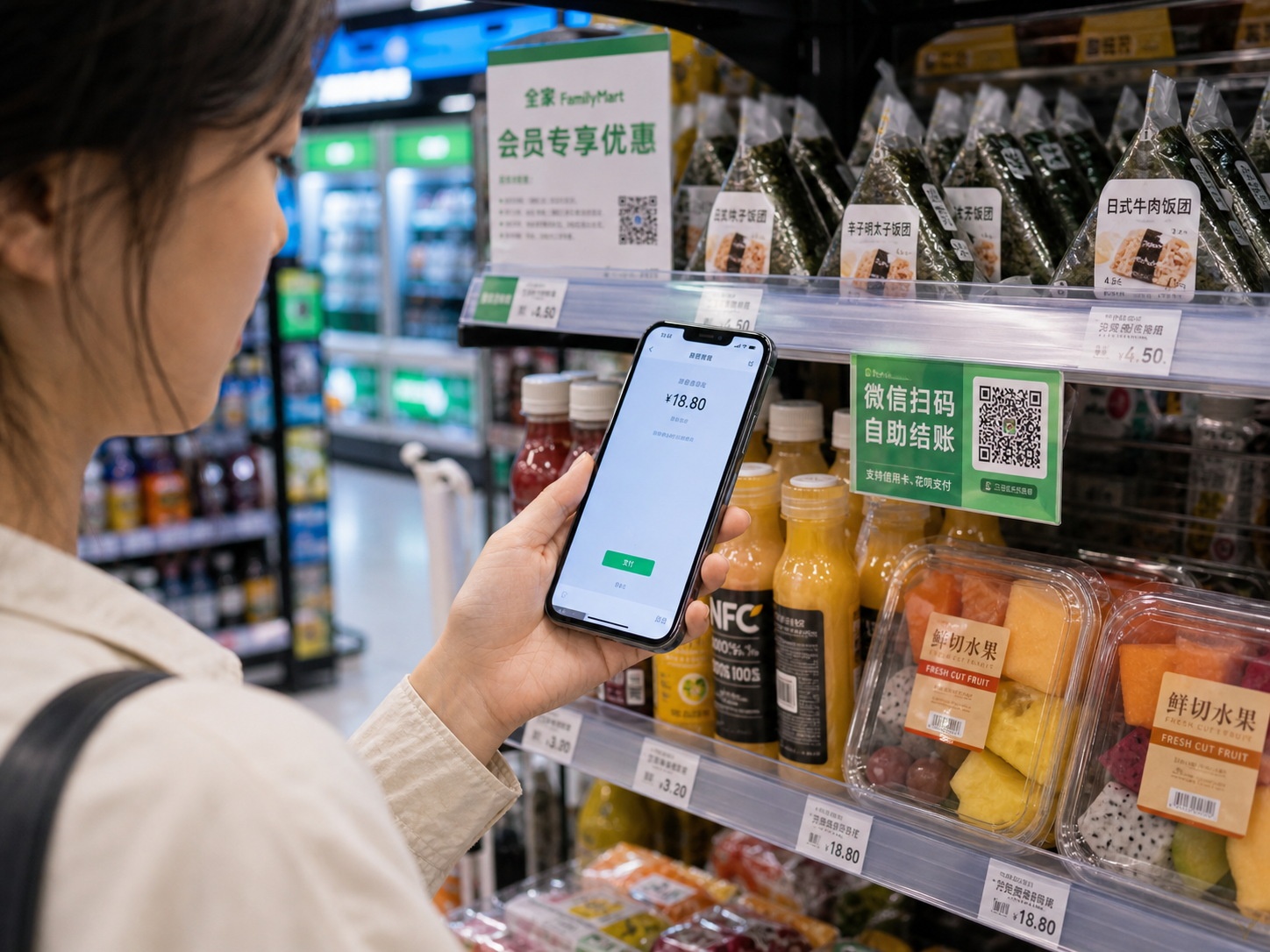
What makes Chinese convenience stores distinct is their seamless integration with digital life. You won’t see long queues at checkout counters; most customers use mobile payments via WeChat or Alipay, scanning QR codes on the shelf tags themselves. This frictionless experience reflects a broader trend in China where technology serves daily needs invisibly.
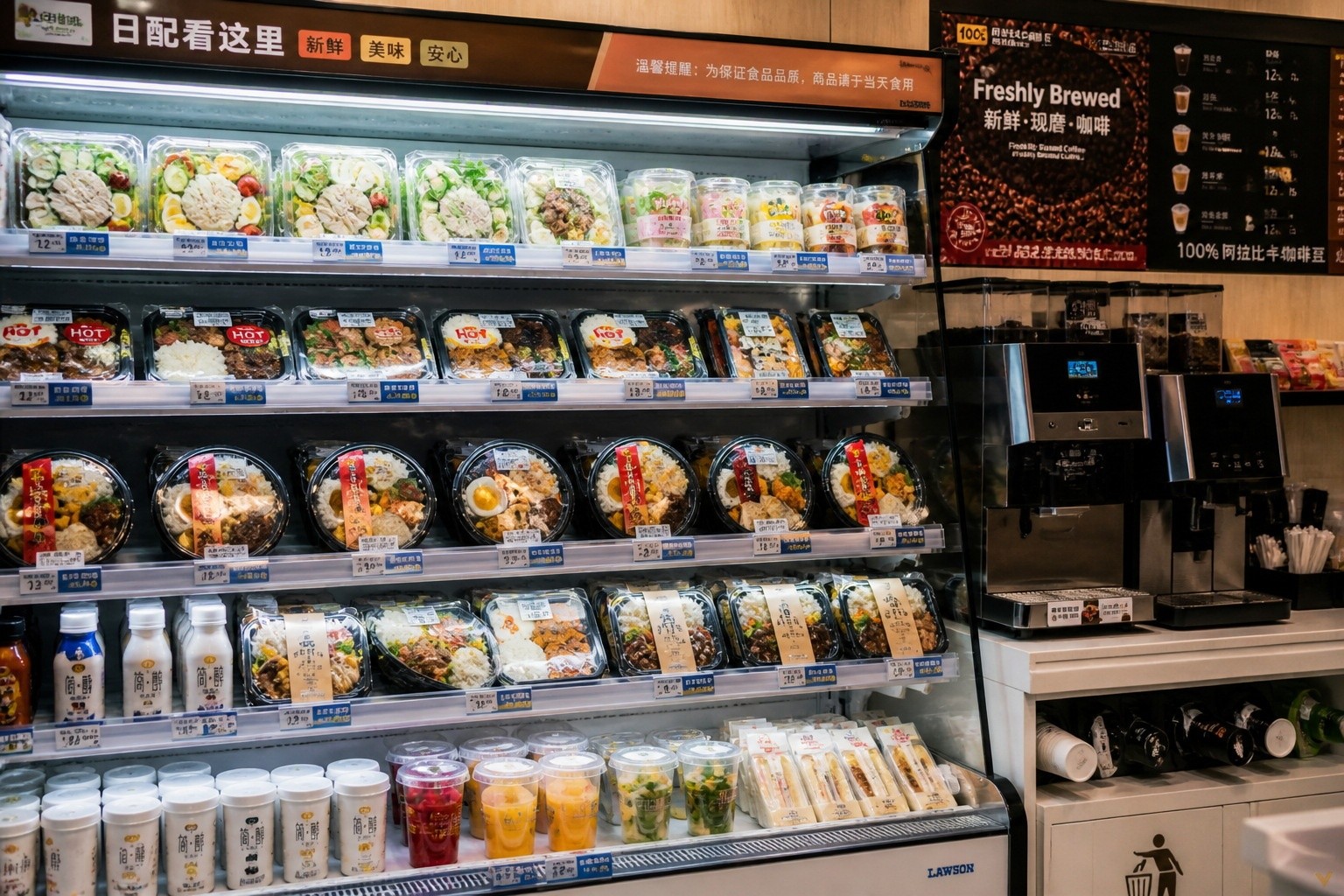
But it’s not just about speed. The stores are increasingly using data to curate human-centric experiences. Smart shelves adjust prices dynamically based on expiration dates, reducing waste. AI-powered cameras monitor foot traffic to optimize staffing during late-night shifts. Meanwhile, the product range has expanded to include fresh coffee from high-end machines, ready-to-eat salads, and even hot meals prepared in-store daily.
The Evolution of Taste: From Instant Noodles to Fresh Food
Gone are the days when convenience store food meant only instant noodles and sugary snacks. Today’s Chinese consumer demands quality and health. The rise of “fresh food” sections—featuring bento boxes, onigiri (rice balls), and freshly baked sandwiches—mirrors a growing middle class that values both speed and nutrition.
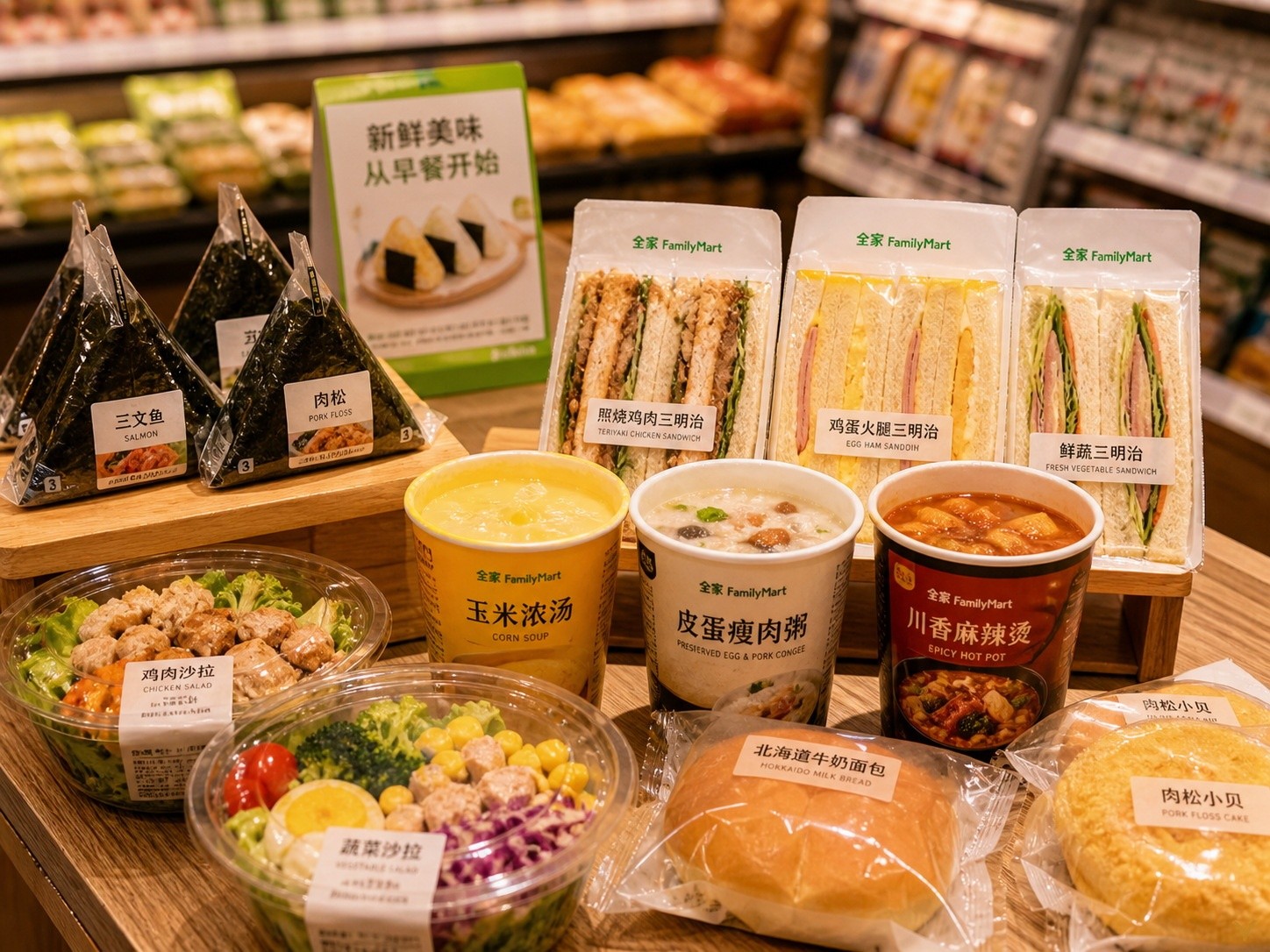
This shift isn’t accidental. Chains like Lawson have pioneered local supply chains to ensure freshness, often delivering multiple times a day. Local brands have also emerged, offering regional specialties like spicy chicken skewers or traditional soy milk alongside global staples. It’s a fusion of convenience and culinary pride, reflecting how Chinese urbanites balance modern efficiency with cultural taste.
A Pulse Check on Modern China
China’s 24-hour convenience stores are more than retail spaces; they are microcosms of the country’s economic vitality and social resilience. They show a nation that is hyper-connected, fast-paced, yet deeply human in its needs for warmth and sustenance.
In a world where loneliness can feel amplified by digital screens, these brightly lit aisles offer a quiet solidarity. Whether you’re a delivery rider taking a breath, a tech worker burning the midnight oil, or a student chasing a deadline, the convenience store is there. It’s a small, warm light in the vast dark of the city—a testament to the simple, universal need for a late-night meal and a moment of peace.