
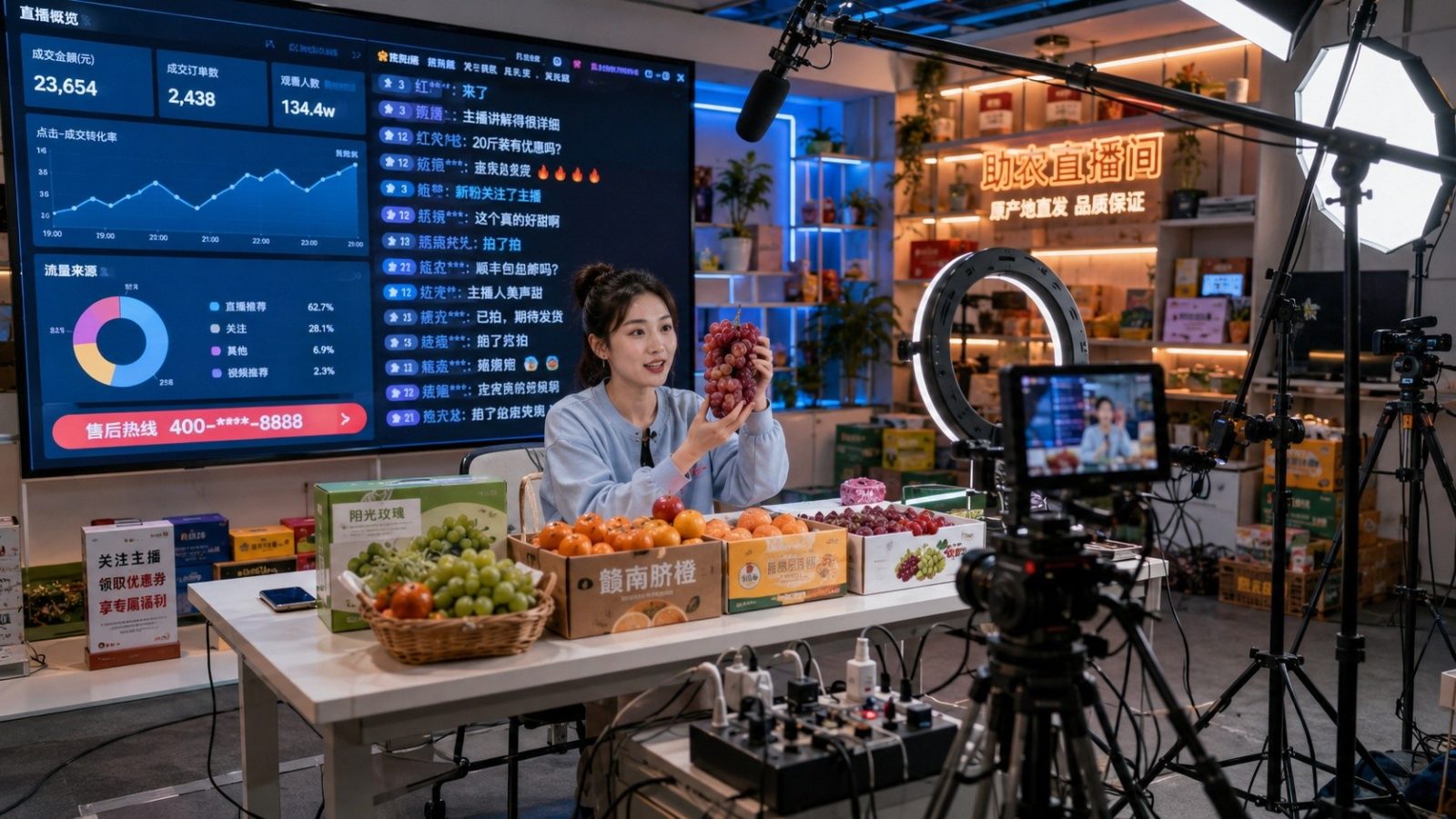

The New Shopping Experience: A Digital Night Market
At 8:00 PM on a Tuesday, the sun has long set over Hangzhou, but inside a brightly lit studio in Yiwu, it is peak hour. The air hums with the low buzz of cooling fans and the rapid-fire cadence of a host who hasn’t blinked in three hours. She holds up a basket of fresh loquats, their yellow skins glowing under ring lights. “Three, two, one—link is live!” she shouts, her voice cracking slightly from excitement.
On screens across the country, thousands of young office workers pause their dinner prep or scroll through social feeds to watch. They aren’t just buying fruit; they are participating in a real-time digital auction where the currency is attention and the prize is a sense of connection. This is live streaming commerce, the beating heart of China’s e-commerce ecosystem.
Unlike traditional Western e-commerce, which relies on search bars and static product pages, Chinese live shopping is discovery-based. You don’t go there looking for a specific toaster; you go to be entertained, and perhaps you buy a toaster because the host made it sound like the best kitchen companion of the year. It is commerce disguised as entertainment, or entertainment monetized through commerce.
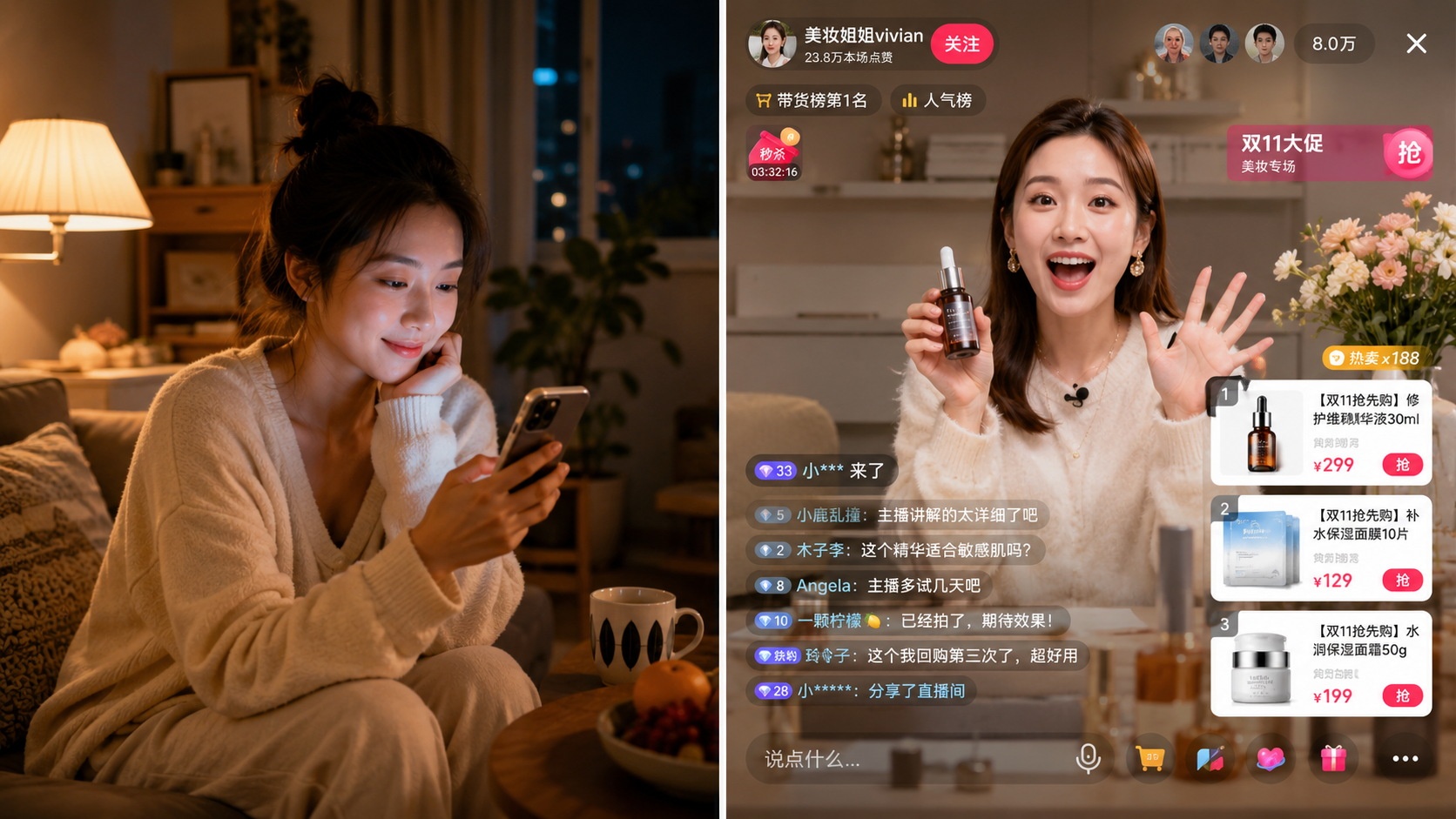
The Psychology of Connection: Why Watch?
Why do millions of people spend hours watching strangers sell goods? The answer lies in a concept psychologists call parasocial relationships. In the dense urban landscapes of China, where loneliness among young professionals is a growing concern, the livestreamer becomes a digital friend.
When a host says, “I tested this shampoo on my own hair for three months before recommending it,” they are building trust. Viewers feel they are shopping alongside a knowledgeable peer rather than being pitched by a faceless corporation. This is social shopping. The chat box becomes a community center, where users share tips, joke about the weather, and cheer on the host’s sales records.
This dynamic flips the traditional consumer psychology script. In the past, brands demanded attention through expensive TV ads. Now, consumers give their attention freely to hosts they trust, turning passive viewers into active participants. The transaction is secondary to the relationship; the purchase is just the receipt for that social interaction.
From Products to Stories: The Rise of Content Commerce
The content ecosystem behind these streams is vast and varied. It’s no longer just about shouting prices. Today, content-driven shopping in China relies on narrative depth. Brands are shifting from hard selling to storytelling, often showing the raw reality behind the product.

Consider a streamer broadcasting live from a tea plantation in Fujian province. The camera isn’t fixed on a table; it follows the host as they climb steep hillsides, plucking leaves with calloused hands. The background noise is wind and birdsong, not studio music. Viewers buy the tea not just for its taste, but to support the farmer’s livelihood and experience a moment of rural tranquility in their busy city lives.
This trend extends to manufacturing hubs too. In factories across Guangdong, hosts walk viewers through clean rooms where workers assemble electronics with surgical precision. The “transparency” becomes the selling point. By revealing the supply chain, brands alleviate consumer anxiety about quality and safety, turning the factory floor into a stage for trust-building.
The Infrastructure Behind the Scenes
What makes this seamless? It is not just charisma; it is an infrastructure built over two decades of digital evolution. China’s logistics network can deliver goods from a rural warehouse to a city apartment in under 48 hours, often cheaper than shipping within Europe.
This efficiency has democratized opportunity. A small farmer in Yunnan can now reach millions of consumers in Shanghai or Beijing without middlemen. The barriers to entry are low: a smartphone, good lighting, and an internet connection. This has created a new gig economy where “influencers” are as common as taxi drivers.
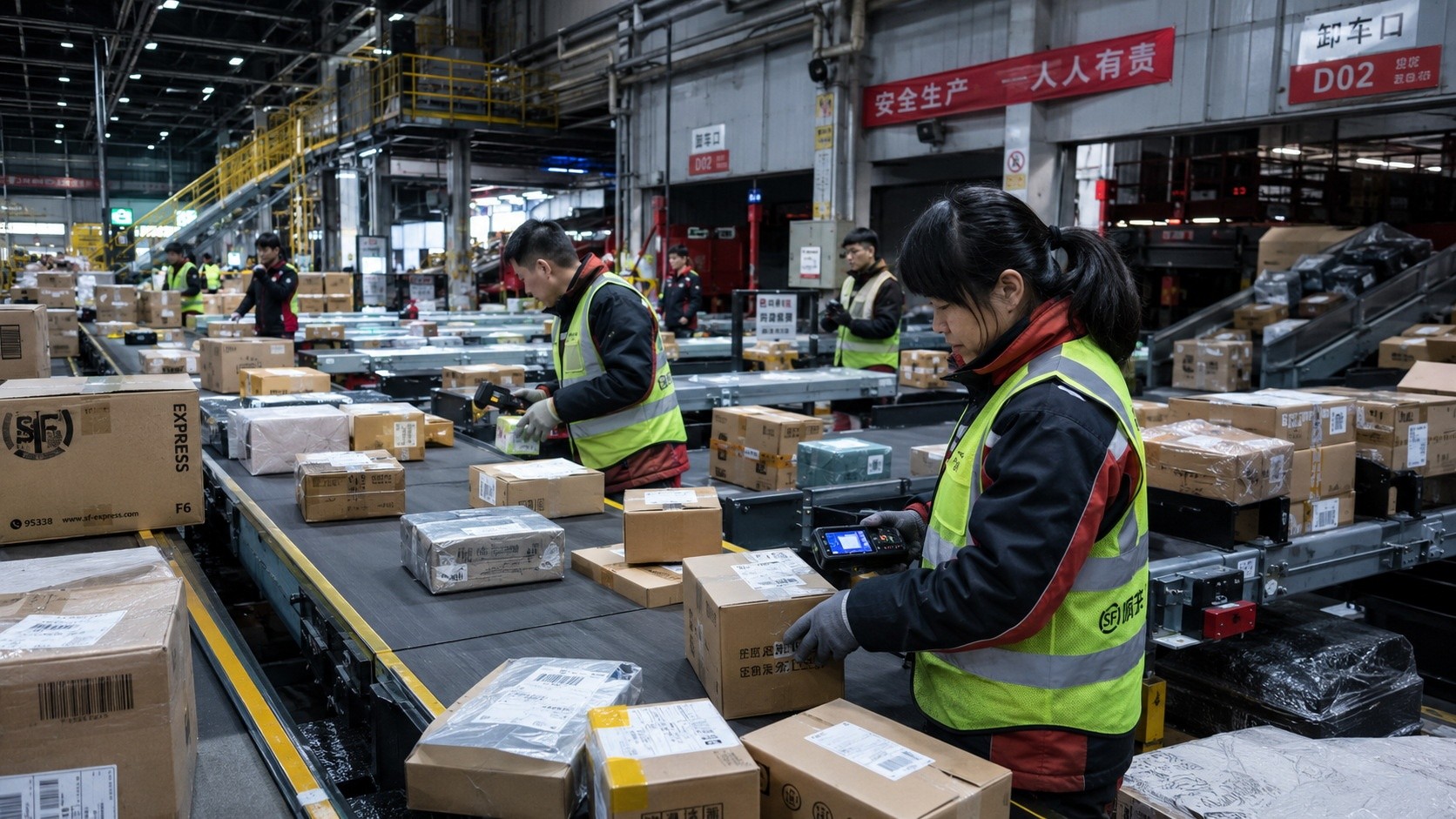
However, this system is not without its complexities. The pressure on hosts to maintain high energy levels for hours leads to burnout. Algorithms dictate visibility, forcing sellers to constantly adapt their content to stay relevant. For consumers, the blur between entertainment and shopping can sometimes lead to impulse buying, prompting calls for better consumer protection regulations.
A Mirror to Modern Chinese Life
Live streaming commerce is more than a sales channel; it is a mirror reflecting broader societal shifts. It shows a population that is highly digitally literate, eager for community, and skeptical of traditional advertising. It blends the ancient Chinese tradition of market haggling with cutting-edge technology.
For outsiders, understanding this phenomenon offers a key to unlocking modern China’s consumer culture. It reveals a society where commerce is deeply social, where trust is peer-to-peer rather than institution-driven, and where the digital and physical worlds are seamlessly intertwined. As you watch your next livestream, remember: you’re not just buying a product; you’re joining a conversation that defines how millions of Chinese people live, work, and connect today.