

A Meatball with a History Lesson
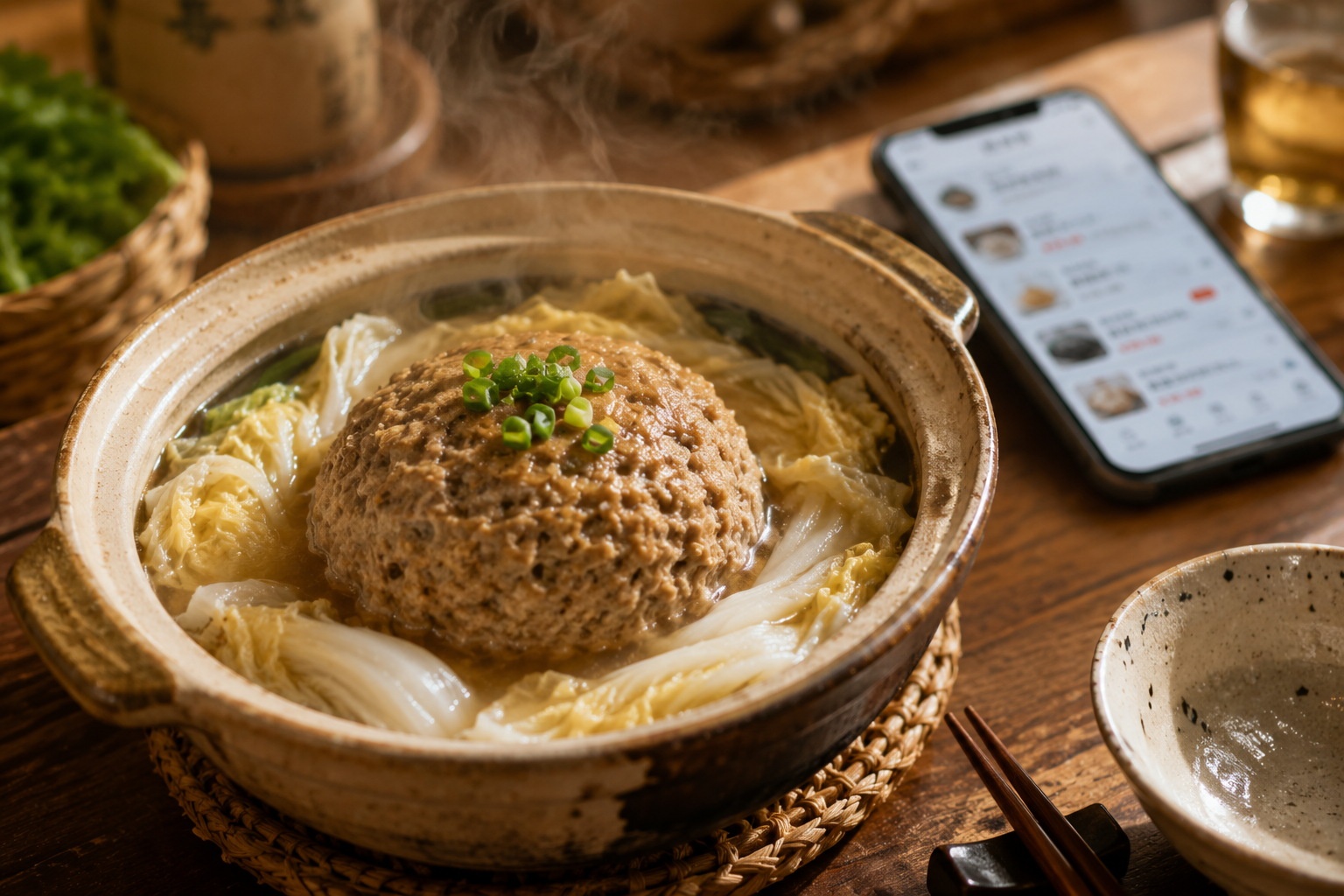
Imagine a meatball the size of a grapefruit. Now imagine it so tender that you don’t need a knife to cut it—just the gentle pressure of a spoon. This is Shizitou, or “Lion’s Head,” one of China’s most famous dishes, originating from the Huaiyang cuisine of Jiangsu province.
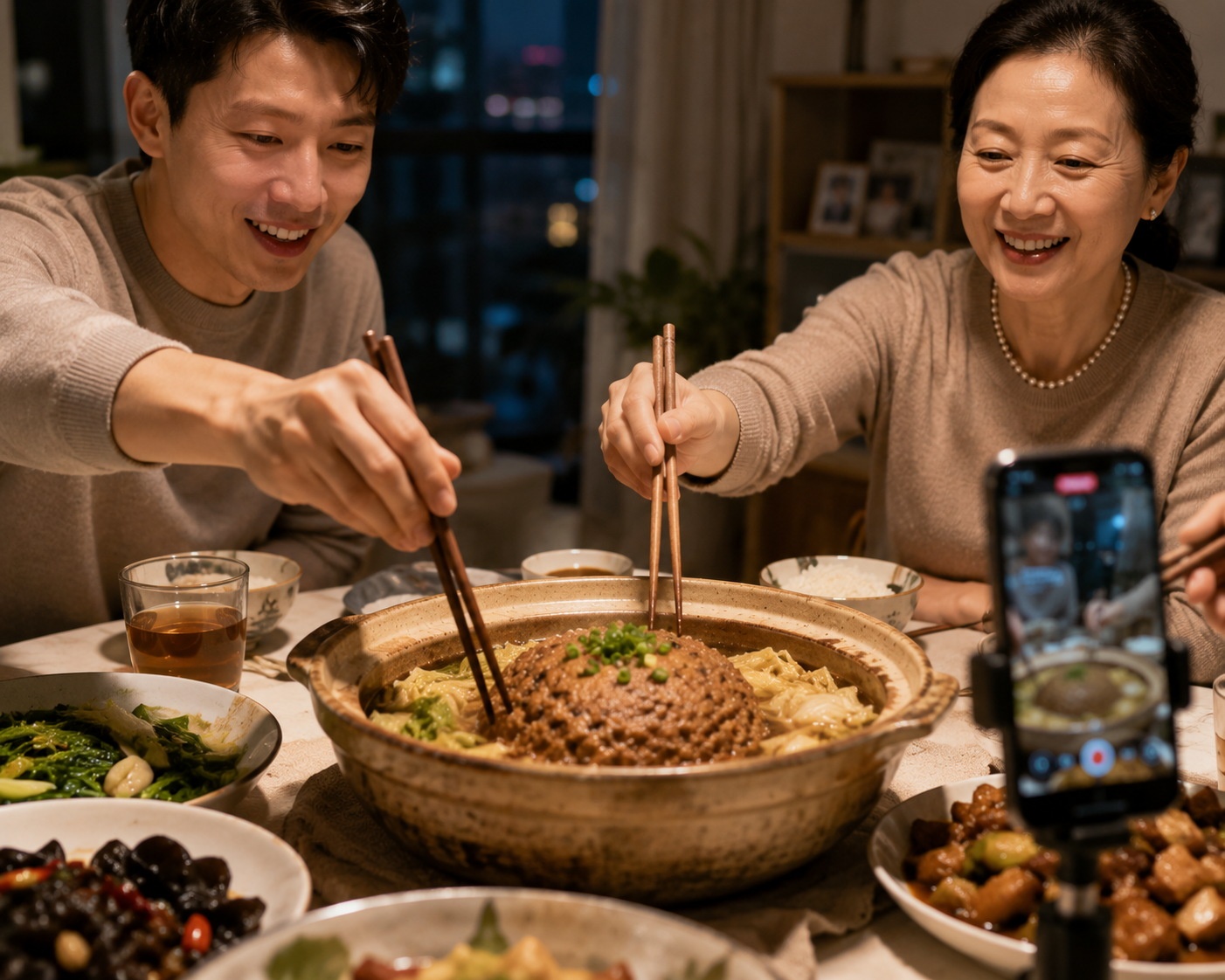
For many foreigners, “Lion’s Head” sounds intimidating. The name comes from the dish’s resemblance to a lion’s head when served in a large clay pot with winter cabbage. But the reality is far softer. It’s a symbol of reunion, traditionally served during Spring Festival and family gatherings. Today, however, this centuries-old tradition is undergoing a quiet revolution, adapting to the tastes of a new generation.
The New Texture: Lighter, Cleaner, Modern
Li Wei, a 28-year-old graphic designer in Nanjing, remembers her grandmother’s version vividly. “It was delicious, but heavy,” she says. “You’d eat two bites and feel full. It was the taste of love, but also of indulgence.”
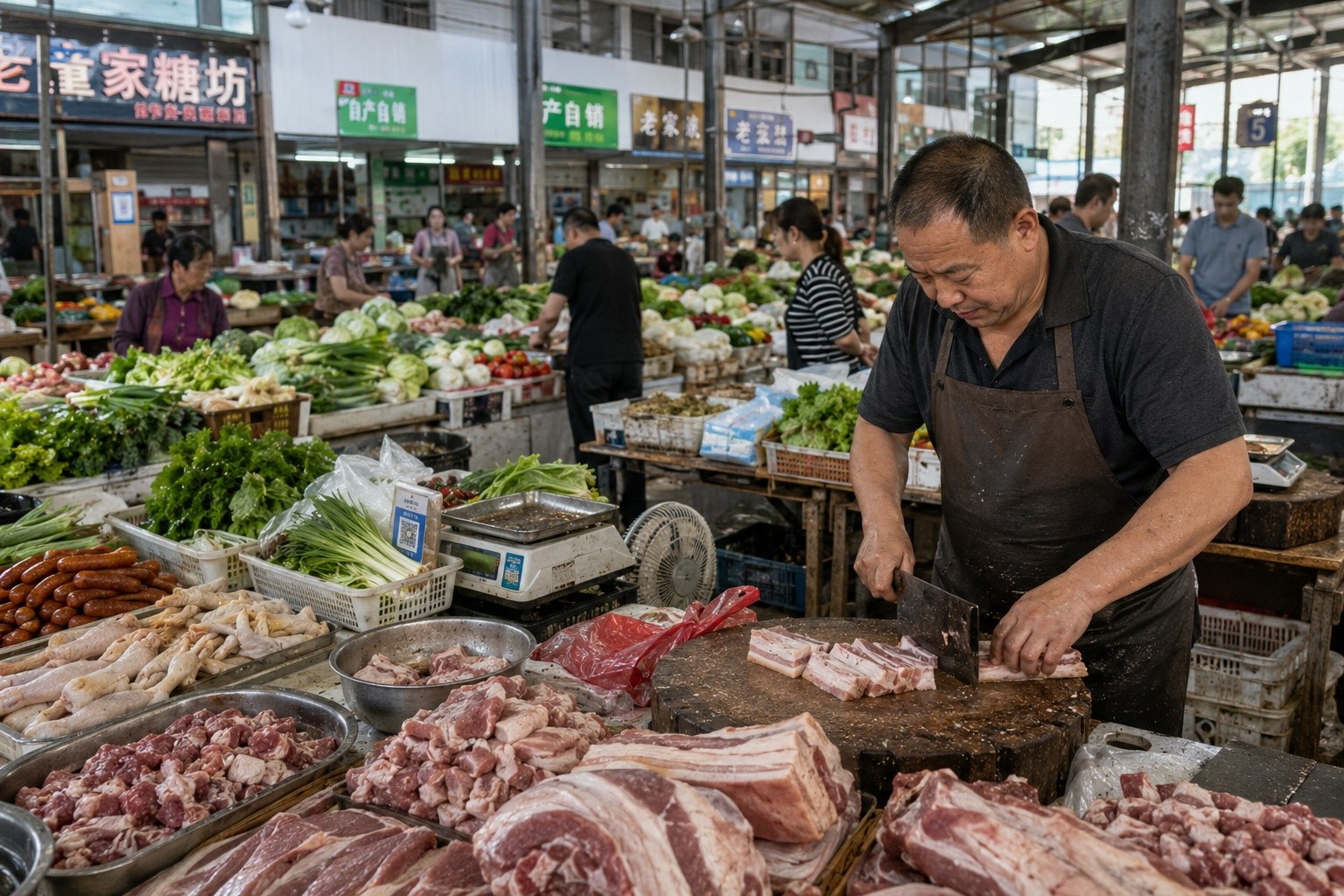
Traditional Shizitou relies on a high ratio of pork fat to lean meat (often 7:3 or even 8:2) to achieve its signature “melt-in-your-mouth” texture. But as health consciousness rises among Chinese consumers, Li and her peers are tweaking the recipe.
Now, many home cooks and restaurants use a 5:5 ratio, adding ingredients like water chestnuts for crunch or crab roe for umami. Some even incorporate mushrooms to reduce fat content while maintaining juiciness. The result is a dish that feels familiar yet modern—less about heavy indulgence and more about refined flavor.
From Wet Markets to Digital Wallets
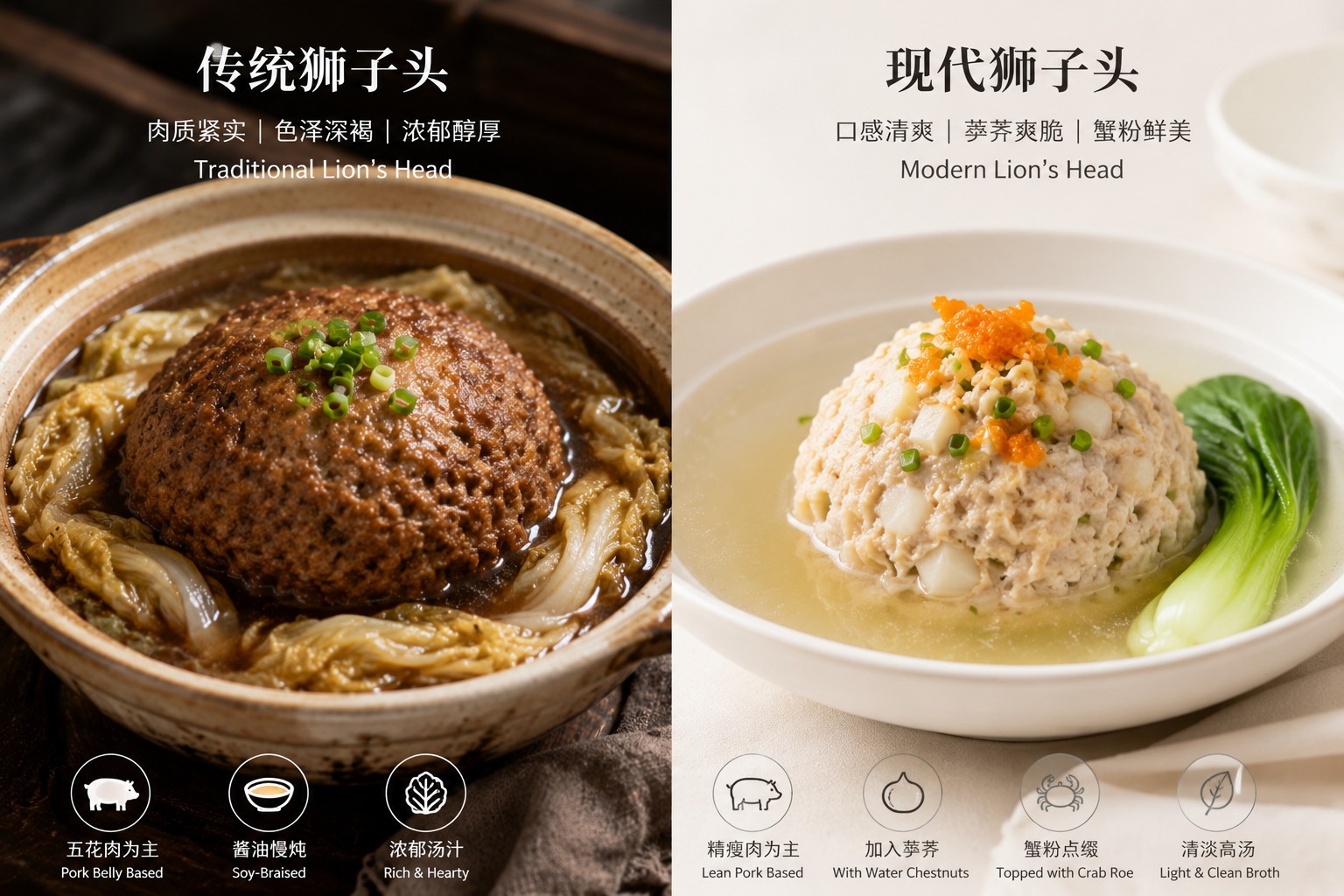
In the past, making Shizitou was a labor-intensive weekend project. It required visiting local wet markets to buy fresh pork belly, manually chopping the meat (never using a machine, purists insist), and simmering it for hours.
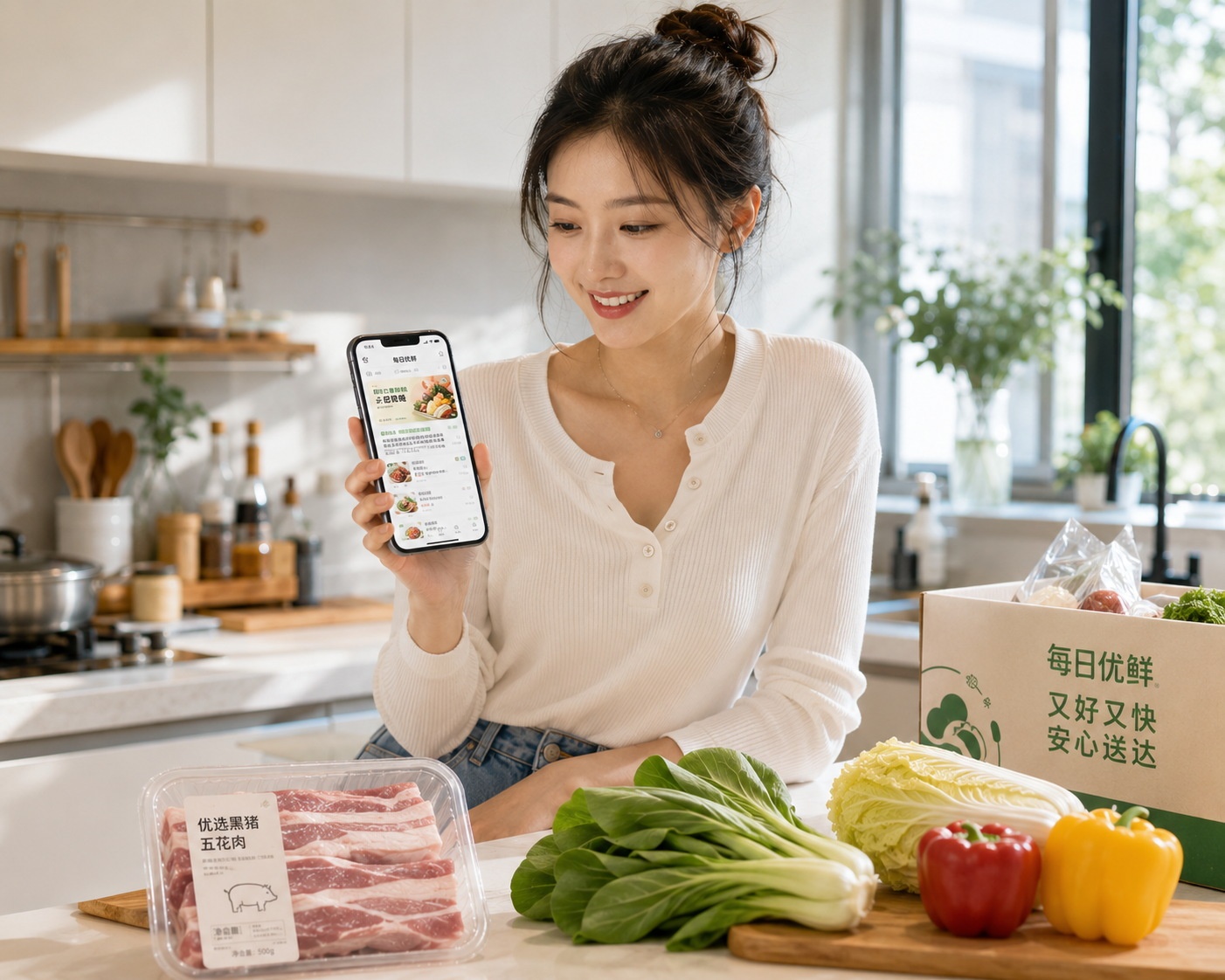
Today, the supply chain has changed. In cities like Suzhou and Hangzhou, you can order pre-made or semi-prepared Shizitou from community group-buying apps. Fresh ingredients are delivered to your doorstep within 30 minutes via electric scooters. For young professionals like Li, this digital convenience doesn’t diminish the cultural value; it just shifts the effort from sourcing to cooking.
“I still chop the meat myself,” Li explains. “That’s the ritual. But I don’t spend two hours hunting for the best pork. The app handles that.” This blend of high-tech logistics and traditional handcraft is a microcosm of modern Chinese life: efficient on the outside, soulful on the inside.
Gen Z and the Return to Home Cooking
There’s a surprising trend in China’s urban centers: young people are cooking more, not less. But it’s not out of obligation. For Gen Z, preparing dishes like Shizitou is a form of self-care and cultural anchoring.
In a fast-paced digital world, the slow process of making Lion’s Head—chopping, mixing, forming balls, simmering—offers a meditative break. Social media platforms like Xiaohongshu (Little Red Book) are flooded with tutorials on “perfecting your Shizitou,” where users share tips on fat ratios and simmering times. It’s less about following a rigid recipe and more about connecting with heritage in a personalized way.
“It’s my way of slowing down,” says Chen, a 25-year-old software engineer in Shanghai. “When I serve this to my parents, they don’t just taste food. They taste time.”
This shift reflects a broader change in Chinese family dynamics. The dish is no longer just a rigid ceremonial item for elders; it’s a shared experience for the whole family, often accompanied by casual conversation and digital photo-sharing.
Understanding the Flavor: A Global Comparison
For Western readers, Shizitou can be compared to a savory meatloaf or a rich, poached meatball, but with a distinct texture. Unlike the firmer texture of Italian polpettes or American meatballs, Shizitou is airy and delicate. The key is the direction of chopping (always against the grain) and the addition of vegetable juice (like spinach or chrysanthemum) to keep it light.
It is typically served in a clear broth with Napa cabbage, emphasizing the purity of the meat’s flavor. It’s comfort food at its most elegant—unpretentious yet deeply rooted in regional identity.
The Table as a Social Hub
Ultimately, Shizitou remains a bridge. It connects the older generation’s memory of scarcity and celebration with the younger generation’s pursuit of quality and balance. In urban apartments across China, families are reimagining this classic dish, proving that tradition is not static. It evolves, adapts, and stays on the table.