

The Reality Check: A Quiet Shift on the Factory Floor
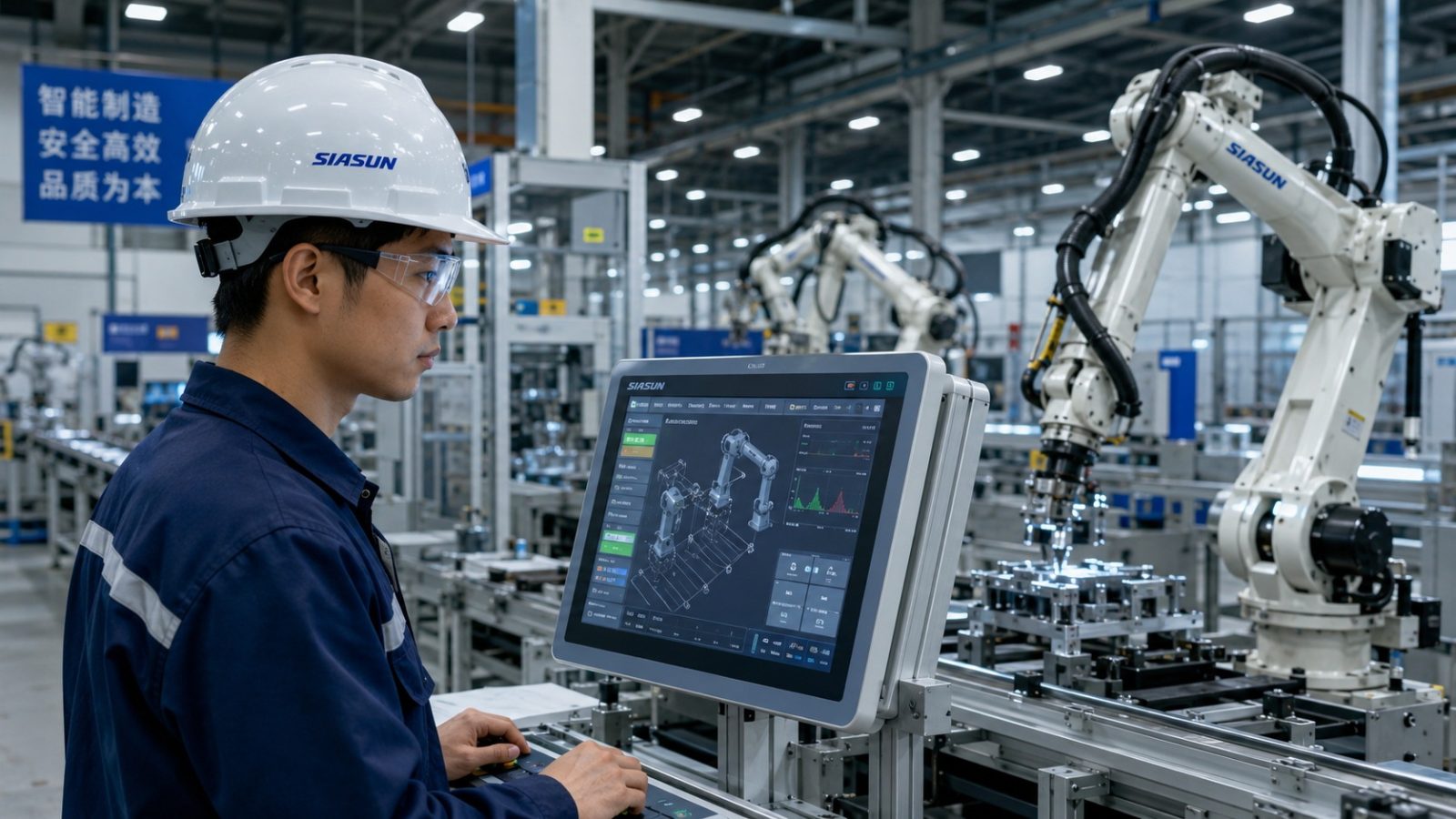
Li Wei, 24, doesn’t look like a man whose job is under siege. He works at an automotive parts manufacturer in Zhengzhou, central China. But three years ago, he was assembling components by hand. Today, he stands beside a six-armed robotic arm, watching its sensors monitor quality control in real-time.
“At first, I thought it was coming for my paycheck,” Li says, wiping grease from his hands. “Now, I’m the one who teaches it not to drop the screws.”
This is the reality of AI and automation in China today. It is less about the violent “Terminator” scenario and more about a gradual, often invisible, restructuring of daily work. For China’s 150 million young workers, the anxiety is real, but so is the adaptation. The narrative is shifting from replacement to augmentation.

From Fear to Adaptation: The Rise of the “Co-bot”
In Shenzhen’s tech hubs and Shanghai’s design agencies, the fear of AI hasn’t disappeared, but it has mutated. Instead of panic, there is a frantic upskilling.
Consider Zhang Min, a 28-year-old copywriter in Beijing. Three years ago, she spent hours drafting standard e-commerce product descriptions. Today, she uses AI tools to generate 80% of her drafts, then spends her time refining the tone, checking cultural nuances, and ensuring brand voice consistency.
“AI is a very fast intern,” Zhang explains. “It doesn’t have taste or empathy. My job is no longer just writing; it’s editing, curating, and understanding the human emotion behind the words.”
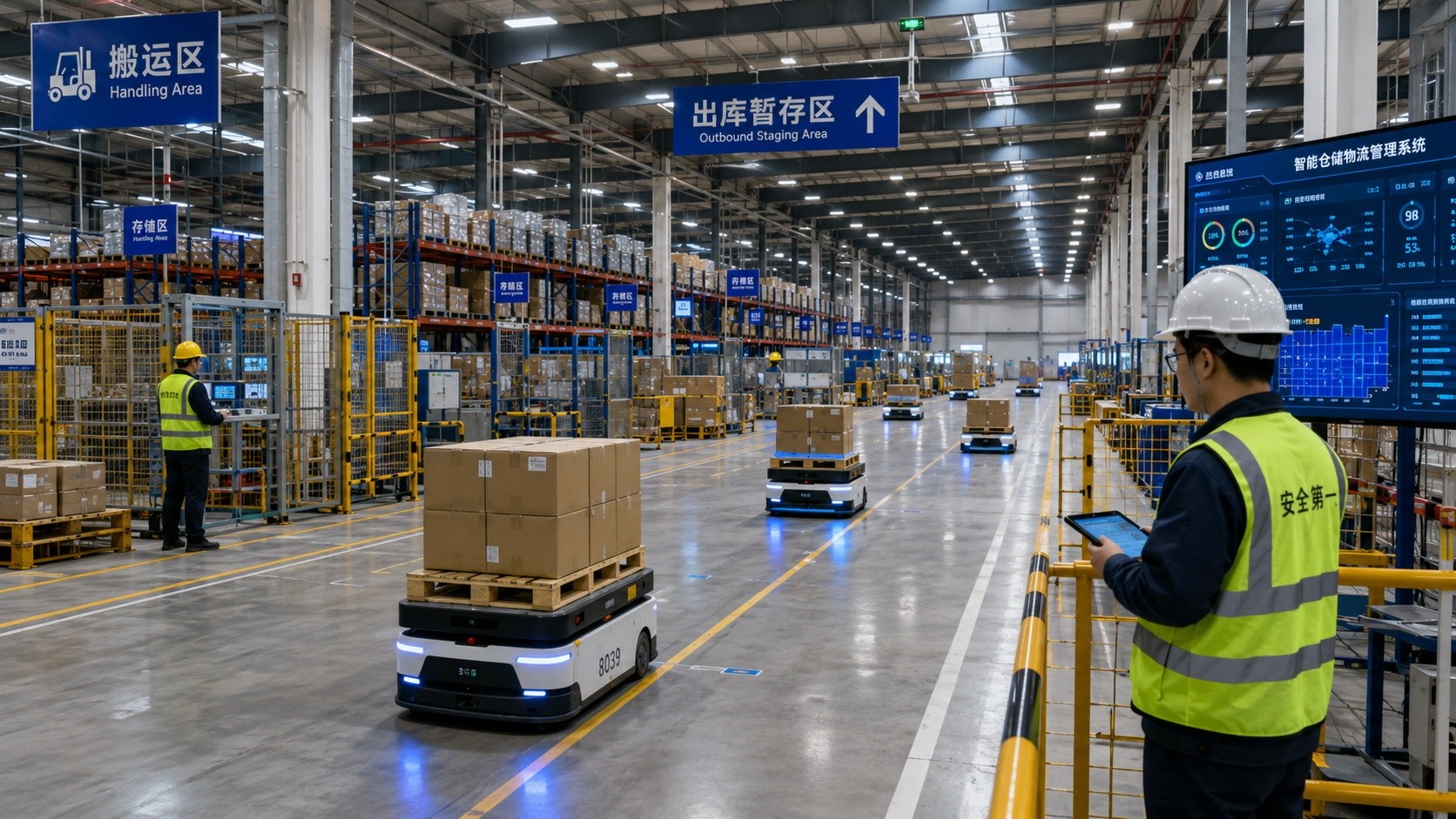
This shift is visible across sectors. In manufacturing, collaborative robots (cobots) are taking over repetitive, dangerous tasks, allowing humans to focus on precision assembly and maintenance. In logistics, autonomous guided vehicles handle heavy lifting, while human workers manage complex routing and customer exceptions. The data supports this: a 2023 report by the Chinese Academy of Social Sciences indicated that while AI displaced certain routine roles, it created more new positions in tech maintenance, data annotation, and system oversight than it eliminated.
The Human Edge: Why Empathy is the New Currency
If machines can code, drive, and write faster than humans, what is left for the young workforce? The answer lies in skills that algorithms struggle to replicate: emotional intelligence, complex problem-solving, and cultural context.
In China’s service sector, this is particularly evident. As automation handles transactions in supermarkets and banks, the value of human interaction rises. A customer service representative in Hangzhou might use AI to instantly translate a complaint from an overseas client, but they still need the soft skills to de-escalate anger and build trust.
“Robots can solve a problem, but they can’t comfort a person,” says Chen Yu, a community worker in Chengdu. “Young people are realizing that their ability to listen, to negotiate, and to understand subtle social cues is their competitive advantage.”
This trend is reshaping education and hiring. Companies are no longer just looking for technicians who can operate machines; they are seeking “hybrid” talents who can bridge the gap between technical systems and human needs. The anxiety of being replaced is being replaced by the pressure to remain relevant.

Policy and Society: A Systemic Response
The transition isn’t happening in a vacuum. The Chinese government and private sector are actively managing this shift. Recognizing the potential social friction, Beijing has launched several initiatives to retrain workers for the digital economy.
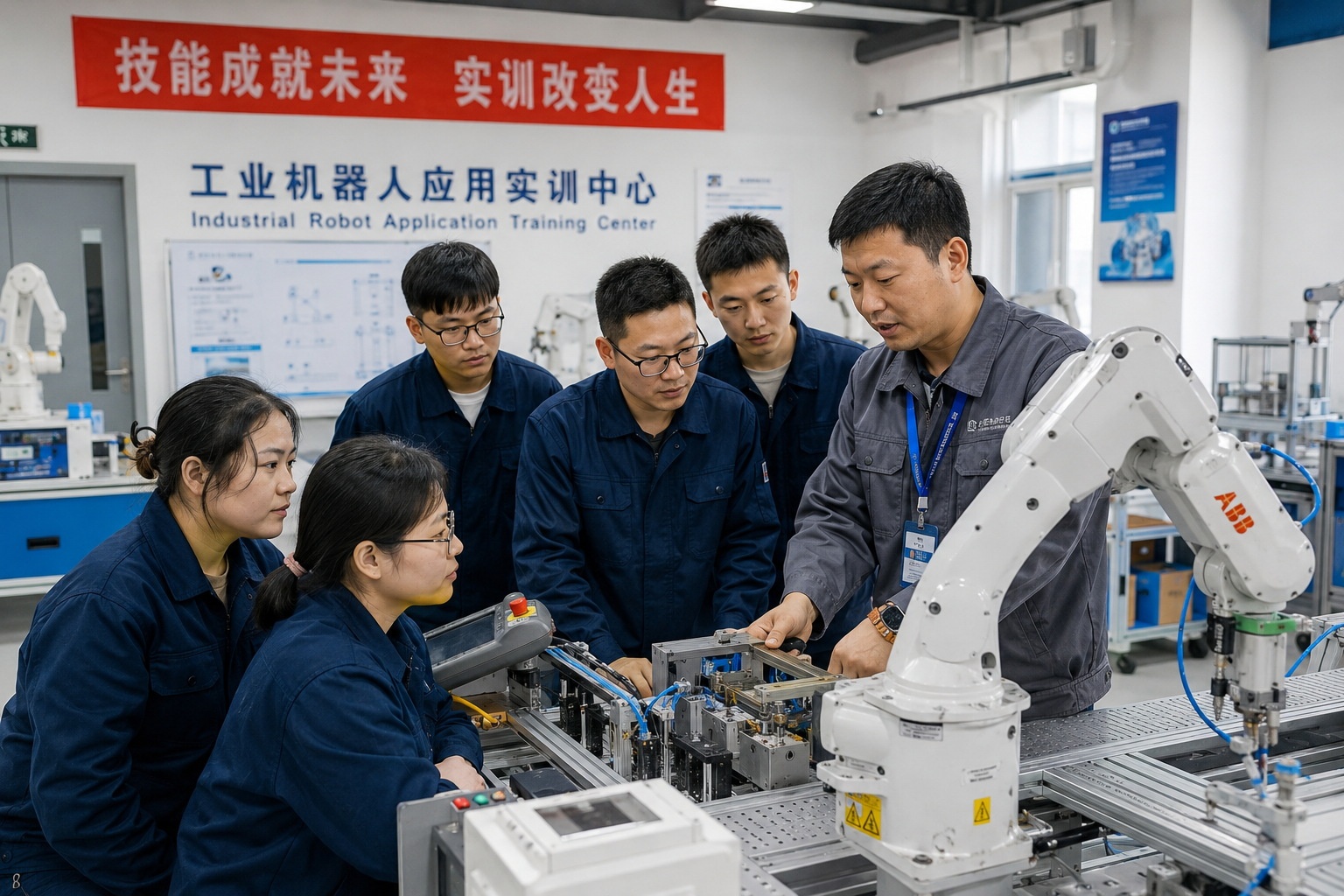
Vocational training centers in provinces like Guangdong and Jiangsu are offering free courses in robotics maintenance, AI data labeling, and digital marketing. These programs are not just theoretical; they are tied directly to local industry needs. For example, a factory worker in Suzhou can attend a weekend workshop to learn how to program the very cobots that once threatened his job.
Moreover, social safety nets are evolving. New insurance models for gig workers and flexible employees are being piloted to provide stability during career transitions. The goal is not to stop technological progress, but to ensure that the benefits of efficiency are distributed more broadly, reducing the shock of displacement.
A New Normal: Work in 2030
As we look toward 2030, the definition of “work” in China is undergoing a fundamental transformation. It is no longer about enduring repetitive tasks for long hours. It is about managing systems, interpreting data, and providing the human touch that technology cannot.
For Li Wei in Zhengzhou, this new normal means he is more skilled, if not richer, than he was five years ago. He spends less time doing grunt work and more time ensuring the production line runs smoothly. For Zhang Min in Beijing, it means her creative output is higher, but her mental load is different.
The anxiety about robots stealing jobs is valid, but it is only half the story. The other half is human resilience. China’s young workers are proving that they are not passive victims of technology. They are its pilots, its editors, and its humanizers. In the race between man and machine, the winner is likely to be the one who learns to collaborate.