

The Midnight Rush
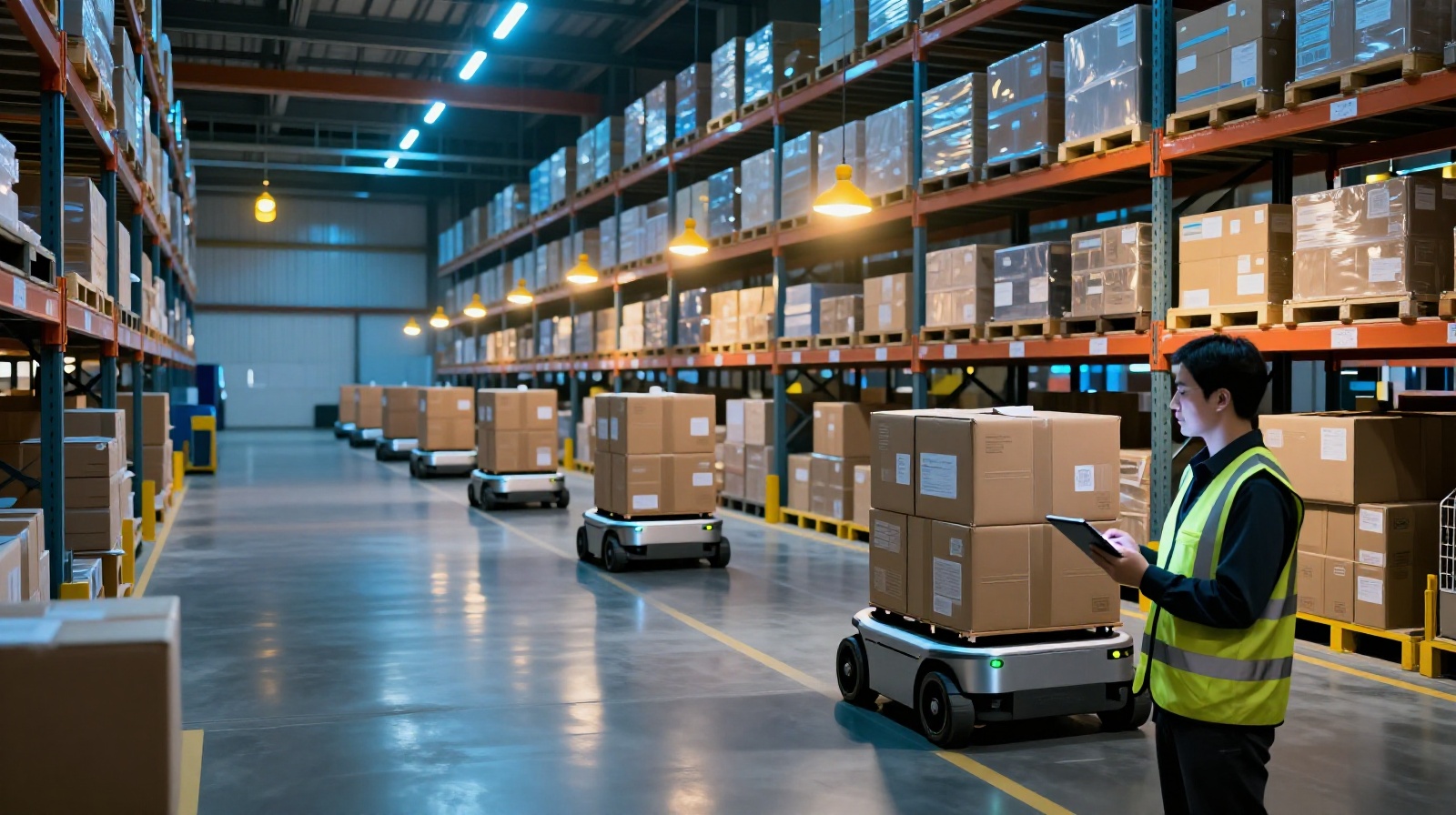
At 2:13 AM, the air inside a fulfillment center in Hangzhou smells of ozone and warm cardboard. It is quiet, but not silent. The hum of thousands of electric motors creates a low-frequency drone that vibrates through the soles of your shoes. Here, in the belly of China’s e-commerce giant, sleep is a luxury. Instead, there is motion.
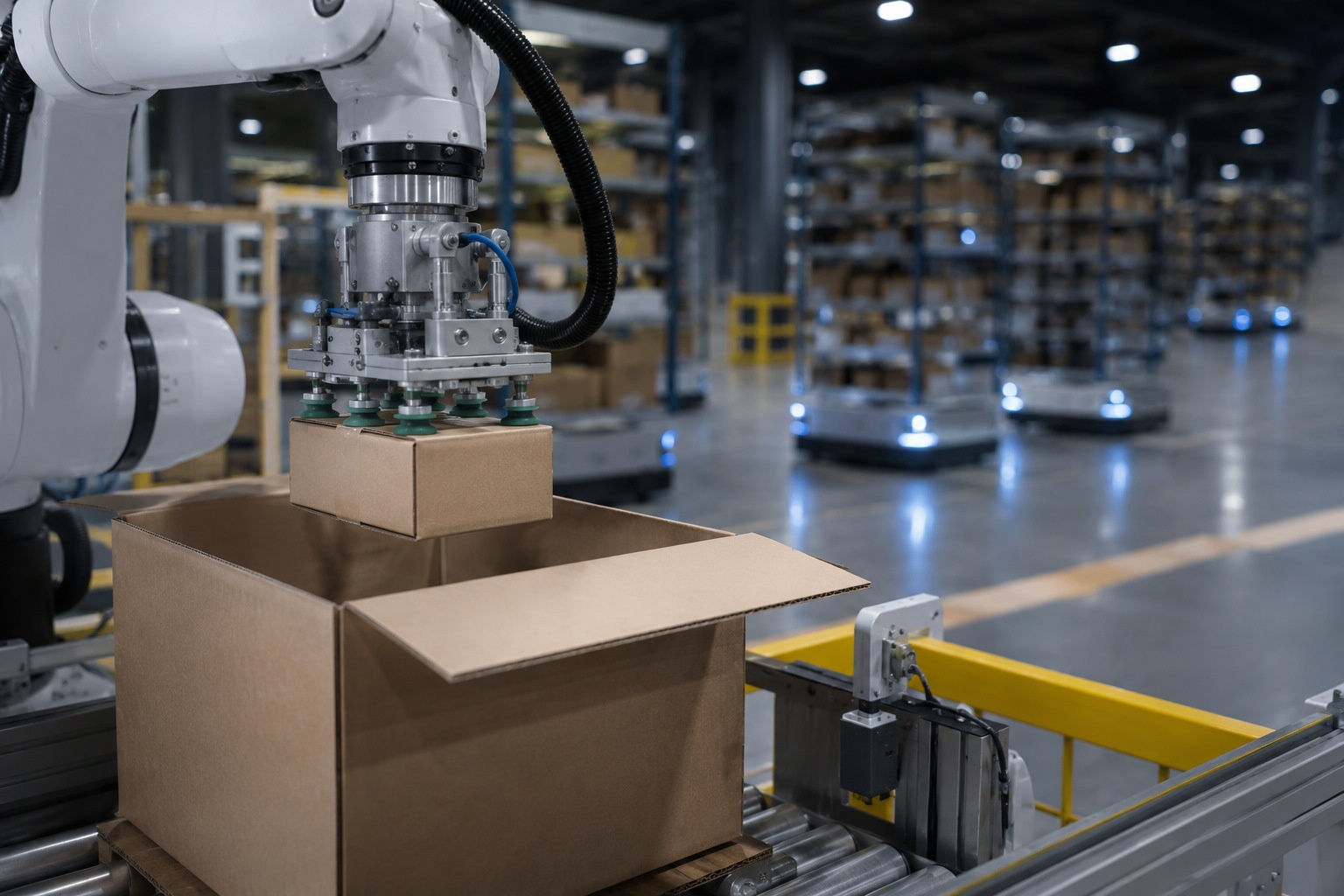
Shelves no taller than a person are being lifted into the air by silver robots, moving with the synchronized grace of a school of fish. They glide along magnetic tracks, stop precisely at picking stations, and reverse. A human operator, wearing a headset and scanning glasses, watches as a robotic arm plucks a single smartphone charger from the bin and places it into a box. Beep. The box moves on to the next station. Then another. And another.
The ‘Invisible’ Infrastructure
For many outside China, the concept of “next-day delivery” is still a novelty. Inside these facilities, it is merely the baseline. This speed is made possible by Unmanned Warehouse Technology that has scaled beyond what most Western readers might visualize.
It is not a single robot doing everything. It is an ecosystem. Hundreds of Autonomous Guided Vehicles (AGVs), each no larger than a small table, carry entire shelves—sometimes weighing over 500 kilograms—to stationary picking stations. This method, known as “goods-to-person,” eliminates the need for human workers to walk miles across vast floors each shift.
The sorting arms, painted in bright yellow and blue, act like muscular fingers. They recognize barcodes at high speed, grab packages of varying shapes, and toss them into chutes leading to specific regional trucks. The efficiency is staggering: a single worker can now manage the output that once required five people, but the system is designed to assist, not replace, the human pace.
Human-Machine Symbiosis
If you walk the aisles during the day shift, you won’t see the “robot uprising” dystopia often depicted in movies. You will see technicians. They are the true operators of this digital nervous system.
Liang Wei, a maintenance engineer with five years of experience, sits on a stool between rows of AGVs, his laptop connected to the central server. “The robots don’t break often,” he says, tapping his screen. “But when they do, or when a package jams, we are the ones who fix it. We speak the same language as the machines.”
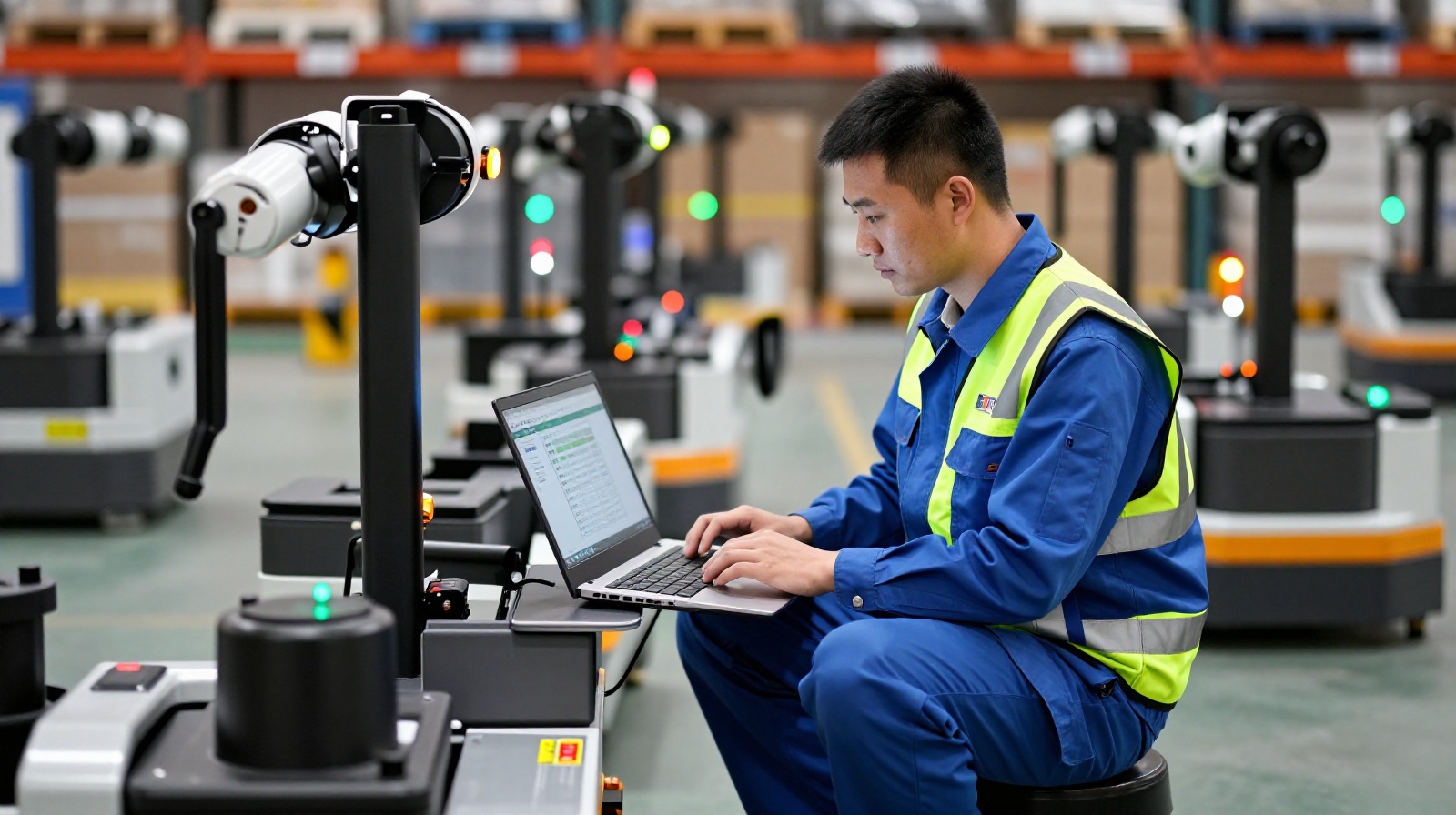
These workers are not unskilled laborers. They are data watchers, system troubleshooters, and efficiency analysts. They wear smart vests that track their heart rates and step counts, ensuring they don’t overexert themselves while walking alongside the moving shelves. The narrative of humans being reduced to “cogs” is outdated. Here, humans provide the judgment and adaptability that AI still struggles with, while machines handle the repetitive, heavy lifting.
The Last Mile Reality
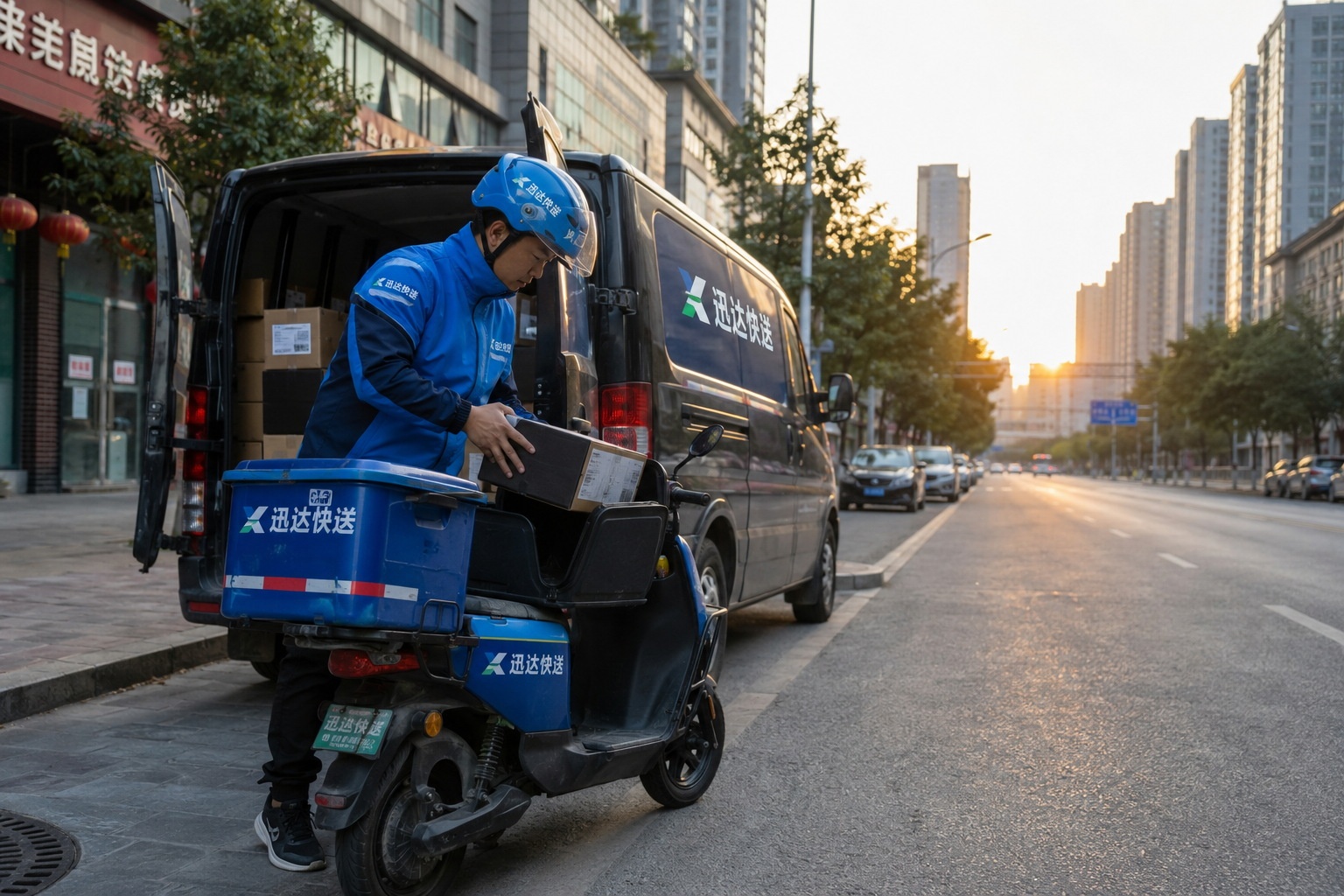
The journey doesn’t end at the warehouse door. The boxes that leave these automated facilities at 3 AM arrive in distribution hubs by dawn. By 6 AM, they are in the hands of delivery riders—the gig economy workers who form the visible capillary network of China’s cities.
For a consumer in Shanghai or Chengdu, clicking “buy” feels instantaneous. But that speed is the result of this midnight synchronization. The automated warehouse ensures that the item is packed, sorted, and ready to ship hours before the office worker even logs off. This seamless integration between high-tech warehousing and human-powered delivery is what makes China’s supply chain so resilient.
A New Social Contract
This transformation is reshaping employment in China. The demand for manual movers is shrinking, while the need for technical support and logistics coordination is growing. It is a shift from physical strength to cognitive skill.
Yet, challenges remain. The pressure on delivery riders to meet tight algorithms’ deadlines is a real social issue. And the environmental footprint of packaging waste is a concern being addressed by new recycling initiatives.
But looking at the silent, efficient dance of robots and humans in these midnight warehouses, one thing is clear: China’s e-commerce infrastructure is not just a tool for shopping. It is a testament to how technology, when integrated thoughtfully, can redefine the rhythm of daily life.