

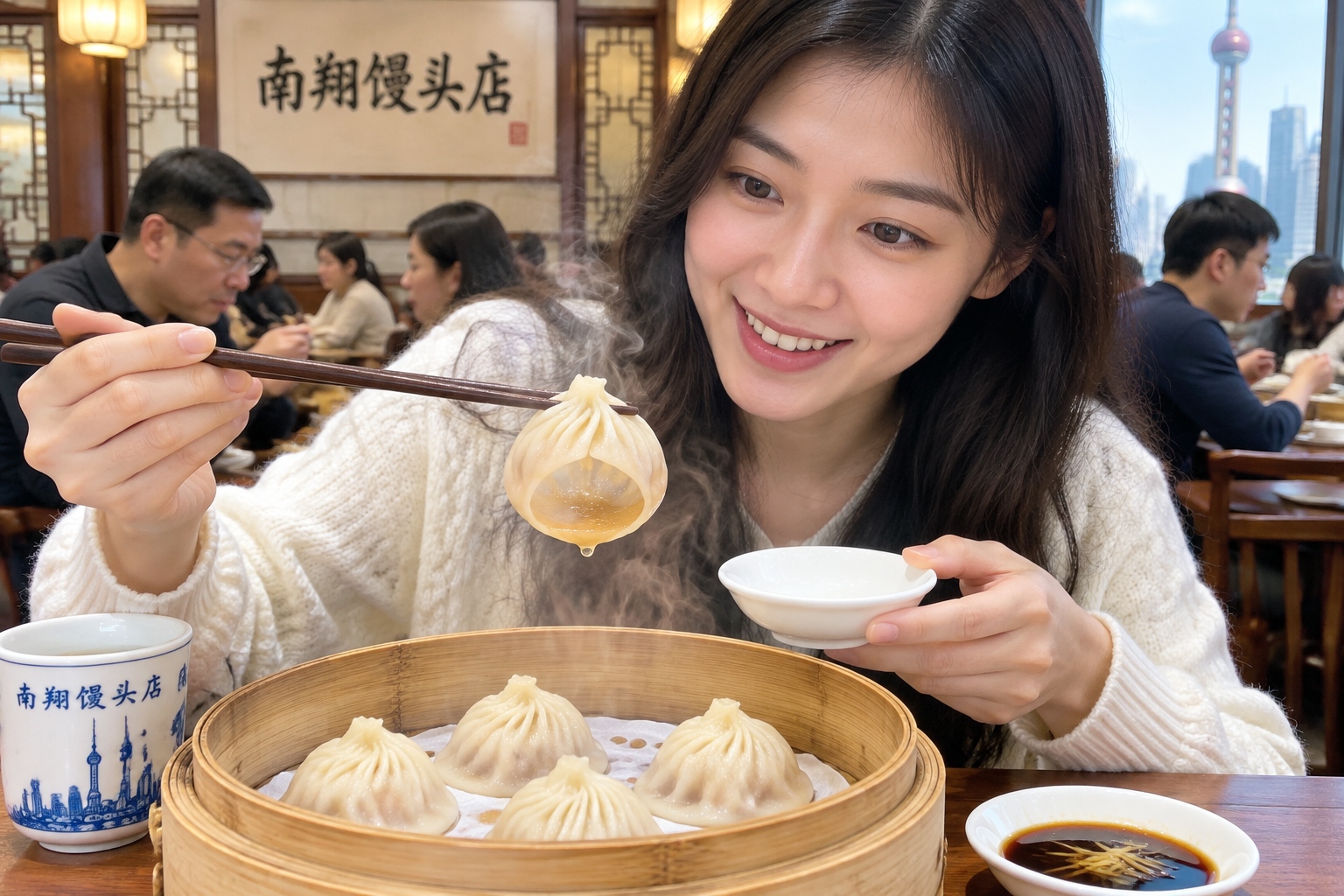
Monday: The Dumpling Deluge in Shanghai
I started my week in Shanghai, a city known for its financial might and… heavy breakfasts. My challenge began at 6:30 AM with xiao long bao, or soup dumplings. The locals treat them like precious gems, steaming hot and delicate as glass. I ate two bowls—fourteen dumplings—and felt the immediate weight of the rich pork broth settling in my stomach.
By noon, I was already craving something lighter, but the morning had set a high bar. In Shanghai, breakfast isn’t just fuel; it’s a ritual of slow eating and communal joy. The air in the small alleyway restaurant was thick with steam and chatter. Everyone seemed to know exactly where to sit and how to slurp without making a mess.
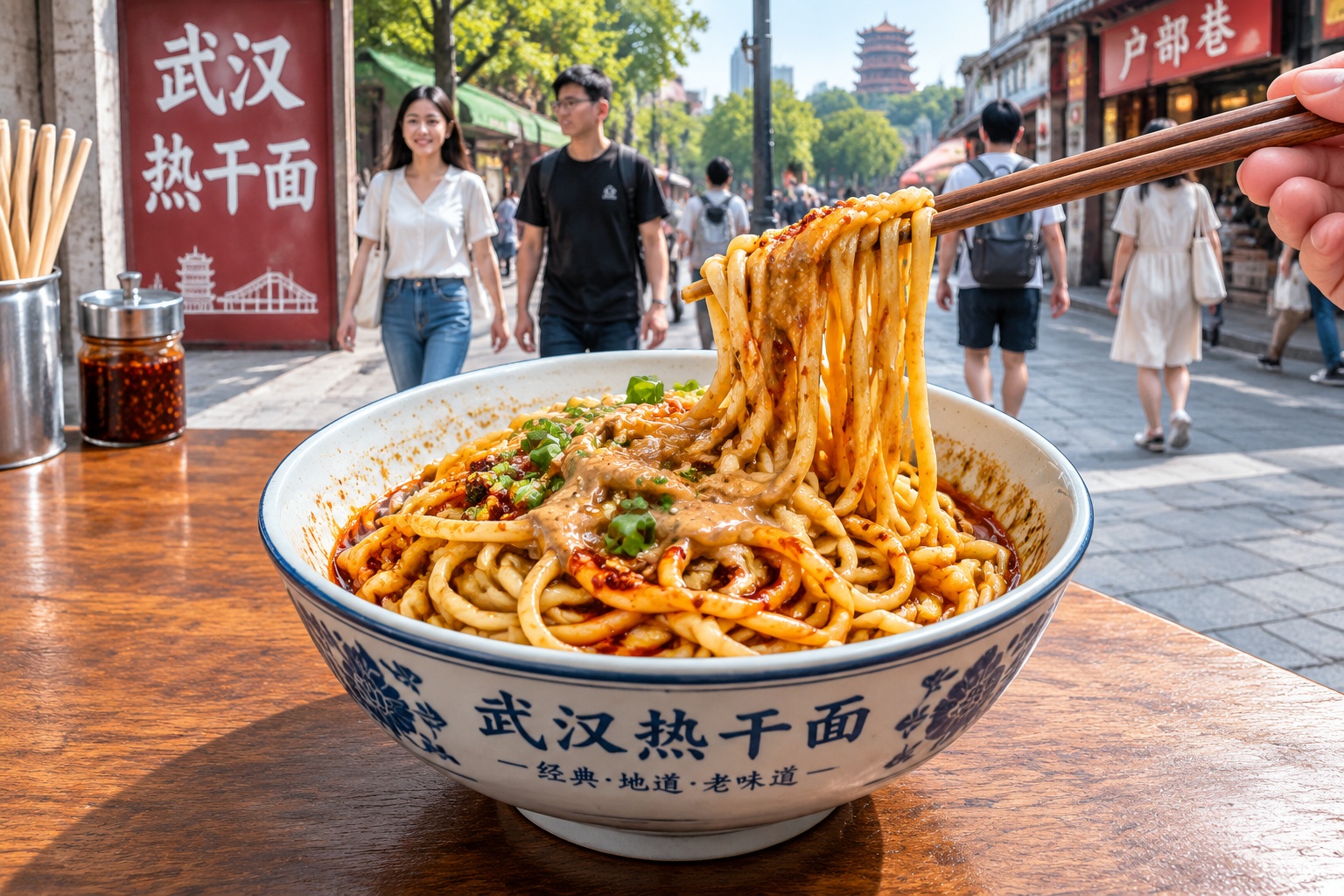
Tuesday: Spicy Wakes in Wuhan
Traveling west to Wuhan, the vibe shifted from delicate to aggressive. The city is famous for its wan tiao, or hot dry noodles. It’s a bowl of thick yellow noodles tossed in sesame paste and chili oil, served without soup.
The first bite hit me like a slap. Spicy, nutty, and intensely savory. I watched the locals finish their bowls in ten minutes, sweating but smiling. The energy required to survive a Wuhan morning is different from Shanghai’s leisurely pace; it’s about fueling up quickly for a day of intense work. My stomach protested, but my taste buds were screaming with delight.
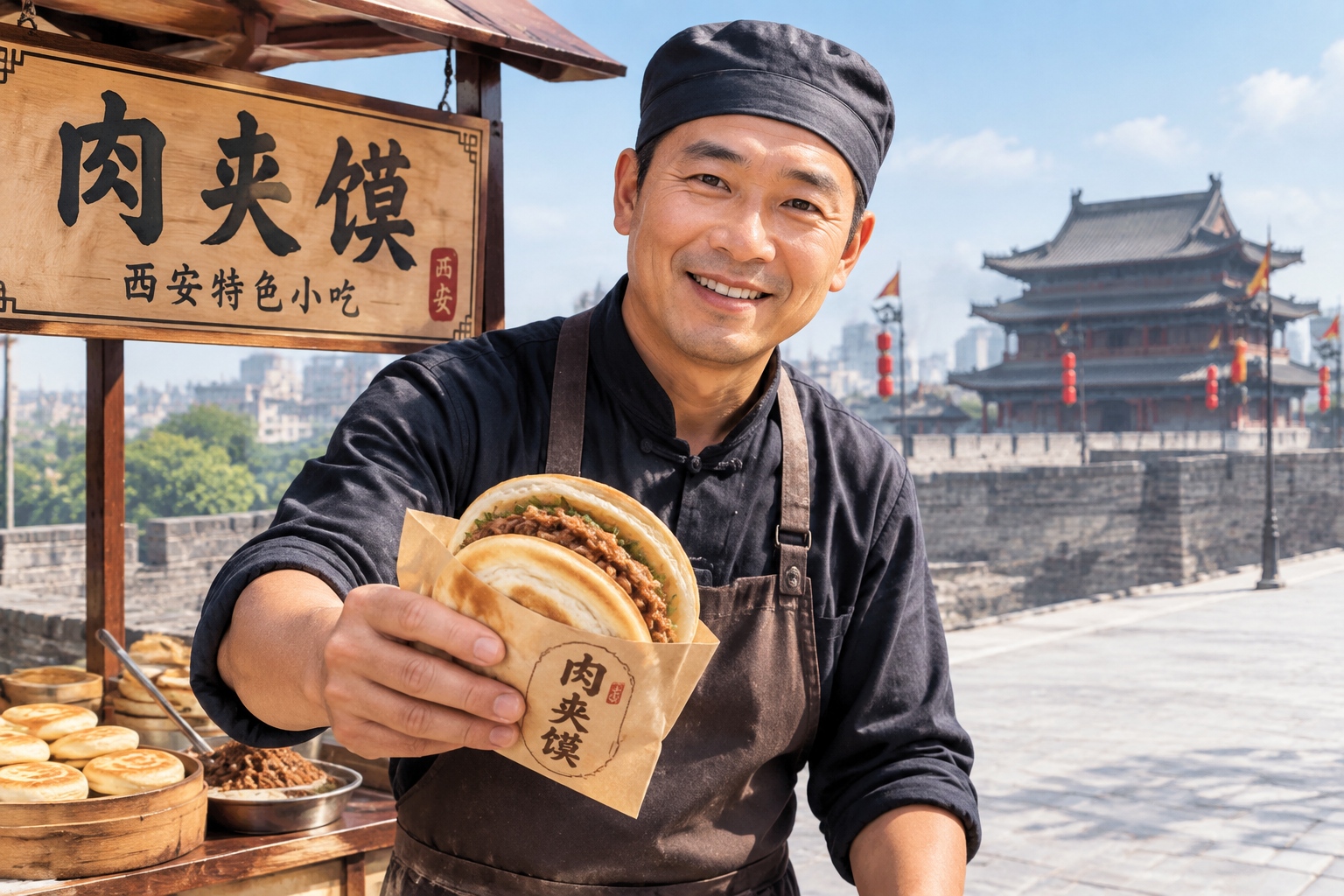
Wednesday: The Bread Revolution in Xi’an
In Xi’an, breakfast is all about bread—and not the soft, sweet kind you might expect. I tried roujiamo, often called the “Chinese hamburger.” It’s actually a piece of crispy flatbread stuffed with slow-braised pork.
The texture was a revelation: crunchy on the outside, meltingly tender inside. But here’s the kicker—the portion sizes are massive. One roujiamo felt like two standard sandwiches in Western terms. I ate three of them over the next two days because they were so filling. The sheer density of carbs and fat was undeniable. By Wednesday night, my jeans were feeling a bit tighter.
Thursday to Sunday: The Unstoppable Carbs
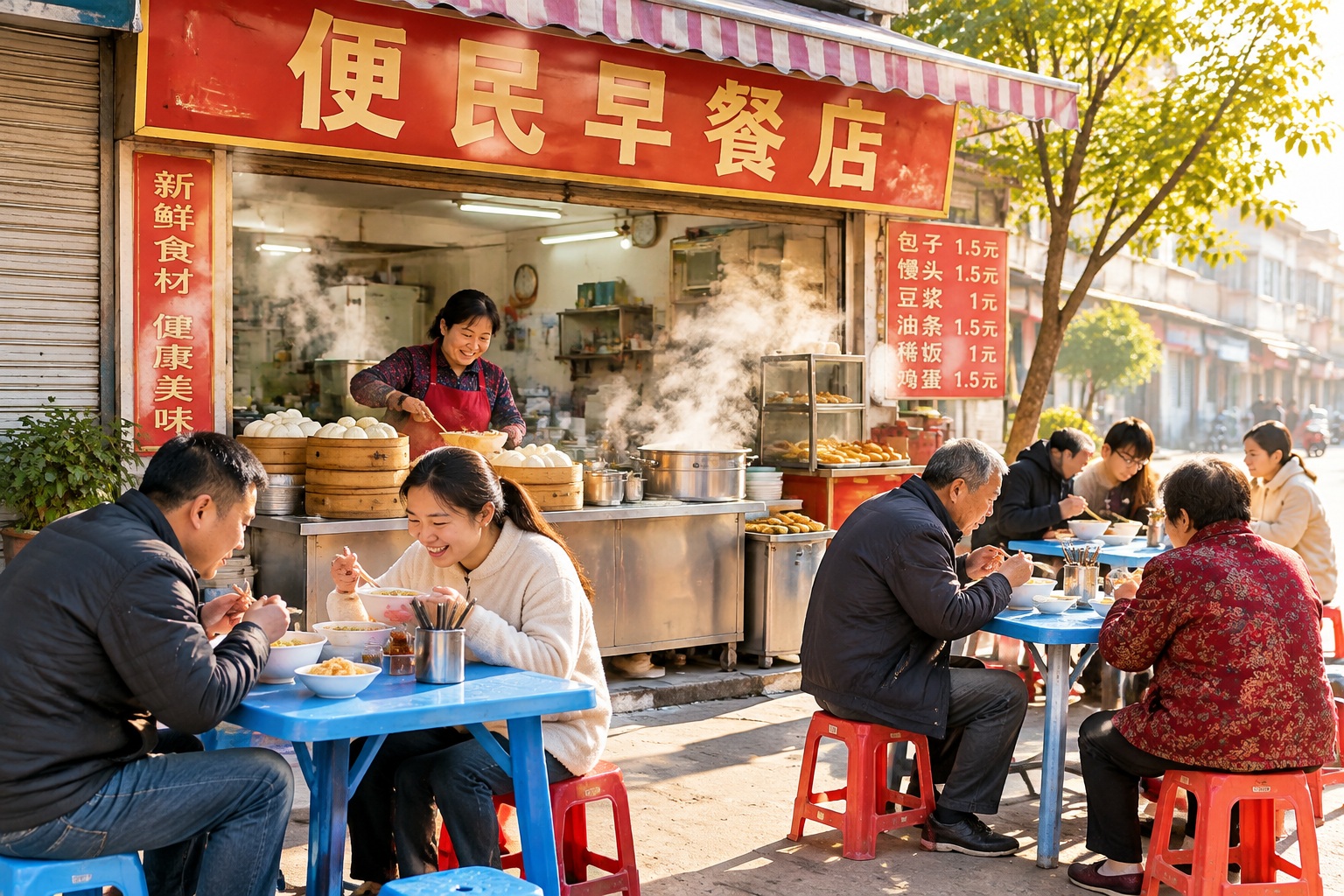
The rest of the week became a blur of fried dough sticks in Beijing, soy milk in Tianjin, and mung bean cakes in Chengdu. Every region had its own signature dish, but they all shared one thing: they were designed for satiety.
Chinese breakfasts are engineered to keep you full until dinner. Whether it’s the oily noodles in Sichuan or the sweet rice dumplings in Hangzhou, the goal is endurance. The calorie density is staggering when you eat three large portions a day. I wasn’t exercising less; I was just consuming energy at a rate my body couldn’t burn off.
Why We Gained 5 Pounds: It’s Not Just the Food
So, why did I gain five pounds in seven days? Part of it is water retention from the high sodium content in soy sauces and chili oils. But mostly, it’s about volume and frequency.
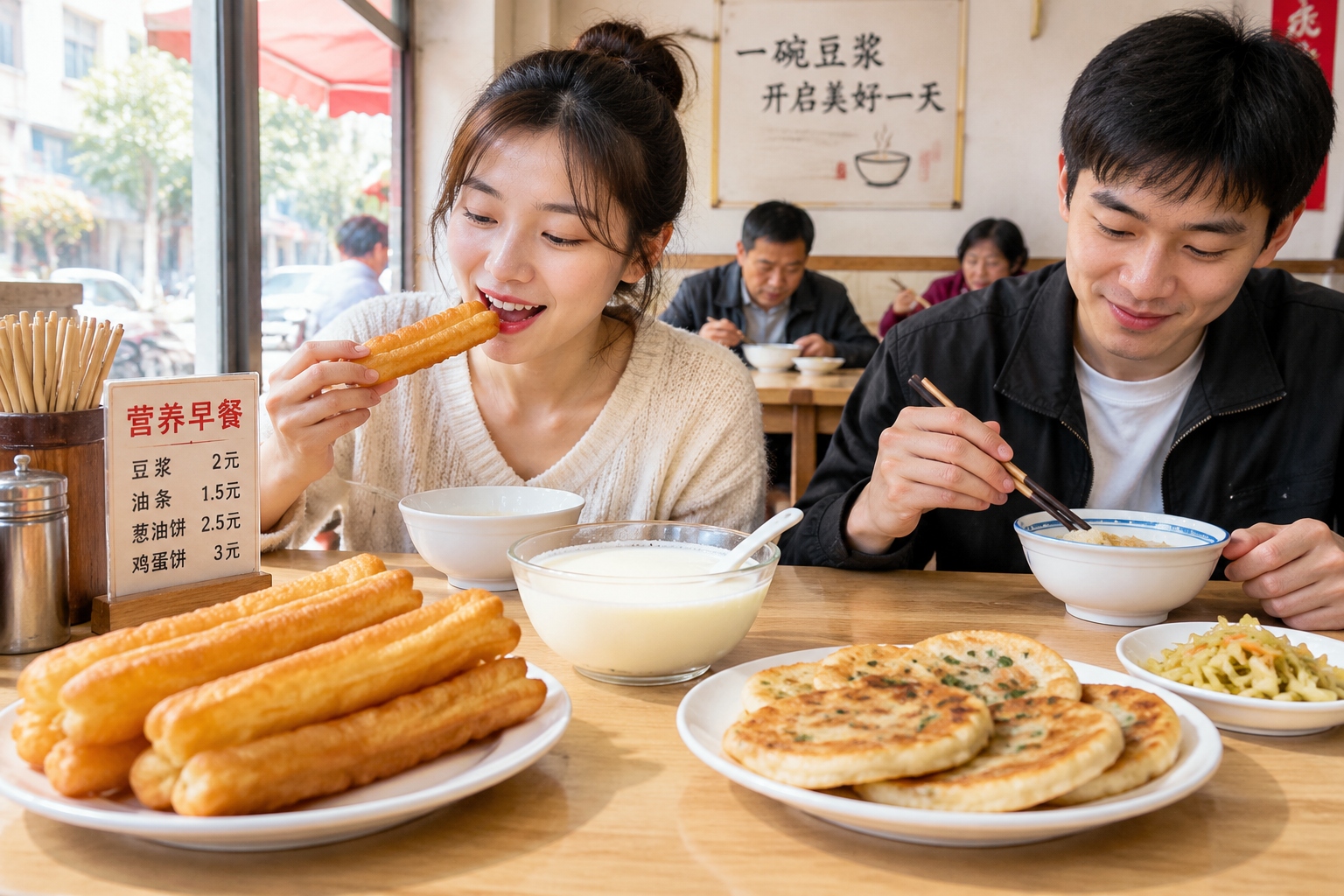
In many Western cultures, breakfast might be a single slice of toast or a granola bar. In China, breakfast is often a three-course meal: starch, protein, and soup or drink. And unlike the fast-food model where you grab one thing, Chinese street food culture encourages variety. I tried to eat healthy, but the portions were just too generous.
The Cultural Takeaway
Despite the scale climbing higher, this challenge taught me something profound about Chinese life. Food is the ultimate social glue. Whether in a bustling market or a quiet street corner, breakfast is where people connect, share news, and start their day with warmth.
I didn’t just eat; I experienced the rhythm of a nation that refuses to rush its morning. And yes, I’m back on my diet now. But I can’t say I regret the journey—just maybe the extra pounds.
Start the discussion at forum.chinacomes.com