

The Shock of Instant Access
For many people in the West, a minor health issue quickly turns into a weeks-long administrative hurdle. You call your primary care physician, wait on hold for twenty minutes, and are told to book an appointment three days out. If it happens at night or on a weekend, you are left with two options: go to an urgent care clinic that charges hundreds of dollars without insurance, or suffer in silence.
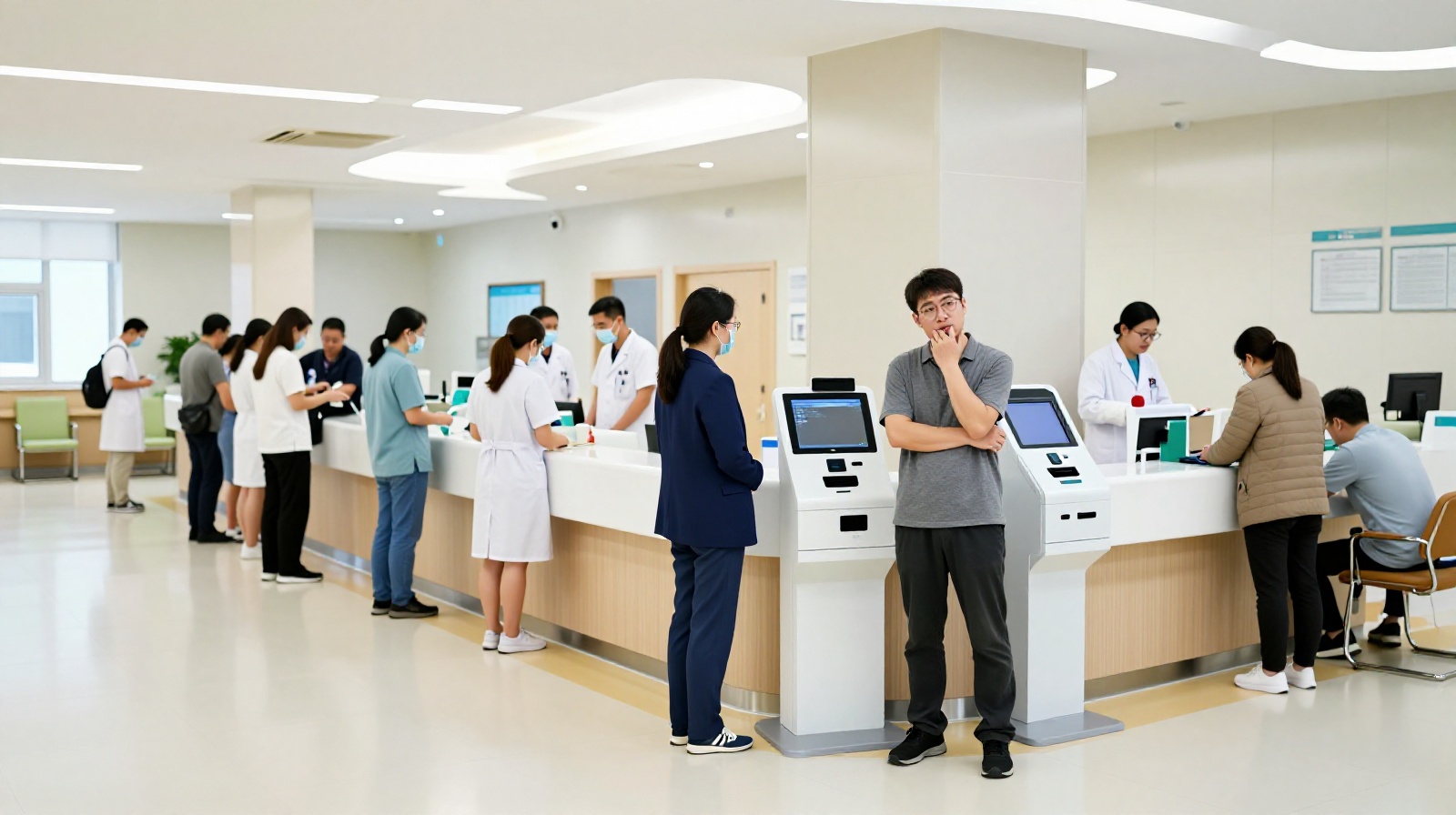
Walk into a large public hospital in Beijing, Shanghai, or Chengdu after midnight, however, and the experience is fundamentally different. There is no waiting for a referral. The emergency department (ED) doors are open. You walk in, register at a machine or counter, and within an hour, you might be seeing a specialist.
This immediate accessibility is not just about convenience; it reflects a core design feature of China’s public healthcare system: the hospital functions as a centralized safety net designed to absorb sudden shocks in population health. While the West often relies on a fragmented network of private specialists and expensive urgent cares, Chinese hospitals are built to handle volume.
How the 24-Hour Triage Machine Works
The efficiency of a Chinese emergency room does not come from having infinite staff, but from rigorous triage protocols. When you arrive, you do not simply pick a doctor.
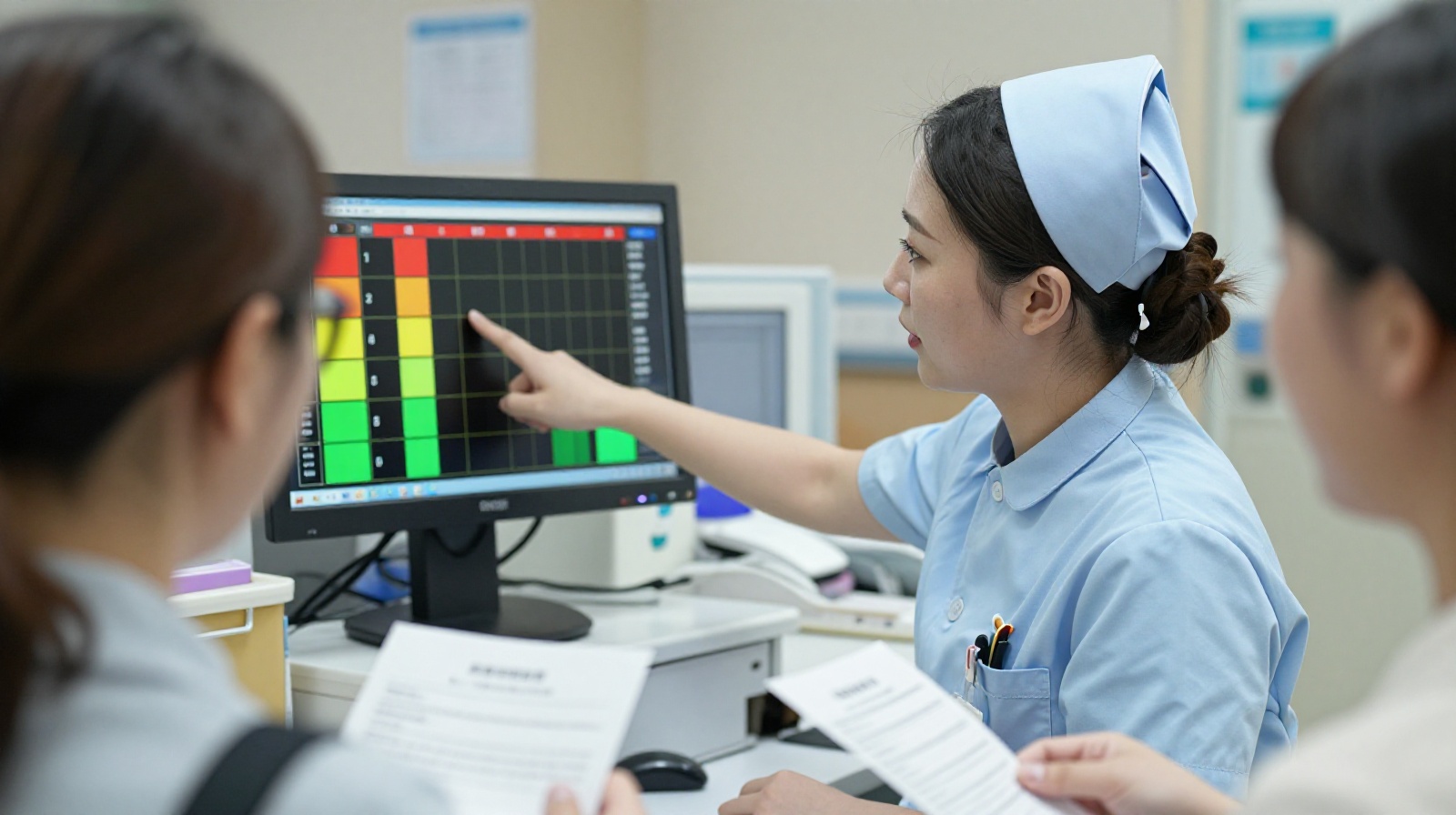
First, you register at an automated kiosk or service desk. Then, you are directed to the triage nurse station. Here, a system called “color-coded triage” is used. A red tag means immediate life-threatening emergency; yellow indicates potential urgency; green is non-urgent; and blue is for chronic issues.
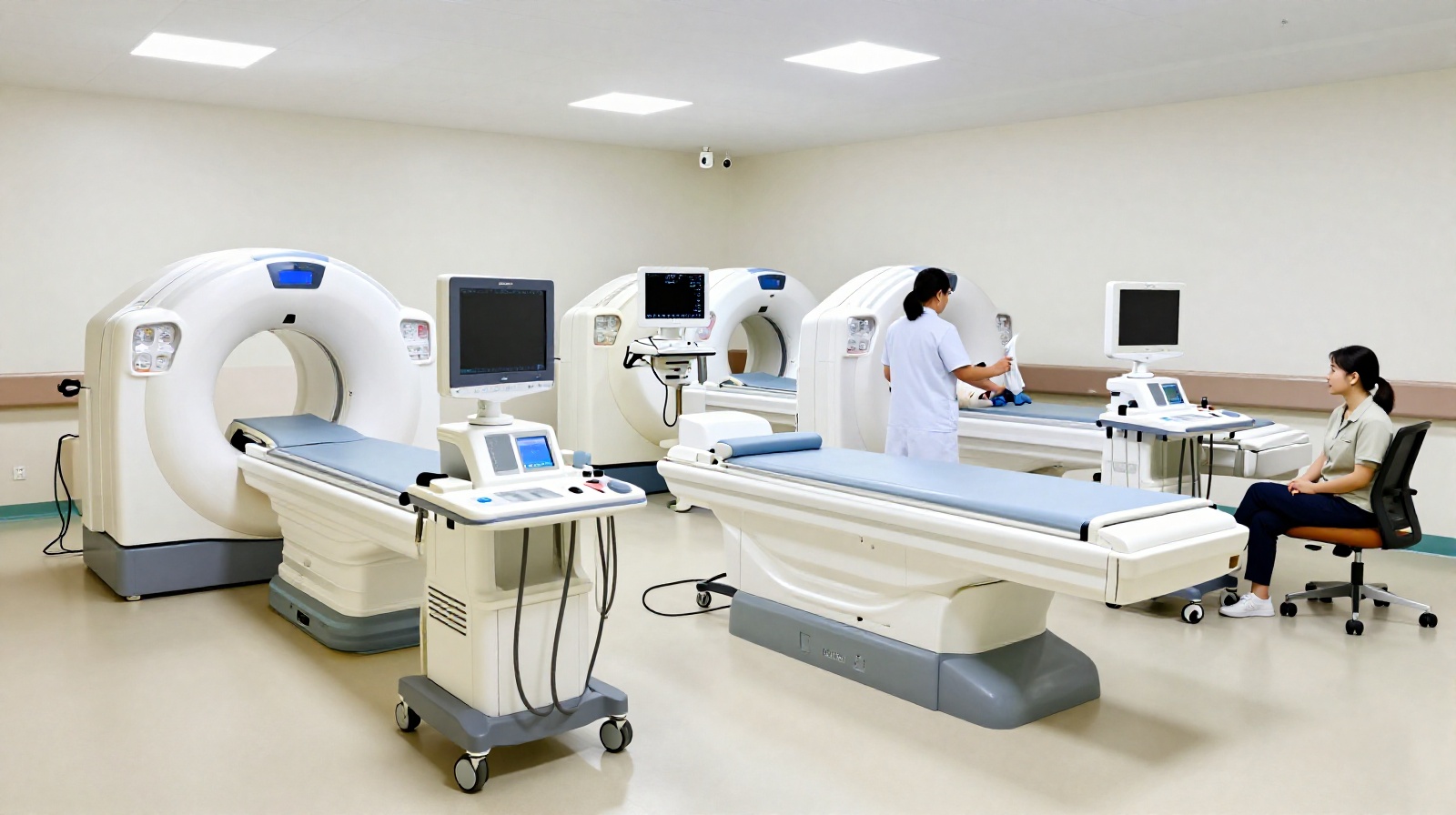
This sorting mechanism ensures that resources are allocated based on medical need, not who arrived first or who can afford to pay more upfront. In a typical large hospital with over 2,000 beds, the emergency department sees hundreds of patients daily. The flow is industrial: blood tests and imaging (CT scans, ultrasounds) are often located within the same wing, allowing results to be delivered in minutes rather than hours.
For visitors from countries where diagnostic wait times can stretch into weeks, this density of services is striking. It represents a shift from “appointment-based” care to “flow-based” care for acute conditions.
The Cost of Access
One of the most surprising aspects for foreigners is the affordability. In many Western systems, an emergency room visit can cost thousands of dollars due to facility fees and professional charges.
In China, public hospital emergency visits are heavily subsidized. A typical consultation fee might be around 50 RMB ($7 USD). Basic blood tests range from 20 to 50 RMB ($3-$7). Even a CT scan might cost between 200 and 400 RMB ($30-$60).
This low cost is not because the quality of care is inferior, but because public hospitals are non-profit institutions funded by the government. The goal is universal coverage for basic needs. For locals, this means that a sudden stomach ache or a broken bone does not lead to financial ruin.
However, it is important to note that while the base costs are low, private rooms and faster service tiers often come with additional fees. But for standard public emergency care, the barrier to entry remains remarkably low compared to global standards.
The Reality: Crowding and the “Soft” Emergency
To provide a balanced view, we must acknowledge that this high efficiency comes with trade-offs. Chinese hospitals are often crowded. Wait times for non-urgent cases (green or blue tags) can exceed two to three hours.
Because emergency rooms in China also serve as the default entry point for many minor ailments—since people do not have a designated “family doctor” who controls access—the system faces constant pressure. You might find yourself waiting in a hallway while more critical patients are treated first. This is the reality of a system prioritizing life-saving capacity over comfort.
This brings us to an important distinction for foreigners: the difference between “Emergency” (急诊) and “Night Clinic” (夜间门诊).
Night Clinics: A Better Alternative for Non-Emergencies
Many large Chinese hospitals now offer “Night Clinics” or extended-hour outpatient services. These are different from the emergency room. They operate like regular daytime clinics but stay open until 8:00 PM or later.
If you have a persistent cough, a skin rash, or need a prescription refill, you should go to the Night Clinic, not the Emergency Room. This distinction helps reserve the ER for true emergencies and reduces the burden on the triage system. In these clinics, you can often register via WeChat or Alipay before arriving, further streamlining the process.
Conclusion: A System Built for Scale
The Chinese emergency model is not perfect, but it is highly effective at its primary goal: ensuring that no one dies from lack of immediate access. It trades individual comfort and personalized waiting times for collective speed and affordability.
For foreigners navigating China’s cities, understanding this system is practical advice. If you are in genuine pain or distress, the public hospital ER is a viable, affordable option. For everything else, look for the “Night Clinic” sign. This nuanced approach allows the healthcare system to function smoothly for hundreds of millions of people.