
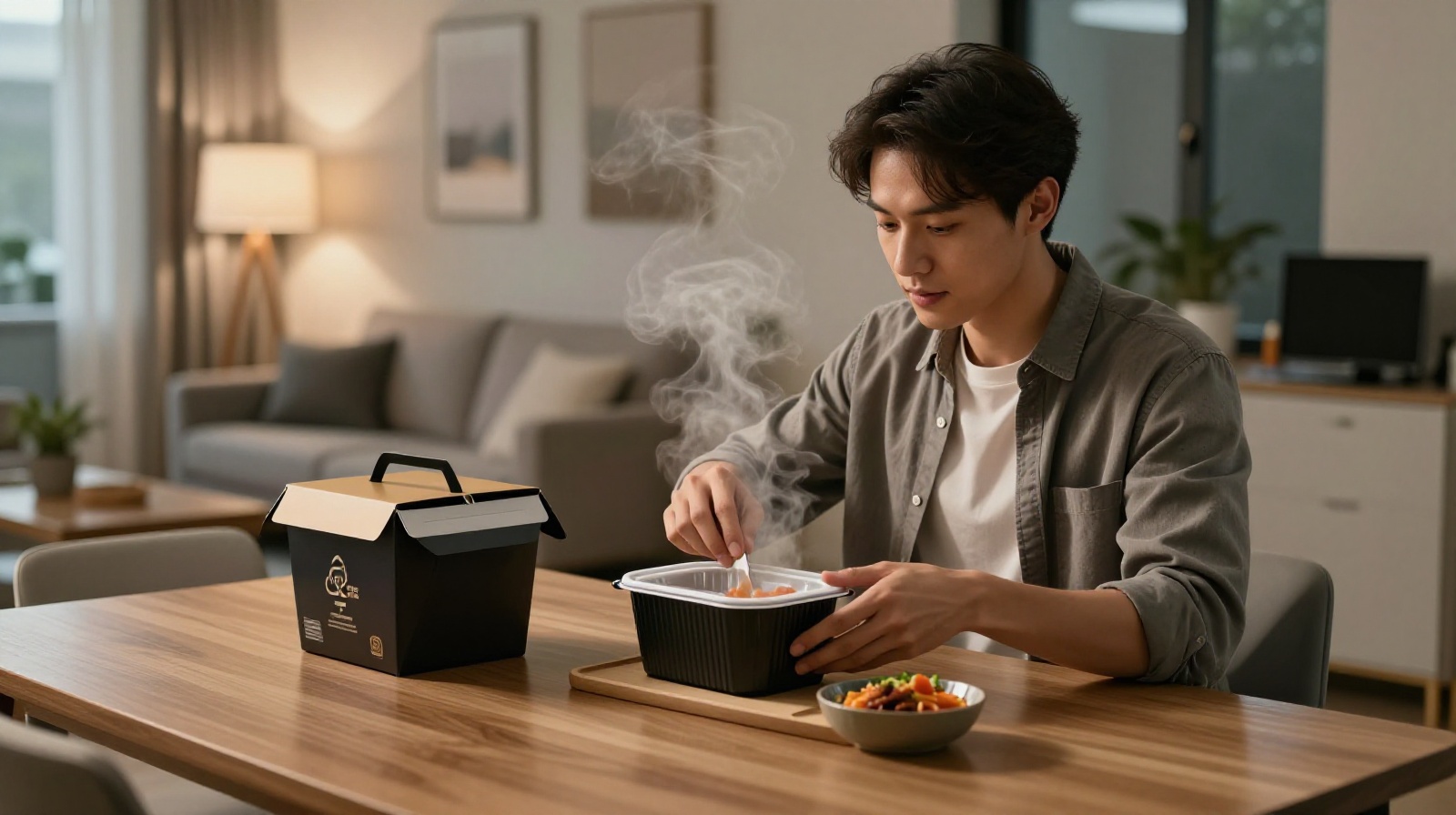

The Shift in the Kitchen: From Home-Cooked Meals to Digital Delight
At 7:30 PM on a Tuesday, the smell of stir-fried garlic greens fills the apartment of Lin Yue, a 32-year-old marketing manager in Shanghai. But she isn’t cooking. She is reheating a meal bought online three hours earlier. This scene is becoming increasingly common across Chinese cities. The traditional family kitchen, once the heart of domestic life, is rapidly transforming into a space for assembly rather than creation.
For many young professionals and dual-income families, time is the scarcest resource. The average commute in tier-one cities like Beijing or Shanghai can exceed an hour each way. By the time they return home, the energy required to chop vegetables, simmer soups, and clean up feels insurmountable. Enter the digital solution: food delivery apps.
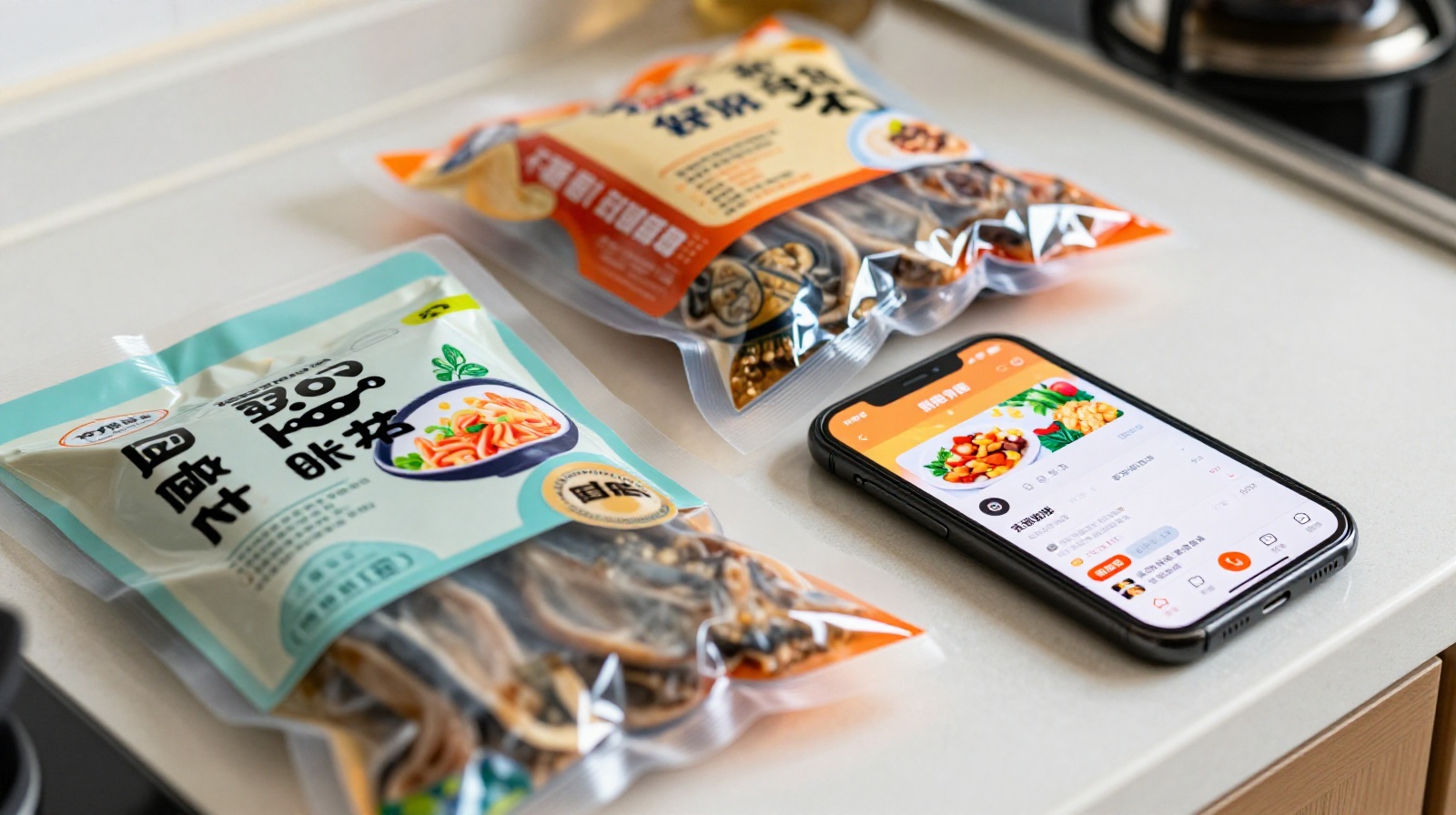
The Rise of ‘Pre-made Meals’ (Yuzhicai): Factory Efficiency vs. Home Taste
Behind every delivered order—and increasingly, inside many restaurant kitchens—lies a new player in China’s food ecosystem: Yuzhicai, or pre-made meals. These are fully cooked or partially prepared dishes produced in central factories, vacuum-sealed, and distributed to consumers or restaurants.
The appeal is undeniable. For fast-food chains and mid-range restaurants, these kits reduce labor costs, minimize waste, and ensure that a bowl of beef noodles tastes exactly the same in Guangzhou as it does in Harbin. For busy families, they offer a shortcut to a hot meal without the prep work.
However, this efficiency has sparked intense debate. Critics argue that Yuzhicai strips food of its cultural soul—the ‘wok hei’ (breath of the wok) and the nuance of handmade preparation. There is also a growing anxiety about what exactly is inside those vacuum packs: preservatives, high sodium levels, or unknown additives?
Community Group Buying: Supermarket Disruptions in the Neighborhood
While delivery apps focus on immediate gratification, another trend is reshaping how Chinese families buy groceries: community group buying. This model relies on a local ‘group leader’—often a convenience store owner or a stay-at-home parent—who aggregates orders from neighbors for next-day pickup.
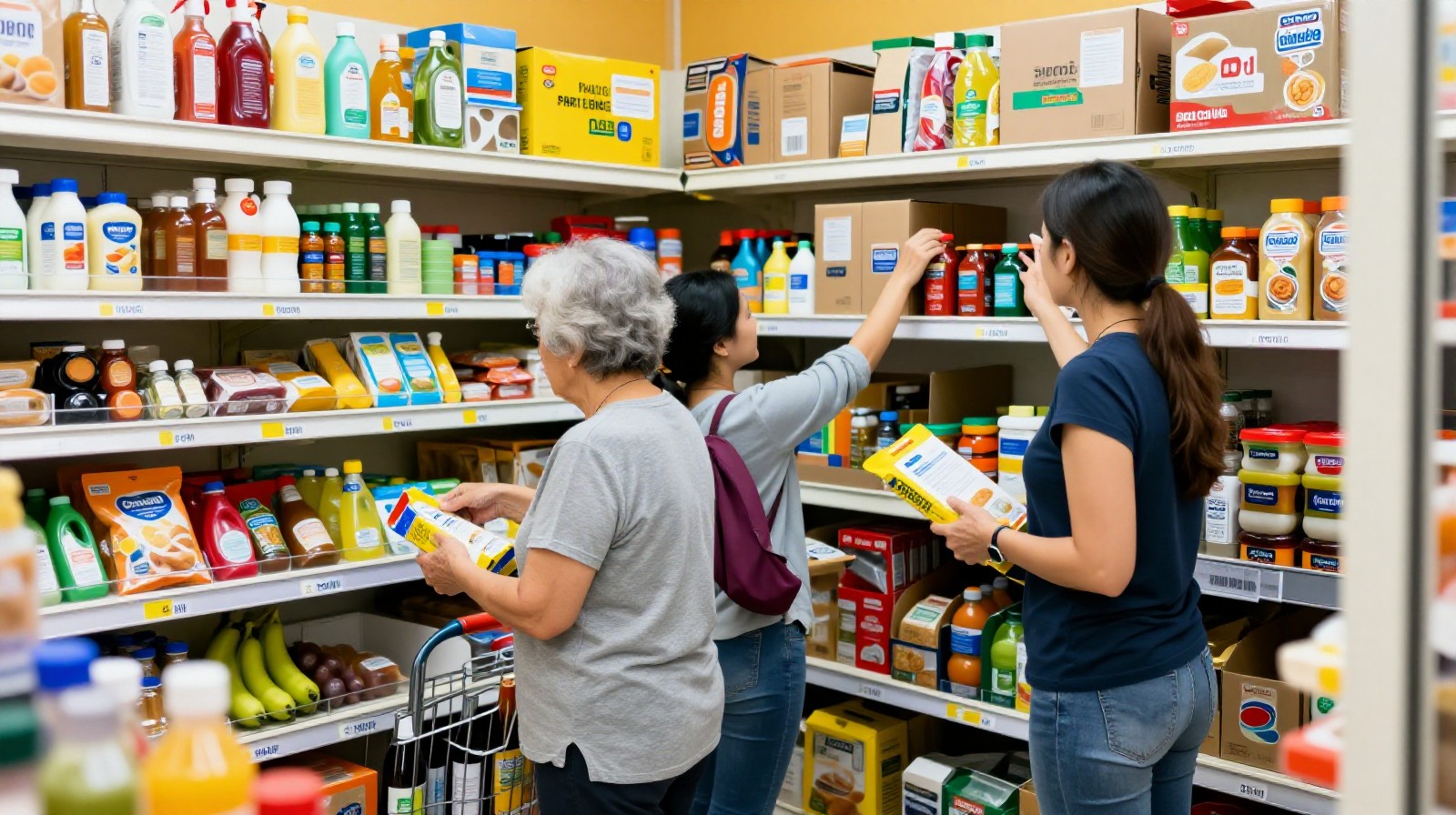
Platforms like Pinduoduo and Meituan have turned residential buildings into micro-distribution hubs. For elderly residents who may struggle with technology, the community leader acts as a bridge, picking up bulk goods at discounted prices that traditional supermarkets cannot match. It’s a hybrid of ancient neighborhood trust and modern supply chain logistics.
The Safety Concern: Transparency, Ingredients, and the ‘Unknown’ in Your Box
Despite the convenience, food safety remains the primary concern for Chinese consumers. Recent scandals involving expired ingredients or misleading labels have heightened public sensitivity. When ordering from an app, you rarely know if your meal was cooked fresh in a nearby kitchen or heated from a factory-produced pouch.
The ‘black box’ nature of production is what worries many. In China, where food culture is deeply tied to health and freshness (xian), the idea of eating food that may have been processed weeks ago feels alien to many traditional values. The lack of clear labeling for Yuzhicai in restaurants exacerbates this distrust. Diners often feel deceived when they pay restaurant prices for factory-made content.
The Convenience Trade-off: Why Many Chinese Families Accept the Risk
So why do millions continue to embrace these changes? The answer lies in the pragmatic reality of modern urban life. For many, the trade-off is clear: safety risks are perceived as manageable, while time savings are tangible and immediate.
Moreover, regulatory frameworks in China are tightening rapidly. The government has begun implementing stricter standards for pre-made meal production and labeling requirements. As technology improves—such as blockchain tracking for supply chains—the ‘unknown’ factor is slowly being replaced by data. For the average family, the convenience of having dinner ready in ten minutes outweighs the abstract risk of industrial processing.
Future Perspectives: Regulation, Technology, and the Evolving Chinese Table
The future of China’s food landscape will likely be a hybrid one. Traditional home cooking hasn’t disappeared; it has just moved to weekends or special occasions. Weekday dinners are increasingly dominated by efficiency-driven solutions.
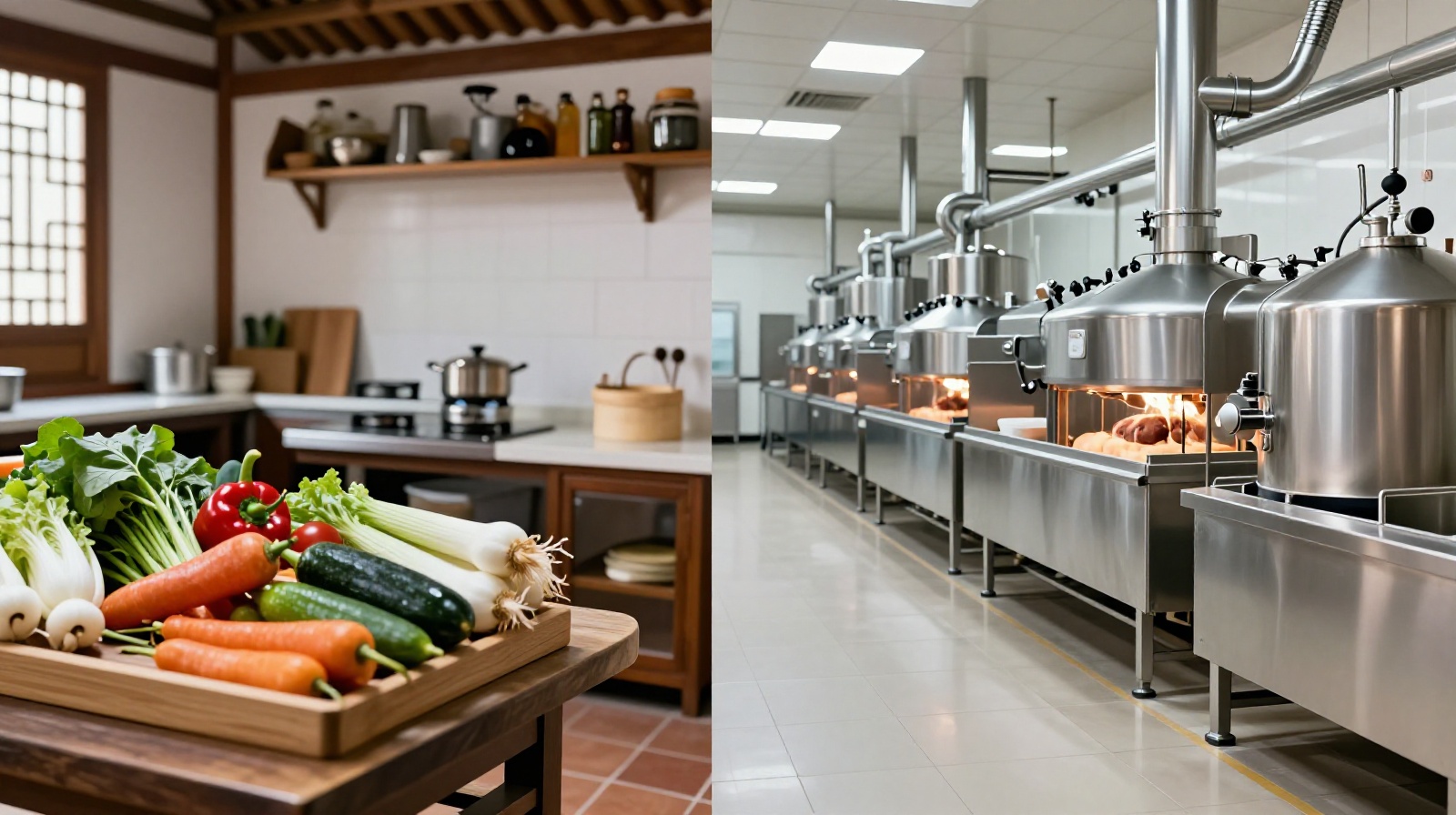
As regulations clarify and consumer education grows, we may see a bifurcation in the market: premium, transparently sourced fresh meals for those who prioritize health and taste, and affordable, standardized options for those prioritizing speed. The Chinese dinner table is not losing its soul; it is adapting to the rhythms of a high-speed society. Understanding this shift requires looking beyond headlines and observing the quiet decisions families make every evening about what goes into their bowls.