

The End of the Baijiu Ritual
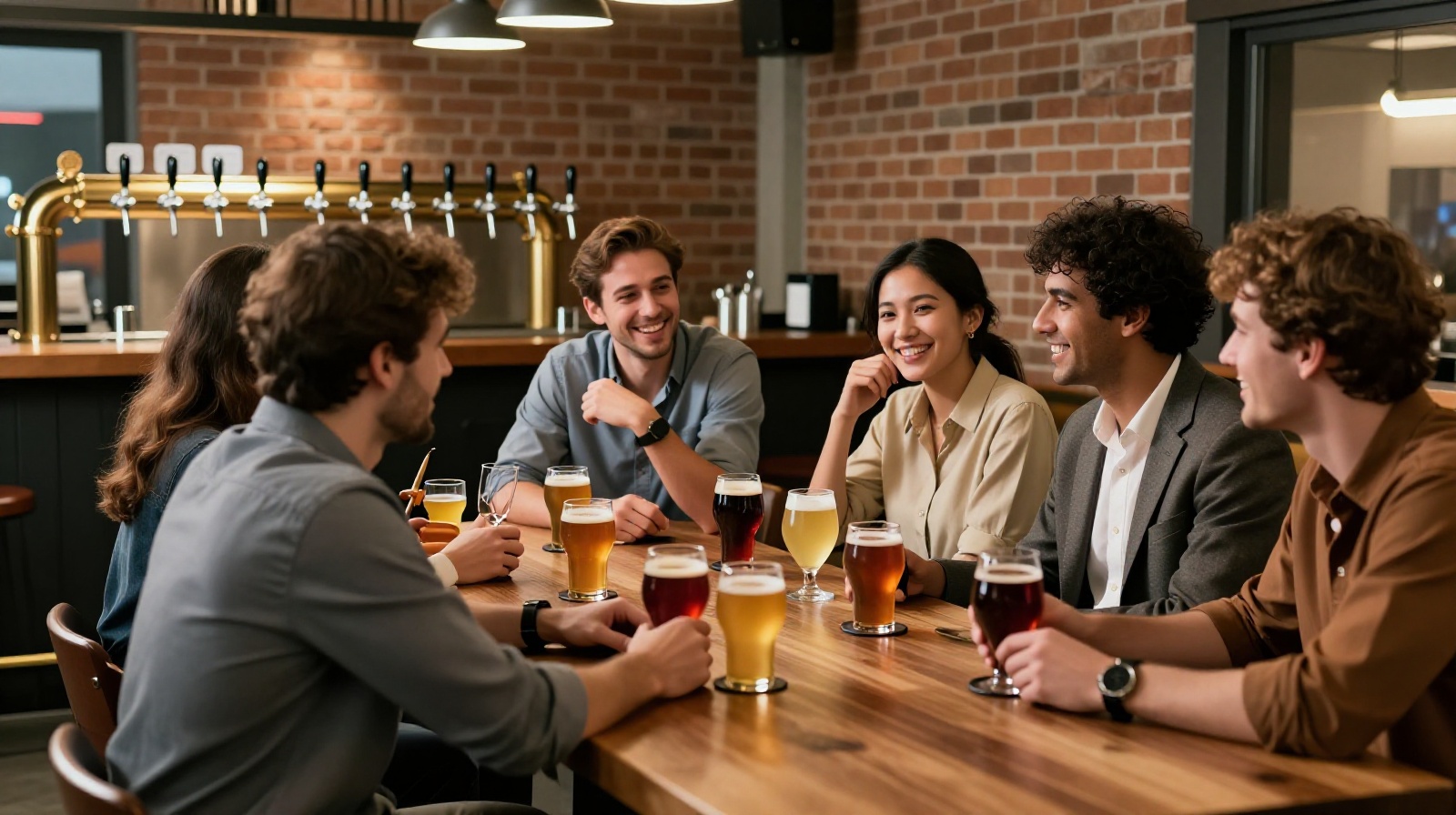
It is 9:30 PM on a Friday in Shanghai’s Jing’an district. Inside a dimly lit, brick-walled Taphouse, the air smells faintly of roasted malt and hops, not the sharp, medicinal sting of traditional Baijiu. A group of six young professionals—engineers, designers, and marketers—are gathered around a high wooden table. They are laughing, but the laughter is easy, unforced.
Five years ago, this gathering might have looked very different. It likely would have taken place in a private room at a restaurant, centered around a large round table dominated by bottles of Maotai or Wuliangye. The focus then was not on taste, but on hierarchy and endurance. The ritual involved “Ganbei” (bottoms up), where refusing a toast could be seen as a sign of disrespect or weakness.
Today, that pressure is fading among the post-90s and post-00s generations. For many young Chinese, the traditional Baijiu culture feels like an outdated social contract—one that prioritizes corporate loyalty over personal comfort. The rise of craft beer and wine bars is not just a trend in beverage preference; it is a quiet rebellion against this old order.
The Rise of Taphouses and Natural Bars
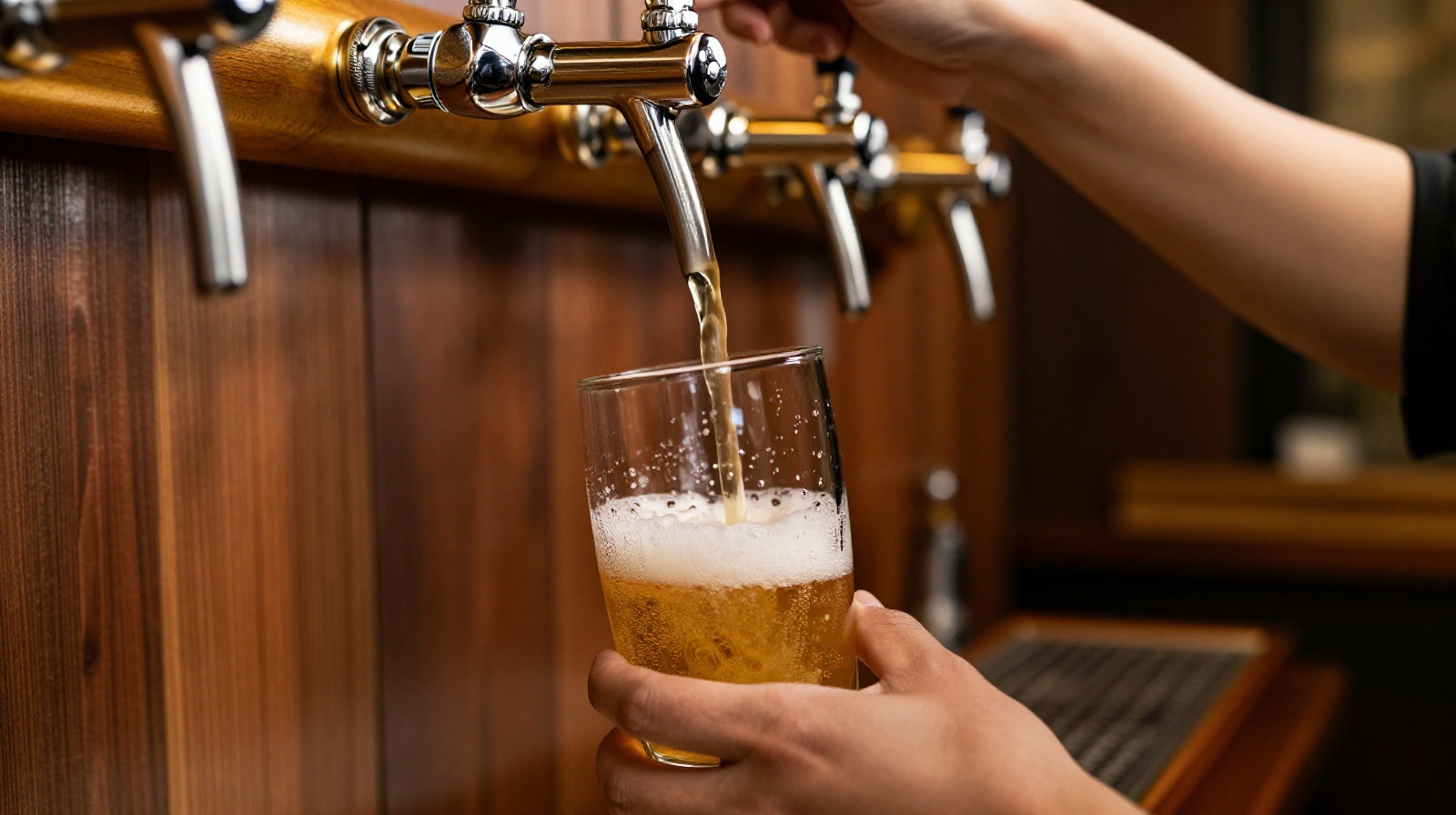
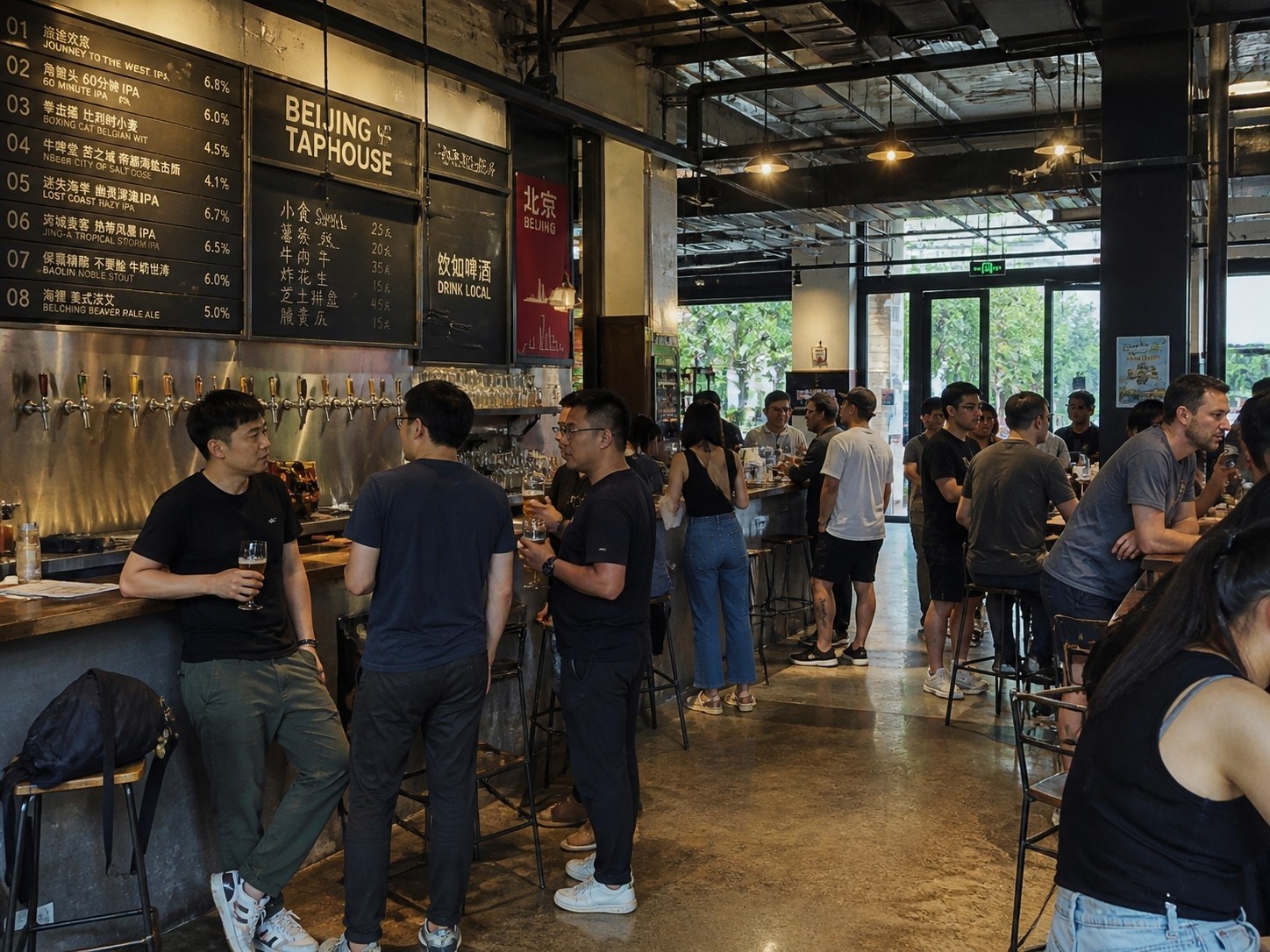
In cities like Shanghai, Beijing, and Chengdu, the nightlife landscape has transformed. The “Taphouse,” a term borrowed from Western craft beer culture, has become a staple for young urbanites. These are not loud clubs with expensive bottle service, but intimate spaces where you can watch a bartender pour a pint of IPA (India Pale Ale) or a sour ale directly from the tap.
The aesthetic is distinct: exposed pipes, concrete floors, and rows of taps that change weekly based on what local breweries like 605 Brewing or Pivo have produced. The drinks are unfiltered, complex, and often bitter—far removed from the sweet, mass-produced lagers that dominated Chinese tables for decades.
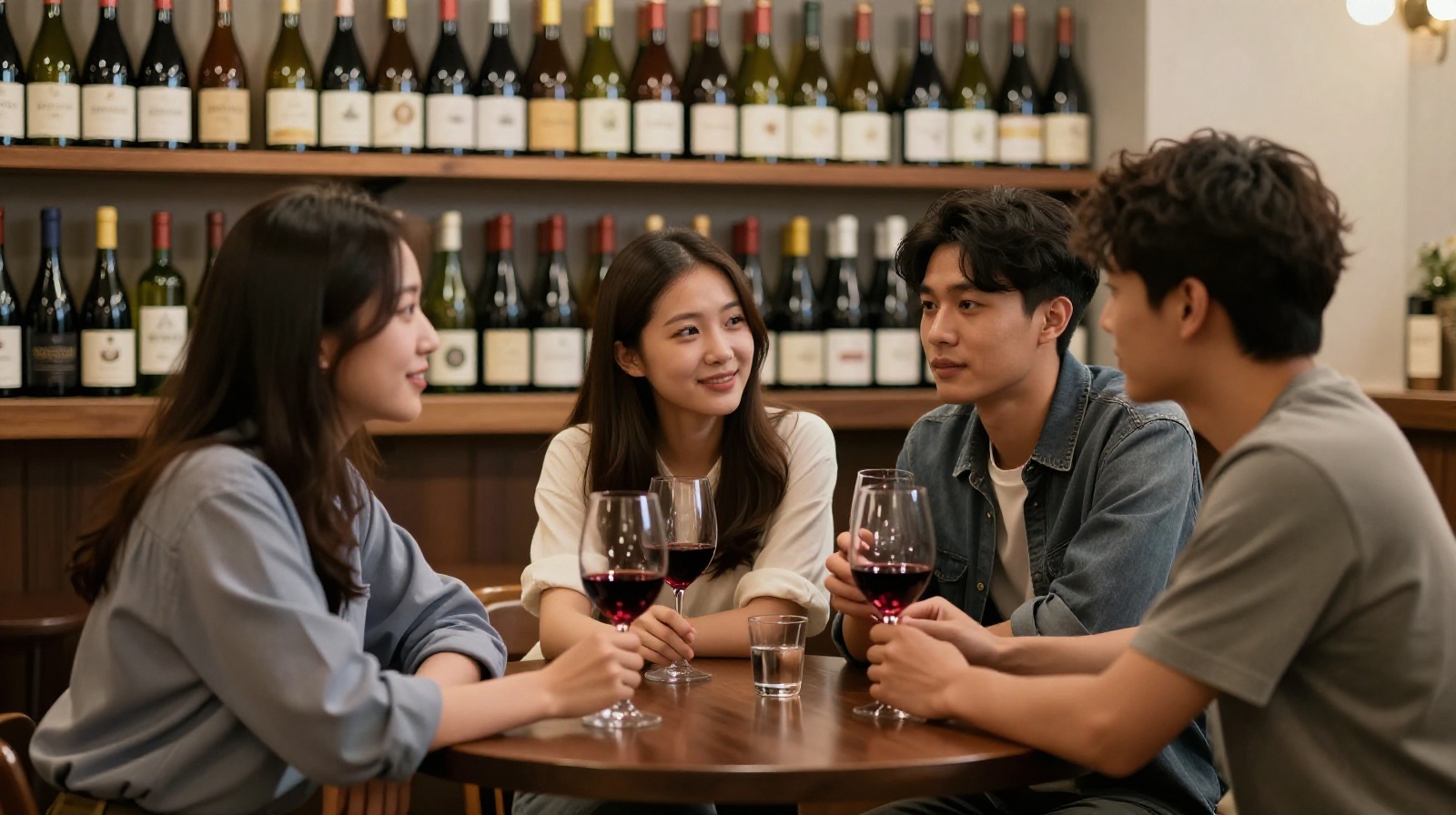
Wine is having a similar renaissance. Natural wine bars, which serve organic, low-intervention wines, are popping up in renovated Shikumen buildings in Shanghai or converted factories in Beijing. Here, the conversation shifts from “who drinks how much” to “what does this taste like?” Young consumers are educating themselves on regions, grapes, and vintages, treating alcohol as a cultural artifact rather than a social lubricant.
New Rules: AA System and Personal Space
This shift in beverage choice comes with a change in social etiquette. The most significant difference is the acceptance of “AA” (going Dutch). In traditional settings, splitting bills can be awkward, often leading to a competitive display of generosity by the host or senior colleague.
In the craft beer and wine scene, AA is standard practice. It reflects a broader value shift: respect for individual boundaries and financial independence. No one expects you to buy their drink; everyone pays for their own experience. This creates an environment where people feel free to choose what they like without fear of judgment or obligation.
Furthermore, the atmosphere encourages conversation rather than performance. You don’t have to shout over loud music or force yourself to drink until you’re sick. The pace is slower. People sip, talk about work, hobbies, or travel, and leave when they want to. It’s drinking as a hobby, not a duty.
Taste Over Obligation
For international observers, this might seem like a minor change in consumption habits. But in China, where alcohol has long been tied to Guanxi (social networks) and business deals, it is profound. The younger generation is decoupling socializing from intoxication.
Liu Wei, a 28-year-old software developer from Shenzhen, explains it simply: “I don’t drink to impress my boss anymore. I drink because I like the taste of this Belgian Tripel or this Chinese craft stout. If I’m full after two glasses, I stop. That’s it.”
This pragmatism is reshaping China’s social fabric. It allows for more authentic connections, where relationships are built on shared interests rather than shared suffering under a bottle of Baijiu. As Chinese youth navigate the pressures of modern life—long work hours and high housing costs—they are choosing leisure that recharges them, not drains them.
A New Social Contract
The transition from Baijiu to craft beer and wine is more than a palate shift; it’s a generational statement. It signals that young Chinese value authenticity, personal choice, and health over rigid tradition. While the old ways are not disappearing entirely—family weddings and formal business dinners still use Baijiu—the daily social life of the urban youth has changed.
If you visit a Taphouse in Shanghai tonight, you won’t see people toasting each other’s status. You’ll see them discussing the notes of cherry in a Pinot Noir or the hop profile of a local IPA. They are drinking not to prove anything, but simply to enjoy the moment. And in that simple act, a new Chinese social identity is being brewed.