

Steam and Stone: A Morning in Shaoxing
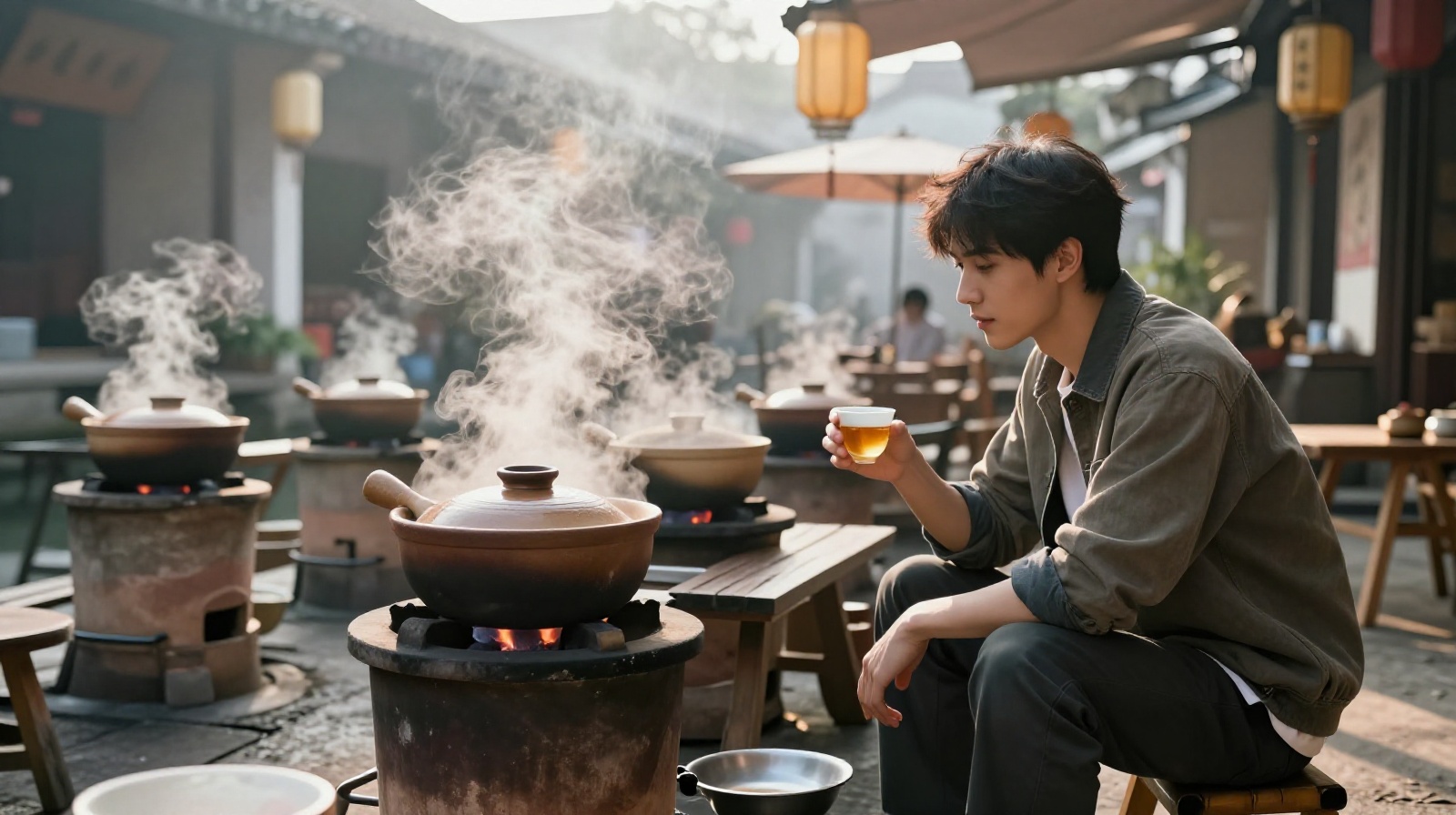
The air in this old alley smells of wet stone, fermented rice, and woodsmoke. It is just past 6 a.m., the hour when the day’s first deliveries arrive at the local market. I am sitting on a low wooden stool outside “Old Chen’s Tavern,” a spot so small it barely fits four people. Inside, the air is thick with steam rising from clay pots simmering over charcoal fires.
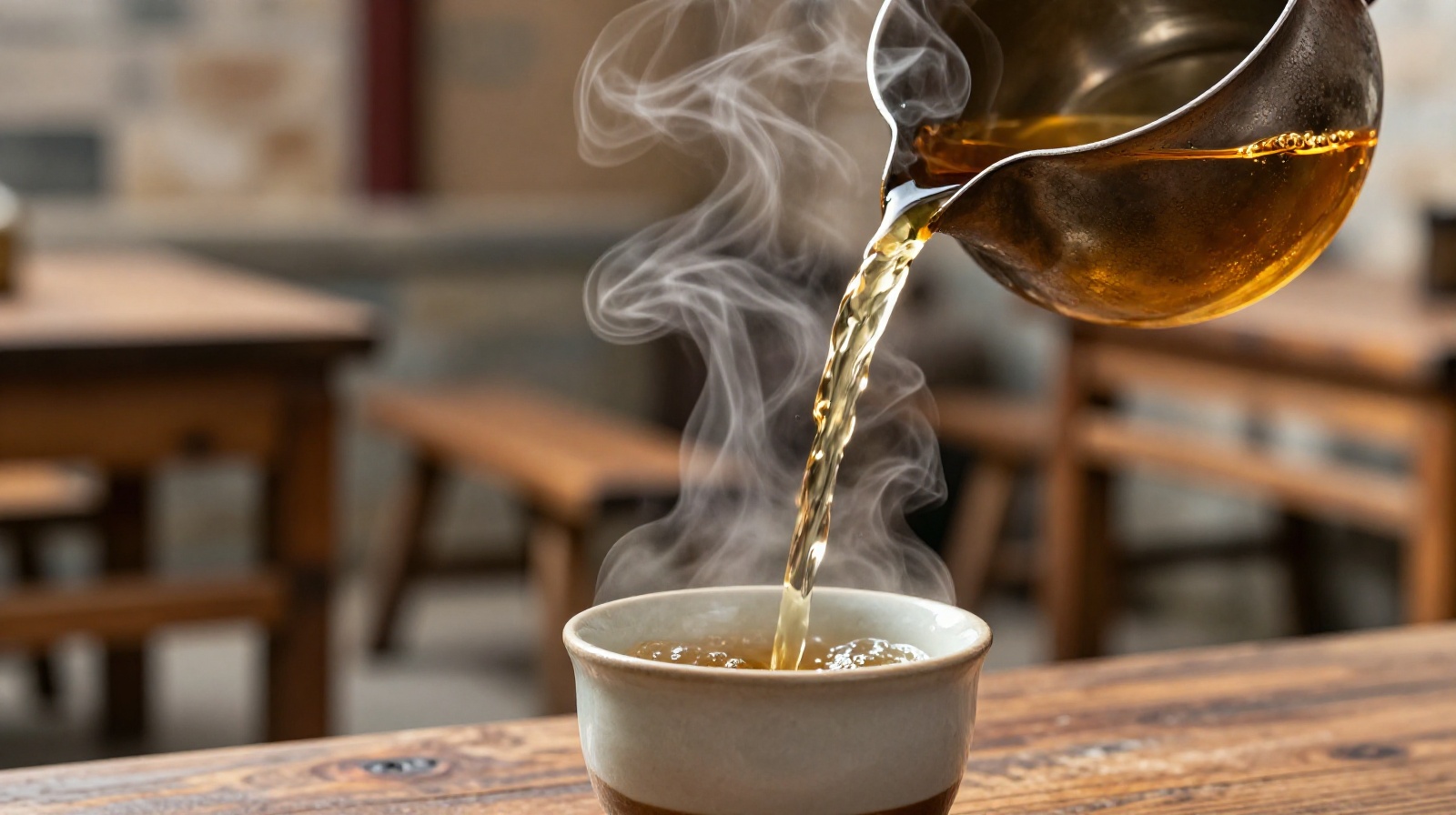
Chen, the owner, slides a small, unglazed ceramic cup across the counter. “Warm it up first,” he says in Shaoxing dialect, his hands moving with practiced ease as he pours the amber liquid from a large iron pot into the small clay vessel. This is not just any drink; it is yellow wine, or Huangjiu, one of China’s oldest fermented beverages.
A Sip of History: The Daughter Red and the Scholar’s Red
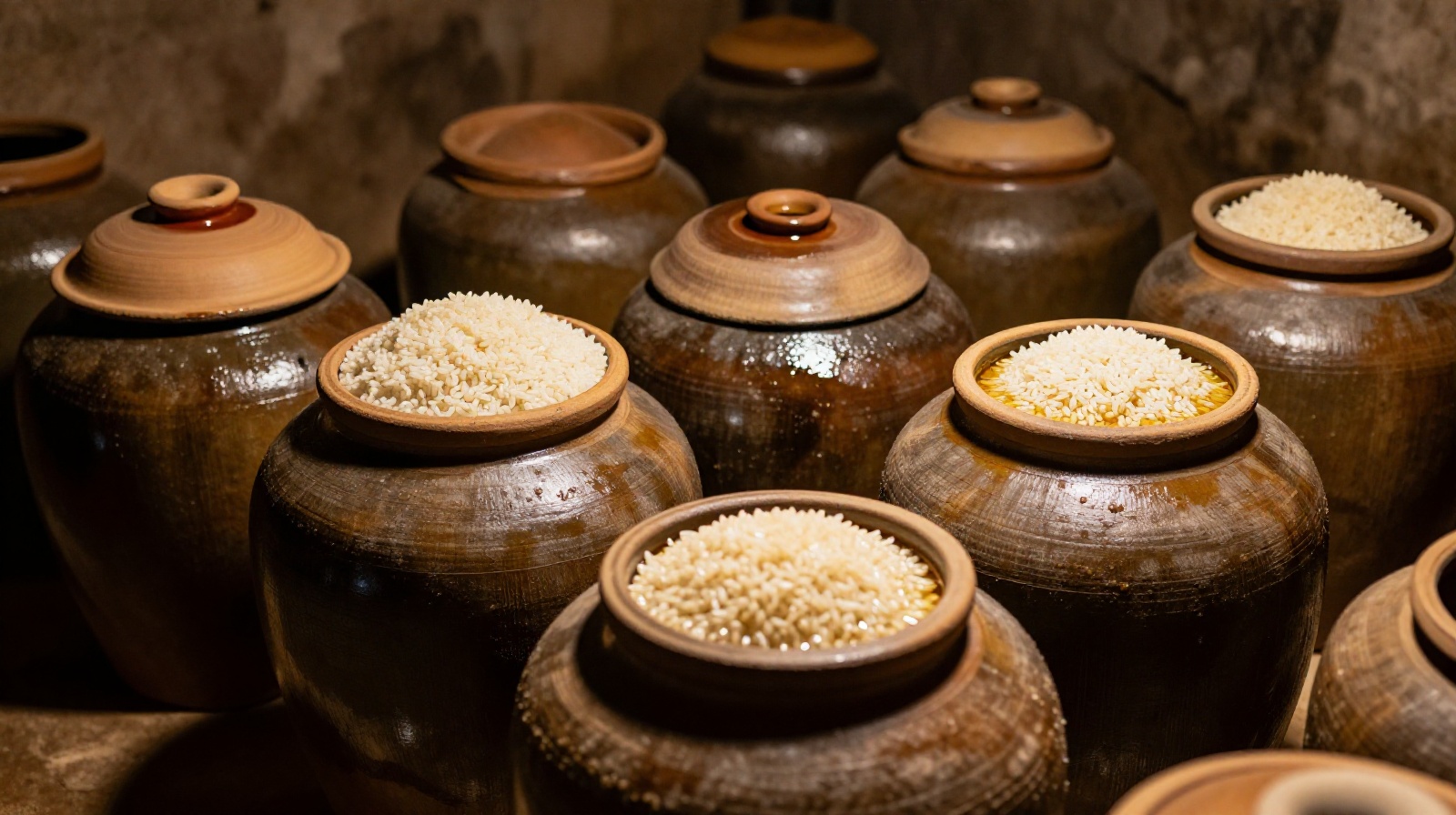
In Chinese culture, this amber liquid carries stories that predate most modern nations. For centuries, families have buried jars of yellow wine under their courtyards to celebrate life milestones. If a daughter is born, they bury a jar called “Daughter Red.” Twenty years later, on her wedding day, the jar is dug up and served to guests. If a son is born, it’s the “Scholar’s Red,” meant for his success in the imperial exams or, today, graduation.
“Time changes everything,” Chen says, wiping the counter with a rag. “The rice ferments, the harshness disappears, and only the sweetness remains.” It is a metaphor that resonates deeply here. In Shaoxing, time isn’t just measured in years; it’s measured in the slow oxidation of alcohol.
The Flavor Profile: Warmth vs. Cold
Unlike Western wines or spirits, yellow wine is rarely drunk straight from a chilled bottle. The traditional method involves warming the wine to around 40-50 degrees Celsius (104-122°F). As it heats, the aroma transforms. What was hidden beneath the grainy surface bursts forth: notes of roasted chestnuts, dried longan, and a faint hint of caramel.
The taste is complex yet approachable. It’s not dry like a Cabernet nor sharp like vodka. Instead, it feels creamy, almost viscous, with a lingering sweetness that coats the tongue. When served warm, it opens up the deeper, nuttier flavors. But try it cold or over ice, and you get a crisp, refreshing drink that highlights its natural fruitiness—a method gaining popularity among young people who find the traditional warmth too heavy.

A Modern Revival: From Elders to Cocktail Bars
For decades, yellow wine was seen as an old man’s drink, something reserved for formal banquets or winter evenings. But that perception is shifting rapidly in cities like Shaoxing and Shanghai. Young creatives are rediscovering it.
I met a group of 25-year-olds at a trendy bar near the canal last night. They were making cocktails using yellow wine as a base, mixing it with fresh lychee, ginger syrup, and even a splash of tonic water. “It’s the perfect balance,” one bartender told me. “The complexity of the wine pairs well with modern ingredients, but it keeps the drink grounded in our culture.” This revival isn’t just about novelty; it’s a reconnection.
Time in a Cup
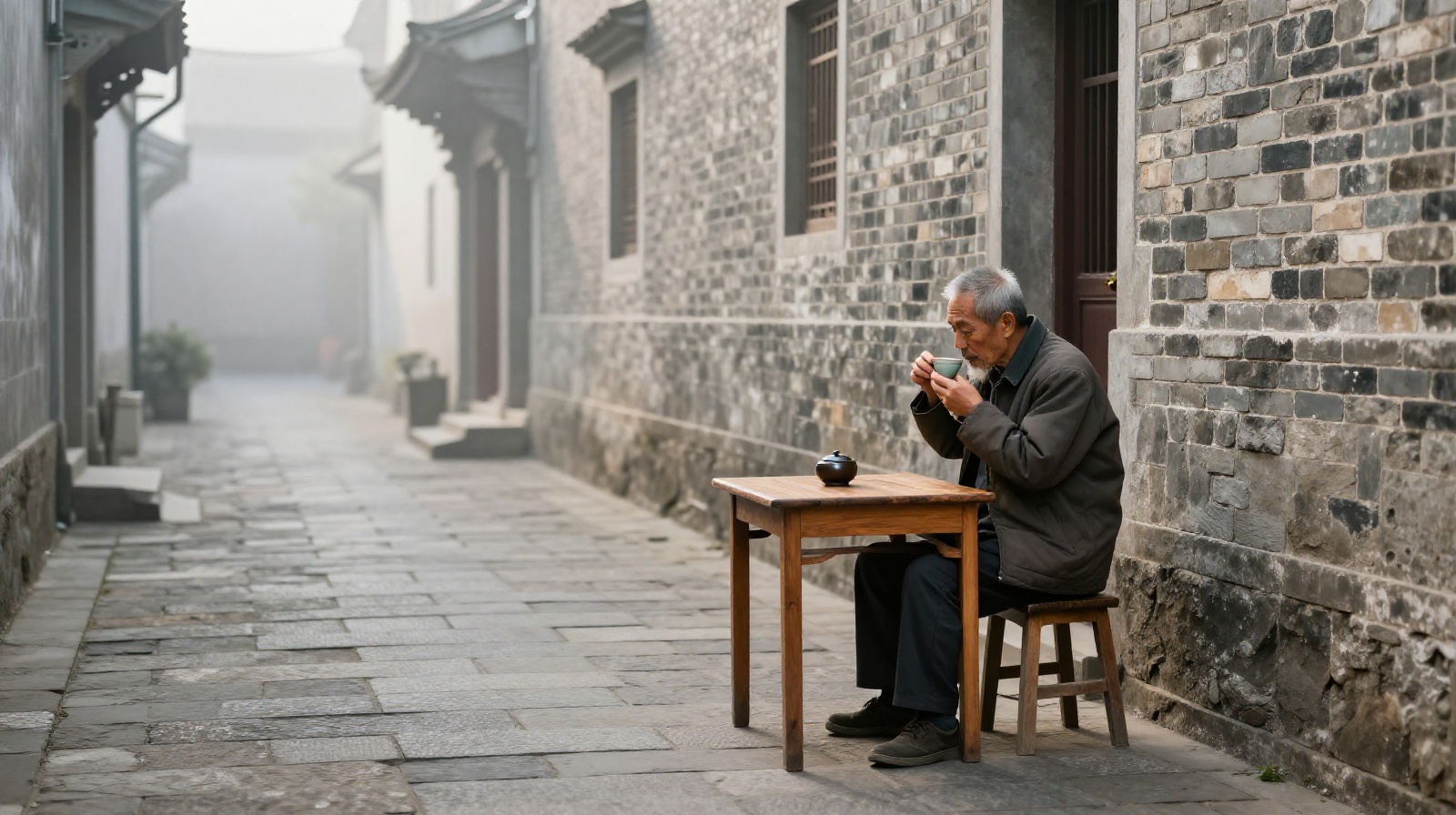
Back at Old Chen’s Tavern, the sun is finally breaking through the mist. I take my third cup. It tastes like patience. In a world obsessed with speed and instant gratification, drinking yellow wine feels like an act of rebellion. It requires waiting for the rice to ferment, waiting for the heat to rise, waiting for the flavor to deepen.
As I finish the cup, Chen smiles. “Drink it slow,” he advises. “You can’t rush time.” In that simple sentence lies the essence of Shaoxing’s yellow wine: it is not merely a beverage, but a tangible reminder that some things are worth waiting for.