

The Silence Before the Plug
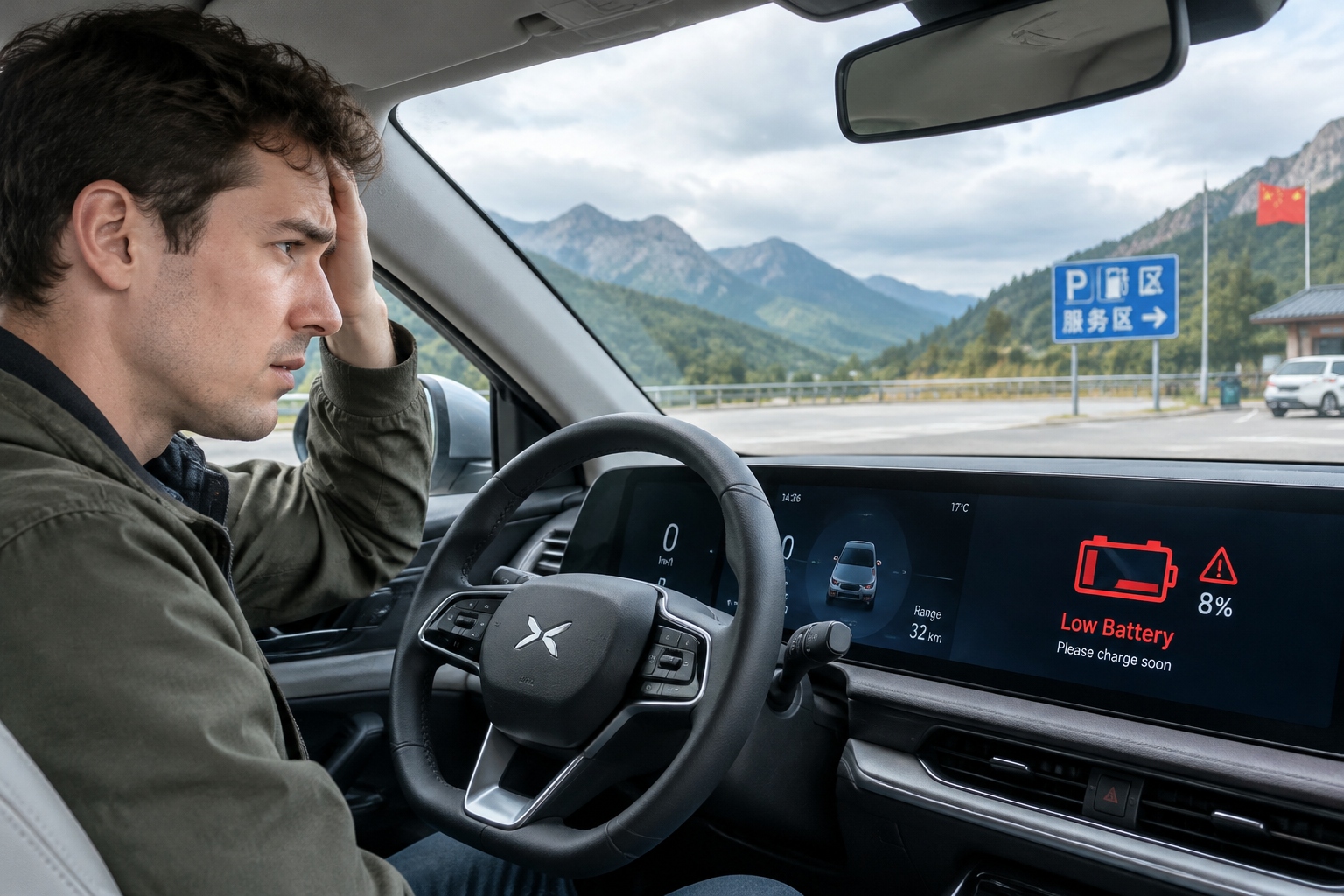
It was 10:45 AM on a Tuesday in November. The temperature outside my Tesla Model Y was hovering around 8°C, a chill that seeped through the glass of the rear window. I sat in a rest area off the G5 Beijing-Kunming Expressway, somewhere in Sichuan province. My battery indicator blinked red at 12%. The silence inside the car was heavy, broken only by the hum of the air conditioning and my own nervous tapping on the steering wheel.
Two thousand kilometers lay ahead: a route cutting through the rugged mountains of southwestern China, crossing from Chengdu to Guangzhou. My question was simple but critical for any foreigner considering an EV road trip in China: Is the charging infrastructure actually ready for long-distance travel, or is it just a polished marketing promise?
The Route and the Reality
I started my journey with 40% state of charge. The first leg involved climbing steep grades in the Qinling Mountains. In an internal combustion engine car, this would be a roar of gears. Here, it was a silent, steady push. My range anxiety was low until I hit the mountain passes where cell signals sometimes flickered.
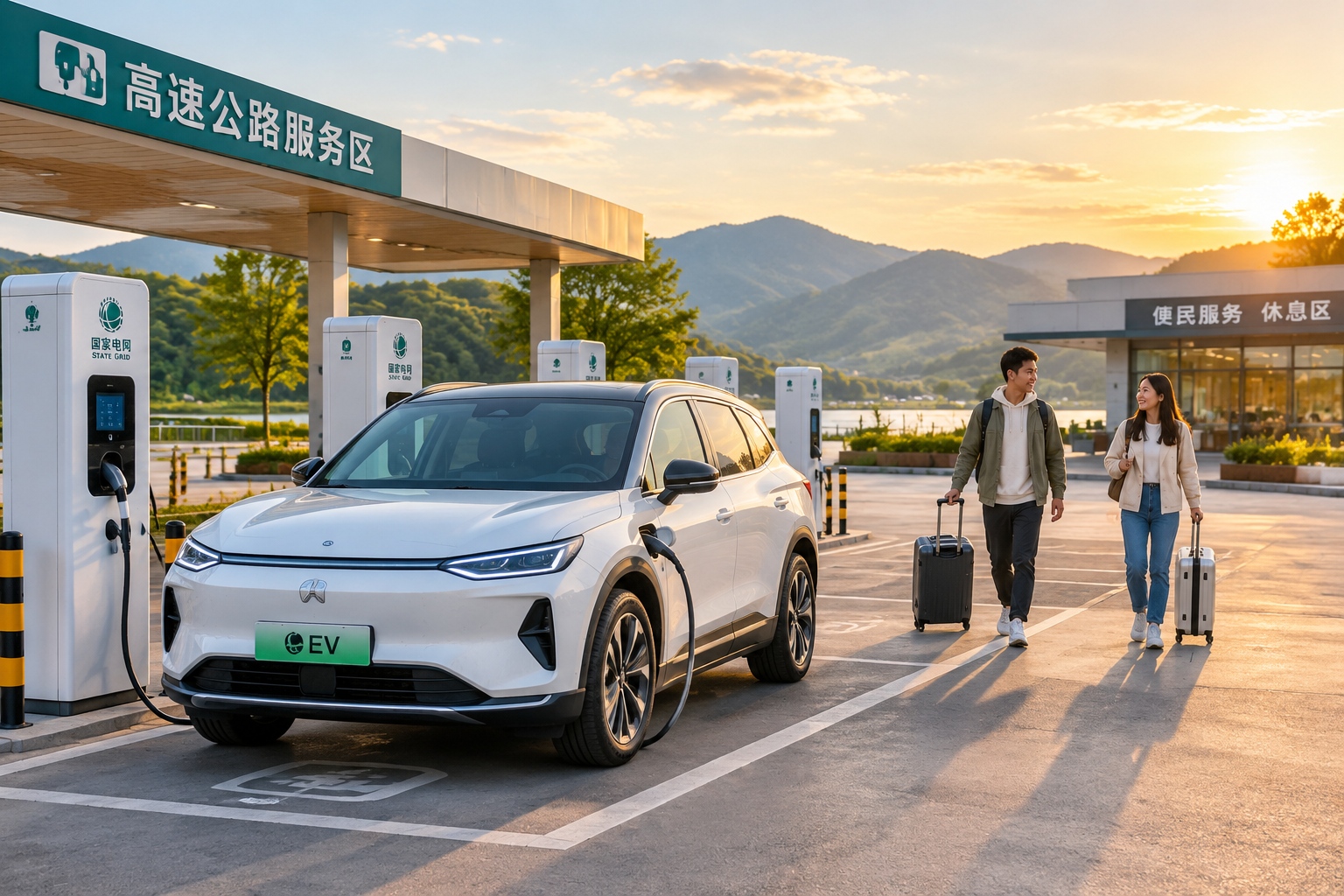
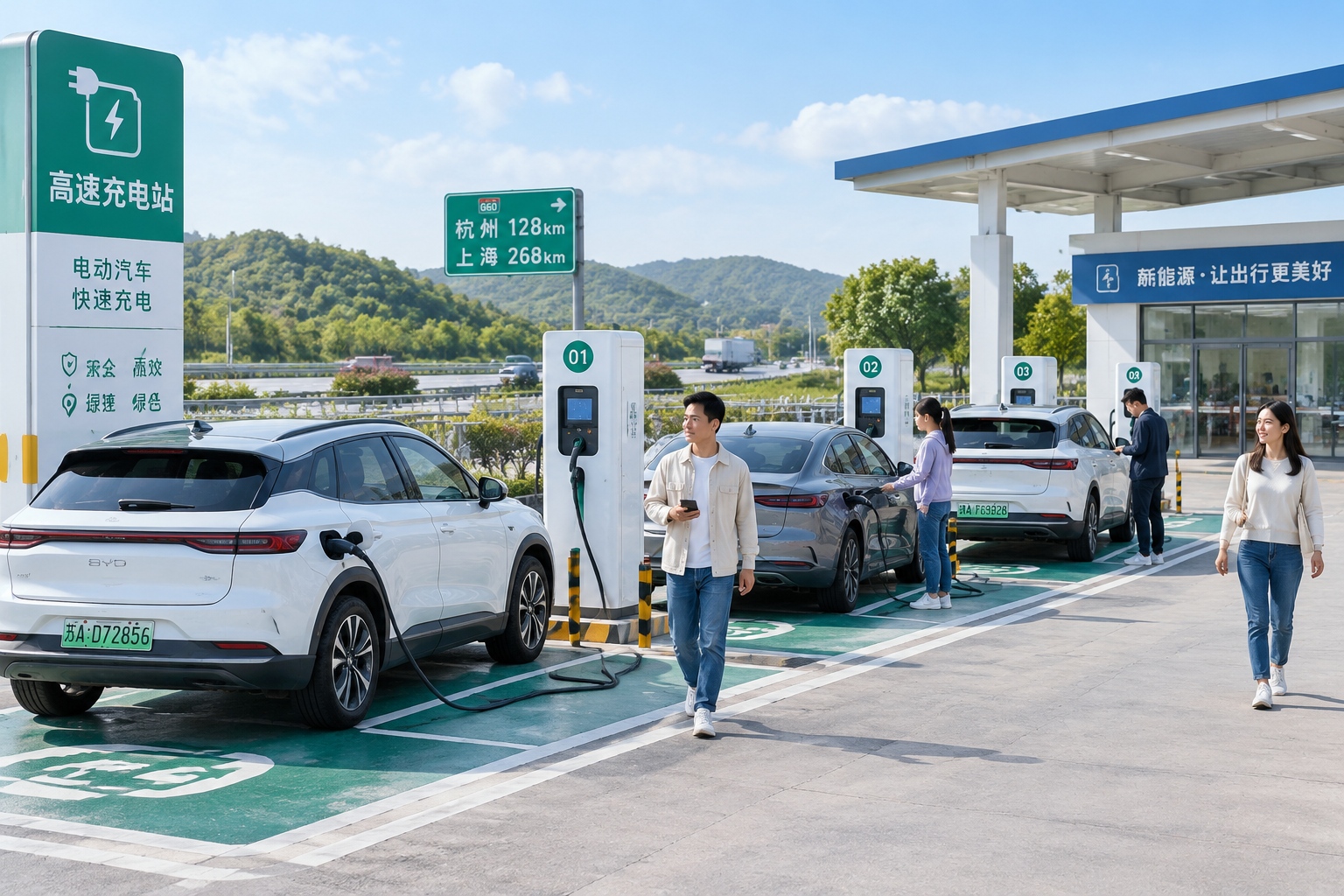
The charging network in China is dense along major highways, but not uniformly so. Along the G5 and G4 expressways, which connect the megacities, the stations are massive. They look less like gas stations and more like small service plazas with rows of sleek white chargers.
However, the experience changes when you leave the main arteries. In rural areas or smaller counties, chargers exist but often lack reliability. I checked three locations in a small town in Guizhou province; one was covered by snow, and another had a broken charging port that didn’t accept my connector.
The Numbers: Wait Times and Reliability
Over the 2,000 kilometers, I plugged in seven times. The data is telling:
- Average Waiting Time: 18 minutes during weekdays. This jumped to 45 minutes on weekends due to high demand.
- Charger Breakdown Rate: About 10% of the stations I visited had at least one non-functional charger, though most others were working fine.
- Speed: DC fast chargers added about 250km of range in 30 minutes, which is standard for modern EVs.
The biggest surprise wasn’t the technology; it was the ecosystem. At a state-run service area near Wuhan, I found not just chargers, but a McDonald’s, a hot food counter, and free high-speed Wi-Fi. The experience felt seamless. You charge while you eat, and by the time your meal is ready, your battery is full.

Peak Season Anxiety
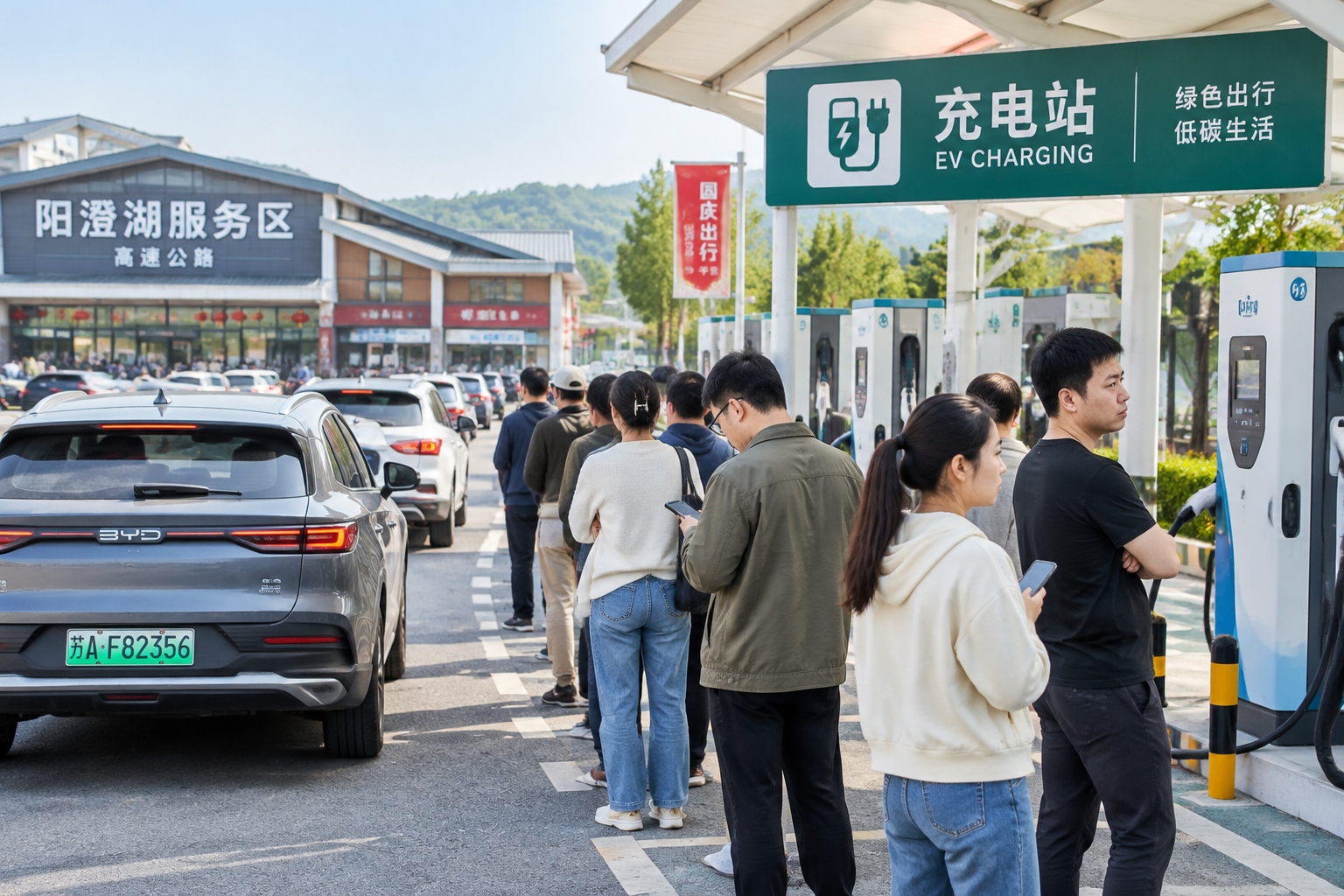
I arrived in Guangzhou just as the National Day holiday rush began the following week. This is where the “China EV Myth” meets reality. During peak travel seasons, highway rest stops become battlegrounds for power.
I watched a local driver from Guangdong argue with an attendant because his charger had been unplugged by someone else who didn’t finish their session. The frustration was palpable. However, the response from the service staff was quick and organized. They were directing traffic, managing queues, and even offering to move a car that finished early to make space.
For a foreigner visiting during holidays, the advice is simple: charge early in the morning or late at night when crowds thin out. Avoid major rest stops between 12 PM and 4 PM on weekends.
The Verdict
Is China ready for an electric road trip? Yes, but with a caveat. The network is mature enough for highway travel between major cities and tourist hubs. The technology works, the apps are user-friendly (even in English), and the speed of charging has improved dramatically.
But it is not perfect. Rural areas still pose challenges, and reliability can be hit-or-miss during peak times. If you plan a trip like mine—2,000 kilometers across diverse terrain—you need to plan your stops carefully, download offline maps, and keep a backup charging app handy.
For the average traveler who sticks to main routes, the experience is smooth and surprisingly quiet. The days of range anxiety are slowly fading, replaced by the mundane reality of planning a meal break that doubles as a battery top-up. China’s EV infrastructure is no longer just a promise; it is a functioning, albeit imperfect, part of daily life.
Start the discussion at forum.chinacomes.com