

A Fork in the Road: Why Taste Varies by a Few Hundred Miles
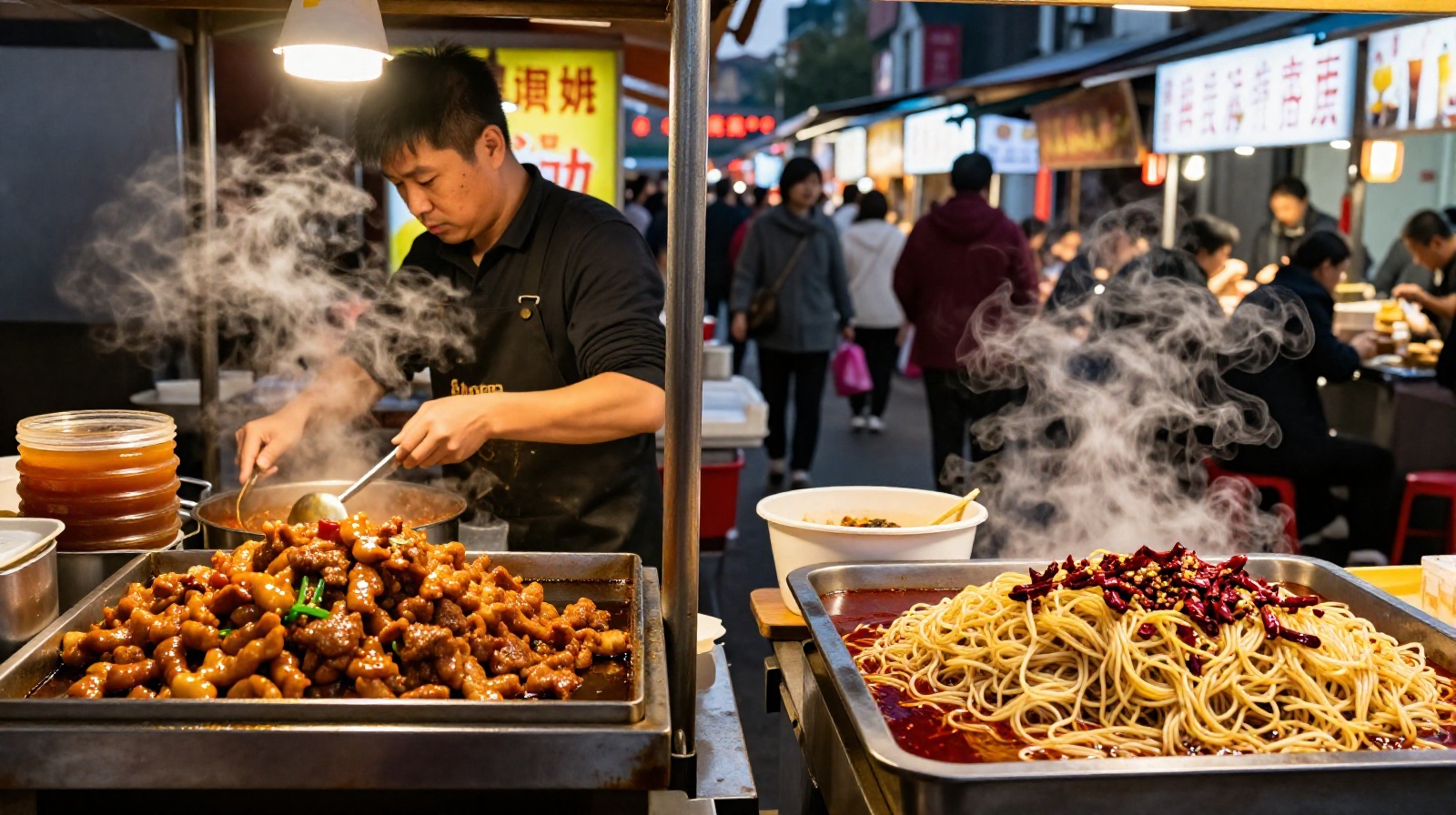
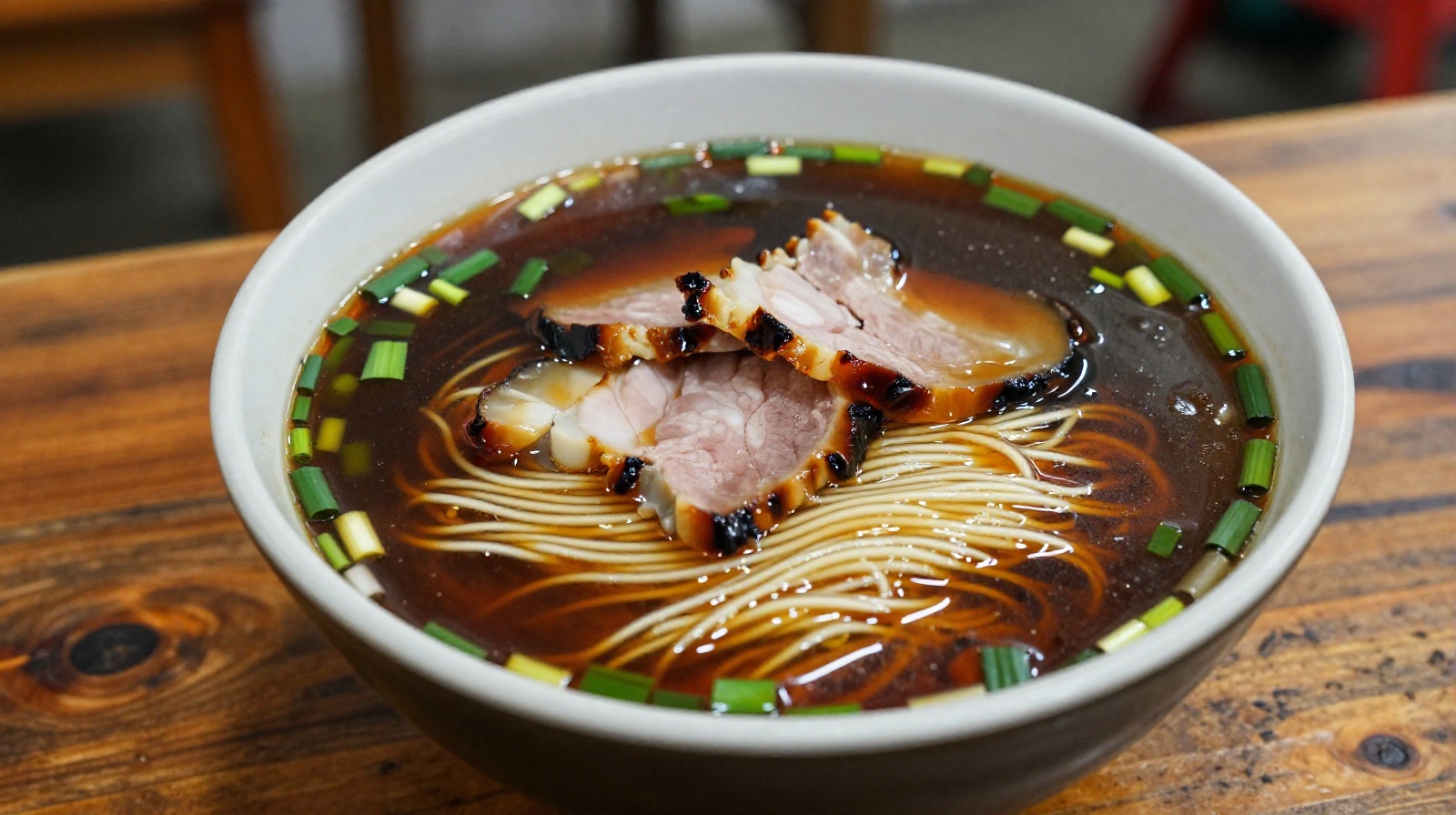
Imagine this: You are sitting in a small breakfast stall in Suzhou. The server places a bowl of noodles in front of you, ladling a rich, dark broth that is distinctly sweet. It tastes like caramelized meat sauce mixed with savory soy.
Now, fast forward three hours to Chongqing, in the southwest. You order beef brisket noodles. The broth here is heavy on chili oil and salt, designed to wake you up after a humid morning. There is no hint of sweetness here; just bold, spicy heat.
If you only know ‘Chinese food’ as stir-fry from an American takeout box, this contrast will confuse you. But for millions living in China, this difference isn’t just about preference—it’s geography on a plate.
China is not a single culinary country. It is a continent-sized nation where climate, history, and local resources dictate what goes into the pot. The divide between sweet and salty is one of the most visible markers of this diversity.
The North: Where Salt Was Survival
In northern China, particularly in provinces like Shandong and Beijing, salt has historically been a matter of life and death. For centuries, harsh winters meant fresh vegetables were scarce. People needed to preserve meat and cabbage for months.
High-salt pickles (like the famous pao cai) and soy sauce-based stews were not just flavor choices; they were survival tools. The northern climate is dry and cold. Salt helps the body retain heat and preserves food without refrigeration.
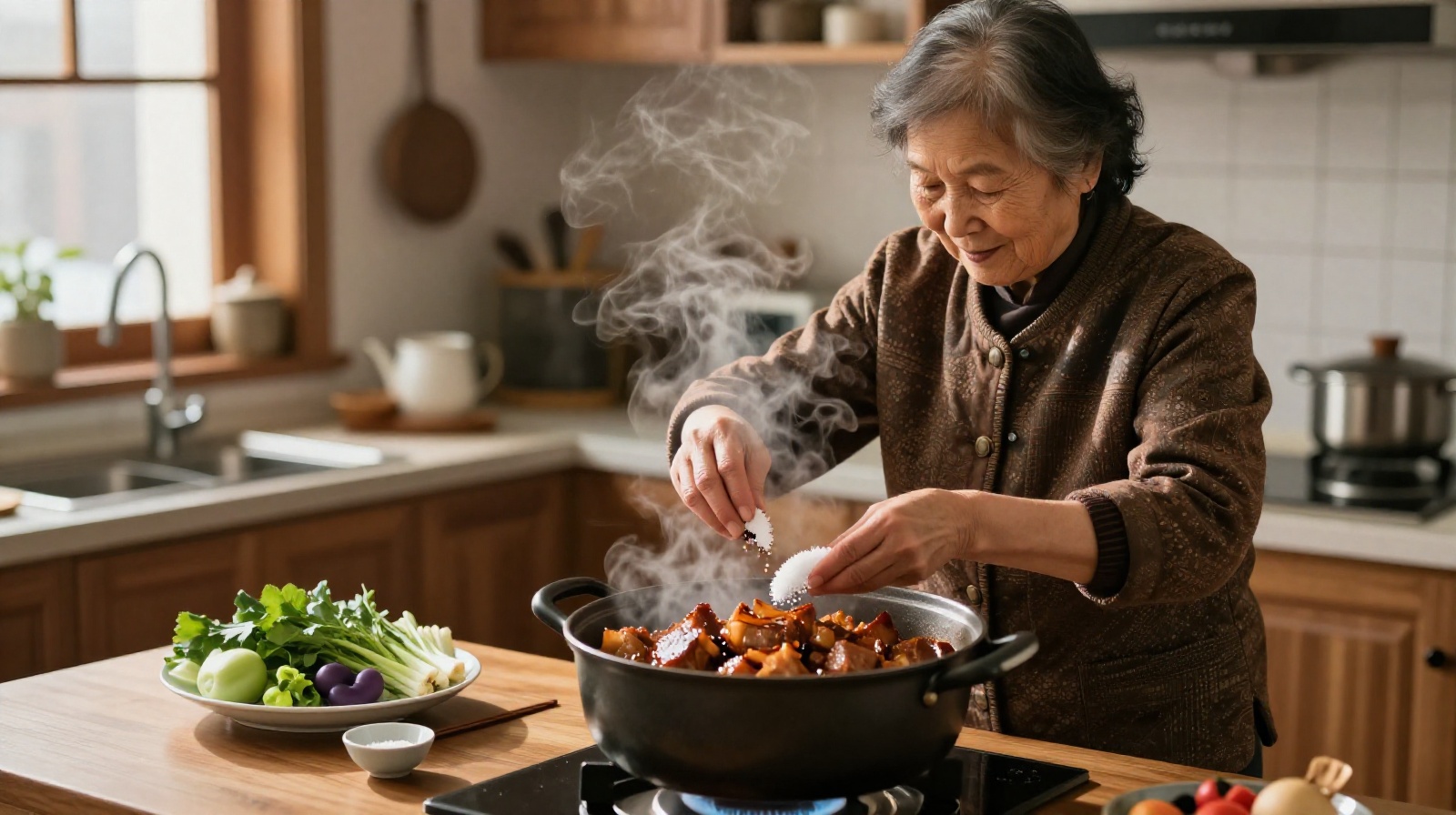
I spoke with Li Wei, a 58-year-old teacher in Beijing. In his family’s kitchen, taste hasn’t changed much over the last forty years. ‘Our grandmothers used salt to keep winter vegetables edible,’ he explained while stirring a pot of braised pork belly. ‘Today, we still love that deep, salty umami. It feels like home.’
For many northern families, a meal without enough salt tastes ‘flat’ or unfinished. When you order food here, expect soy sauce and fermented beans to dominate the flavor profile.
The South: Sweetness as a Cultural Signature
Travel south to Jiangsu province or Shanghai, and the rules change completely. Here, sugar is not just for dessert; it is a primary seasoning for main dishes.
This wasn’t always about indulgence. Historically, southern China was the center of sugarcane production. With abundant access to sugar, cooks began using it to balance the natural sweetness of local ingredients like river fish and freshwater shellfish.
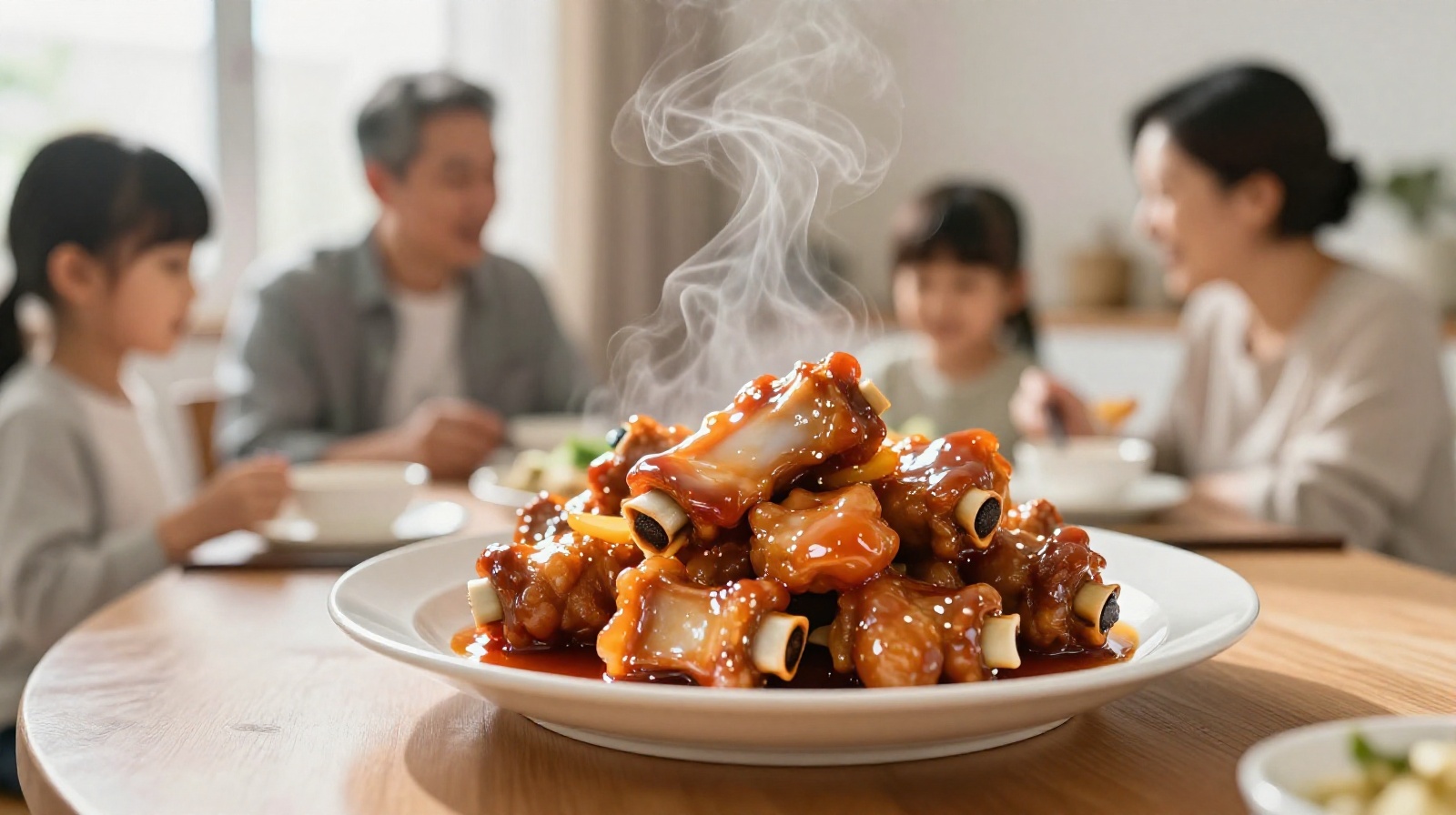
Take the famous Sweet and Sour Pork. It sounds like a Western concept, but in Shanghai, it is a staple. The dish relies on a precise ratio of sugar, vinegar, and soy sauce to create a glossy, reddish glaze that clings to the meat.
To an outsider, adding sugar to a savory meat dish might seem strange. But locals argue it balances the oil and enhances the freshness of the fish. In Shanghai households, you will often find parents teaching their children: ‘If you don’t add enough sugar, the soup lacks soul.’
Modern Shifts: Migration Blurring the Lines
If you think these boundaries are rigid, think again. China’s massive internal migration has created a new culinary reality.
In cities like Shenzhen and Guangzhou, young people from the north work alongside colleagues from the south. They bring their taste preferences to office cafeterias and street food stalls. A noodle shop in downtown Shanghai might now offer both ‘sugar-free’ options for health-conscious workers and ‘extra spicy’ versions for those craving a kick.
Technology plays a huge role here. High-speed rail connects regions in hours, but e-commerce delivers ingredients instantly. You can order Sichuan peppercorns to Beijing or Jiangsu sugar to Changsha with a few taps on your phone.
This accessibility means that ‘regional food’ is becoming more fluid. A family in Wuhan might enjoy sweet braised pork for dinner tonight and spicy hotpot tomorrow night, depending on their mood and what the delivery app suggests.

What Travelers Should Know
For international visitors, navigating this map can be challenging. The term ‘Chinese food’ is too broad to be useful in a restaurant menu.
If you are in the north, don’t be afraid of salt; it’s the foundation of the flavor. If you go south, ask for less sugar if your palate isn’t used to sweet savory dishes—most chefs can adjust.
Understand that the ‘sweet’ flavors in places like Shanghai or Suzhou are not cloying dessert tastes. They are a delicate balance meant to highlight the freshness of ingredients. Conversely, the ‘salty’ north is not just salty; it’s rich, deep, and complex.
Eating Is Understanding
Food in China is more than nutrition. It is a language. When you taste the difference between a salty northern stew and a sweet southern braise, you are tasting history, climate, and the daily lives of millions.
Next time you sit down to a meal in China, don’t just look at the menu. Look at where it came from. The sweetness or saltiness tells you a story about the land, the people, and how they have lived for centuries.