

The Whistle and the Screen
At dawn in the Qinghai-Tibet Plateau, the air is thin and cold. Tenzin used to wake up before sunrise, not to check his phone, but to herd yaks across the frozen grasslands. His life was defined by silence, routine, and the physical demands of survival.
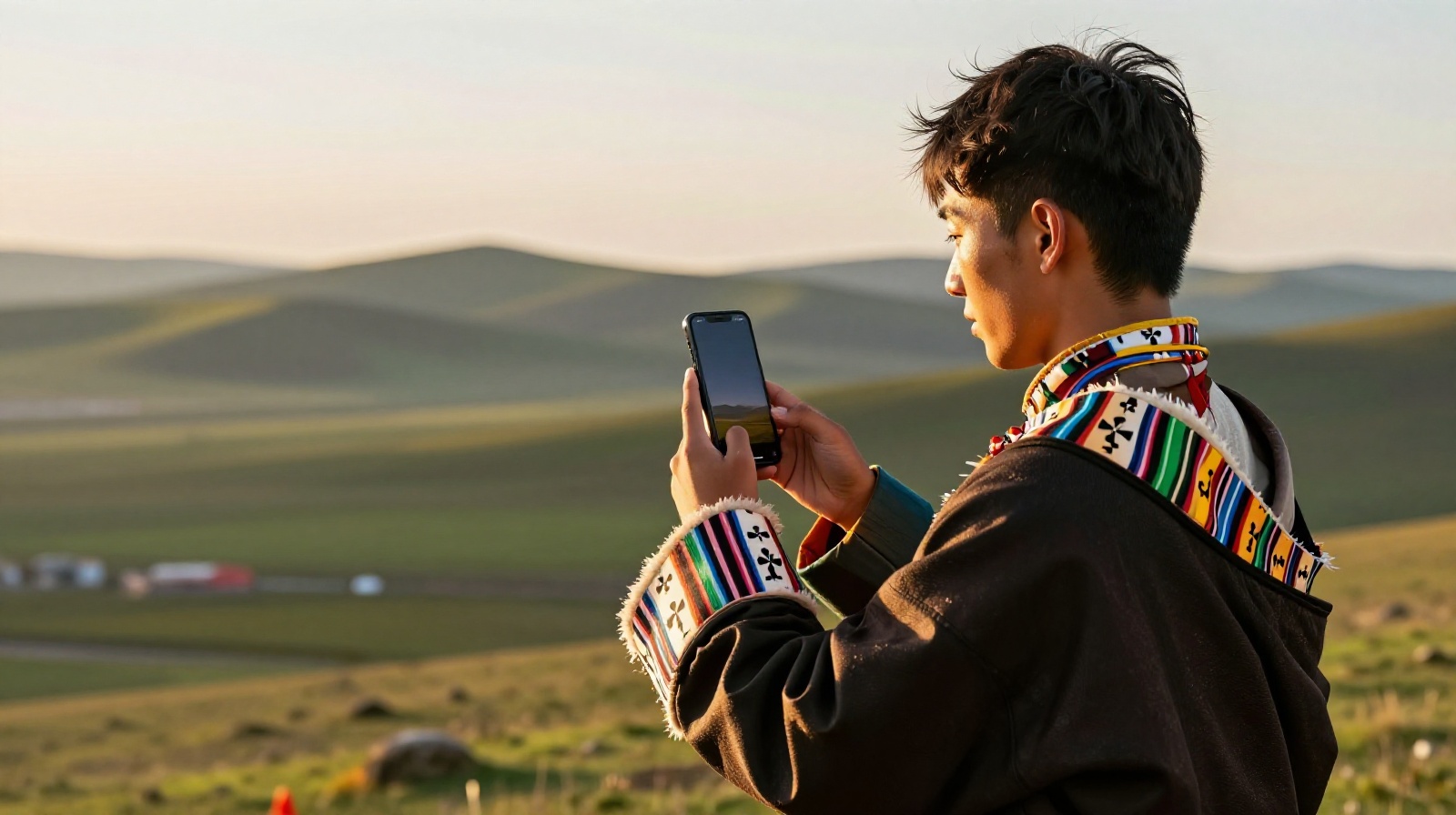
Today, that routine has changed. Instead of a cattle whip, Tenzin holds a smartphone with a cracked screen. He sets up his tripod on a hill overlooking a sea of green grass. “The yaks are still here,” he says, smiling at the camera. “But now, thousands of people in Shanghai and New York watch them too.”
Just three years ago, Tenzin was one of millions of young herders who had few options outside their village. The internet was just a luxury for checking weather. Now, his videos have over two million followers. He is no longer just a herdsman; he is a content creator bridging the gap between ancient traditions and the digital age.

Beyond the Stereotypes
For many outside China, the image of rural Tibet is often frozen in time: quiet, poor, and disconnected. Tenzin’s videos shatter that illusion.
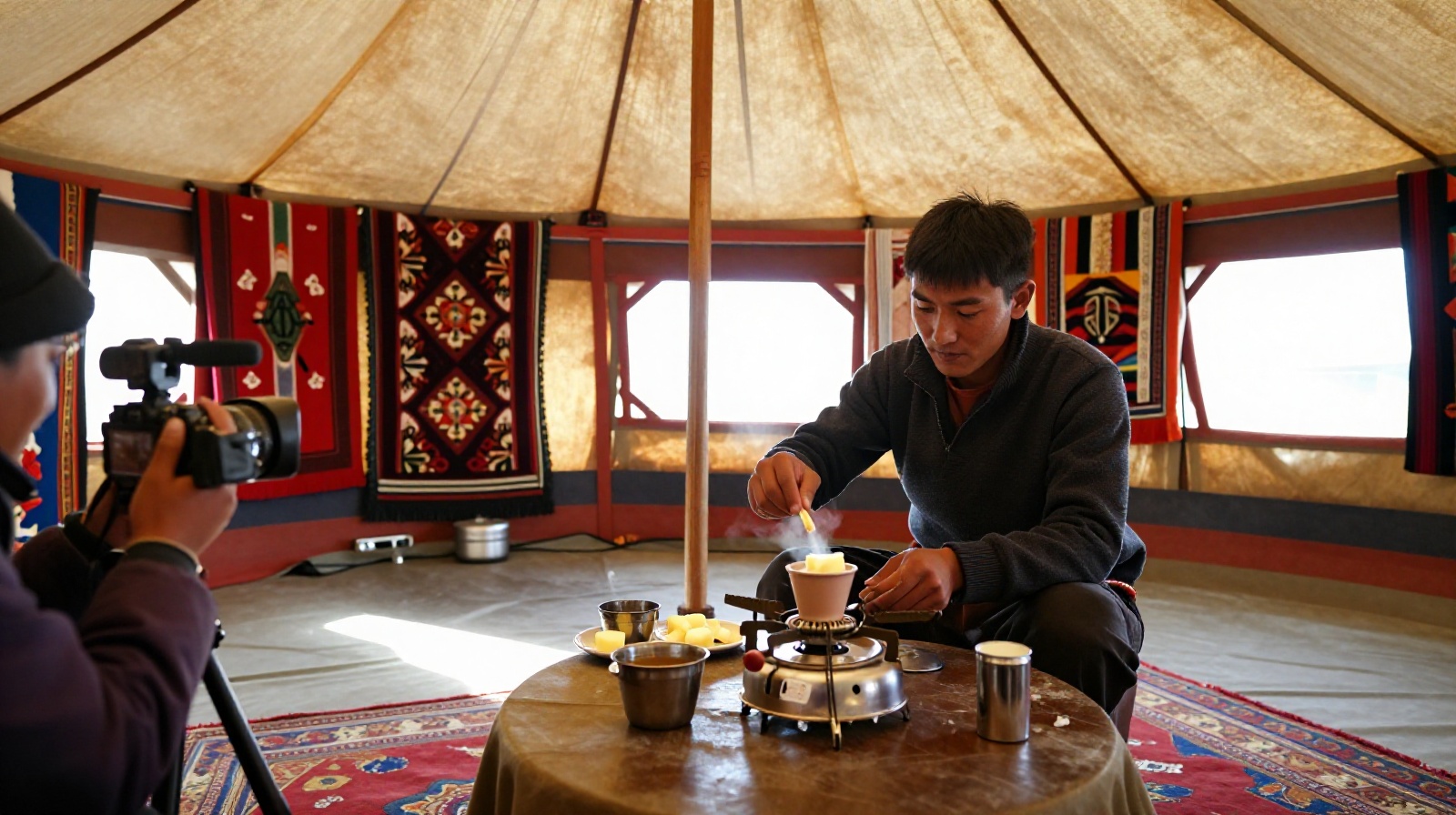
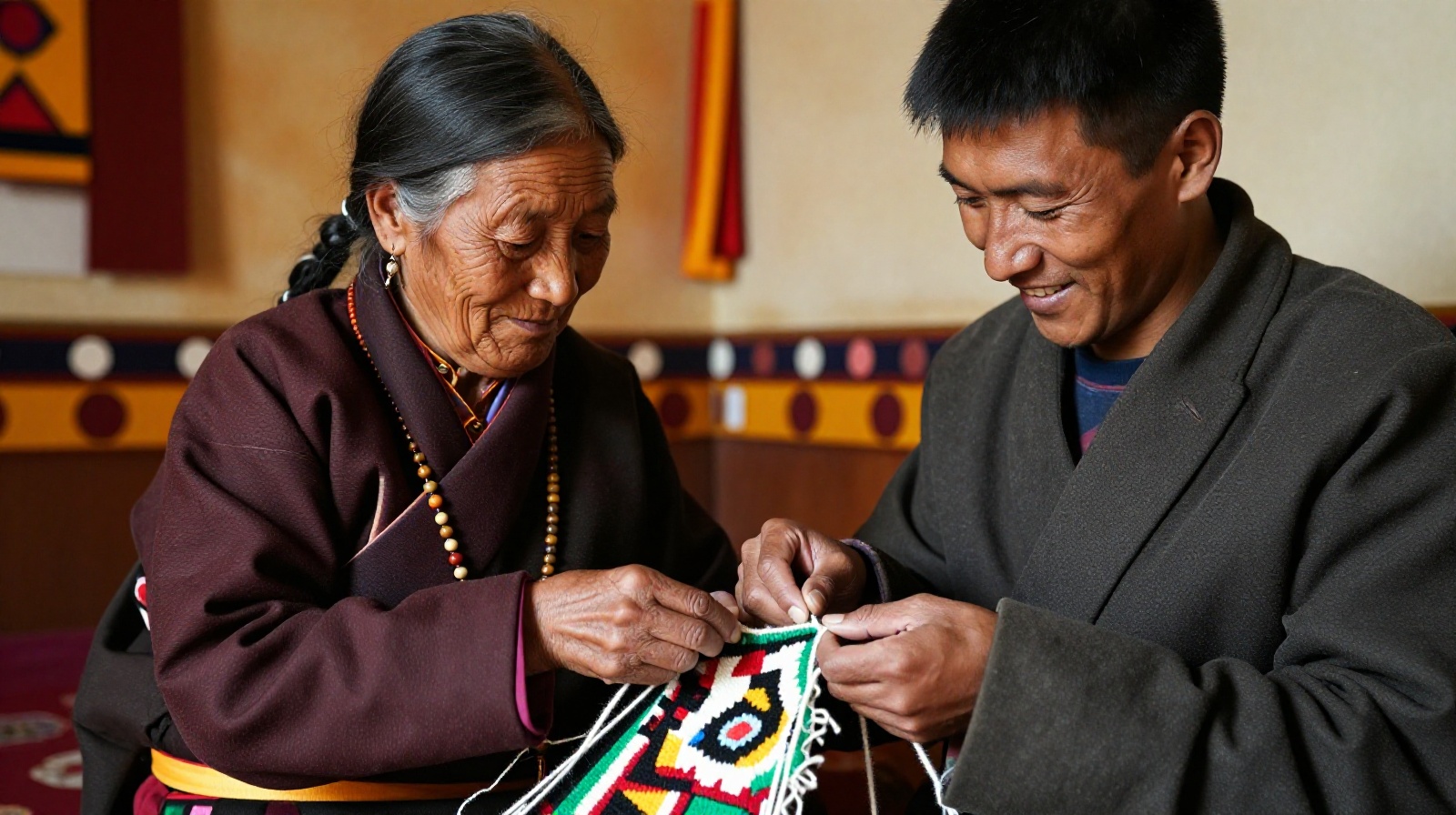
In his clips, we see more than just grazing animals. We see him making yak butter tea on a portable gas stove, teaching viewers how to braid hair with traditional patterns, or showing the colorful robes his grandmother wears for festivals. He doesn’t speak in grand political terms. He speaks in daily life.
This shift is powerful. It allows people from ethnic minorities to tell their own stories without the filter of outsiders’ imagination. “Before,” Tenzin admits, “I thought my culture was disappearing because no one cared. Now I see that curiosity is everywhere.”
The algorithm doesn’t care about borders or language barriers as much as we think. A short video of a yak chasing a dog in the rain can go viral globally because it is honest, raw, and visually striking.
A New Economy for Remote Villages
The impact goes beyond likes and views. For Tenzin, social media has become his new livelihood. He sells hand-woven wool scarves and local honey directly to fans who message him after watching a video.
This is part of a larger trend in China. Digital platforms have turned remote villages into e-commerce hubs. Young people like Tenzin are no longer forced to migrate to crowded coastal cities to find work. They can build careers right where they grew up.
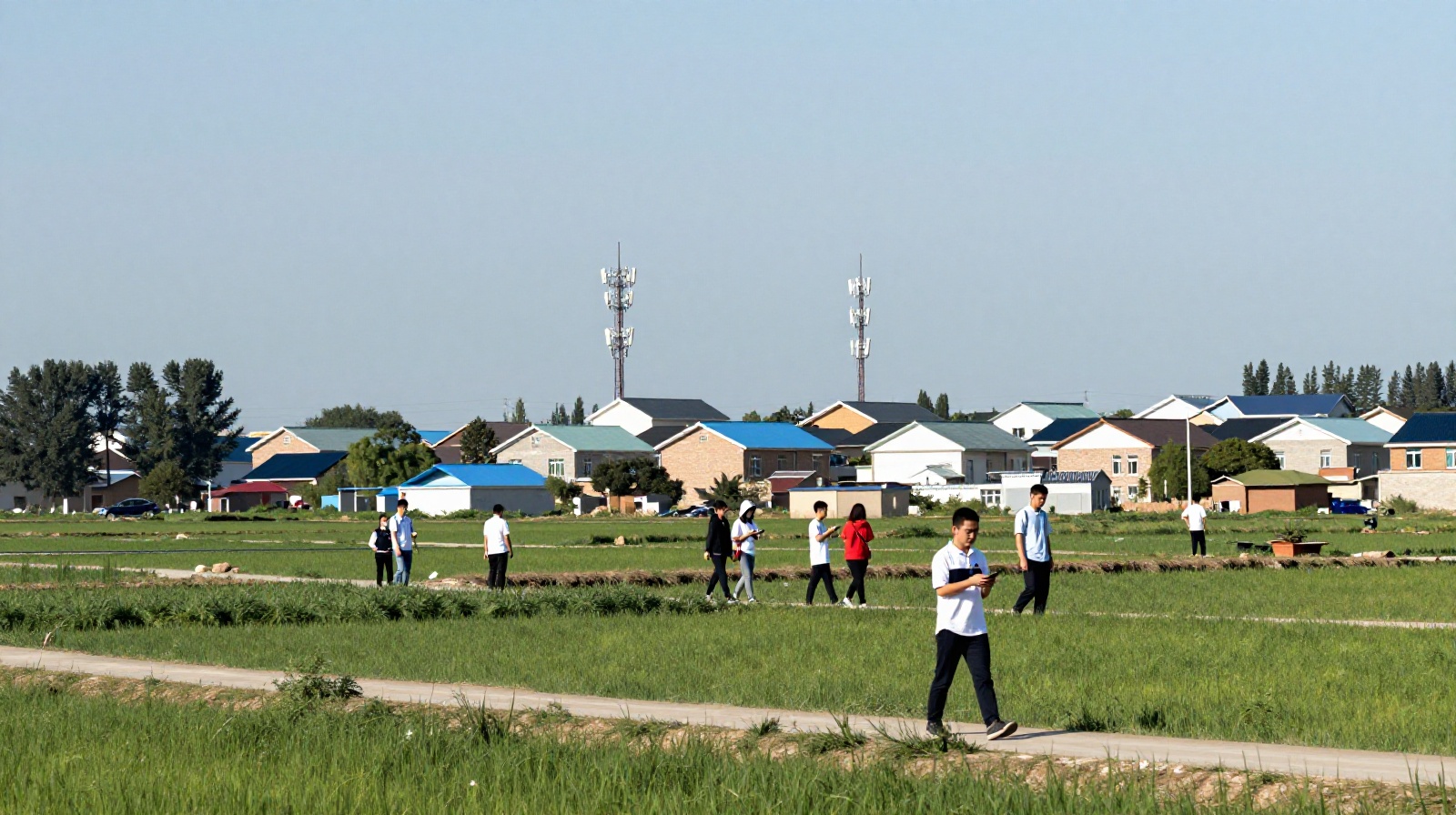
Government initiatives, such as improved 4G/5G coverage and rural broadband projects, laid the groundwork for this change. In many remote areas, mobile signal is now stronger than it was a decade ago. This connectivity is the bridge that allows traditional skills to find modern markets.
The Balance of Tradition and Tech
Not everyone agrees with this rapid transformation. Some elders worry that commercializing culture might dilute its meaning. They fear that filming a festival for likes could turn a sacred ritual into a performance.
Tenzin navigates this carefully. He often pauses his recording to explain the spiritual significance of a ceremony rather than rushing to get the perfect shot. “Technology is just a tool,” he explains. “The heart of our culture remains the same.”
This balance is what makes his story compelling. It shows that progress doesn’t have to mean erasing the past. Instead, digital tools can act as a lens, focusing attention on traditions that might otherwise fade into obscurity.
What This Means for the Future
Tenzin’s journey is not unique, but it is representative. Across China, from fishing villages in Fujian to tea plantations in Yunnan, young people are using smartphones to redefine their futures.
The lesson here is simple: opportunity is no longer defined by geography. As technology becomes more accessible, the barriers between rural and urban, traditional and modern, are dissolving. For the world watching, these stories offer a fresh perspective on China—one that is not just about skyscrapers and high-speed trains, but about ordinary people finding new ways to live.
For Tenzin, the future looks bright. He plans to open a small guesthouse for tourists who want to experience real herding life, using his online fame to invite them directly. The grass is green, the yaks are happy, and his screen is always recording.