

The Myth of the ‘Cheap’ Consumer
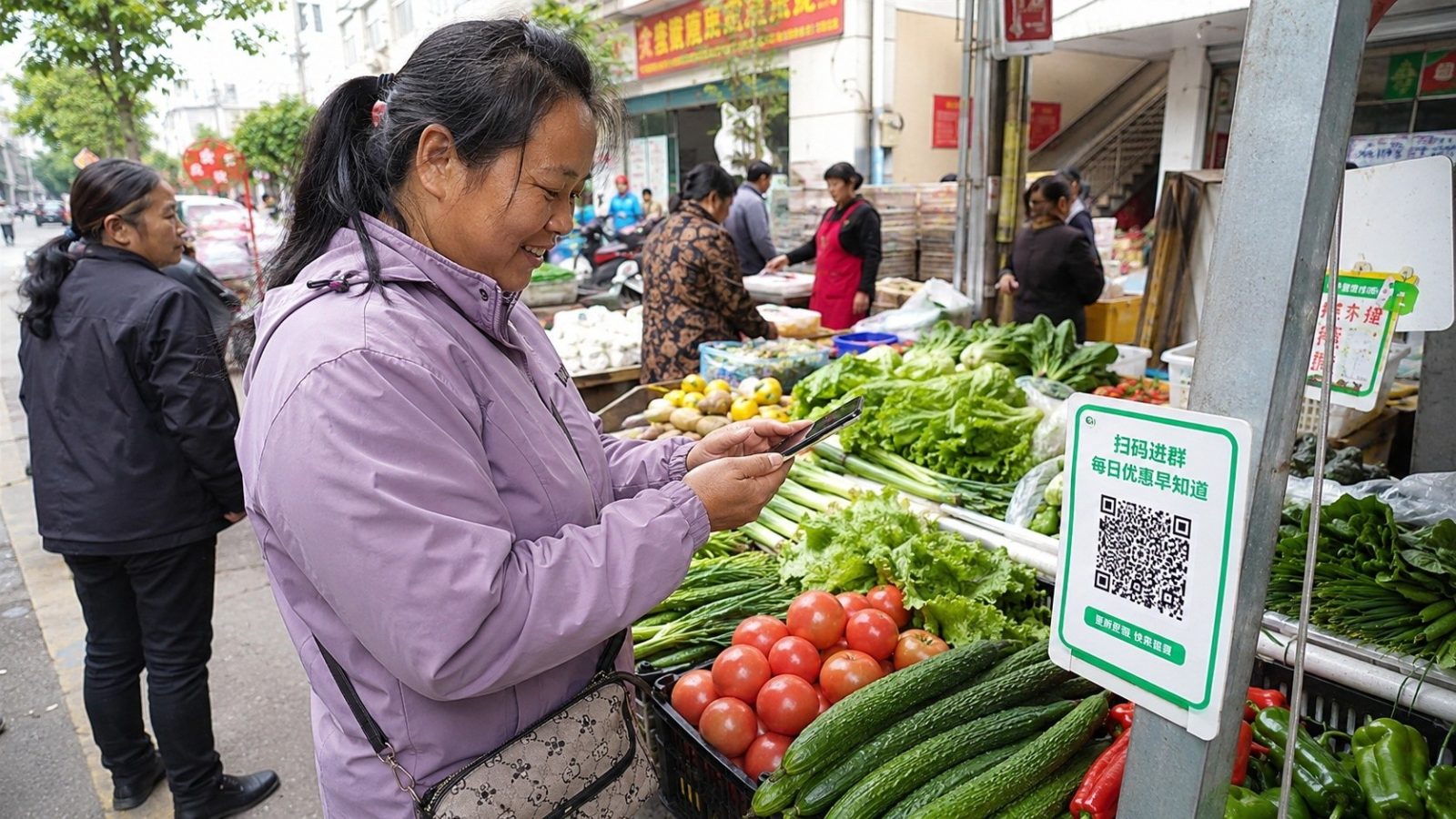
When Western headlines first covered Pinduoduo, they often focused on low prices and questions about quality. The narrative was simple: a platform for bargain hunters in smaller cities where consumers were forced to choose between affordability and value. But this view misses the point entirely. To understand modern China’s consumption patterns, one must look beyond the price tag.
In lower-tier cities—places like Linyi in Shandong or Yiwu in Zhejiang—the rise of social e-commerce is not just about saving money. It is about a new digital lifestyle. For millions of ordinary people, shopping has transformed from a solitary transaction into a community activity. The logic driving this shift is not merely economic; it is deeply social.
Shopping as Social Interaction
At the heart of platforms like Pinduoduo is a feature called “Team Buying” or pin. In the West, we might see this as a clever marketing tactic to lower costs. In China’s smaller towns, it functions as a digital extension of local relationships.
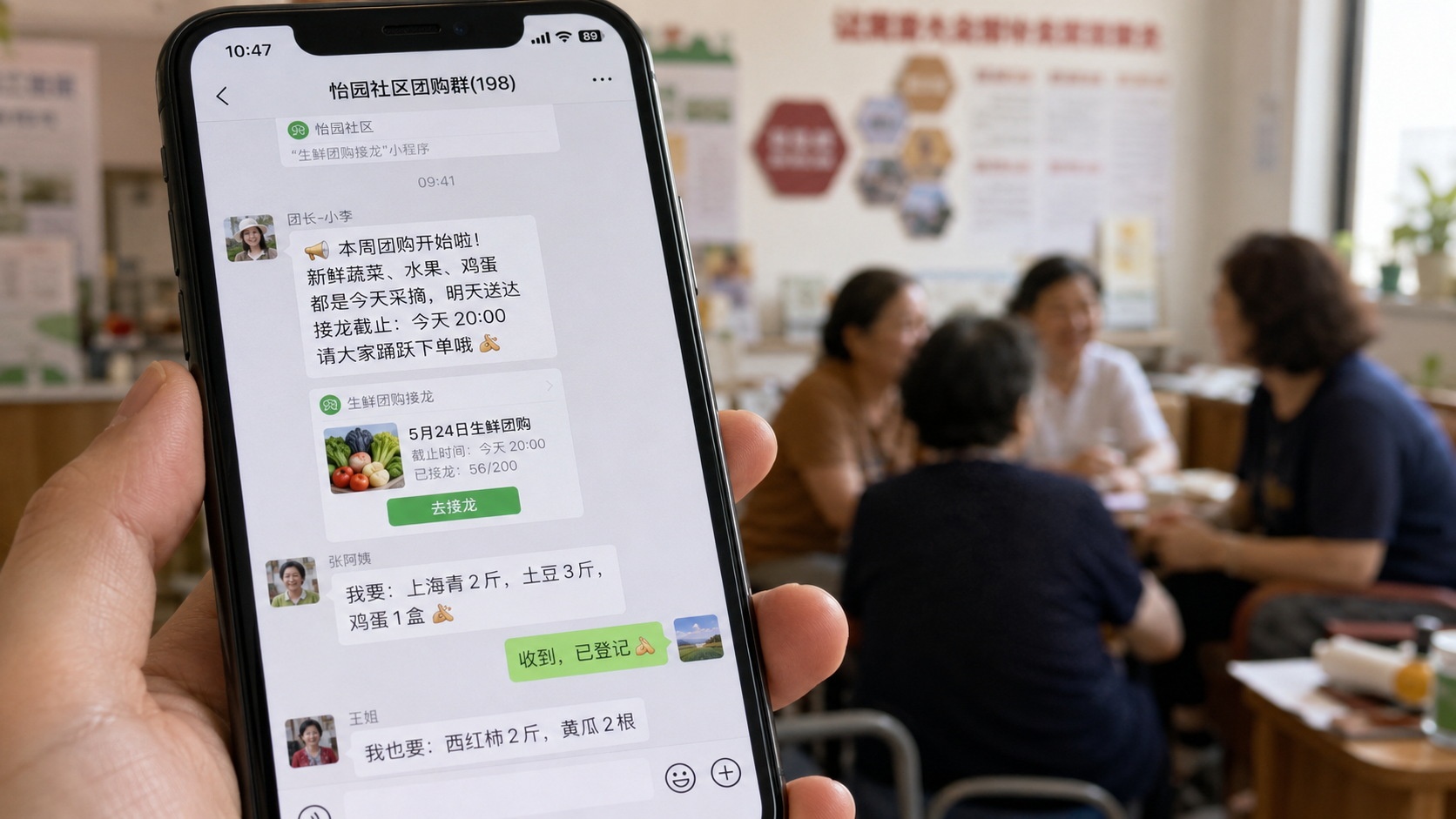
Residents in a small Chinese town use WeChat groups to coordinate group purchases, blending social interaction with daily shopping needs.
Imagine a grandmother in a rural village. She is not browsing Amazon alone in the dark. Instead, she is in a WeChat group with neighbors and relatives. They are coordinating who buys what, splitting shipping costs, and sharing tips on which local vendors are reliable. The act of “pinning”—grouping together to buy—is a way to strengthen community bonds while getting a better deal.
This creates a unique form of “social shopping.” Trust is not placed in a faceless corporate brand, but in the person recommending the product within their social circle. When a neighbor says, “This watermelon is sweet,” it carries more weight than any celebrity endorsement. This dynamic has allowed e-commerce to penetrate deep into areas where traditional retail infrastructure was lacking.
The Rise of the ‘Local Expert’
As the market matured, entertainment evolved into commerce. Live-streaming shopping, once a novelty in tier-one cities like Shanghai and Beijing, has become a daily routine in lower-tier regions.
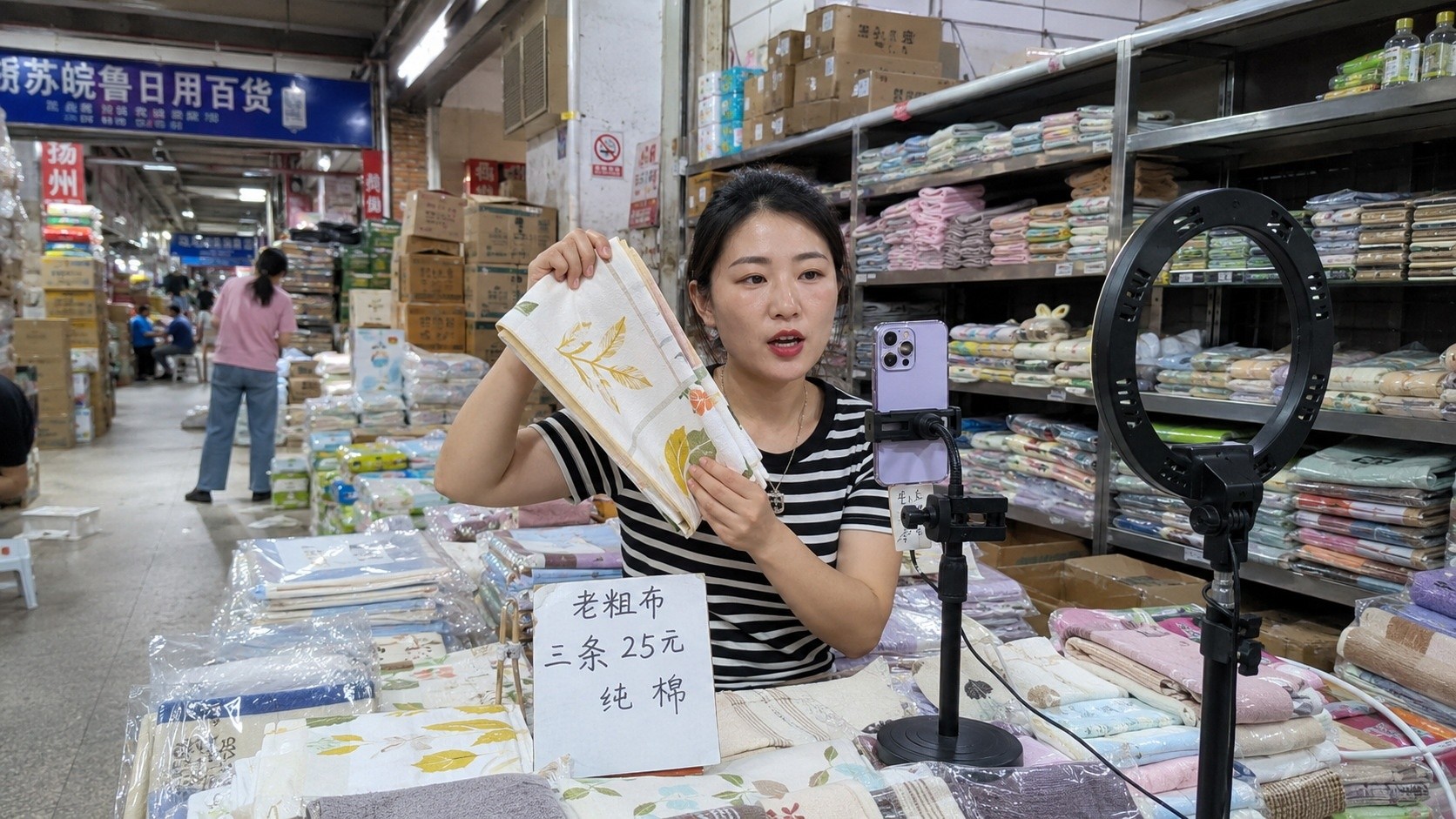
A local host in Yiwu demonstrates product quality during a live stream, prioritizing authenticity over polished production values.
In cities known for wholesale markets, such as Yiwu, hosts are not glamorous models. They are often small business owners or factory workers standing amidst piles of goods. They speak the local dialect, use slang that resonates with their audience, and answer questions in real-time. This authenticity builds trust.
For viewers in smaller cities, these livestreams offer transparency. They can see exactly how a product is made, tested, or packaged. The host acts as a “local expert” or a proxy shopper, filtering out low-quality items. This shift from passive scrolling to active engagement has redefined the consumer-host relationship. It is less about being sold to and more about being advised by someone who feels like part of the community.
Infrastructure: The Hidden Enabler
This digital revolution did not happen in a vacuum. It was made possible by massive investments in physical infrastructure that many global readers may overlook.
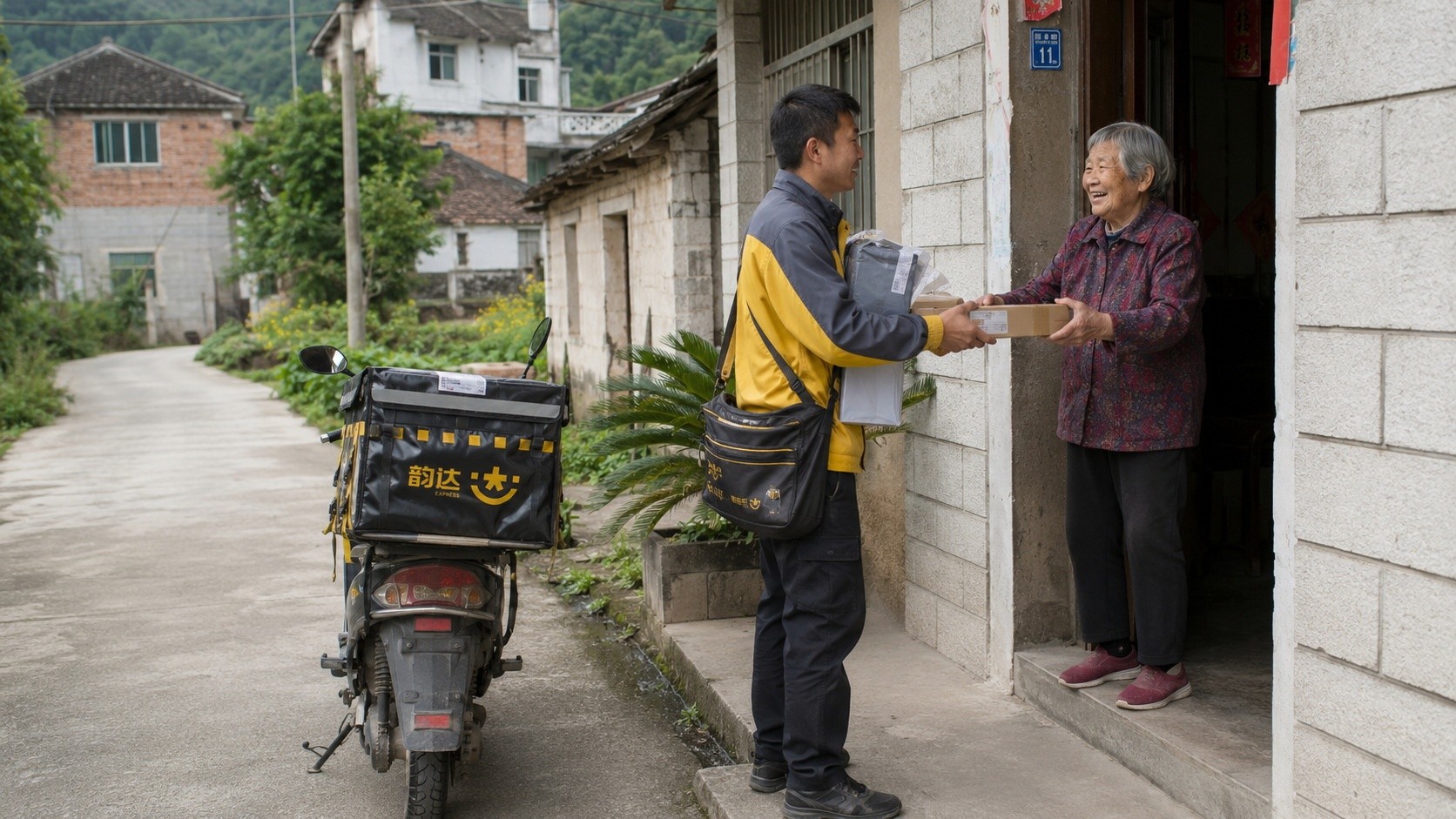
A logistics courier delivers packages to a remote village, illustrating the reach of China’s rural distribution network.
China’s 5G coverage now extends to even the most remote counties. More importantly, its logistics network is unparalleled. Couriers do not just stop at city centers; they deliver to village-level service points. This infrastructure democratizes access to goods, but it also works in reverse: it allows agricultural products from these same regions to reach urban tables.
This two-way flow of goods and information has leveled the playing field. A farmer in Guizhou can sell high-quality tea directly to a consumer in Guangdong via livestream, bypassing multiple layers of middlemen. The efficiency of this system is what keeps prices low without sacrificing quality, debunking the myth that “cheap” always means “poorly made.”
A Different Digital Reality
For global observers, focusing solely on GDP growth or tech giants like Alibaba and Tencent misses a crucial part of China’s story. The real pulse of its digital economy is beating in its lower-tier cities.
The consumption logic here is not about conspicuous luxury. It is about practical value, social connection, and digital inclusion. Platforms like Pinduoduo and live-streaming commerce have integrated hundreds of millions of people into the modern economy who were previously left behind by traditional retail.
Understanding this shift offers a clearer picture of China’s future. As these lower-tier consumers become more confident and influential, they are shaping new trends in design, marketing, and even cultural values. The story of Chinese consumption is no longer just about what people buy; it is about how they connect, trust, and live together in the digital age.