

The Silence Before the Bite
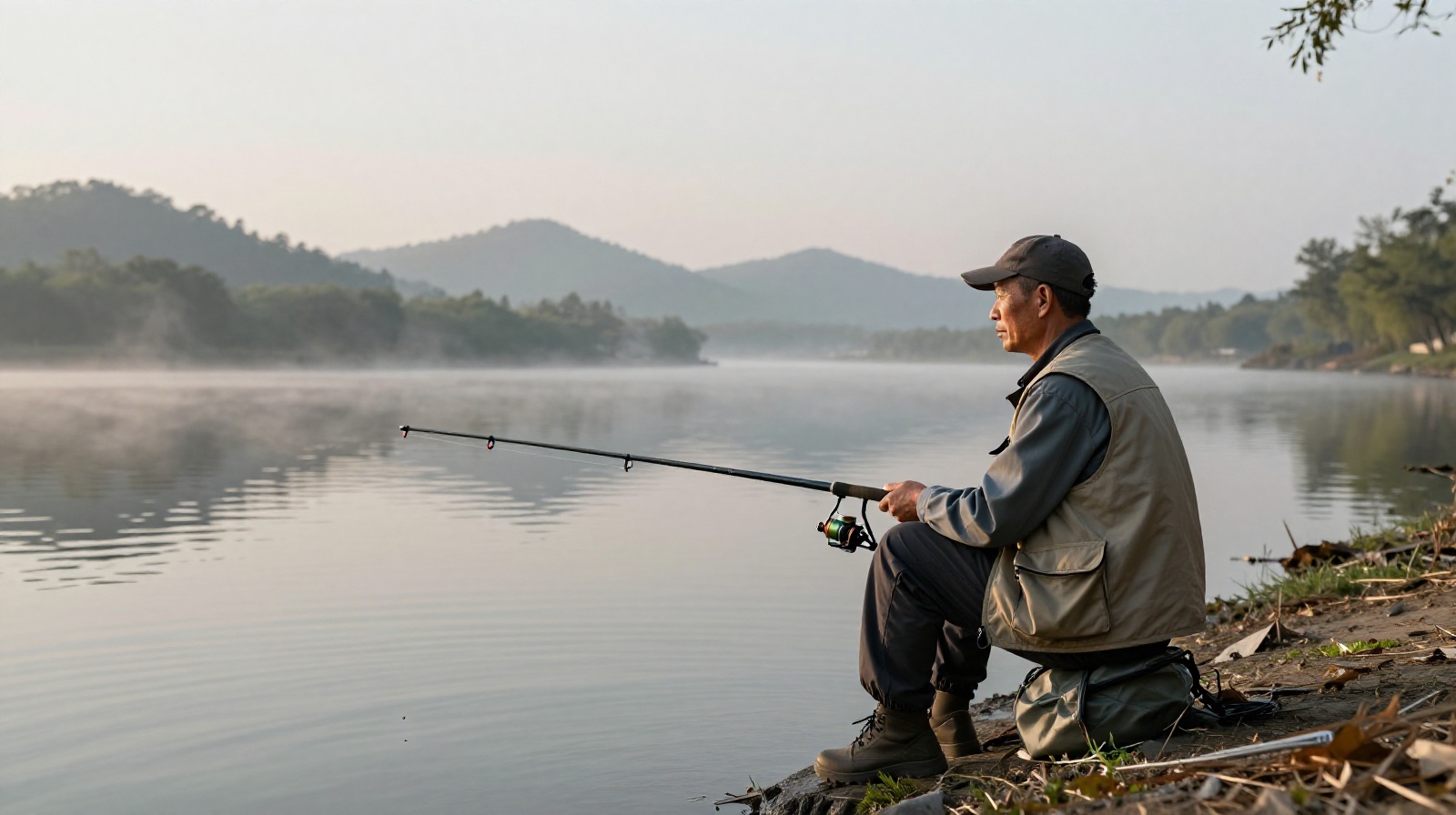
At 6:30 AM on a Saturday, the air in suburban Beijing is still cool and damp. Lao Zhang, 48, parks his sedan in a muddy lot near a reservoir. He doesn’t rush. With the precision of a surgeon, he unpacks three carbon-fiber rods, a specialized seat cushion, and a tackle box filled with tiny hooks and colorful lures. By the time his colleagues are waking up their children or scrolling through work emails, Lao Zhang is already sitting cross-legged on his folding chair, rod in hand, eyes locked on the red tip of his float.
For the next six hours, he will say perhaps ten words. Not to his wife, who dropped him off and left with a bottle of water. Not to the other anglers nearby, who communicate mostly through subtle nods or shared smoke. He is in a state of suspended animation. In China, this ritual is not just a hobby; it is a widespread cultural phenomenon known as “fishing addiction” (钓鱼瘾), particularly among men aged 35 to 55.
The Legal Escape
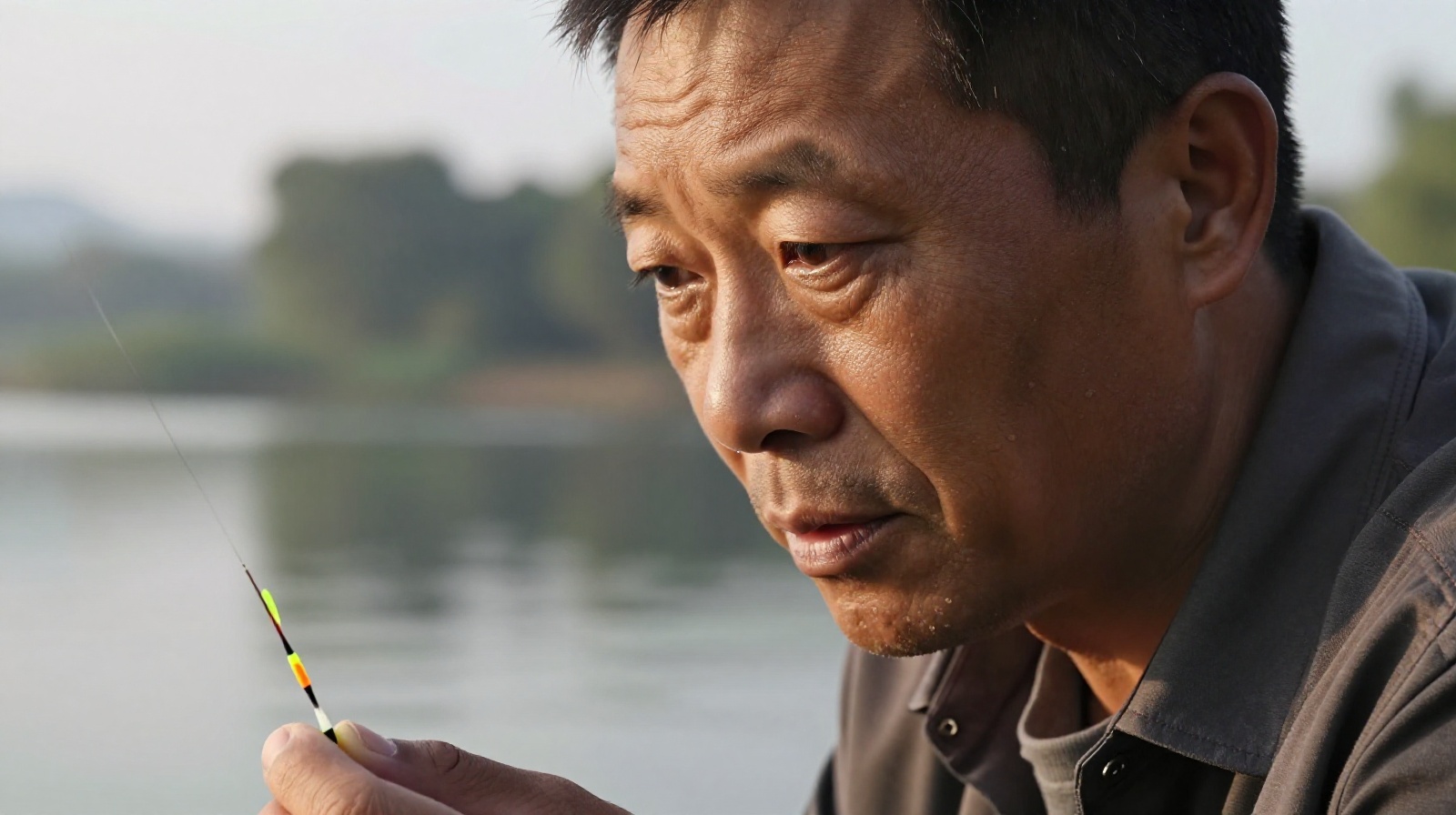
Why do so many men choose to stare at water rather than go to the gym or meet friends? The answer lies in the unique social pressures of modern Chinese life. For many middle-aged men, this is the only time they are truly “off the clock” without guilt.
In the workplace, they are managers bearing the weight of KPIs and corporate restructuring. At home, they are husbands and fathers, expected to be available for chores, parenting, and emotional support. Fishing offers a socially acceptable excuse to disconnect. As one angler told me, “When I’m fishing, I’m not thinking about my mortgage or my son’s math grades. I’m just waiting. And waiting is the easiest thing in the world.”
This is what sociologists might call a “third space”—a place that is neither work nor home, but a neutral ground for mental decompression. The act of waiting is therapeutic. It forces a slow rhythm onto a life that has become relentlessly fast.
From Bamboo Poles to Carbon Fiber
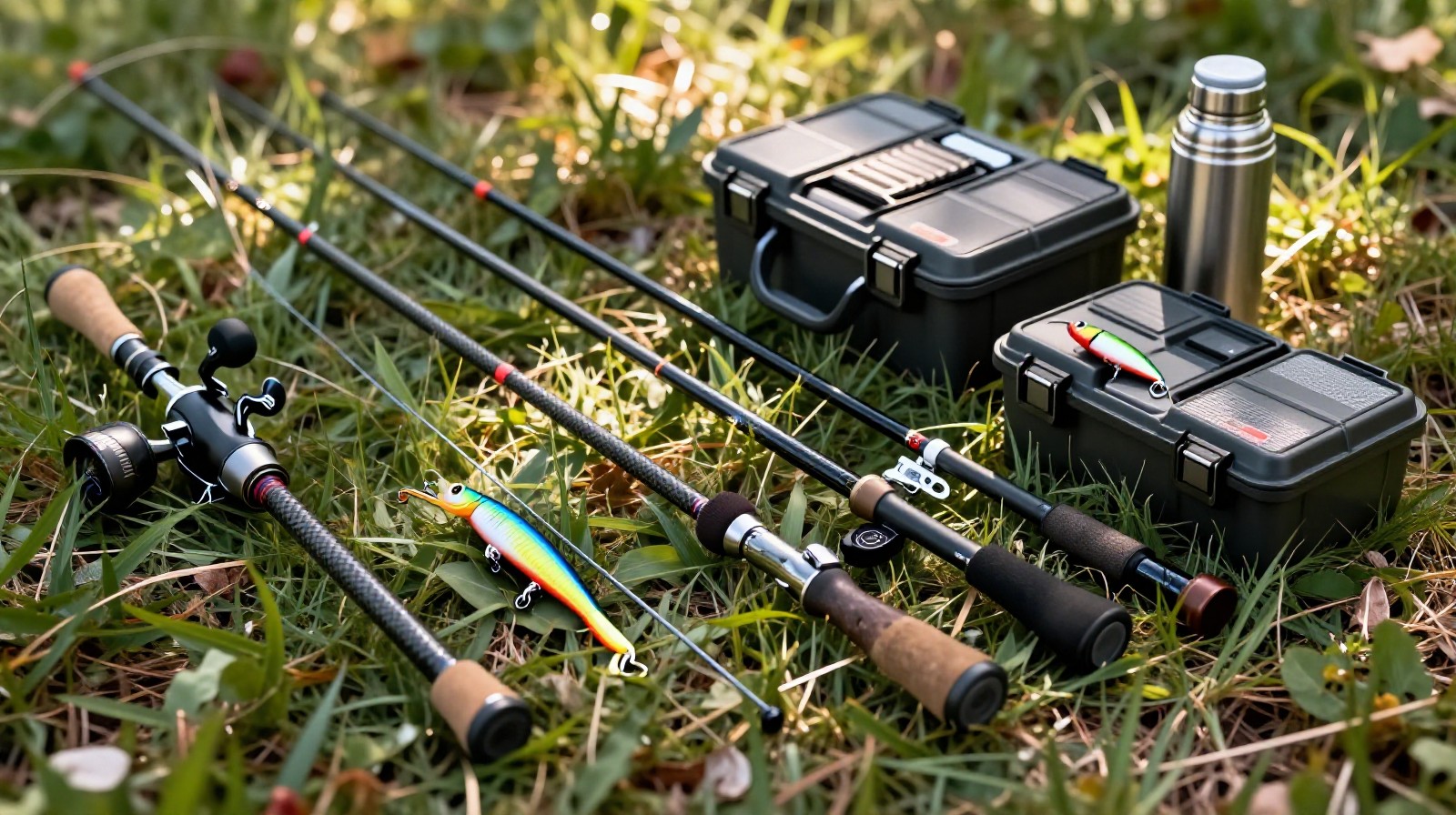
A decade ago, fishing in China was often seen as a pastime for retired elders with simple bamboo poles. Today, it is a high-tech industry worth billions of yuan. The equipment has evolved dramatically. A serious angler’s setup can cost more than a mid-range smartphone.
This “gear upgrade” is not just about performance; it’s a form of social signaling. In the WeChat groups of these anglers, men discuss the tensile strength of lines, the buoyancy of floats, and the aerodynamics of casting. It is a technical hobby that allows them to compete intellectually rather than physically. Buying expensive gear is also a way for many men to indulge in a personal passion without feeling guilty about “wasting” money on themselves, as it can be framed as an investment in their mental health.
The Hidden Rules of the Water
Not all fishing spots are equal. In China, fishing is deeply stratified by location and method. There are “wild rivers,” where you must respect nature and often catch nothing. Then there are “black pits” (黑坑), private ponds where anglers pay an entry fee to fish in stocked waters. These places have strict rules: no electronic aids, specific bait types, and sometimes even a limit on how many fish you can keep.
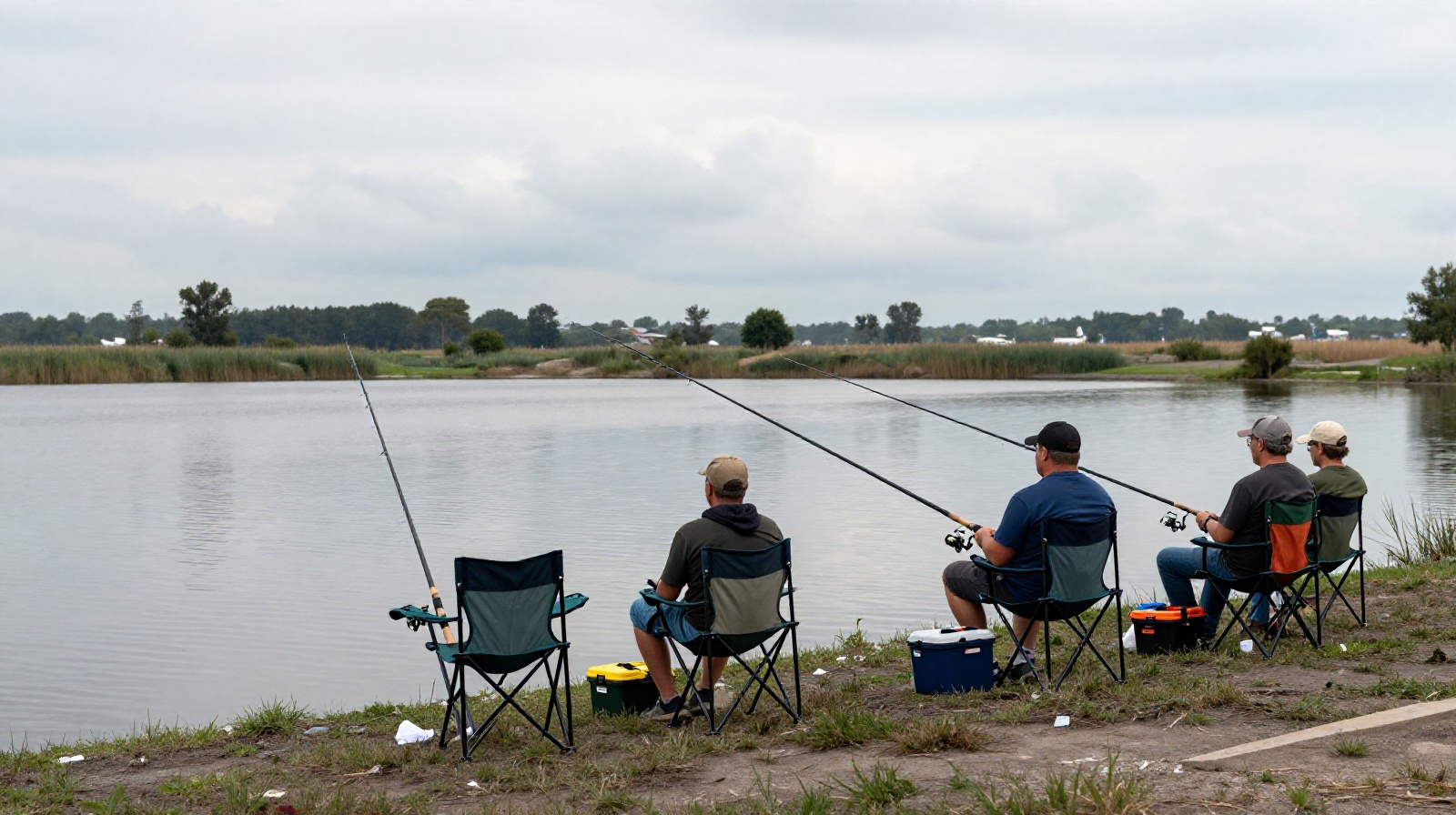
These circles form tight-knit communities. The hierarchy is determined not by job title or income, but by catch rate and knowledge of the water. A CEO might sit next to a truck driver, and both will treat each other with equal respect if they share the same passion for the bite. This egalitarianism is rare in Chinese social life.
A Sanctuary for the Soul
As evening falls, Lao Zhang packs up his gear. He caught three small crucian carp today—enough to satisfy the urge, but not enough to warrant a huge celebration. He smiles, wipes the mud from his shoes, and gets back into his car.
For these men, fishing is not about the fish. It is about the silence. In a country where noise—digital, professional, and familial—is constant, the water offers a rare, tangible quiet. It is a small, floating island of peace in a turbulent world. And for one weekend a month, that is enough to get them through the week.