

The End of “I Forgot My Keys”
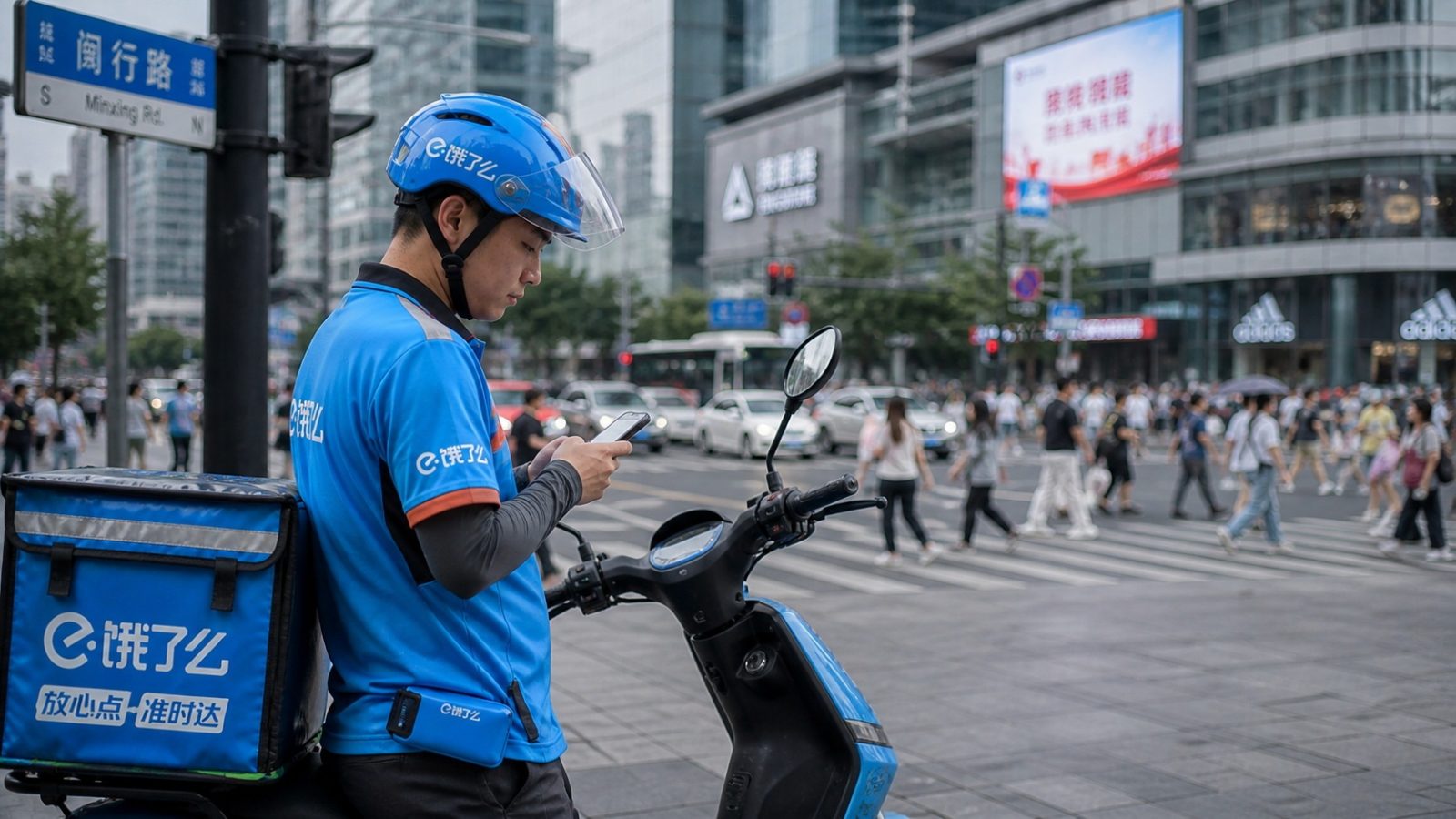
It is 7:30 PM on a Tuesday. Lin Yu, a 28-year-old software engineer in Shenzhen, stands at his apartment door, patting his pockets for the third time. His keys are gone. In many parts of the world, this might mean waiting for a locksmith or calling a friend who lives far away. But here in China, Lin opens an app on his phone.
Within three minutes, a rider named Wang is heading to the nearby convenience store where Lin left them earlier that afternoon. Fifteen minutes later, Wang buzzes Lin’s intercom. The problem is solved before dinner begins.
This is Meituan Paotui (美团跑腿), often translated as “Meituan Errand Runner.” While global audiences are familiar with food delivery apps like Uber Eats or DoorDash, Paotui represents a leap forward in convenience. It is not just about delivering hot meals; it is about hiring someone to do literally anything you cannot do yourself right now.
More Than Just Food Delivery
The concept of “Paotui” originated in the early days of Chinese internet services, referring simply to running errands. Today, Meituan’s platform has expanded this into a comprehensive on-demand service.
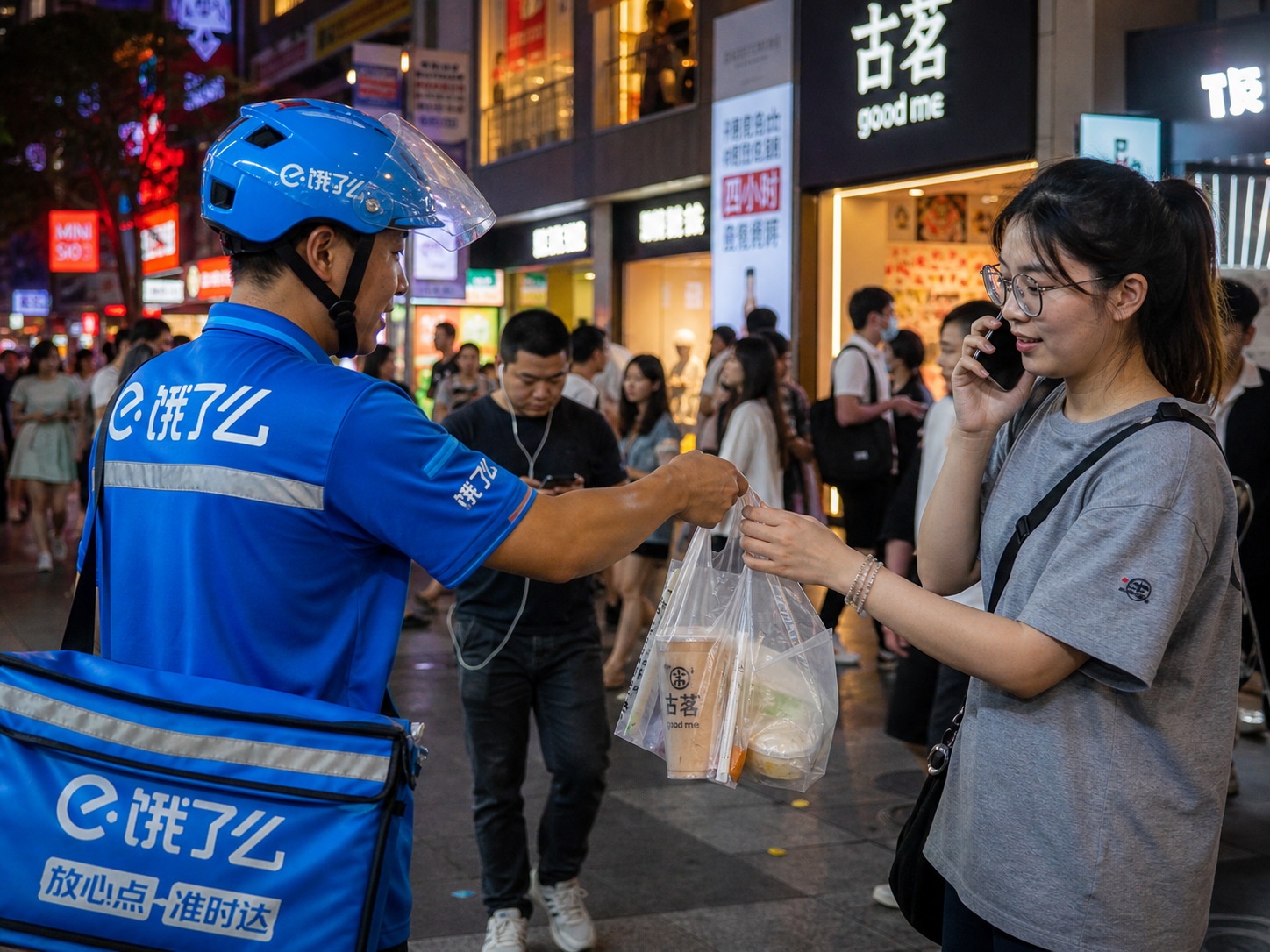
Imagine it is Friday evening. Your favorite viral milk tea shop across town just released a limited-edition flavor, and the line outside stretches around the block. You want it desperately, but you have work to finish. Instead of braving the crowd, you open Meituan, select “Paotui,” and set your request: “Buy one vanilla pearl milk tea from [Shop Name], pick up at 8 PM.”
A rider accepts the task within seconds. They go to the shop, join the queue (or use a clever workaround if permitted), buy the drink, and bring it to you. You pay for the drinks, the service fee, and the distance.
Common Use Cases
The flexibility of Paotui services is what makes them indispensable in Chinese cities. Common requests include:
- Urgent Document Delivery: Contract signing or important papers that need to move between buildings instantly.
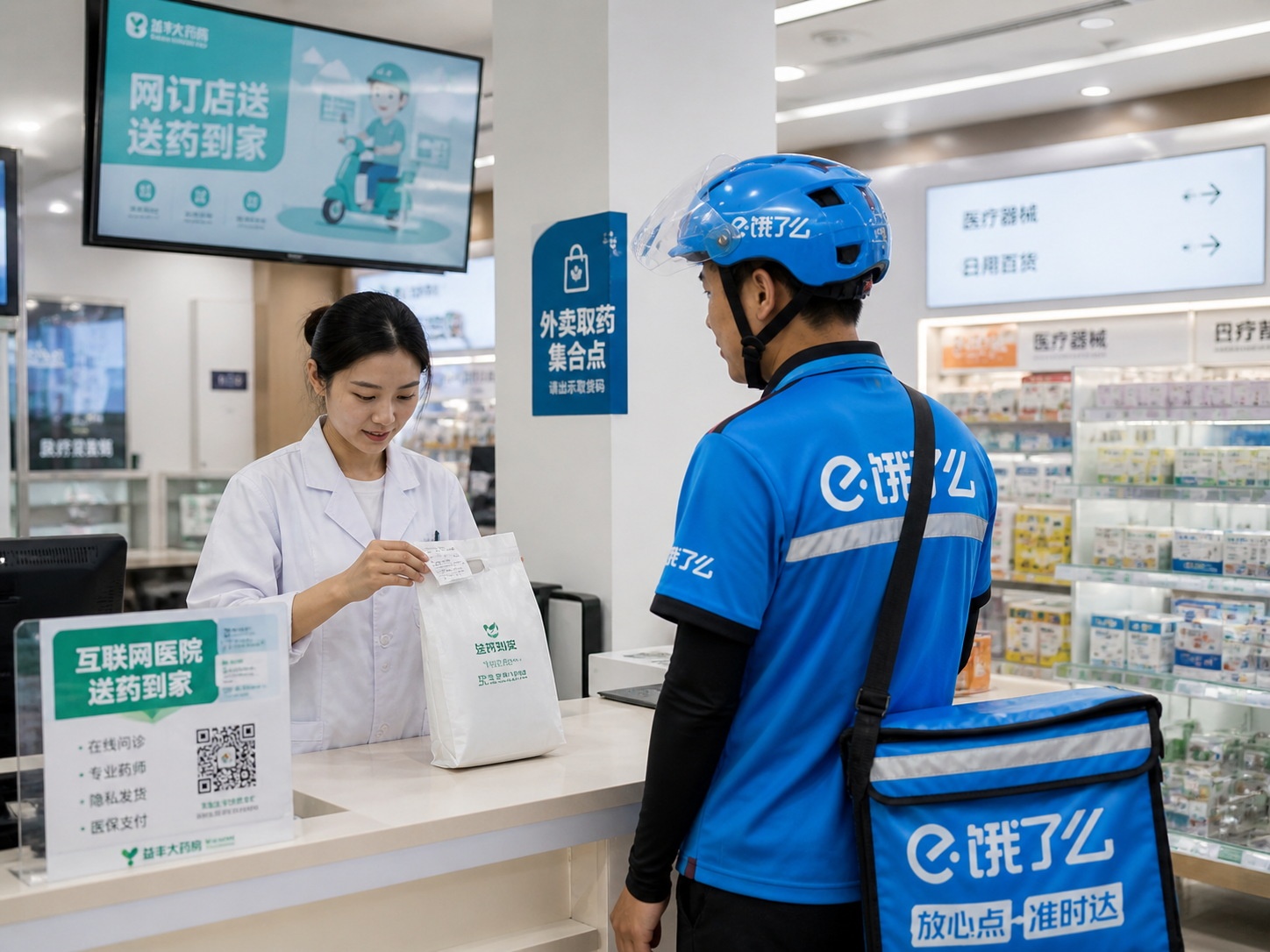
- Pharmacy Runs: Picking up prescription medication when the user is too sick to leave bed.
- Lost Item Retrieval: Finding keys, wallets, or passports left in taxis or hotels.
- Queue Jumping: Standing in line for popular restaurants, hair salons, or government offices on your behalf.
How to Use It: A Step-by-Step Guide
Using Meituan Paotui is straightforward, though the interface can be dense for first-time users. Here is how it works:
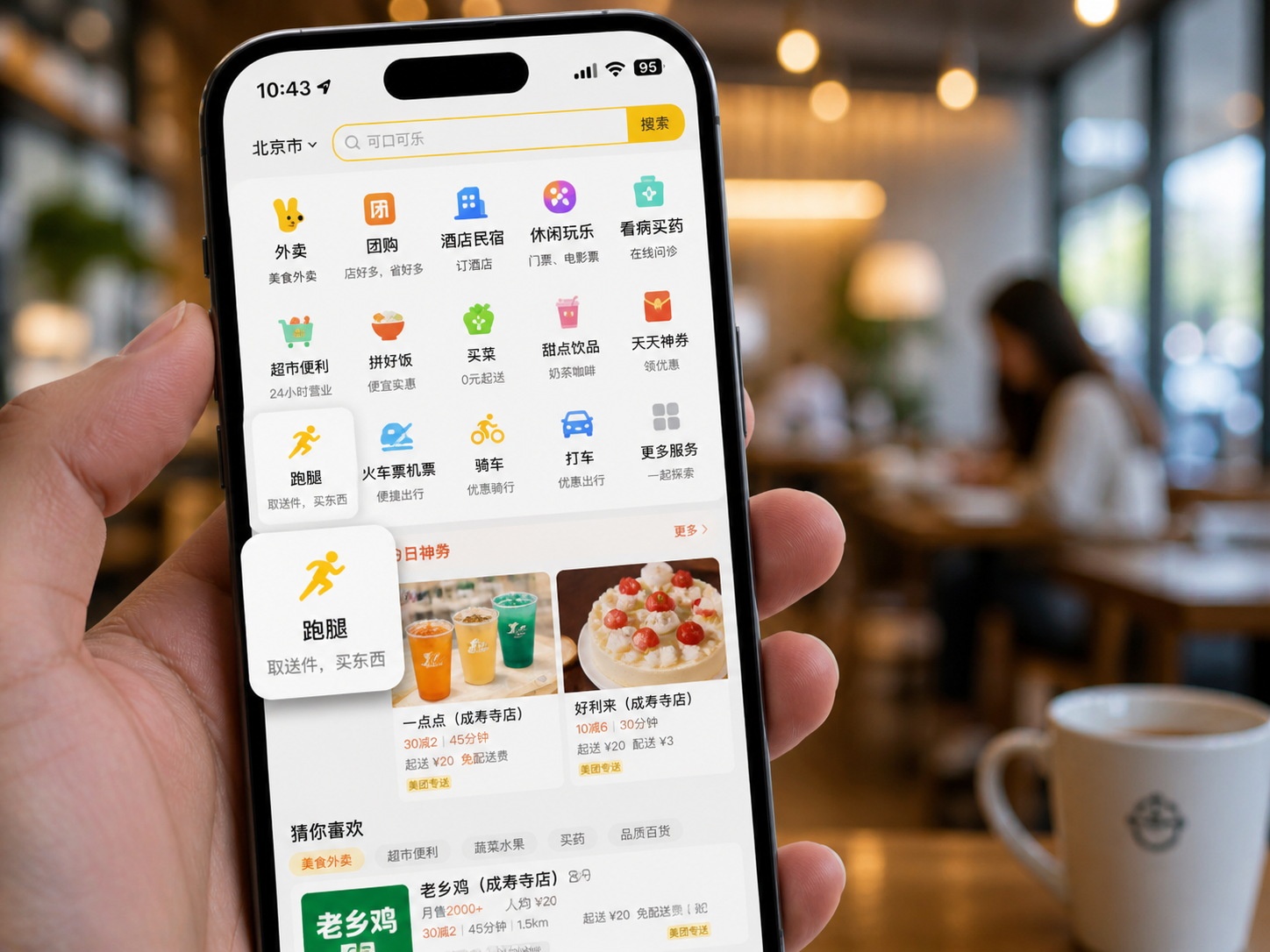
- Open the App: Locate the “Paotui” (跑腿) icon on the main homepage of the Meituan app or WeChat Mini Program.
- Select Service Type: Choose between “Buy” (代购), “Deliver” (送件), or “Queue” (排队).
- Enter Details: Provide precise pickup and drop-off locations. For buying items, you must provide the exact shop name and item details.
- Add Instructions: This is crucial. Be specific. “Leave at the door” or “Call me upon arrival” are standard instructions. If you need a rider to wait in line, specify the duration.
- Confirm Price & Dispatch: The app calculates an estimated fee. Once confirmed, a rider is assigned immediately.
The Cost: How Much Does It Really Cost?
Unlike food delivery where the price is fixed per meal, Paotui fees are dynamic and calculated based on distance and time.
The Base Fee: Typically ranges from 7 to 10 RMB (approx. $1–$1.40 USD) for short distances within a commercial district.
Distance Surcharges: Every additional kilometer adds roughly 2–3 RMB. For cross-city deliveries, the cost can rise significantly, but it remains cheaper than taking a taxi yourself in many cases.
Peak Hours & Weather: During rainstorms or evening rush hours (6–8 PM), demand surges. Prices may increase by 20–50%. However, this premium ensures that riders are available when you need them most.
The Human Behind the Blue Uniform
For the riders, Paotui is often more profitable than standard food delivery. Because the tasks vary widely—carrying a laptop, fetching medicine, buying perfume—the service fee per order tends to be higher.
Song Wei, a rider in Shanghai, explains, “Food delivery is about speed and volume. I deliver 40 orders a day just running back and forth. With Paotui, I might only do 15, but each one pays more. Plus, the interaction is different. I talk to people; I help them solve problems.”
This economic shift highlights a broader trend in China’s gig economy: the professionalization of personal assistance. Riders are no longer just “food carriers”; they are urban logistical nodes.
What This Says About Modern Chinese Life
The rise of Paotui reflects two major shifts in Chinese urban society:
- The “Lazy Economy”: Young professionals, particularly Millennials and Gen Z, are willing to pay for time. If a task can be done by someone else for the price of a cup of coffee, they will outsource it. This is not seen as laziness, but as rational time management.
- Extreme Logistics Efficiency: China’s infrastructure allows these services to operate at a scale and speed unmatched globally. The density of riders in major cities means that almost any request can be fulfilled within 30–60 minutes, regardless of the hour.
For foreigners or travelers, Meituan Paotui is more than a convenience; it is a glimpse into the future of city living. It blurs the line between digital interaction and physical reality, turning your smartphone into a key that can unlock any service in your vicinity.
Tips for First-Time Users
- Language Barrier: If you do not read Chinese, use the screenshot feature to show riders what you need. Many young riders speak basic English or are happy to communicate via WeChat text translation.
- Cash vs. Digital: Almost all transactions are digital. Ensure your Meituan account is linked to Alipay or WeChat Pay before ordering.
- Tipping: Tipping is not customary in China, but adding a small “red packet” (bonus) on the app for exceptional service is appreciated and increasingly common during holidays.