

The ‘Staycation’ Revolution: More Than Just Saving Money
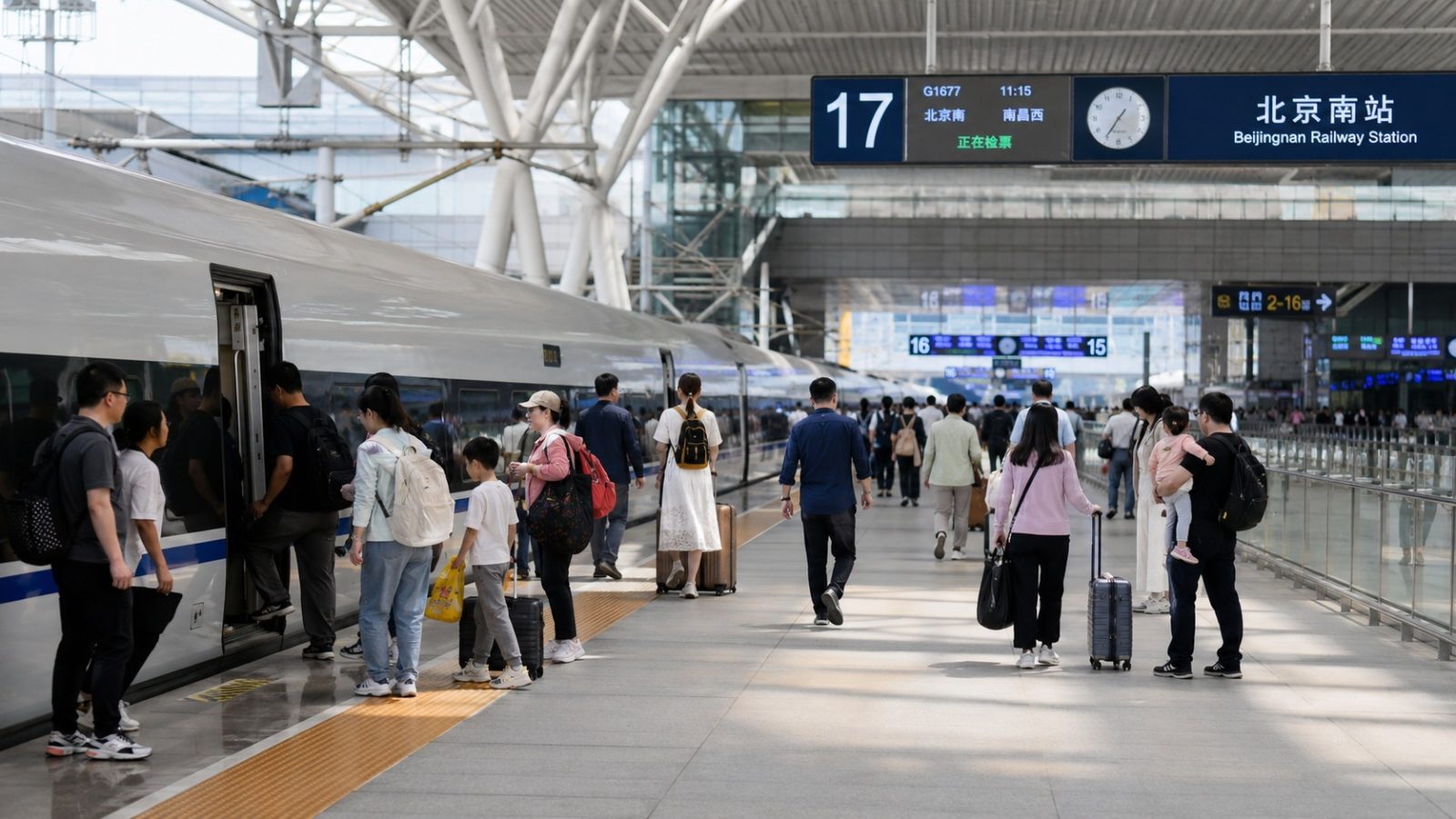
At the Chengdu Tianfu International Airport, the scene in early 2026 tells a different story than it did five years ago. Instead of long queues at international check-in counters for Paris or Tokyo, passengers are swarming toward domestic gates. Li Wei, a 28-year-old software engineer from Shenzhen, booked a weekend trip to Dali instead of planning his annual vacation in Europe.
“In the past, going abroad was about status,” Li explains over coffee. “Now, it’s about experience and value. The cost of an international flight has doubled due to geopolitical tensions and visa complexities, while domestic options have become surprisingly luxurious.”
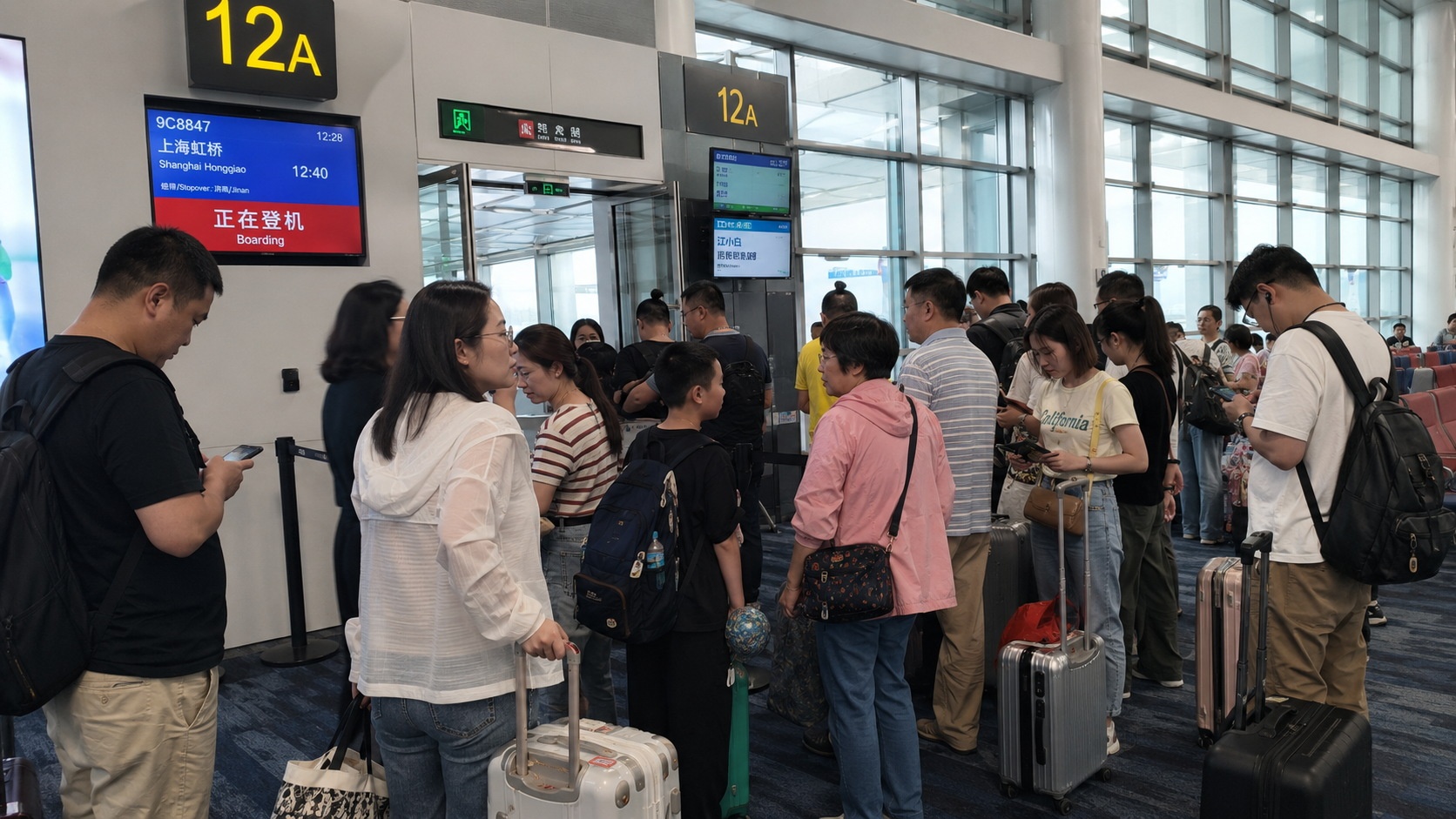
This shift is not merely a budget adjustment; it is a structural change in Chinese consumption habits. Data from the Ministry of Culture and Tourism shows that domestic trips accounted for nearly 95% of all holiday travel in 2026. The “staycation” phenomenon has evolved into a sophisticated form of leisure, where travelers seek quality over quantity. They are no longer rushing through landmarks; they are staying longer, eating better, and engaging more deeply with local cultures.
Infrastructure as an Experience: The High-Speed Rail Network
The backbone of this tourism boom is China’s high-speed rail (HSR) network, which in 2026 has reached over 45,000 kilometers. For many Chinese travelers, the train itself has become part of the holiday experience.
Consider the route from Shanghai to Yunnan. What used to be a grueling two-day journey is now a sleek six-hour ride on a Fuxing bullet train. Passengers enjoy stable Wi-Fi, power outlets at every seat, and panoramic views of changing landscapes—from urban skylines to terraced fields. This connectivity has democratized travel, making remote provinces accessible to the middle class.
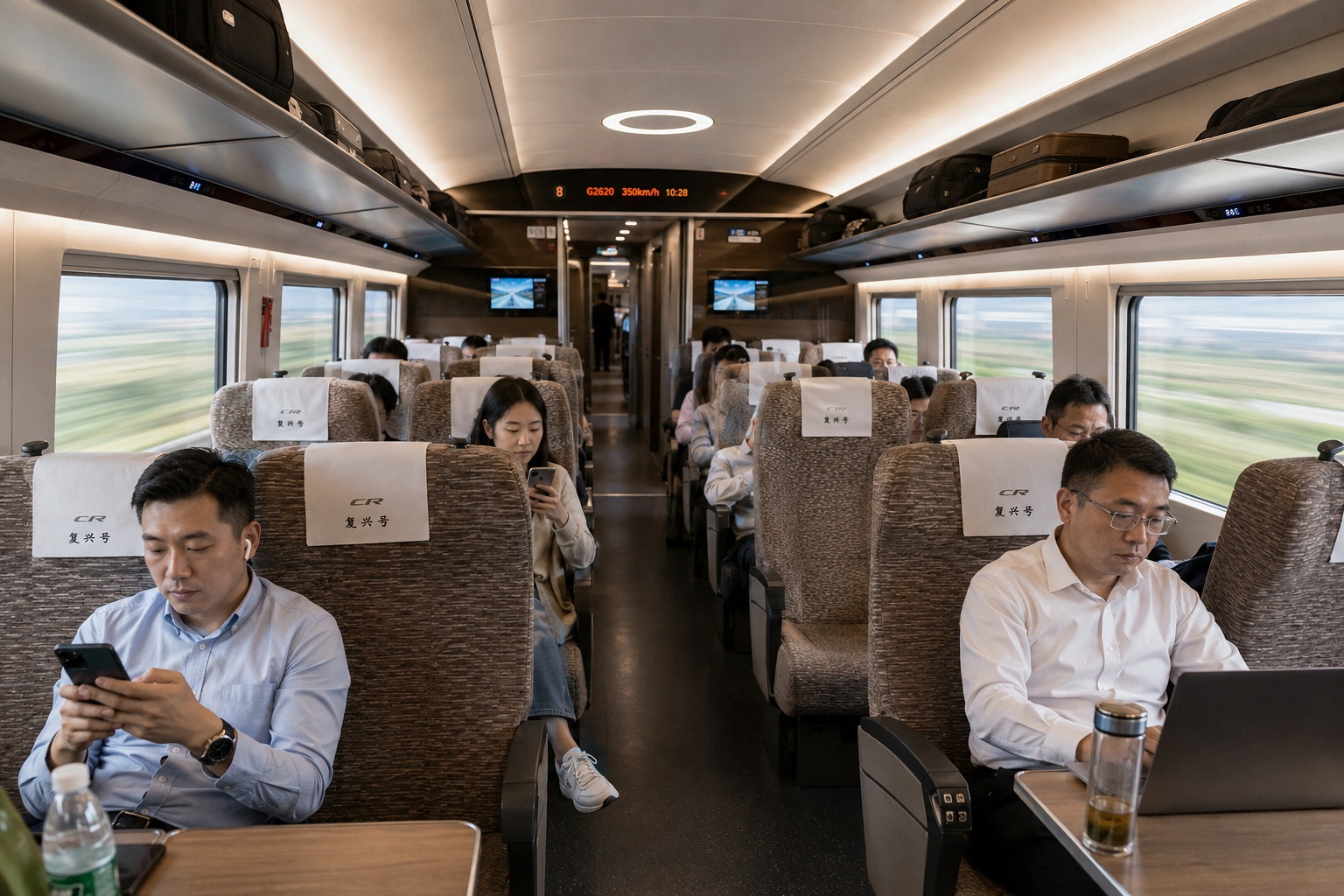
Moreover, the integration of HSR with local tourism services creates a seamless ecosystem. You can book tickets, hotel stays, and even guided tours through a single app like Ctrip or WeChat. This convenience removes the friction that once made domestic travel feel tedious compared to the perceived ease of international resorts.
Cultural Confidence: Rediscovering Local Heritage
A significant driver behind this trend is “Guochao” (national tide), a cultural movement where young Chinese consumers find pride in domestic brands and heritage. In 2026, visiting historical sites is no longer just about education; it’s about identity.
In Xi’an, the Tang Paradise theme park attracts millions annually, not just for its replicas of ancient palaces, but for immersive Hanfu (traditional clothing) experiences. Young people dress in elaborate costumes, take photos on social media, and participate in traditional tea ceremonies. It is a celebration of history that feels alive and relevant.
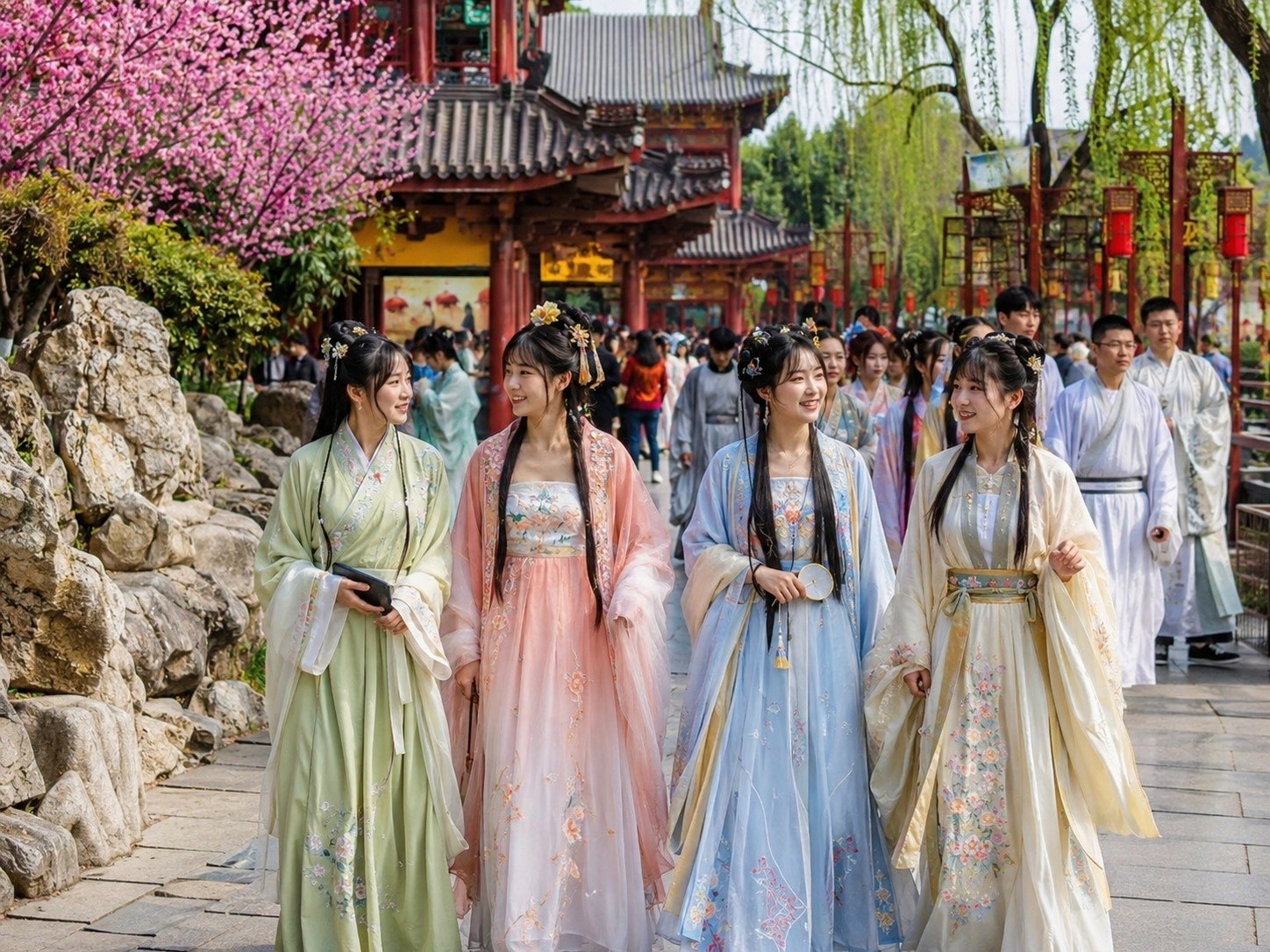
This cultural confidence extends beyond cities. Travelers are flocking to ethnic minority regions like Guizhou and Yunnan, not as passive observers, but as participants in local festivals, food markets, and artisan workshops. The narrative has shifted from “Western is better” to “Local is authentic.”
The Digital Travel Ecosystem: Seamless Convenience
For foreign visitors, navigating China can still seem daunting due to payment barriers. But for domestic tourists, the digital ecosystem is a dream come true. In 2026, cash is virtually extinct in the tourism sector.
Every interaction—from buying a ticket at a rural village entrance to paying for street food in Chengdu—is handled via mobile wallets (Alipay or WeChat Pay). QR codes are everywhere: for hotel check-ins, museum audio guides, and even restroom access. This level of convenience reduces stress and allows tourists to focus entirely on enjoyment.
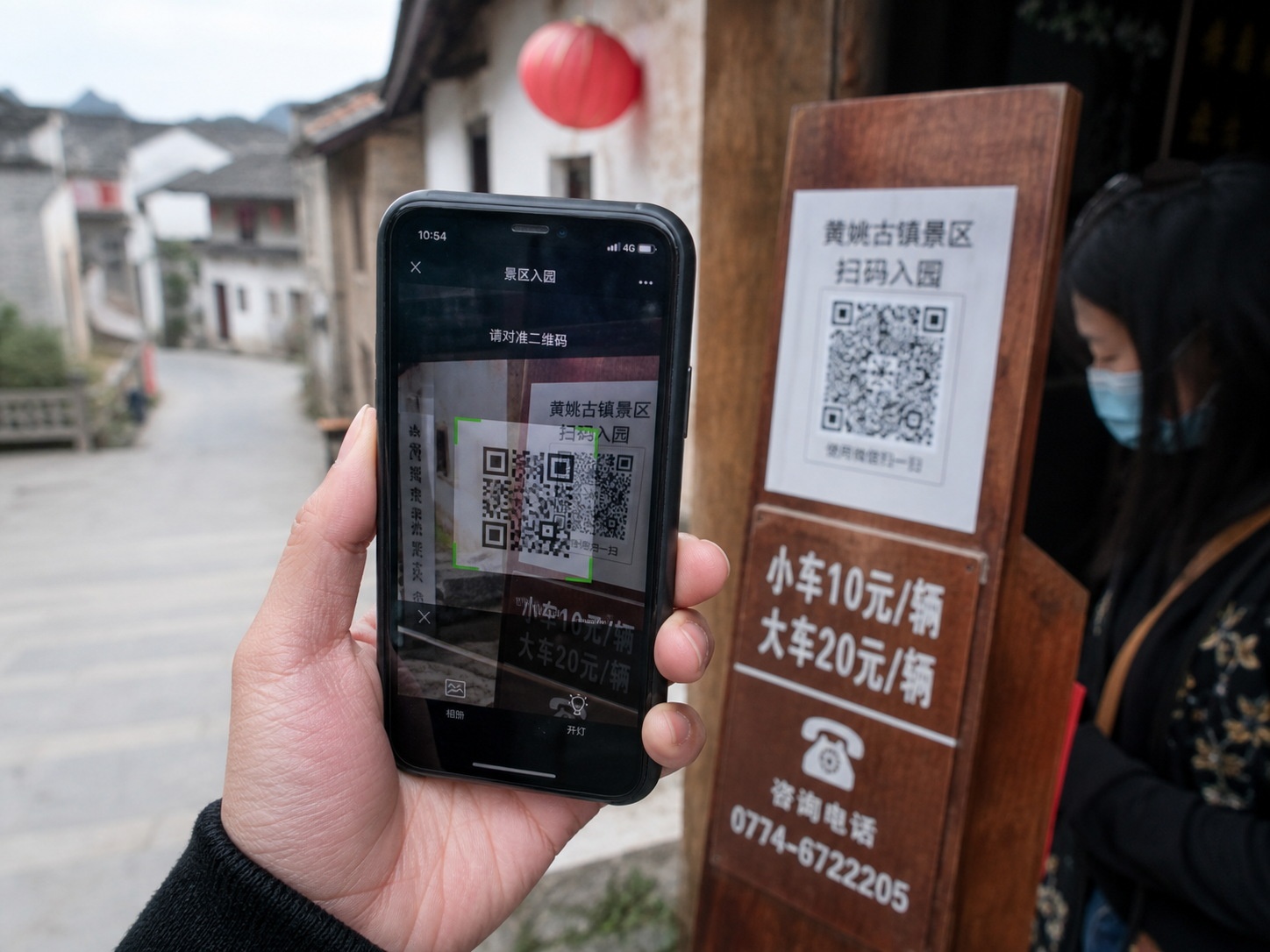
Furthermore, AI-driven travel assistants provide real-time recommendations in local dialects and languages. If a tourist wants to find the best spicy hotpot spot in Chongqing, their phone will guide them through hidden alleys, bypassing tourist traps. This tech-enabled exploration makes domestic travel feel more personalized than ever before.
New Destinations: From Mass Tourism to Niche Explorations
The era of crowded landmarks like the Great Wall or West Lake is giving way to niche destinations. In 2026, “reverse tourism”—traveling to lesser-known small towns during peak holidays—is a major trend.
Towns like Jingzhi in Hubei or Quanzhou’s surrounding villages have seen exponential growth. These places offer affordable luxury: boutique homestays, organic farm-to-table dining, and quiet landscapes. Travelers are willing to trade the glamour of Paris for the tranquility of a bamboo forest in Zhejiang.

This shift benefits local economies significantly. Small businesses thrive as tourists spend money on local crafts, food, and experiences rather than international luxury goods. It creates a more balanced distribution of wealth across the country.
Conclusion: A Shift in Perspective, Not Just Spending
The rise of domestic tourism in 2026 is not just about economic pragmatism; it reflects a deeper psychological shift. Chinese travelers are finding that their own country offers enough diversity, beauty, and cultural depth to satisfy even the most adventurous spirits.
As one traveler put it: “I used to think I had to go far to find myself. Now I realize I’ve been exploring my own backyard all along.” This new era of travel is sustainable, culturally rich, and deeply connected to the rhythms of modern China.