

A Different Kind of Speed
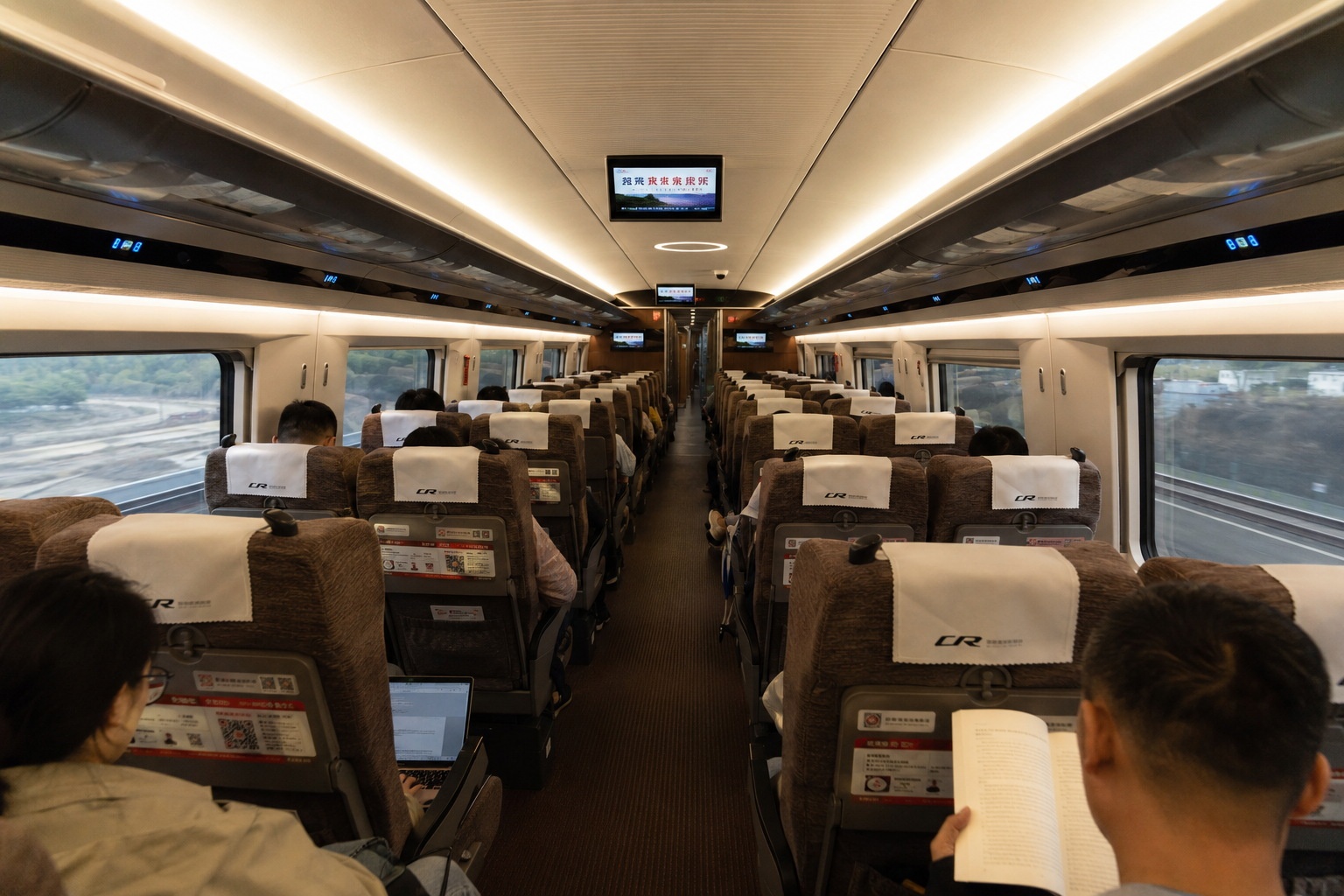
Most travelers arriving in China for the first time are struck by one thing: the sheer velocity. The Fuxing high-speed train glides out of Beijing, hitting 350 kilometers per hour (217 mph) with a stability that makes a cup of tea on the table ripple less than the train itself. But the real innovation isn’t just in the engineering; it is in the social contract signed between strangers sharing a confined space.
Enter the “silent carriage.” For many Western travelers accustomed to the raucous energy of open-plan trains or buses, the first step into Carriage 8 of a G-series train feels like entering a library. There is no chatter. No loud phone calls. No children running in the aisles. Just the soft hum of air conditioning and the rhythmic clatter of wheels on tracks.
The Rules Are Real, Not Just Suggestions
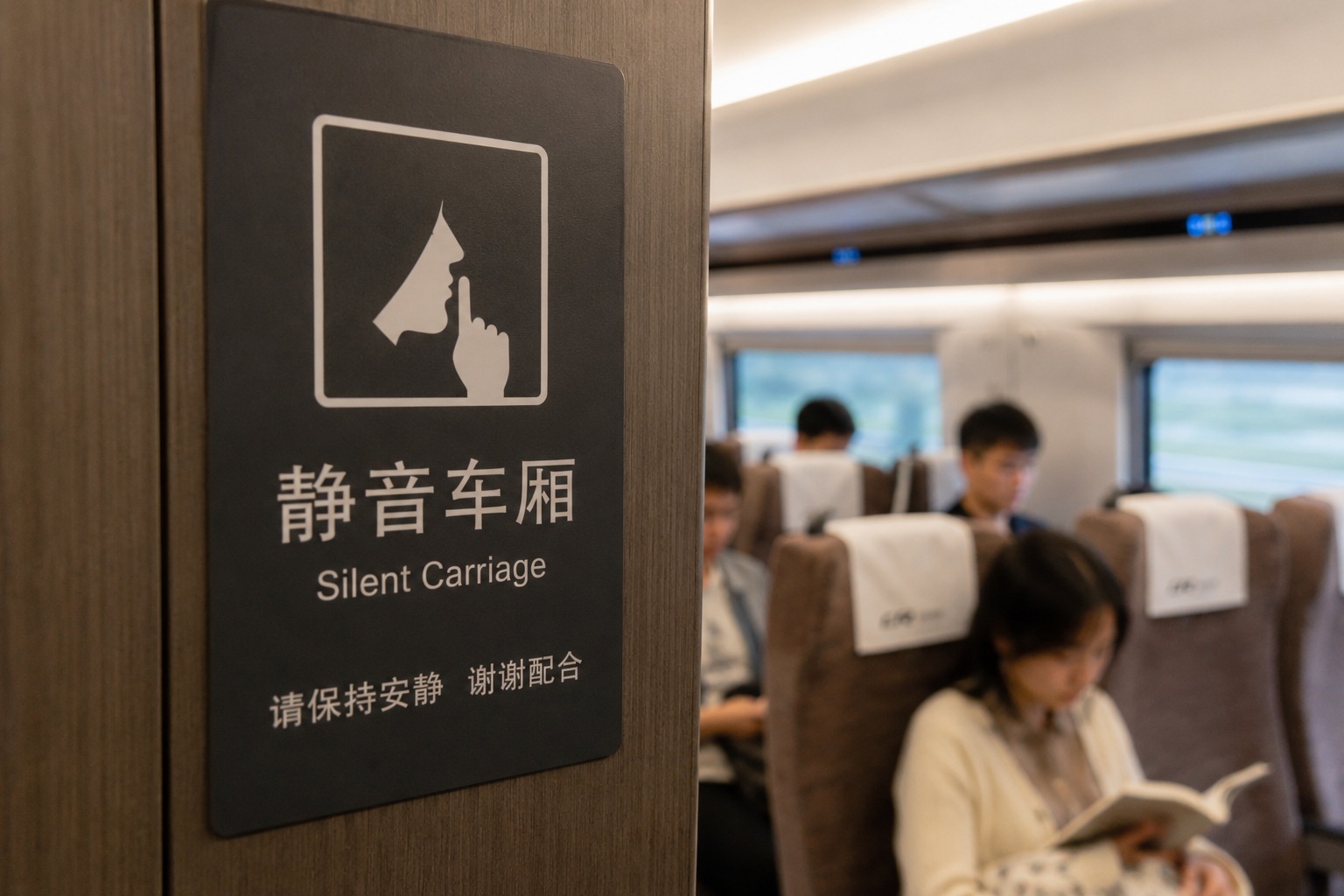
Unlike the “quiet zones” on some European trains, which are often ignored, China’s silent carriages are enforced with precision. When you book your ticket online or at the station, you must explicitly choose the “silent” option. The carriage is clearly marked with signs in Chinese and English, reminding passengers to keep voices low, wear headphones, and silence mobile devices.
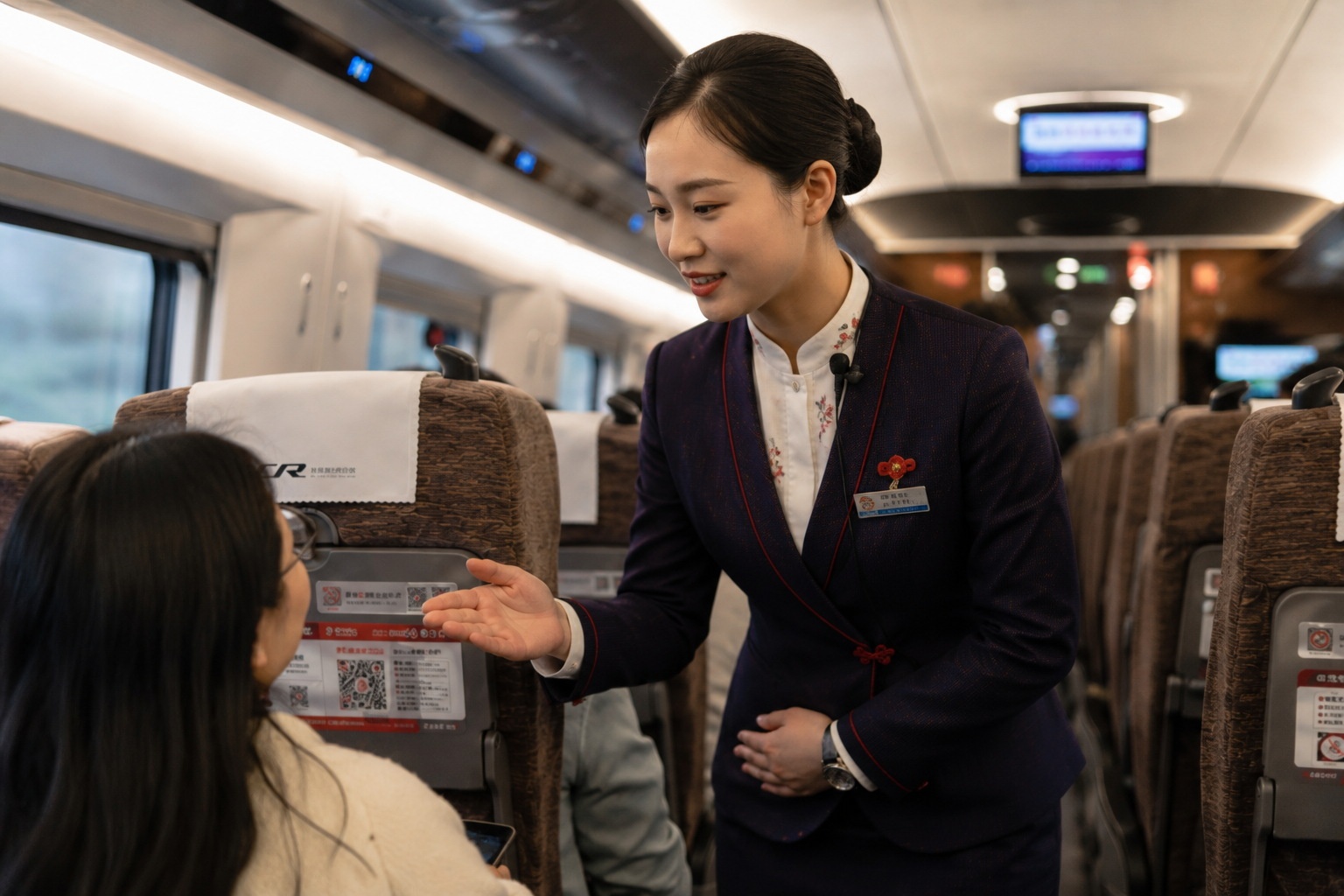
The enforcement is active. Train attendants patrol these sections specifically. If a passenger is seen taking a loud call or playing music without headphones, they are politely but firmly reminded of the rules. Repeat offenders may be asked to move to a regular carriage. This isn’t about policing happiness; it’s about respecting the collective peace.
A Shift in Public Etiquette
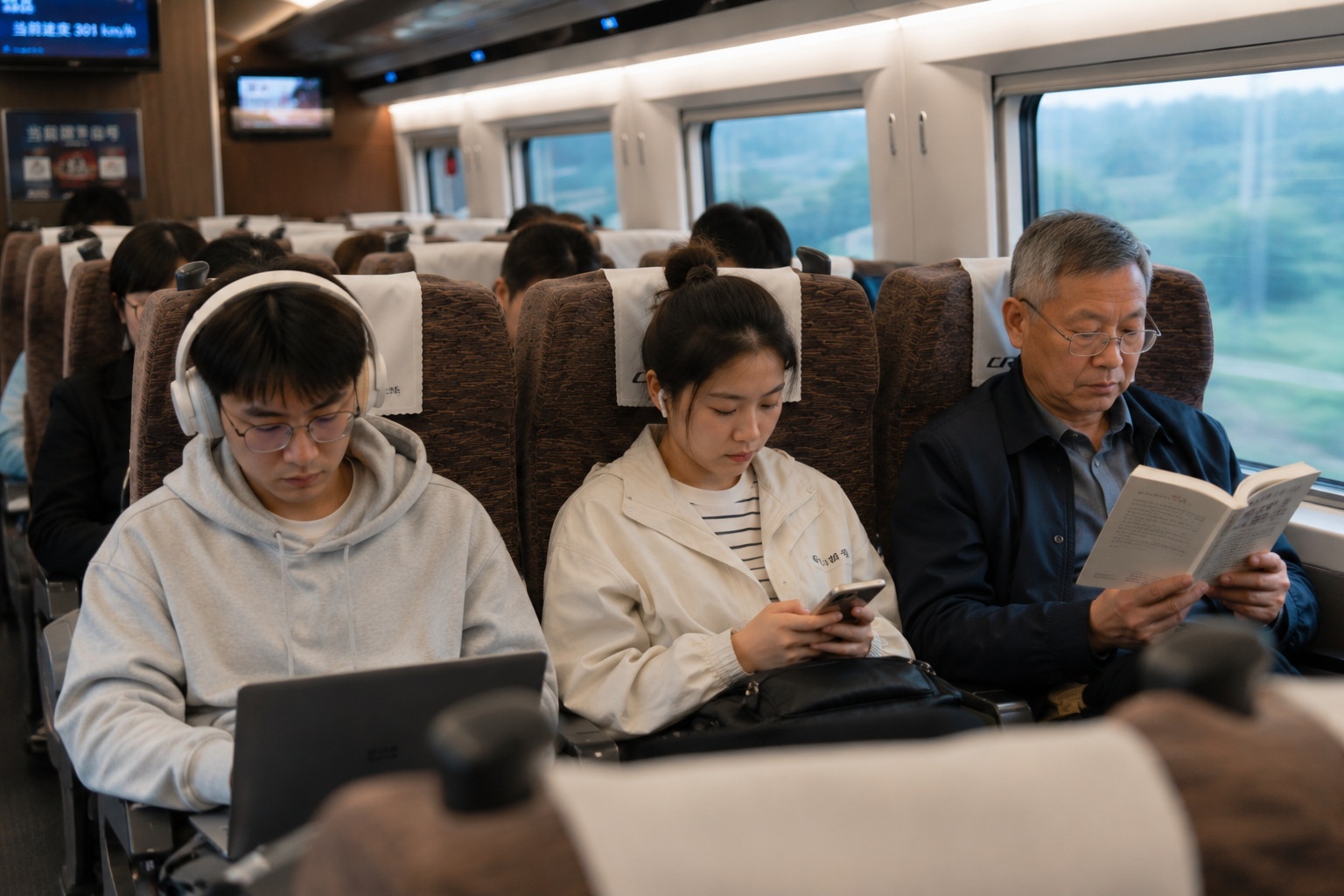
What is fascinating to observe is not just the silence, but the demographic compliance. In the past, Chinese public transport was often characterized by loud conversations and vendor calls. Today, in these silent carriages, you see a wide spectrum of passengers: students with laptops, business professionals on laptops, and elderly travelers resting.
A survey by China Railway noted that over 80% of passengers in silent carriages strictly adhere to the rules. The remaining 20% are usually unaware of the designation or forget momentarily. The social pressure is gentle but effective. When everyone else is quiet, breaking the silence feels like a violation of social norms, not just a rule.
Why Silence Matters Now
This initiative reflects a deeper change in Chinese society: the growing value placed on personal boundaries and mental space. As urban density increases, public spaces become shared resources that need management. The silent carriage is a solution to “noise pollution” in transit.
For global readers, this is a glimpse into how China manages its massive infrastructure. It is not just about building faster trains; it is about creating environments where different needs can coexist. Some want to socialize; others want to work or rest. The silent carriage offers a choice, a luxury in the world of mass transit.
Practical Guide for Travelers
If you plan to experience this yourself, here is what you need to know:
- Booking: Select “Silent Carriage” when booking on apps like Trip.com or 12306.
- Location: Silent carriages are usually Carriage 8 on standard 16-car trains.
- Etiquette: Silence your phone. Use headphones for all audio. Keep conversations to a whisper.
- Consequence: If you break the rules, staff will ask you to move. It is not a fine, but a social correction.
The silent carriage is more than a train feature; it is a mirror of a society learning to listen to itself. In a world that never stops talking, finding 350 kilometers per hour of quiet is a rare and refreshing gift.