

The Last Bite Before Midnight
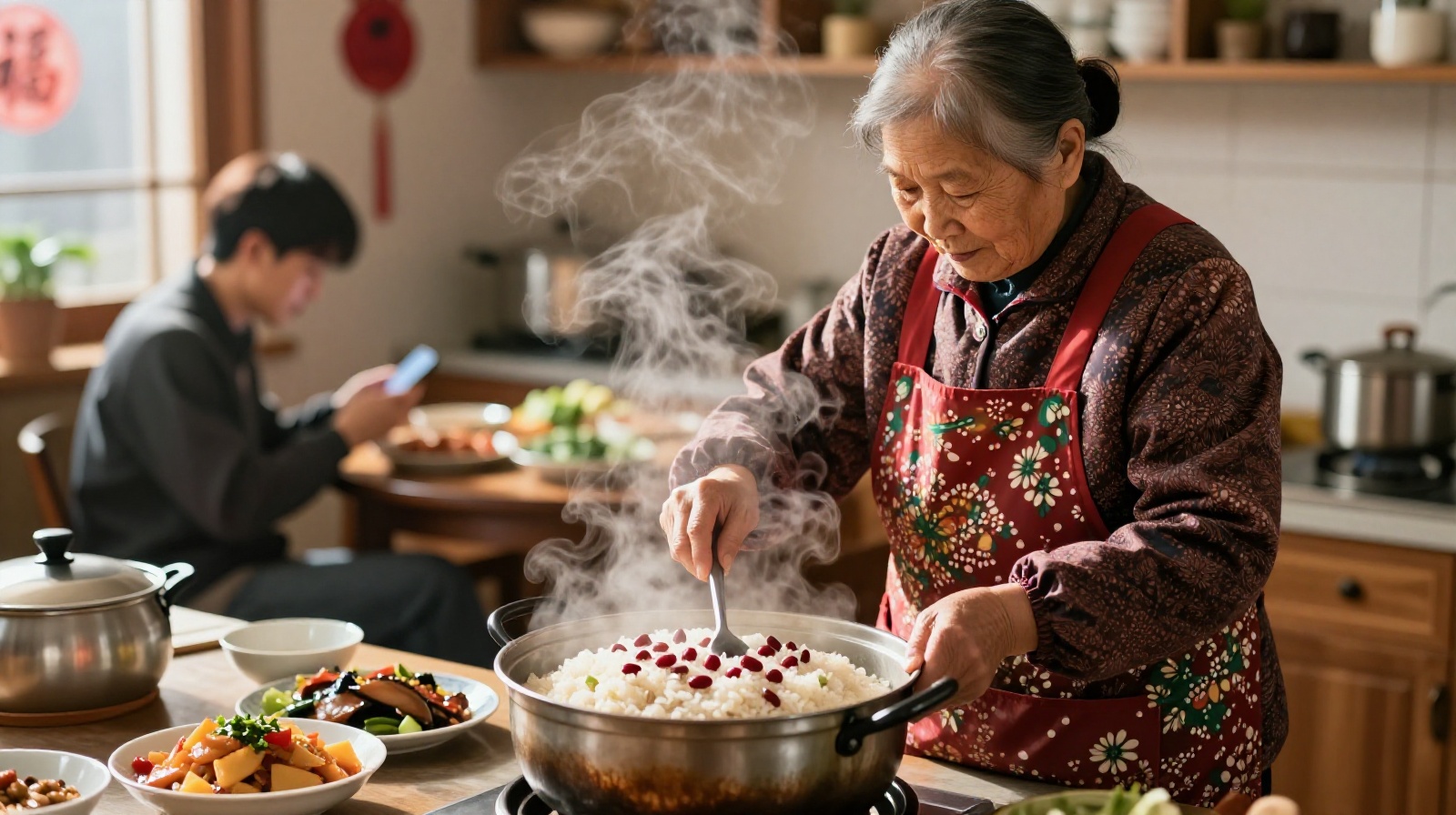
It is just past 10:30 PM on New Year’s Eve. The dining table, usually groaning under the weight of roast duck, dumplings, and spicy fish, is now clearing out. Plates are being swapped for clean bowls. In a bustling kitchen in Suzhou, a grandmother named Mrs. Lin wipes her hands on an apron stained with oil. She isn’t cooking the main course anymore; she is steaming the final act of the night.
“You cannot end a meal like this without something sweet,” she says to her son, who is already scrolling through his phone near the warm kitchen door. “If you leave on a bitter note, the year will be hard. We need sweetness first.”
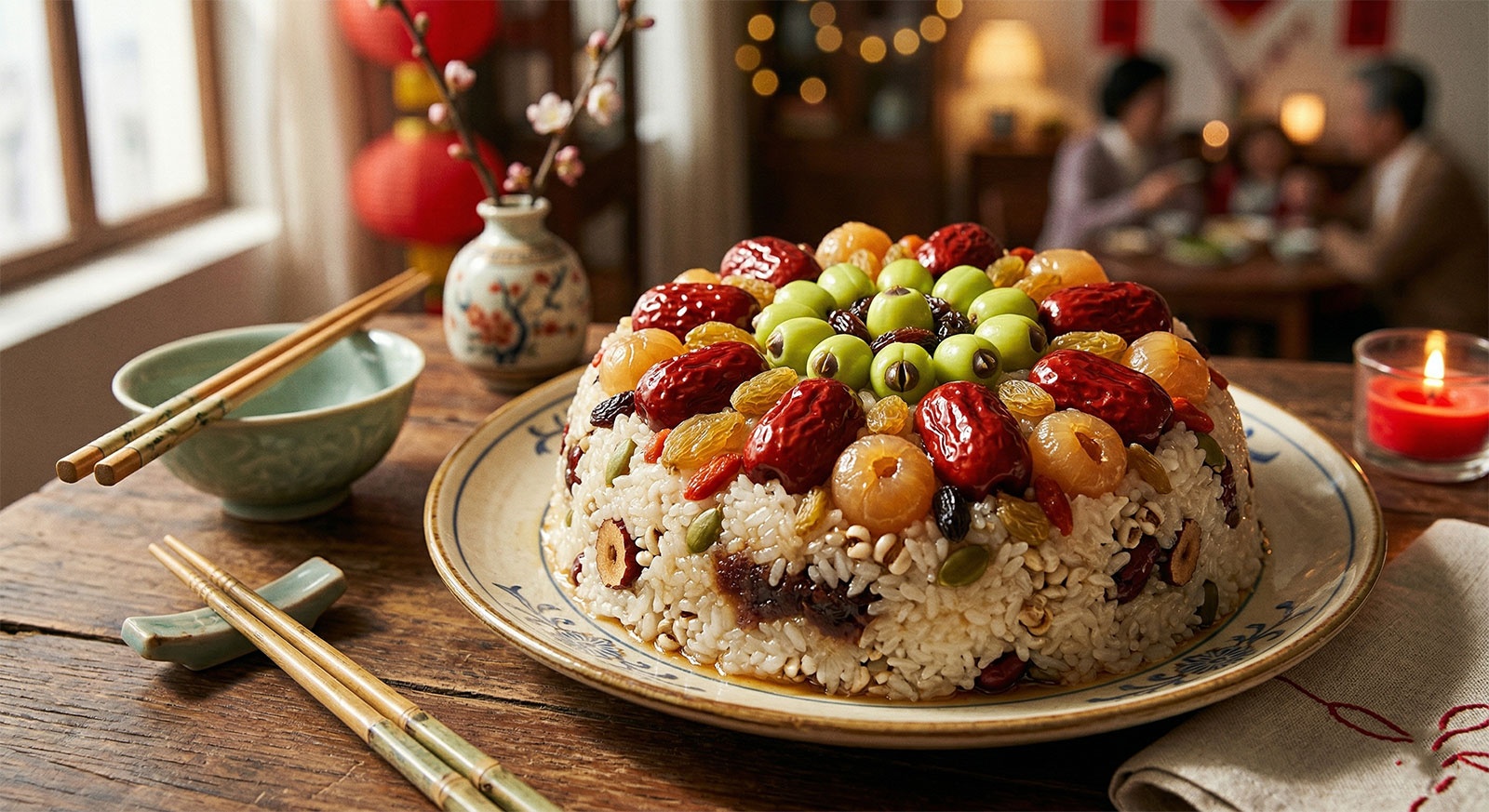
This dish is Eight-Treasure Rice (Babao Fan). It sits at the very end of the banquet, not as an afterthought, but as the grand finale. In Chinese culture, this position is called “ya zhou”, literally meaning ‘the last act’ or the climax. Just like a play ends with a dramatic scene, the dinner must end on a high note—specifically, a sweet and sticky one.
A Bowl of Symbolism, Not Just Calories
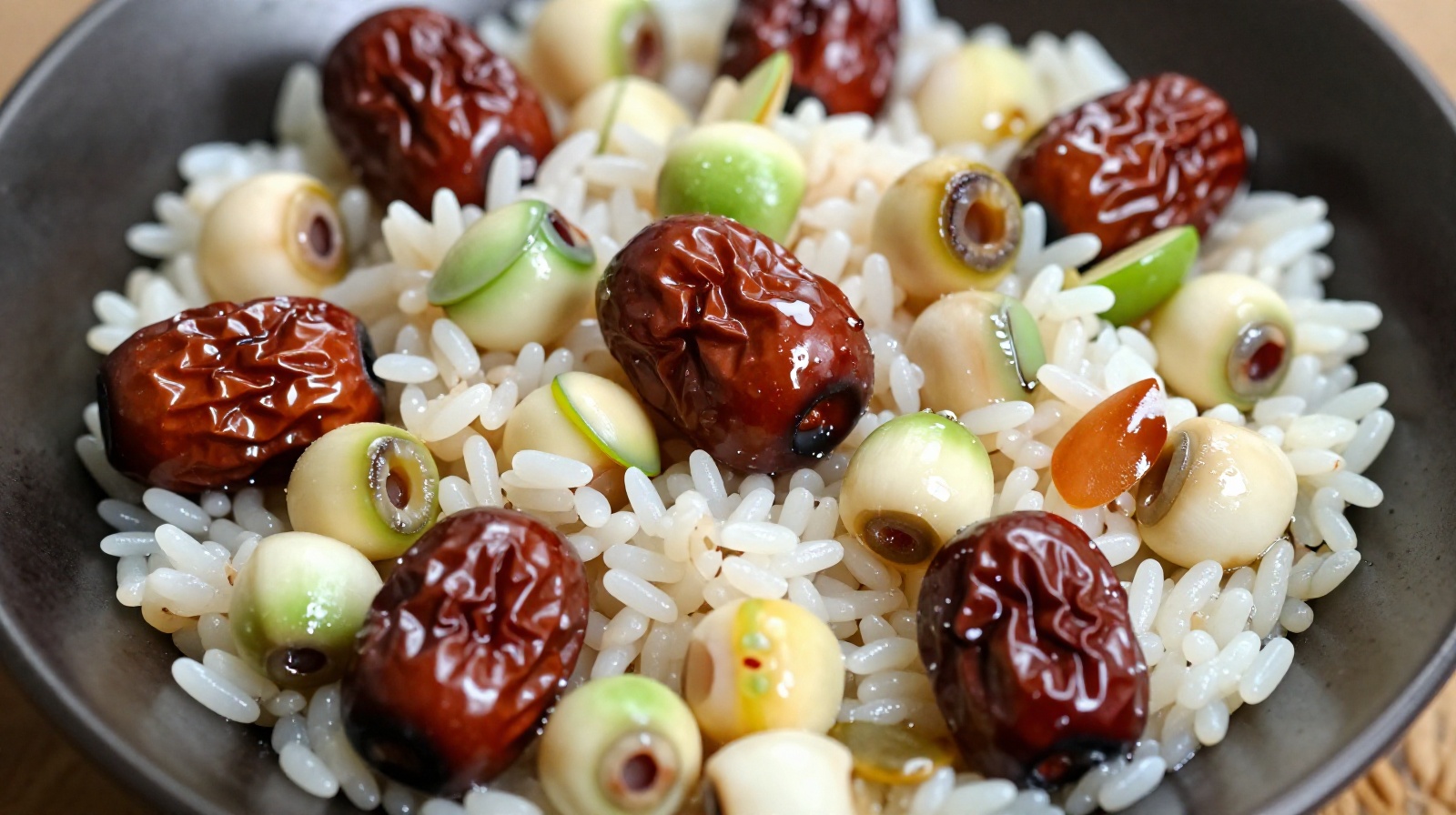
Eight-Treasure Rice is deceptively simple. At its heart lies glutinous rice, steamed until it clings together like a single unit. This stickiness represents the family: no one leaves, everyone stays close.
But the true magic lies in what is buried beneath the white grains. Traditionally, families arrange red dates, lotus seeds, dried longan, goji berries, and sometimes candied winter melon or nuts on a plate before steaming. Once inverted onto a serving bowl, they form a vibrant, flower-like pattern.
Each ingredient carries a specific wish for the coming year:
- Red Dates (Hong Zao): Symbolize ‘early birth of noble sons,’ a traditional hope for family growth and prosperity.
- Lotus Seeds (Lian Zi): The word sounds like ‘continuous’ and ‘seed.’ It means “having surplus every year” (Lian Nian You Yu).
- Dried Longan: Represents reunion and wholeness, ensuring family members stay connected regardless of distance.
The Great Shift: From Kitchen to Supermarket
In the past, making Eight-Treasure Rice was a full-day labor. It required soaking rice for hours, layering ingredients by hand, and steaming it over high heat until perfectly cooked.
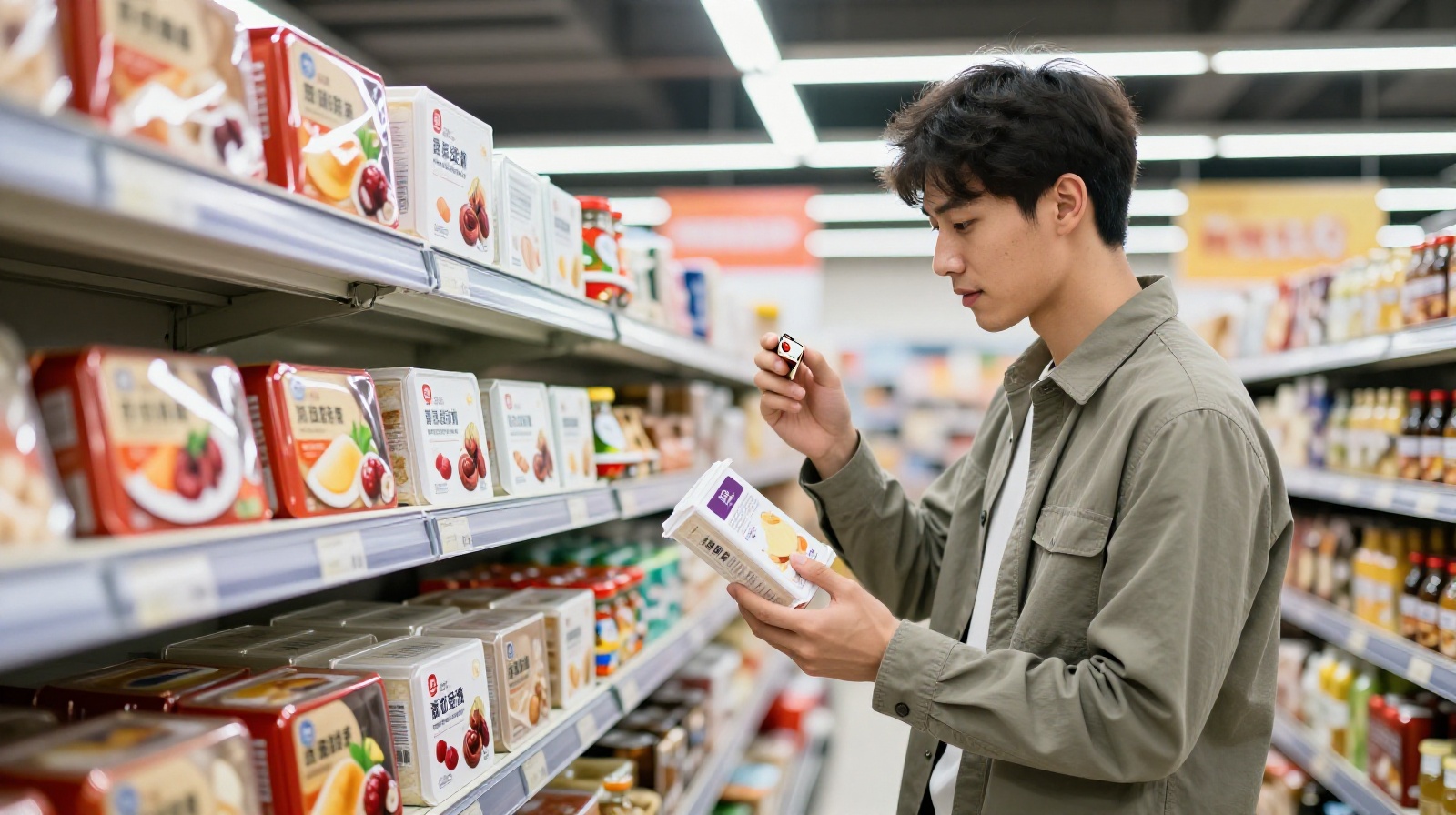
Today, the scene has changed. In many Chinese households, the process is faster. You can find pre-packaged versions in supermarkets across Shanghai or Beijing. These frozen blocks are designed to be heated in a microwave for three minutes.
“The taste isn’t exactly the same as my mother’s,” admits Li Wei, a 28-year-old software engineer in Shenzhen. “But it saves me time so I can spend more quality moments with my parents instead of standing over a hot stove.”
This shift reflects a broader change in modern China: the balance between preserving tradition and adapting to busy urban lives. While purists argue that store-bought rice lacks the “soul” of hand-layered ingredients, most families agree that the ritual of eating it together matters more than the method of preparation.
Why It Matters for Foreigners
If you visit a Chinese home during Lunar New Year and are offered this dessert, accept it with both hands. For Western audiences used to fruit or cake at the end of a meal, Eight-Treasure Rice offers a unique window into Chinese values.
It is not just about sugar; it is about intent. The sweetness is a deliberate choice to start the new year on a pleasant note. In a world that can often feel chaotic and fast-paced, this dish grounds people in their history. It reminds them that no matter how modern life gets, there are still moments dedicated to family unity and quiet hope.
So, when you see that sticky mound of rice topped with bright red dates and golden seeds, know that it is more than a dessert. It is a prayer wrapped in flavor, served warm, ready to welcome the new year.