

A Mirror, a Camera, and a Bold Choice
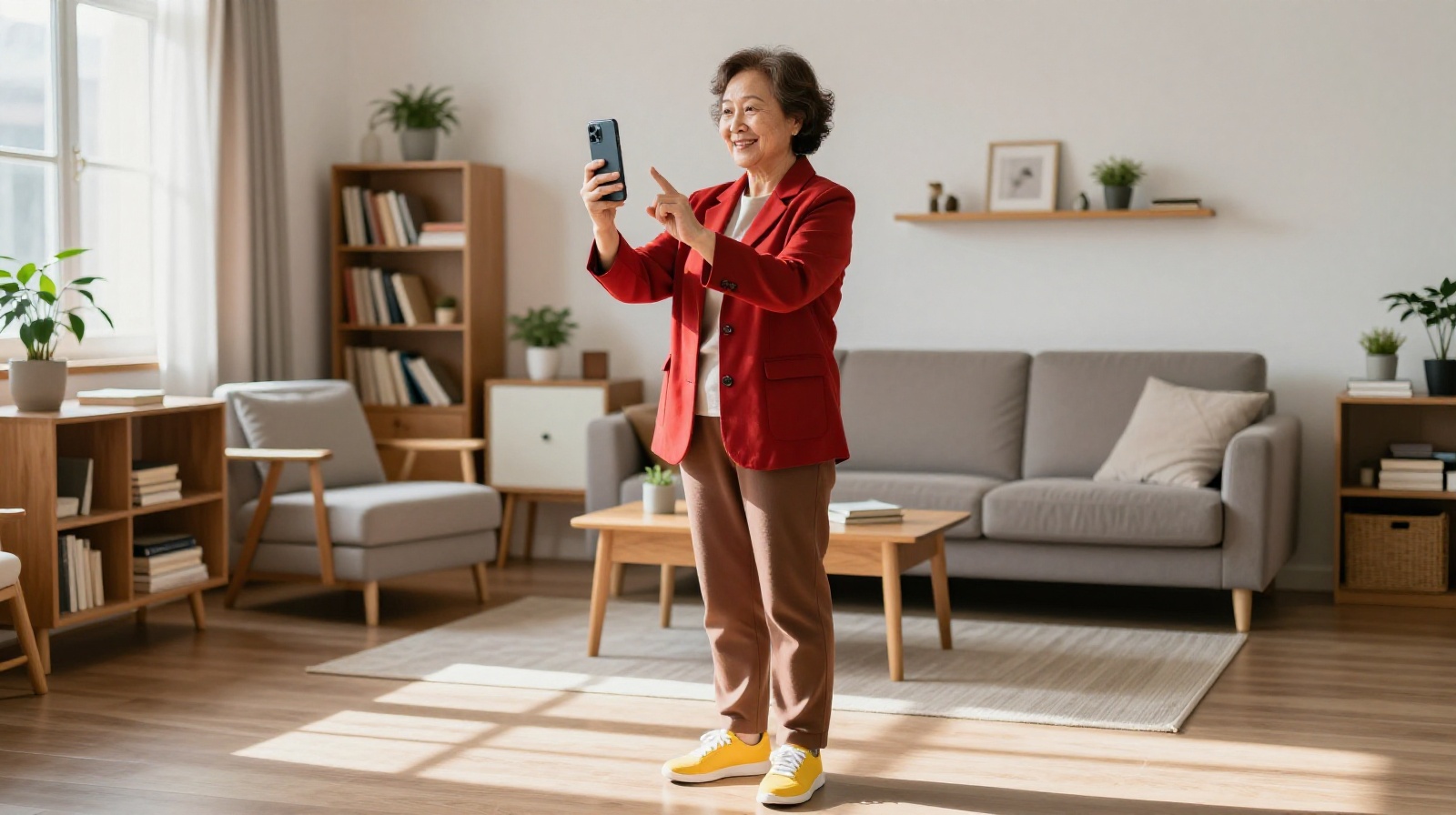
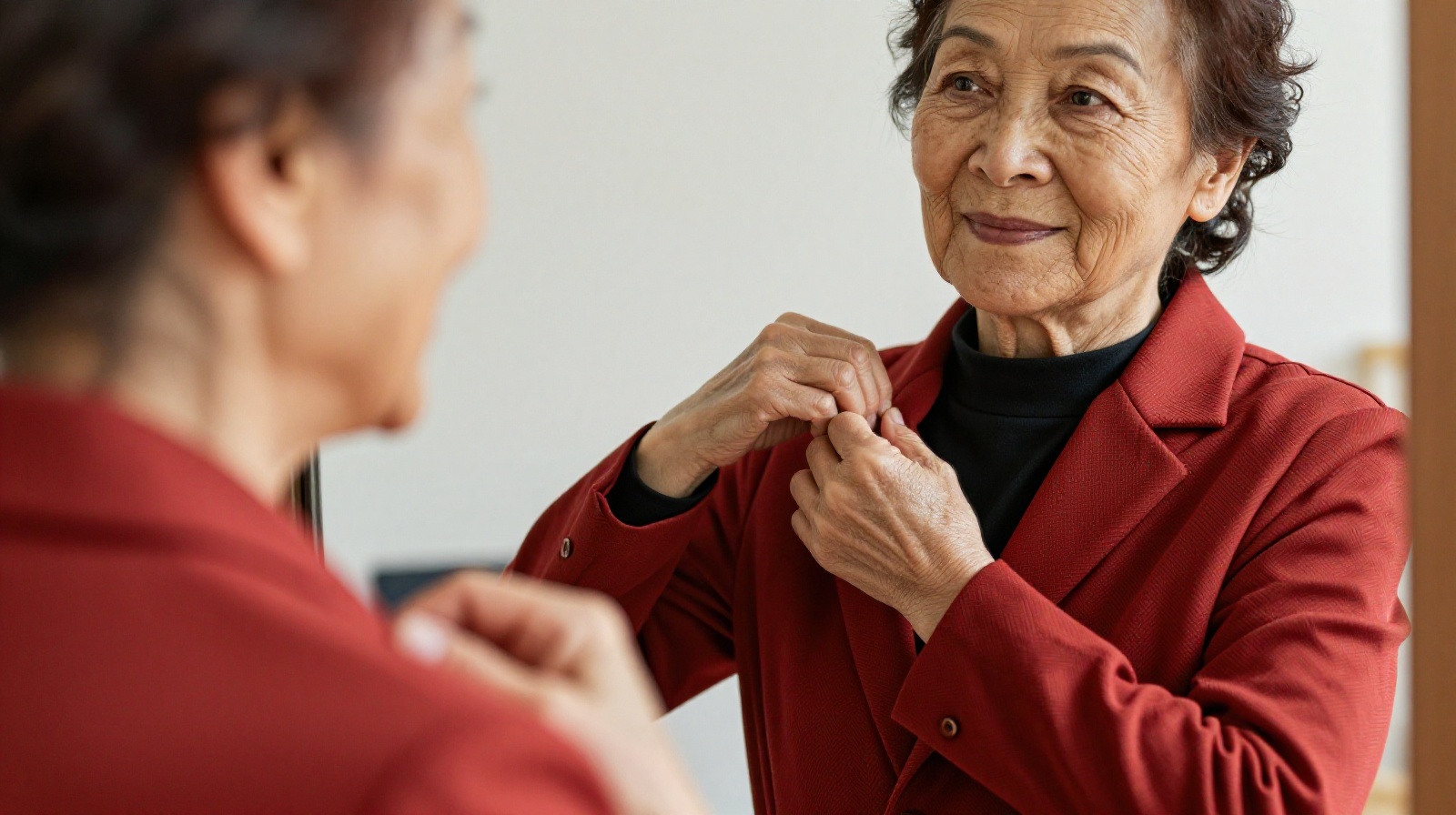
The morning light hits the mirror in a small apartment in Chengdu. Li Hua adjusts her collar, smoothing out the fabric of a vibrant red blazer she bought at a local market last week. Beside it lies a pair of bright yellow sneakers—no one would expect to see them with a traditional outfit, but for her, they are the secret weapon. She picks up her smartphone, checks the angle, and smiles.
For decades, this was just another quiet morning. Then she clicked “Record.” Today, that simple clip has garnered over 1.2 million views on Douyin, China’s version of TikTok. Her followers don’t just watch; they comment: “You make me want to dress up for myself,” or “I thought I was too old for colors.”
Li Hua is not a professional model, nor is she wearing clothes designed by high-end fashion houses. She is a retired teacher who decided that at 70, she still wanted to look good.
The Unexpected Turn from Grandmother to Influencer
Three years ago, Li Hua’s life was predictable. She cooked for her family, walked in the park, and watched soap operas. Her wardrobe consisted mostly of loose black pants and gray sweaters—classic choices for a woman of her generation.
The shift began when her granddaughter encouraged her to try Douyin. “Just record what you do,” her granddaughter said. Li Hua started by posting clips of herself organizing her garden or making dumplings. But the algorithm, it seemed, had other plans.
One day, she wore a floral dress with bold patterns and bright nail polish. The response was immediate. Comments flooded in from people across China: “I love your confidence,” “Can you share where you got that bag?” Within months, her follower count climbed past 500,000. Today, it stands at over a million.
She didn’t change her personality to fit the platform; she let the platform amplify her natural style. Her videos are unpolished, often shot on a tripod in her living room, but they feel authentic because they are real.

Douyin: A Stage for the Silver Generation
Li Hua’s story is not an isolated incident. Across China, short-video platforms have become unexpected stages for older adults who were previously invisible in mainstream media.
In a country where the population is aging rapidly—over 200 million people are now over 60—these platforms offer a new way to express identity. For many seniors, Douyin is more than entertainment; it is a space for connection and self-expression that was previously unavailable.
Li Hua explains her approach simply: “I wear what makes me happy. If I look good, I feel good.” Her content challenges the stereotype that older women should be invisible or dressed in dull colors. She mixes vintage pieces with modern trends, proving that style has no age limit.
Breaking Stereotypes in a Digital Age
The comments on Li Hua’s videos reveal something deeper than just fashion appreciation. They show a generation of younger people who are redefining their relationship with aging.
“I saw your video and thought, ‘Maybe I’m not ready to give up'” wrote one 25-year-old follower. Another commented, “My grandmother used to say colors were for young girls. You proved her wrong.”
This cross-generational dialogue is rare in traditional Chinese society, where age often dictated behavior and appearance. But in the digital realm, these boundaries blur.
Li Hua’s success highlights a broader cultural shift. As China grapples with its aging population, there is a growing recognition that older adults deserve to be seen, heard, and celebrated for their individuality. Her story resonates because it is not about perfection; it is about the simple joy of expressing oneself.
The Real Story Behind the Screen
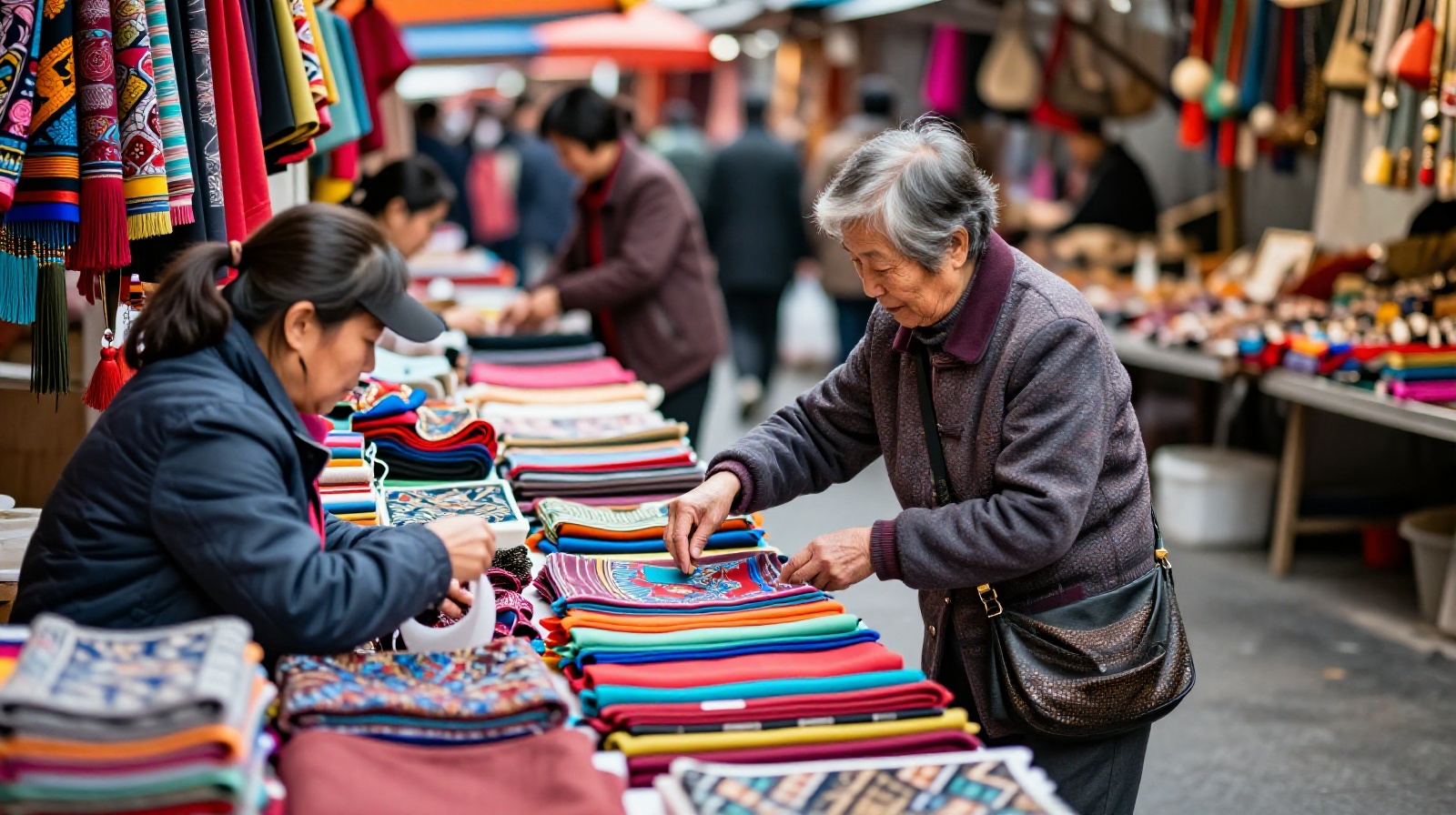
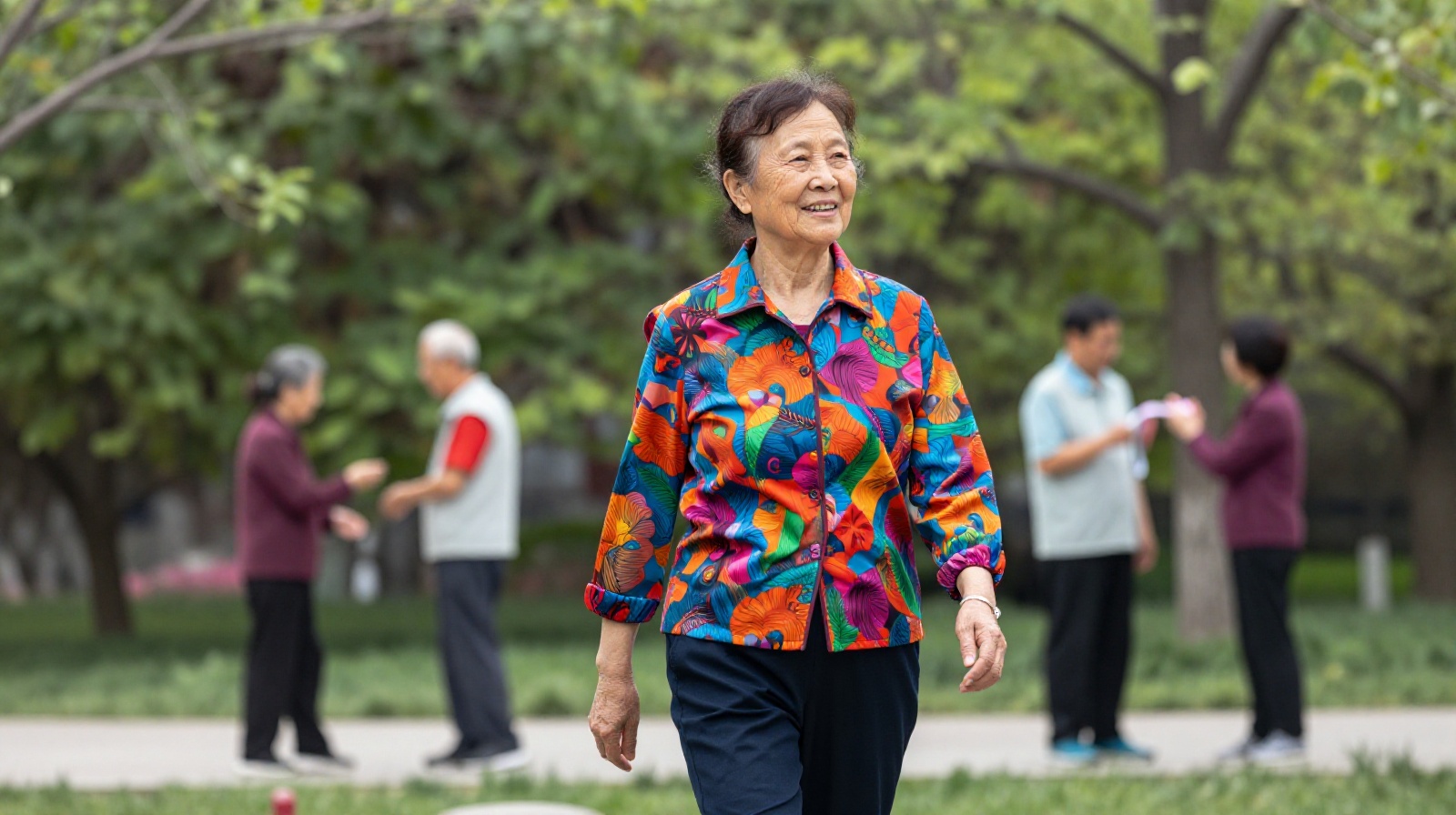
Despite her fame, Li Hua remains grounded. She still shops at local markets, cooks for her family, and takes long walks in the park. Her social media presence is a hobby, not a job.
“People think I’m special,” she says with a laugh. “I’m just like everyone else who wants to feel good.”
In a world often obsessed with youth, Li Hua’s journey offers a refreshing perspective. She shows that beauty and confidence are not the exclusive domain of the young. Whether in a bustling city or a quiet village, people everywhere can find their own way to shine.
Her story is a reminder that technology, when used creatively, can bridge gaps between generations and empower individuals to rewrite their narratives on their own terms.