

Breath Before the Noise
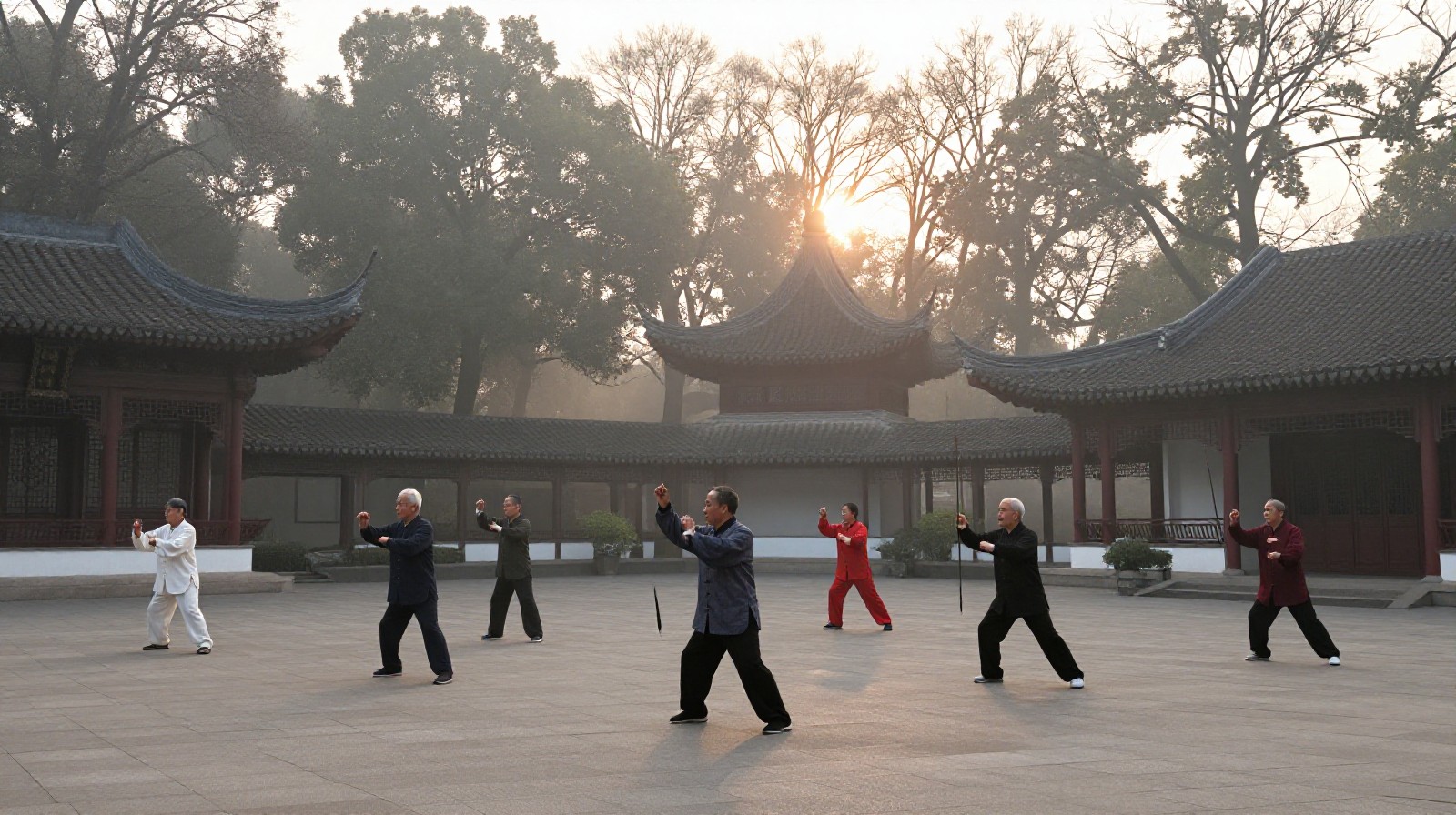
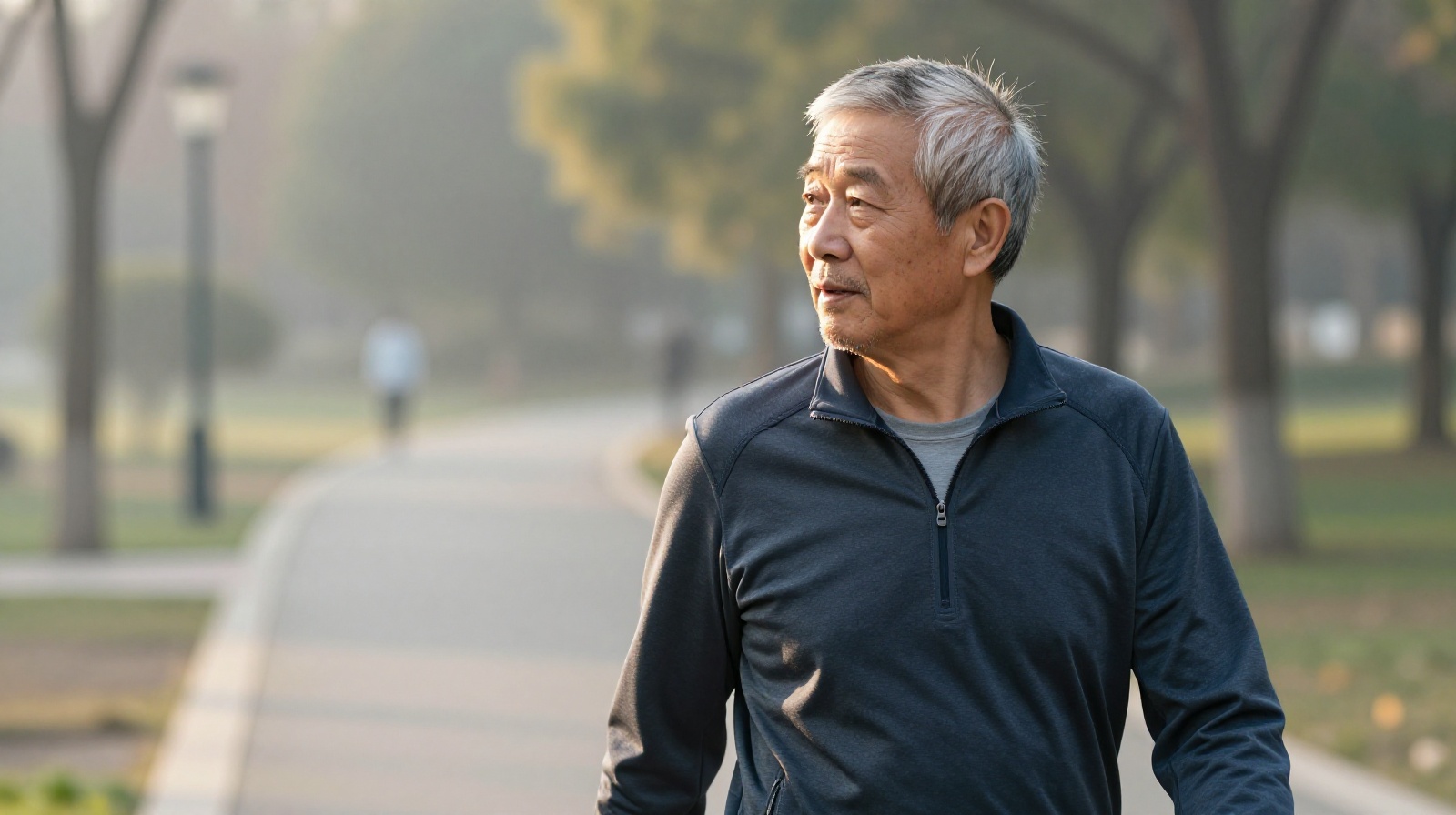
It is 5:45 AM in Beijing. The sky is still a deep indigo, and the air carries a crisp chill that cuts through the city’s smog. There is no hum of traffic yet, only the rhythmic slap of slippers on asphalt and the distant chirping of sparrows. In a small corner of Jingshan Park, Li Wei, 72, adjusts his stance. He isn’t waiting for a bus or rushing to work. He is preparing for the first round of backward walking, a practice that has become as common here as coffee in New York.
The Slow Motion Revolution
Tai Chi, sword dancing, and backward walking are not merely physical exercises; they are moving meditations rooted in Traditional Chinese Medicine (TCM). For Li Wei and his peers, the logic is simple: health is about balance. “We walk backwards to reverse the flow of energy,” he explains between breaths, his hands hovering near invisible meridians. Unlike the high-intensity interval training popular in Western gyms, these movements are fluid, low-impact, and deeply focused on internal sensation.
The popularity of these activities spans generations but is most visible among those aged 60 to 80. In China’s rapidly aging society, where life expectancy has soared past 78 years, these parks serve as open-air clinics. The exercises are free, accessible, and require no equipment other than a pair of comfortable shoes. They represent a cultural belief that prevention is better than cure.
A Community Without Walls
As the sun crests the horizon around 6:15 AM, the park transforms from a quiet sanctuary into a vibrant social hub. Groups form organically. A circle of women practice synchronized Tai Chi fan routines, their movements perfectly timed to an invisible beat. Nearby, a man practices sword dancing, his blade slicing through the morning mist with a sharp hiss.
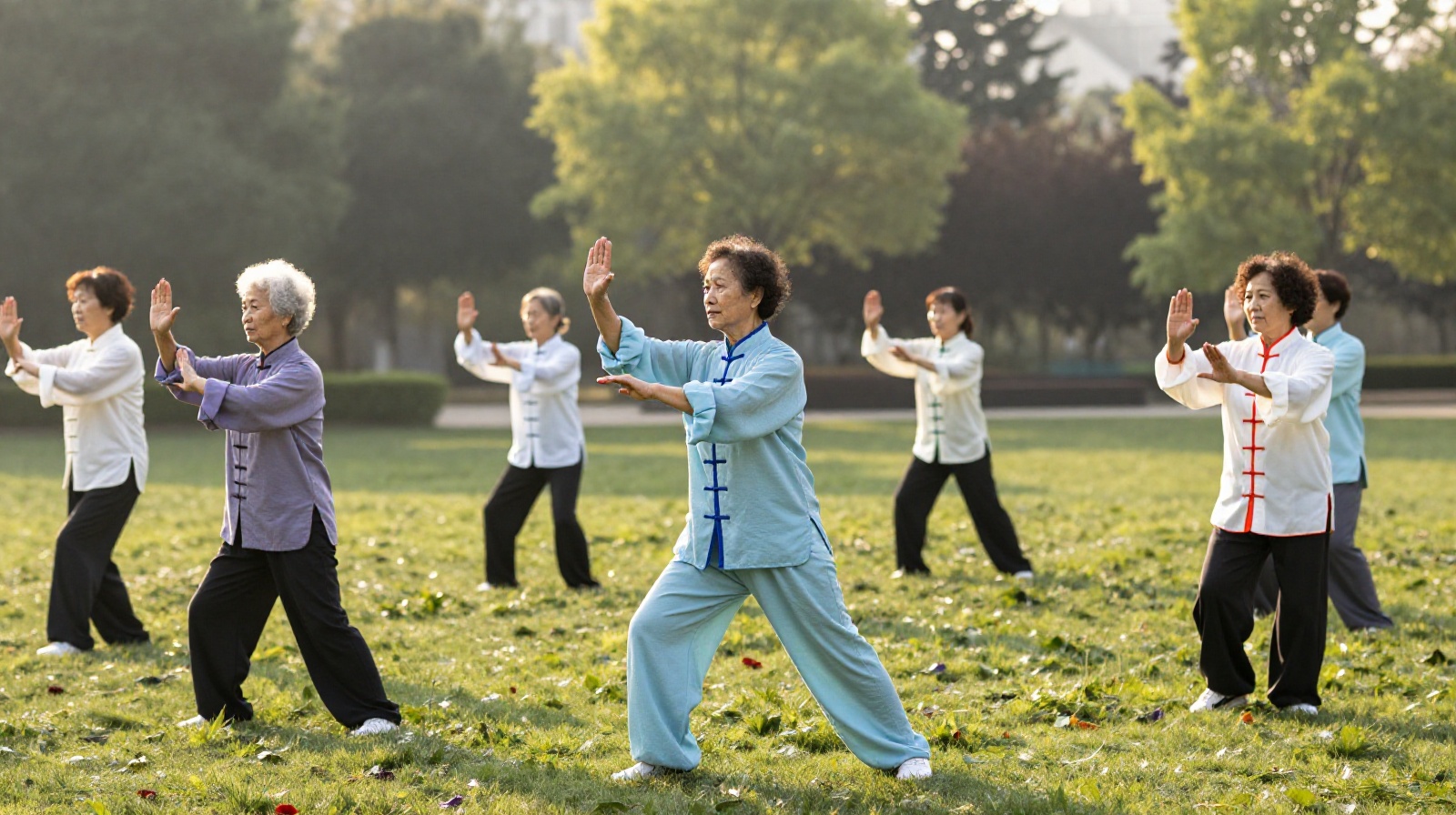
But it is more than just exercise. It is a social lifeline. In a country where urbanization has often separated families and neighbors, these parks provide a rare space for unstructured interaction. Strangers become friends over shared routines. A grandmother might teach a young father how to hold his baby while doing gentle stretches; a retired engineer might discuss the latest health trends with a neighbor.
The Philosophy of Slowness
In a nation known for its “China Speed”—where high-speed trains connect cities in hours and delivery apps drop packages at your door in minutes—the deliberate slowness of morning exercise feels almost rebellious. Yet, it is precisely this contrast that defines the scene.
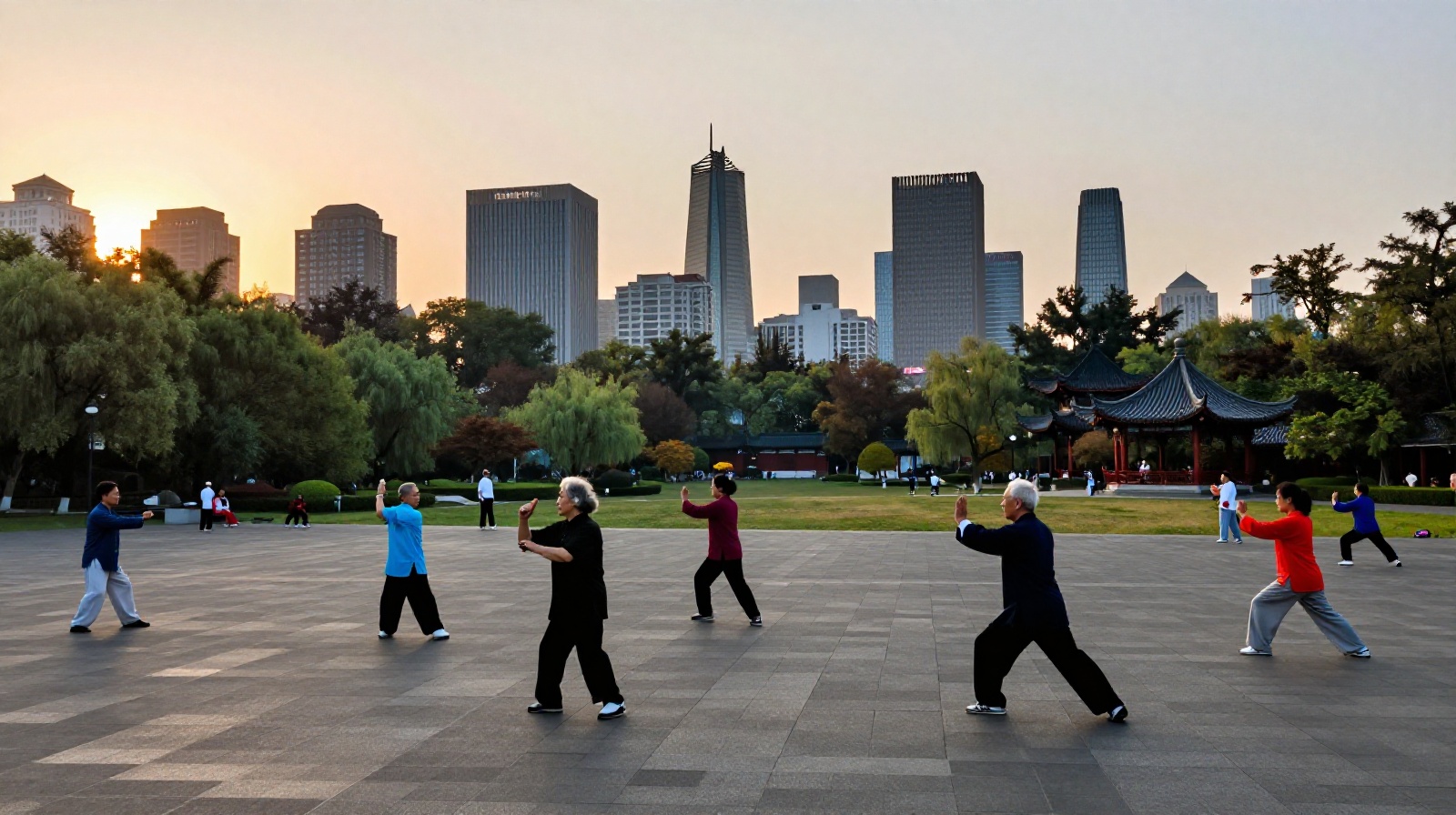
For many Chinese citizens, these rituals are a way to reclaim agency over their own bodies and time. While the rest of the city races toward efficiency, the park-goers pause to synchronize with nature. It is a quiet statement: you cannot rush health. The backward walking, the flowing swords, the slow breaths—these are not relics of a dying past but living adaptations for a modern life filled with stress.
Beyond the Stereotype
Western media often frames Chinese elderly as passive or isolated. These morning scenes challenge that view entirely. The participants are active, engaged, and deeply connected to their community. They are not just “old people exercising”; they are custodians of a cultural heritage that prioritizes harmony between the body, mind, and environment.
As 7:00 AM approaches, the mist begins to lift. The energy in the park shifts from meditative calm to the bustle of commuters heading to work. Li Wei finishes his set, wipes the sweat from his brow, and smiles. “Now,” he says, turning toward the city traffic, “the day can begin properly.”