

The Social Currency of Celebration
Li Wei stood in line at the wedding reception for a Shanghai tech company. The atmosphere was electric, but his eyes were fixed on the envelope he held: 500 yuan (about $70 USD). He wasn’t thinking about the food or the DJ; he was calculating whether this amount matched his relationship with the groom.
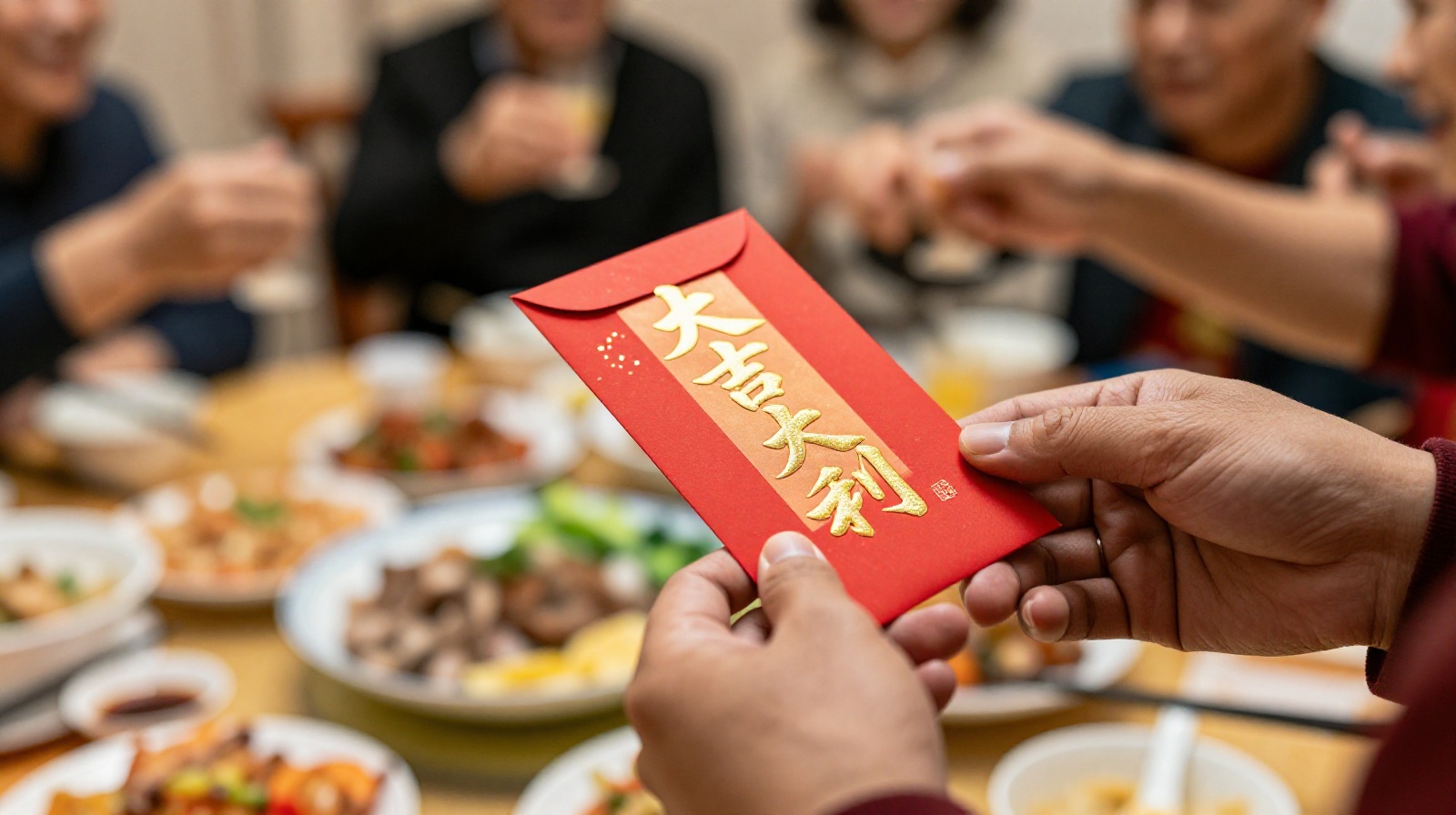
For many foreigners, Chinese weddings feel like a confusing mix of celebration and financial obligation. The concept of giving a “Hongbao” (red envelope) isn’t just about money; it’s a social currency that balances relationships. In the West, you might bring a gift or a card. In China, cash is king, but the amount speaks volumes about how close you are to the couple.

It’s Not Just About Generosity
Why does the number matter so much? Unlike Western tipping culture, where extra money is a bonus for service, Chinese wedding gifts are an investment in social capital. There is an unwritten rule: when you give, you create a debt that will be repaid if you ever hold your own wedding.
This system works like a communal insurance fund. If Li Wei gives 500 yuan now, he expects the groom to return roughly 500 yuan (plus a bit for inflation) years later when Li Wei gets married. The amount isn’t fixed; it fluctuates based on local economic standards and your specific bond with the couple.
In tier-1 cities like Beijing or Shanghai, where the cost of living is high, a standard gift from a colleague might range from 600 to 1,000 yuan ($85–$140). In smaller towns, that same level of friendship might only require 200 to 300 yuan ($30–$42).

The Hierarchy of Relationships
Understanding the “price tag” of your relationship is the key to avoiding awkwardness. The amounts generally follow a clear hierarchy:
- Close Family and Best Friends: Expect to give 5,000 yuan ($700) or more. This is often a significant portion of one’s monthly income for many.
- Colleagues and Good Friends: A safe range is 300 to 800 yuan ($42–$110), depending on how close you are personally, not just professionally.
- Casual Acquaintances: Even if you only know the person by name, a polite gift of 200 to 400 yuan ($30–$60) is expected. Giving nothing can be seen as a breach of social etiquette.
Numerical symbolism also plays a huge role. Numbers with “8” (prosperity) or “6” (smoothness) are highly preferred. For example, 666 yuan ($93) or 888 yuan ($125) are popular choices among friends to show good wishes. Conversely, numbers containing “4” (which sounds like “death”) are strictly avoided.

A Practical Guide for Foreigners
If you find yourself invited to a Chinese wedding as an expat or tourist, here is how to handle the situation without stress:
- Ask Around: The safest bet is to ask other guests what they are giving. Most people will happily tell you the standard amount for that specific event.
- Check the Invitation: Sometimes, the invitation card or a WeChat message from the host hints at expectations, though this is subtle.
- Round It Up: If you are unsure, aim for a round number ending in 6 or 8. For example, if the standard seems to be around 500 yuan, giving 600 yuan ($85) shows extra respect and good luck.
- Use Red Envelopes: Always give cash in a new, crisp bill inside a red envelope. Never hand over loose change or use an old wallet for the money.
The emotional weight of the Hongbao is lighter than many fear. The couple and their families understand that foreigners might not have the same deep connections to local networks. A sincere gift in a red packet is almost always appreciated more than over-analyzing the exact figure.