

The Sound of One Chopstick
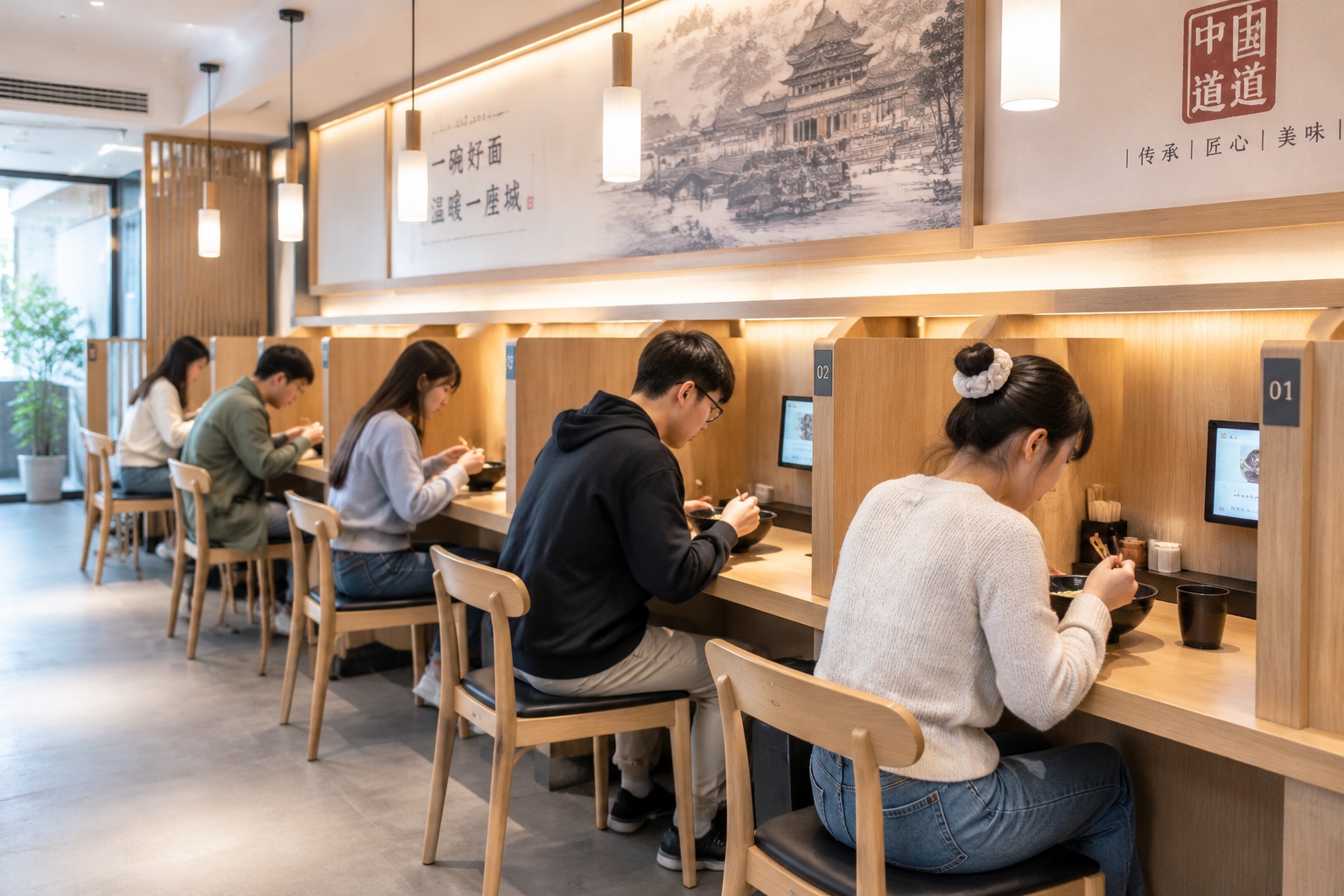
It is just past noon in a narrow alleyway in Shanghai. The air smells of braised pork and star anise. A young man, Li Wei, slides into a booth designed for exactly one person. He places his phone on the table, opens a food delivery app to rate his lunch, and takes a quiet bite of his mapo tofu. There is no awkward silence here. The only sound is the soft clinking of porcelain and the low hum of conversation from three other solo diners at the next booth.
Twenty years ago, walking into a restaurant alone in China might have drawn curious glances or been met with polite confusion. “Is something wrong?” waiters would ask, assuming the guest was waiting for someone who wouldn’t arrive. Today, Li Wei’s routine is part of a massive cultural shift.
From Stigma to Sanctuary
The rise of the “dining alone” phenomenon isn’t accidental. It reflects profound changes in how young Chinese people view their time and social energy. For years, the dominant narrative suggested that eating together was the only valid way to eat. To be alone at a table was to be marginalized.
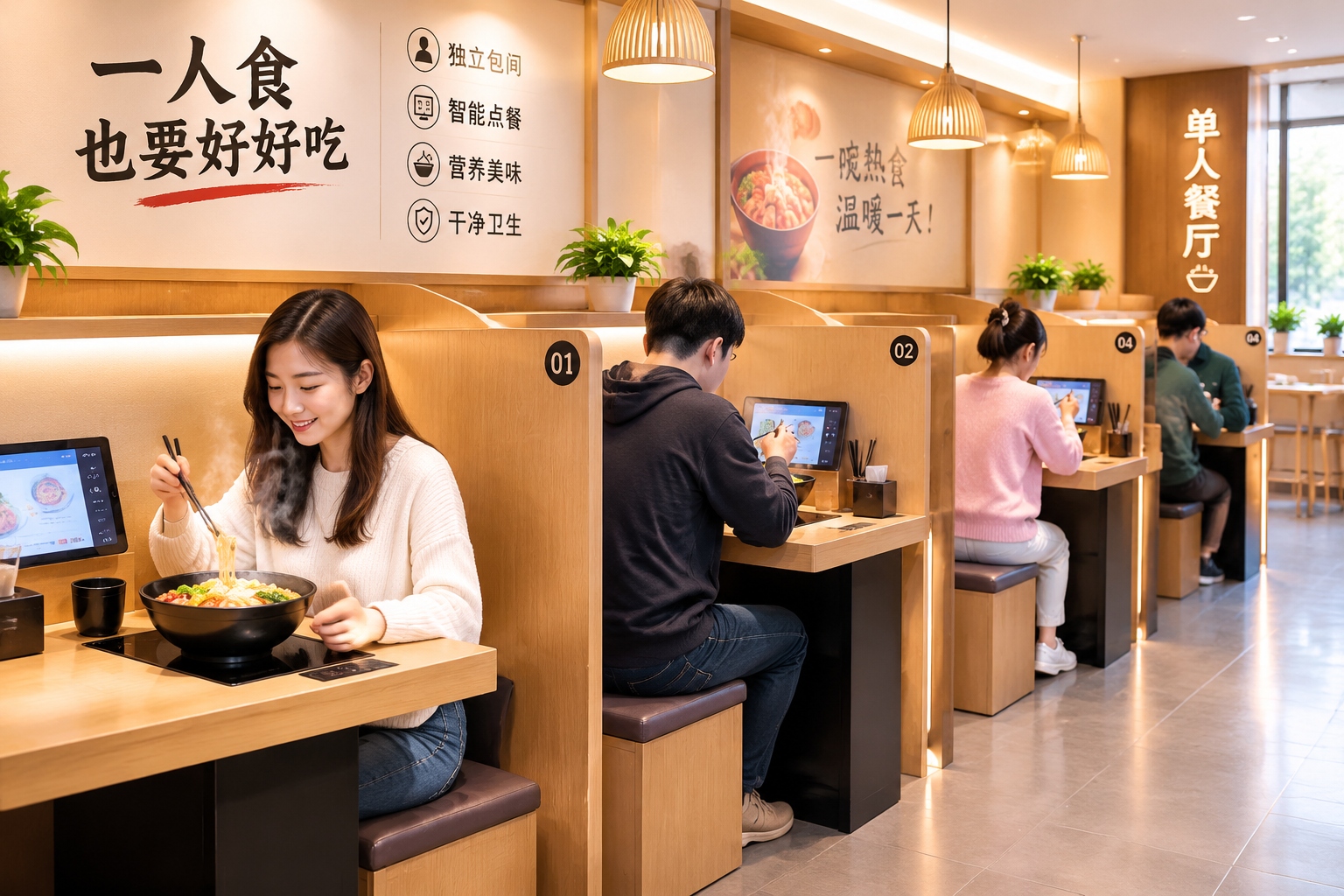
Now, specialized restaurants catering to individuals are popping up from Beijing to Chengdu. These spaces feature long counters with dividers, booths facing walls, and even tables equipped with screens showing TV shows so no one has to feel the weight of their own company. The design philosophy is clear: privacy is a luxury that doesn’t require isolation.
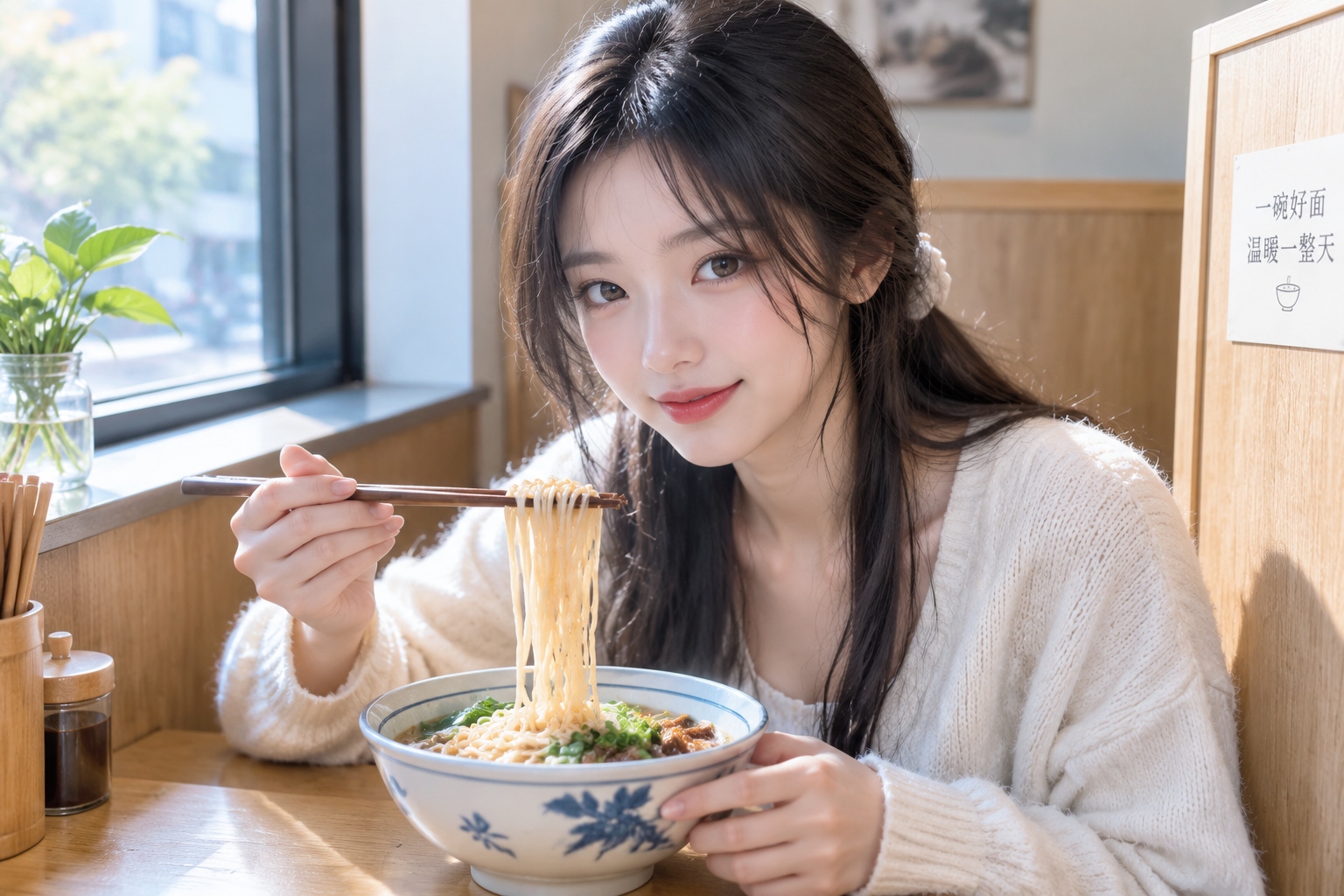
“I don’t eat alone because I have no friends,” says Chen Yu, a 26-year-old graphic designer from Shenzhen. She sits at her favorite spot in a noodle shop with small partitions. “I work for ten hours straight. Sometimes the last thing I want is to make conversation or pretend to be social. Here, I can eat exactly what I want, as fast or slow as I like, without explaining myself.”
The Digital Shift: Freedom in a Screen
Social media has played a paradoxical role in this transition. Platforms like Xiaohongshu (Little Red Book) and Douyin (TikTok) are flooded with posts tagged #SoloDining or “One Person Meal.” These aren’t sad stories of isolation; they are curated celebrations of autonomy.
Influencers show off single servings of premium hot pot, intricate dumplings, or full-course set menus designed for one. The aesthetic is vibrant and inviting. By sharing these moments online, young people are rewriting the script. They are telling each other that enjoying a meal alone is an act of self-care, not a symptom of being unwanted.
This digital validation has real-world consequences. It gives diners the confidence to walk into any restaurant without hesitation. The stigma is fading because the behavior is no longer invisible. You see it in the subway cars packed with commuters carrying takeaway boxes, and now, you see it clearly in the dining rooms.
More Than Just a Meal
The popularity of solo dining also mirrors the shifting structure of Chinese society. With urbanization rising and the average age of first marriage climbing, many young adults are spending more years living alone or away from their families than ever before. The “empty nest” phase that used to happen in old age is now arriving in one’s twenties.
However, this isn’t about rejecting community. Most solo diners still gather with friends on weekends for hot pot and spicy fish. The solo meal is a specific tool for recharging. It offers a pause button in a society that often demands constant connectivity.
In the quiet corner of these restaurants, you can find people reading, working on laptops, or simply staring at their food without guilt. They are not lonely; they are present. For them, the “table for one” is not a cage, but a sanctuary where they can reclaim their own time in a fast-paced world.
Start the discussion at forum.chinacomes.com