

A Needle in a Crowd
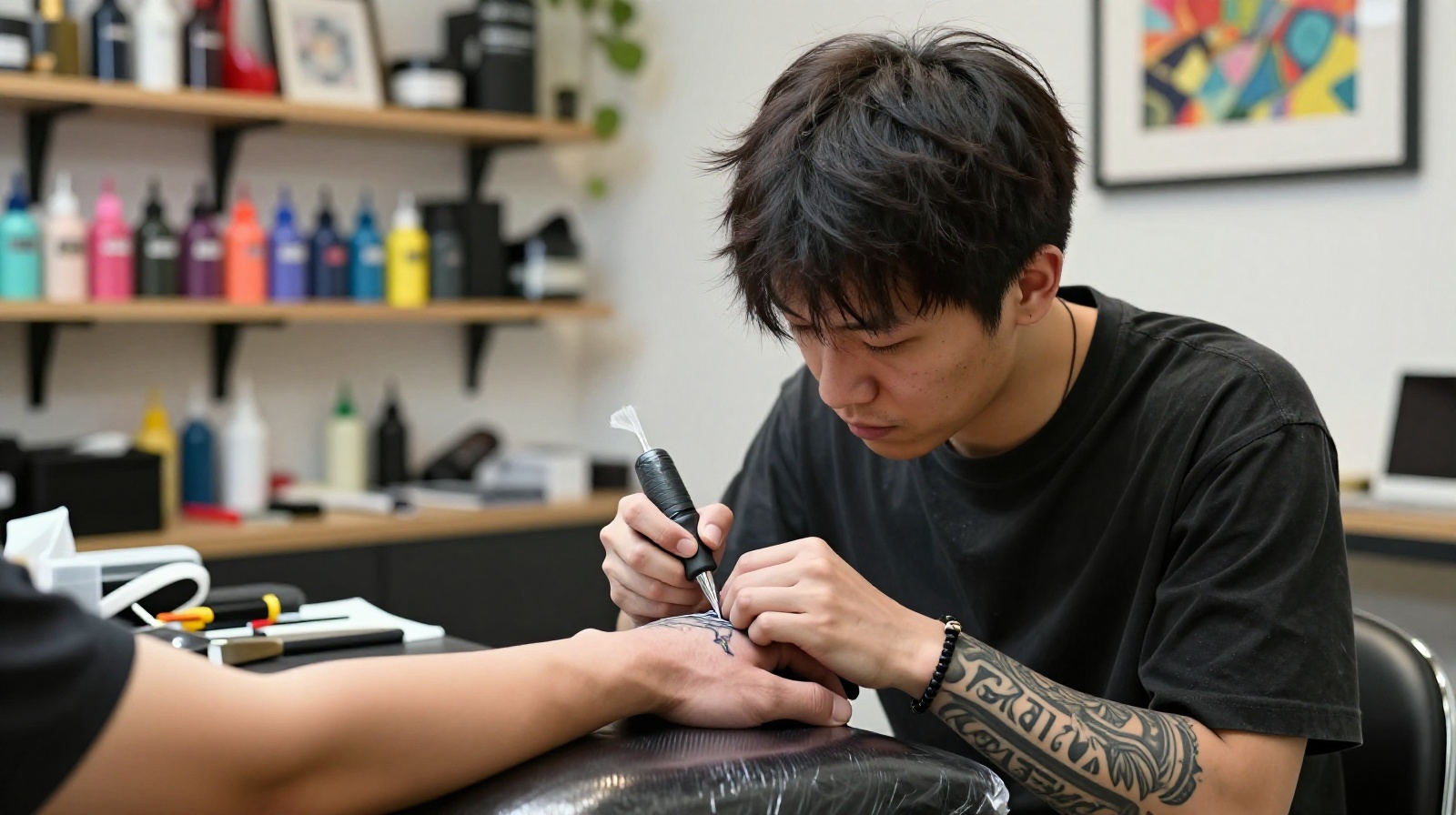
Li Wei sits cross-legged on a worn velvet stool, his arm sleeves of intricate blackwork ink glowing under the studio’s warm lights. At 28, he is one of Beijing’s most sought-after tattoo artists, yet just five years ago, showing off his own fully sleeved arms would have gotten him stared down in a subway car or rejected from a corporate job interview.
“My grandfather called tattoos ‘brutal marks’ that ruin the body given by parents,” Li says, wiping ink from a needle. “In China, we used to say you need to protect your skin intact for the afterlife.”
This sentiment once defined mainstream Chinese culture. For decades, tattoos were associated with gangsters in Peking Opera or criminals in police files. But today, as Beijing’s streets buzz with electric scooters and coffee shops overflow with students using tablets, a quiet revolution is happening on people’s skin.
From Outcasts to Artists
The stigma wasn’t just about appearance; it was about social order. In the past, getting a tattoo could mean losing your civil service job or being barred from high-paying industries. It was a visible mark of rebellion that many families tried to hide.
“I remember when I first started, clients had to ask me to do the work late at night,” says Zhang Lin, a studio owner in Sanlitun, one of Beijing’s trendiest districts. “They’d say, ‘Please don’t let my boss see this until it heals.’ Now, they bring their kids to meet me.”
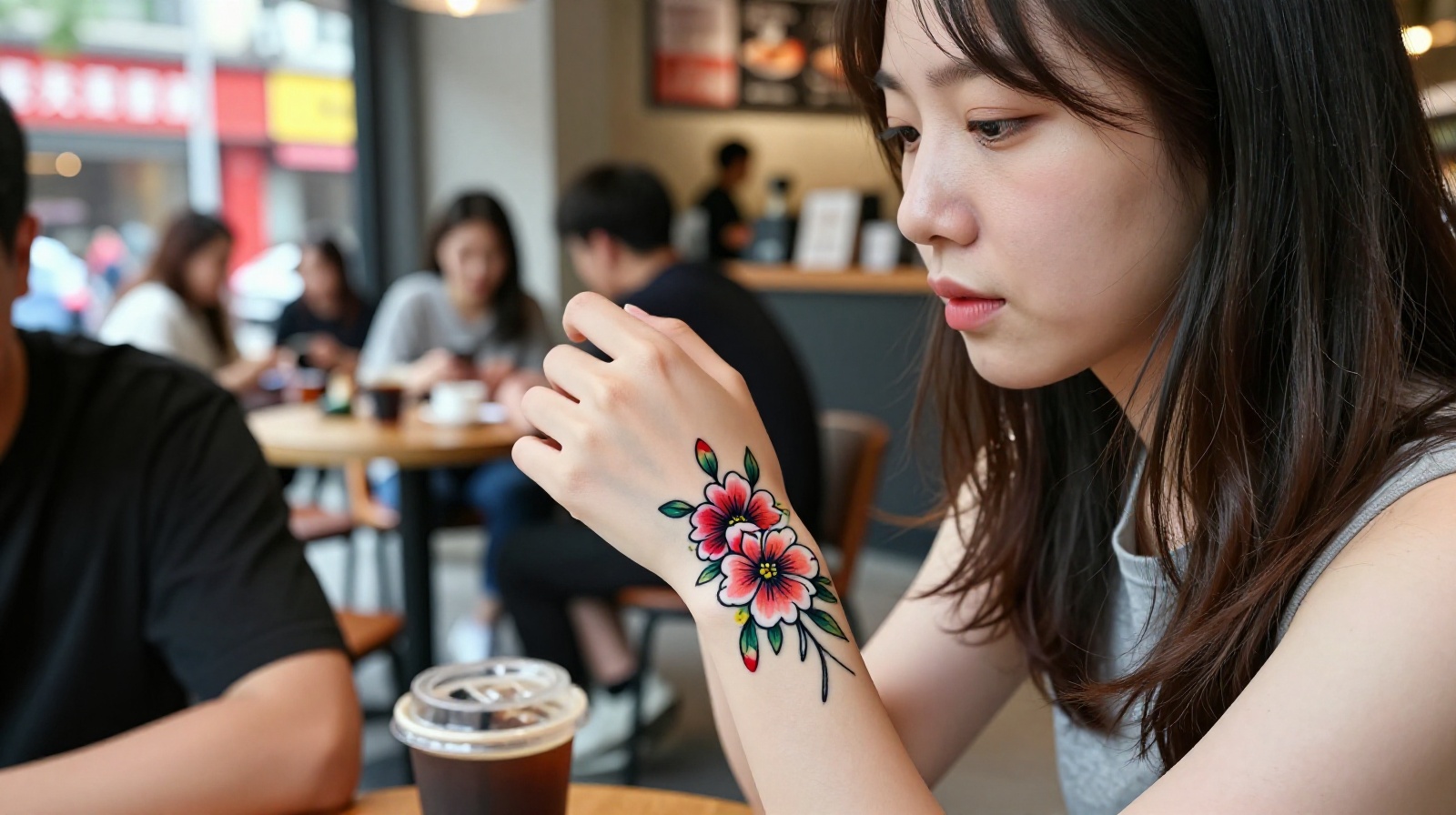
The shift is palpable. Young professionals in tech hubs like Zhongguancun are walking around with geometric patterns on their necks and floral designs on their wrists. They aren’t trying to shock anyone anymore; they just want to express a part of themselves that words can’t capture.
Why Ink Matters Now
For many young Chinese, tattoos are less about rebellion and more about identity in a rapidly changing world. When social expectations feel heavy—high housing prices, intense work competition, and strict family duties—getting inked becomes an act of claiming control over one’s own body.
“I didn’t get this dragon tattoo to offend anyone,” explains Sarah Chen, a 24-year-old marketing manager who visited Li’s studio. “It represents my journey from a small town in the north to living in Beijing alone. It’s my story on my skin.”
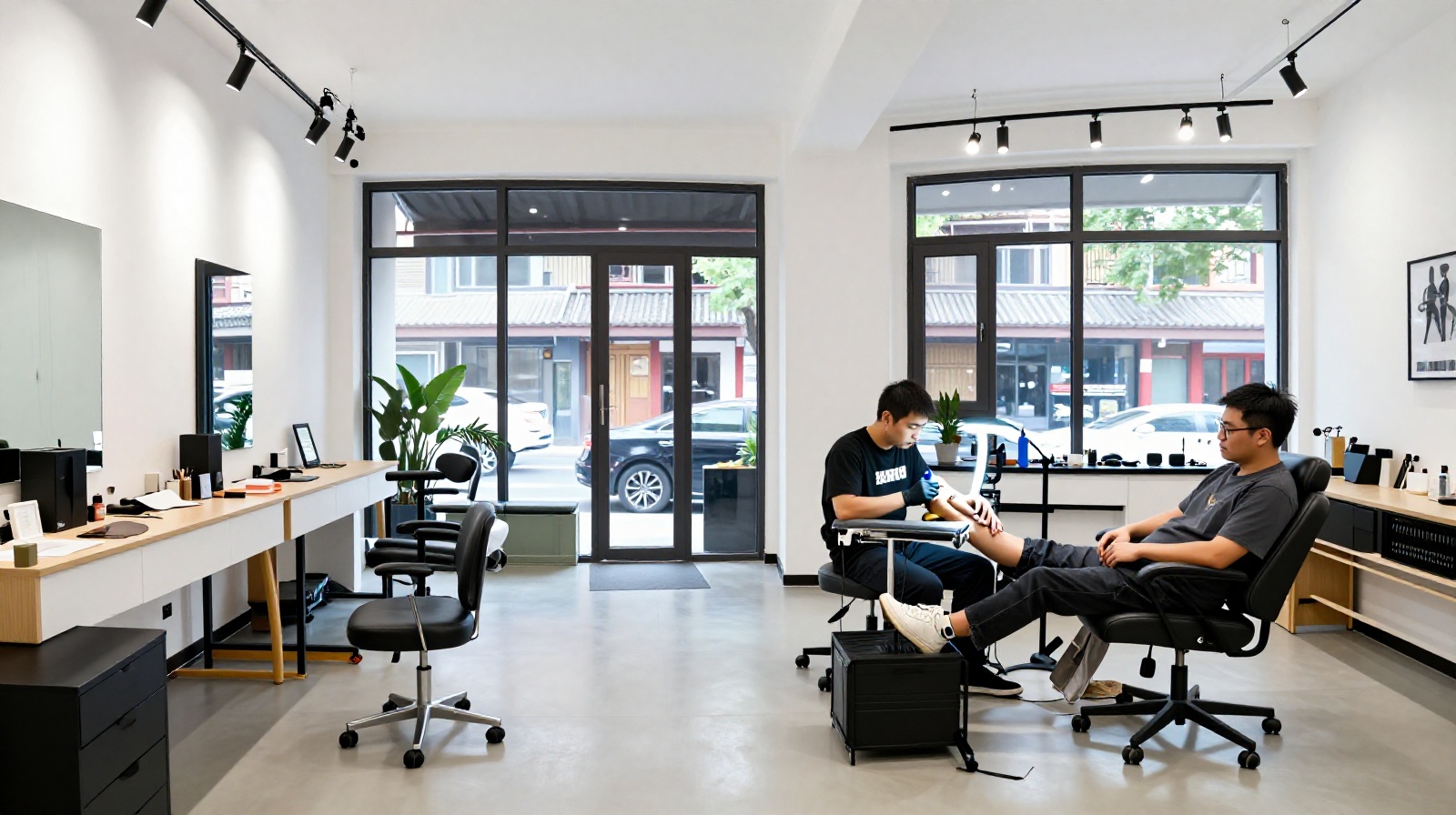
This personal narrative is fueling a booming industry. Tattoo studios, once hidden in back alleys, are now opening in bright storefronts with glass windows and Instagram-friendly interiors. They sell more than just tattoos; they sell confidence.
The Role of Social Media
How did the tide turn so quickly? The answer lies in platforms like Xiaohongshu (Little Red Book) and Douyin (TikTok). These apps have democratized tattoo culture, allowing artists to showcase their portfolios directly to millions.
“Before social media, you had to know someone personally to find a good artist,” Li notes. “Now, a girl in Shanghai can see my work on her phone, book an appointment via WeChat, and fly here for the session.”
This visibility has helped normalize tattoos. When influencers and celebrities post their inked arms with pride, it sends a message: this is art, not a crime.
Navigating the Gray Area
Despite the progress, challenges remain. While tattoos are no longer illegal, they exist in a legal gray zone regarding advertising and public display. Some companies still refuse to hire people with visible ink, particularly in traditional sectors like banking or education.
Li acknowledges this reality. “We can’t change every boss’s mind,” he admits. “But we can change the next generation’s perspective. Every time a student asks me about getting their first small tattoo, I know the taboo is breaking.”
The conversation is shifting from ‘Is it allowed?’ to ‘What does this mean for you?’ It is no longer just about ink; it is about who gets to decide what a body looks like in modern China.