

A Bowl That Cannot Be Cut
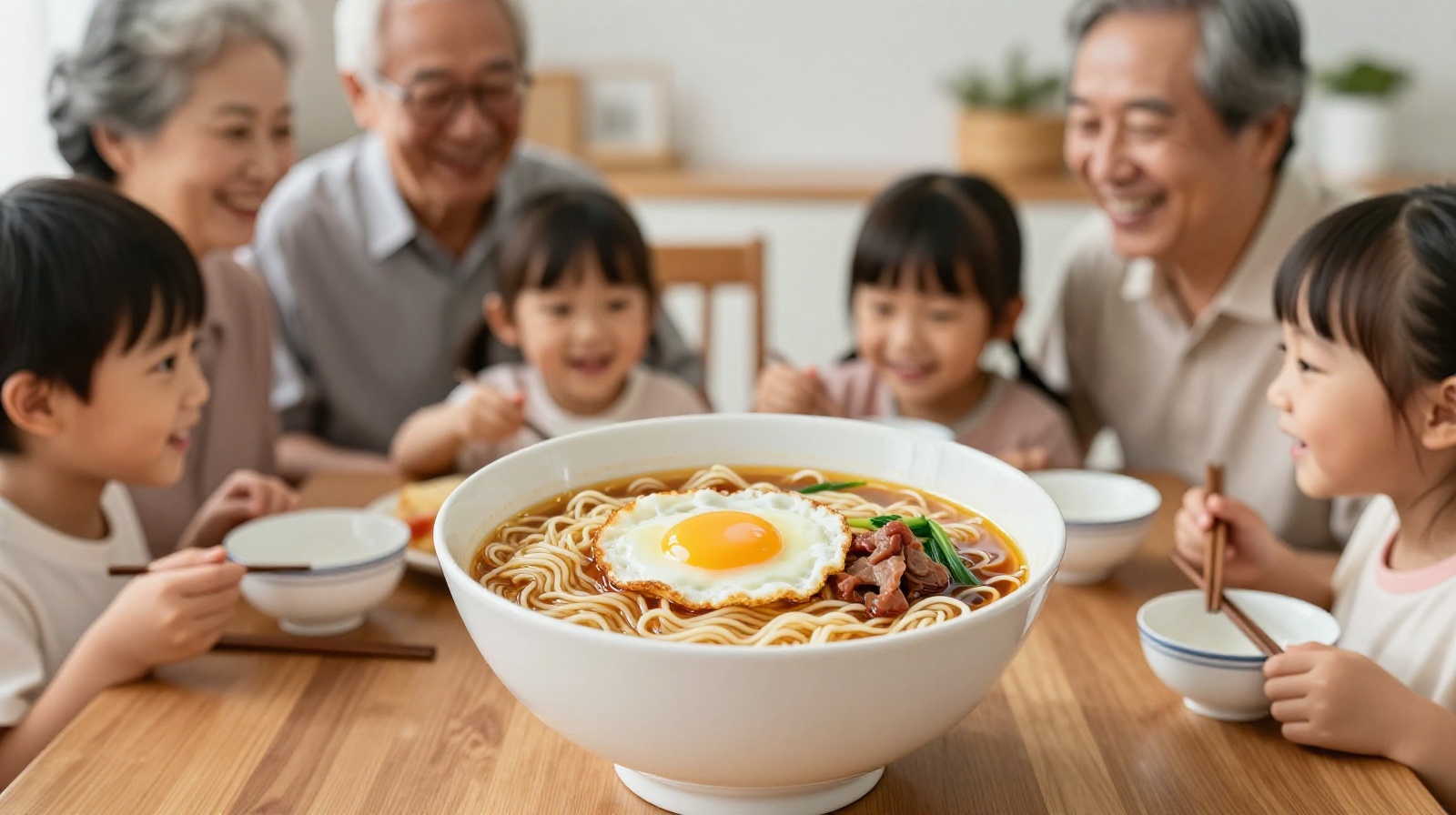
Imagine a birthday dinner in Beijing. The table is crowded with relatives, the air smells of braised pork and sesame oil, and there is no cake in sight. Instead, right at the center sits a steaming bowl of noodles. They are long, golden strands, almost like a pool of gold in the broth. For anyone born on this day, there is one strict rule: you must eat the entire strand without biting it.
If you snap a noodle with your teeth, some elders might gently scold you for “breaking” your lifespan. This isn’t just about food; it’s a physical manifestation of a wish. In Chinese culture, length equals longevity. The longer the noodle, the longer the life. It is a ritual where the act of eating becomes a prayer for health and time.
Roots in Ancient History
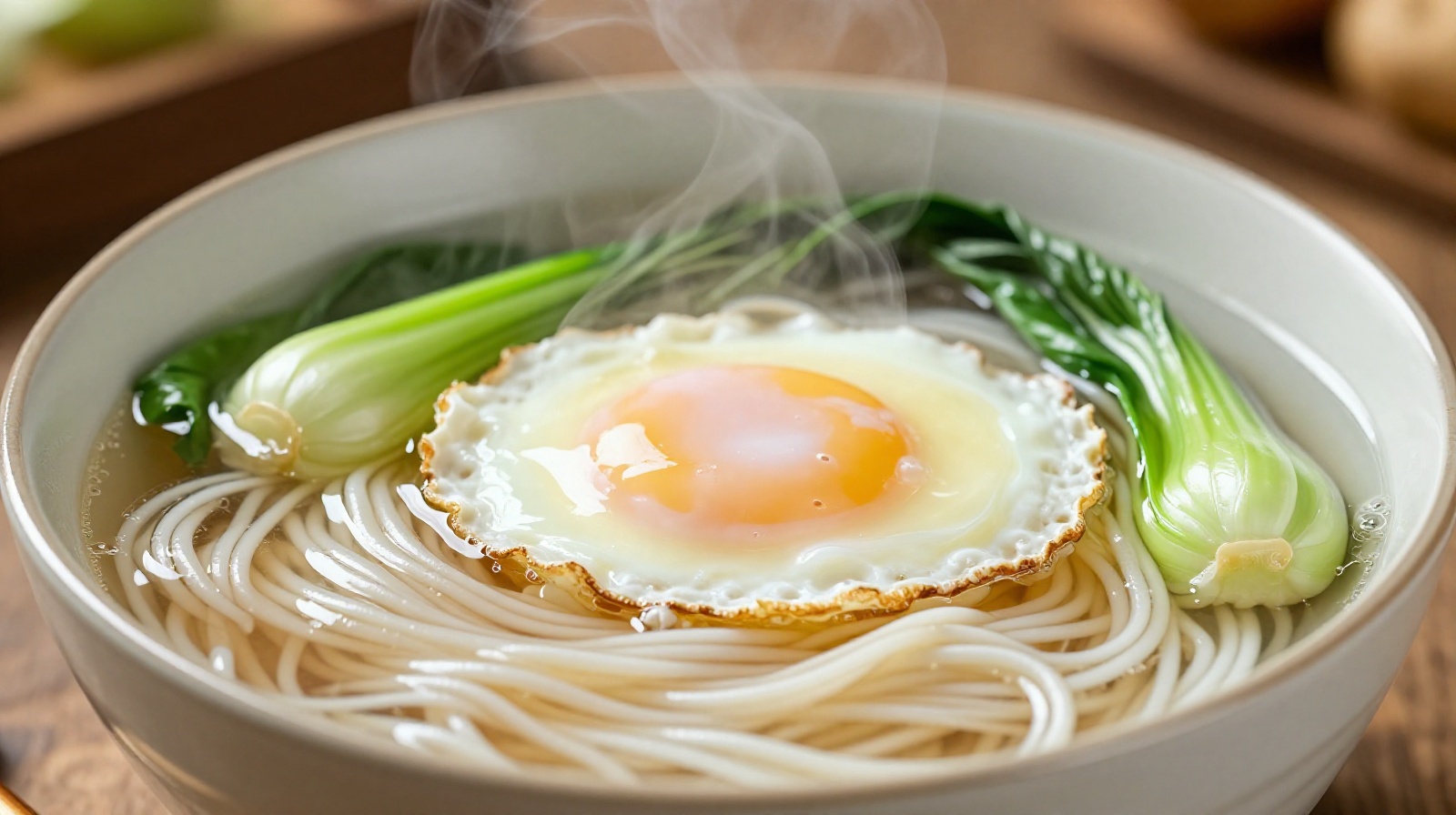
Where did this custom come from? While birthday cakes are a modern import, the noodle tradition dates back over two thousand years. Historical anecdotes trace the origin to the Han Dynasty (206 BC–220 AD). It is said that during a celebration for Empress Lu’s birthday, she was served long noodles as a symbol of her enduring life.
Unlike Western traditions where we often cut cake into small pieces to share, the Chinese approach focuses on continuity. The noodle represents an unbroken line of life. Over centuries, this practice evolved from imperial courts to the humble kitchens of farmers and urban families alike. Today, it remains one of the few dining rituals that survives in its original form across all social classes.
The Modern Ritual: From Grandmother’s Kitchen to City Apartments
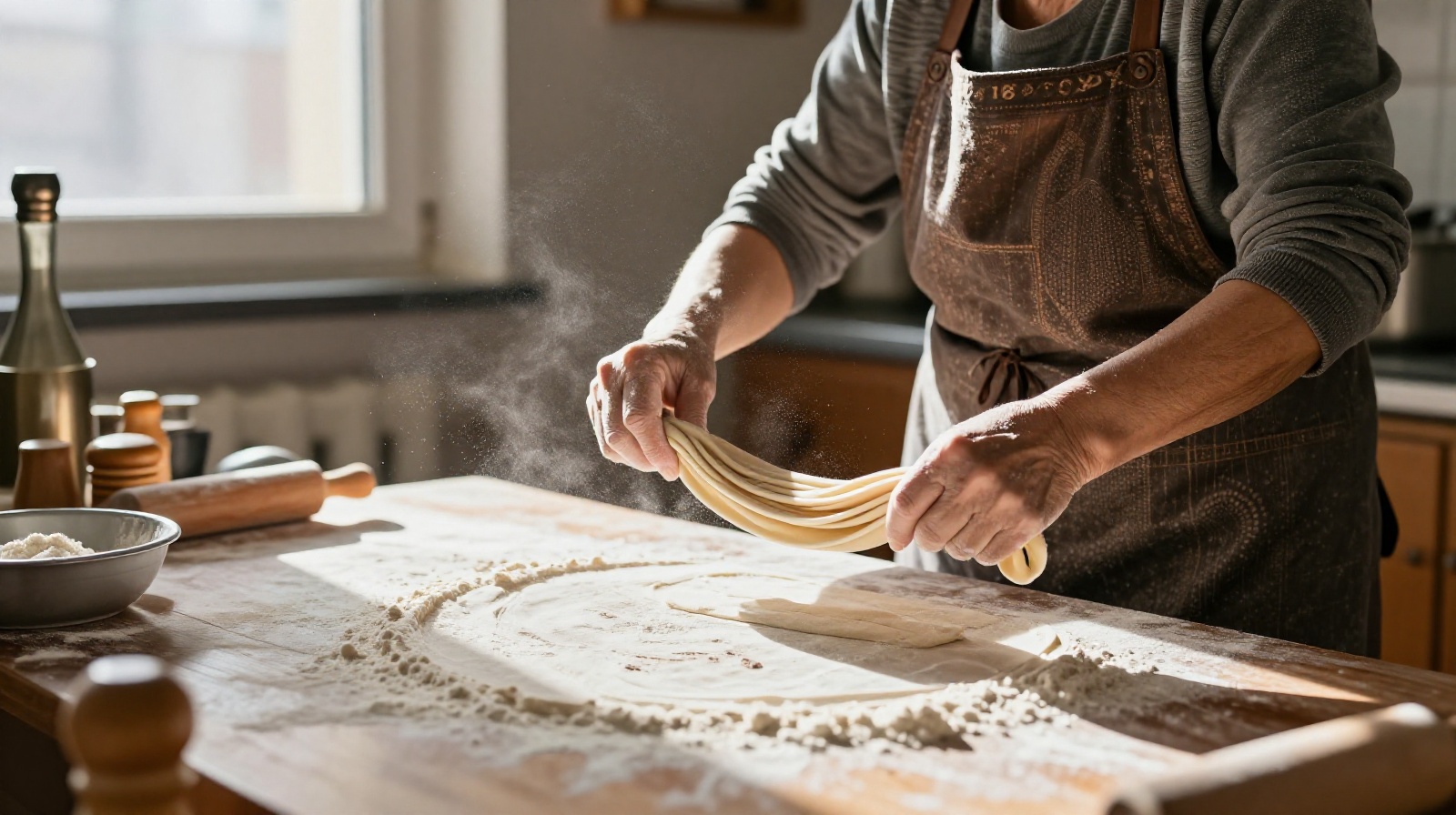
You might wonder if this tradition holds up in a fast-paced city like Shanghai or Shenzhen. The answer is yes, but the execution has adapted. In rural villages, families might still pull noodles by hand at dawn, ensuring every strand is perfect. In high-rise apartments, many people now buy pre-made fresh noodles from local markets.
However, the spirit of the ritual remains unchanged. For parents and grandparents, preparing “longevity noodles” (chángshòumiàn) is a non-negotiable duty. It is not about the cost or the ingredients; it is about showing care. In many households, even if there is a Western-style birthday cake for the younger generation to cut and blow out candles on, the traditional noodle soup always comes first.
A Scene of Warmth
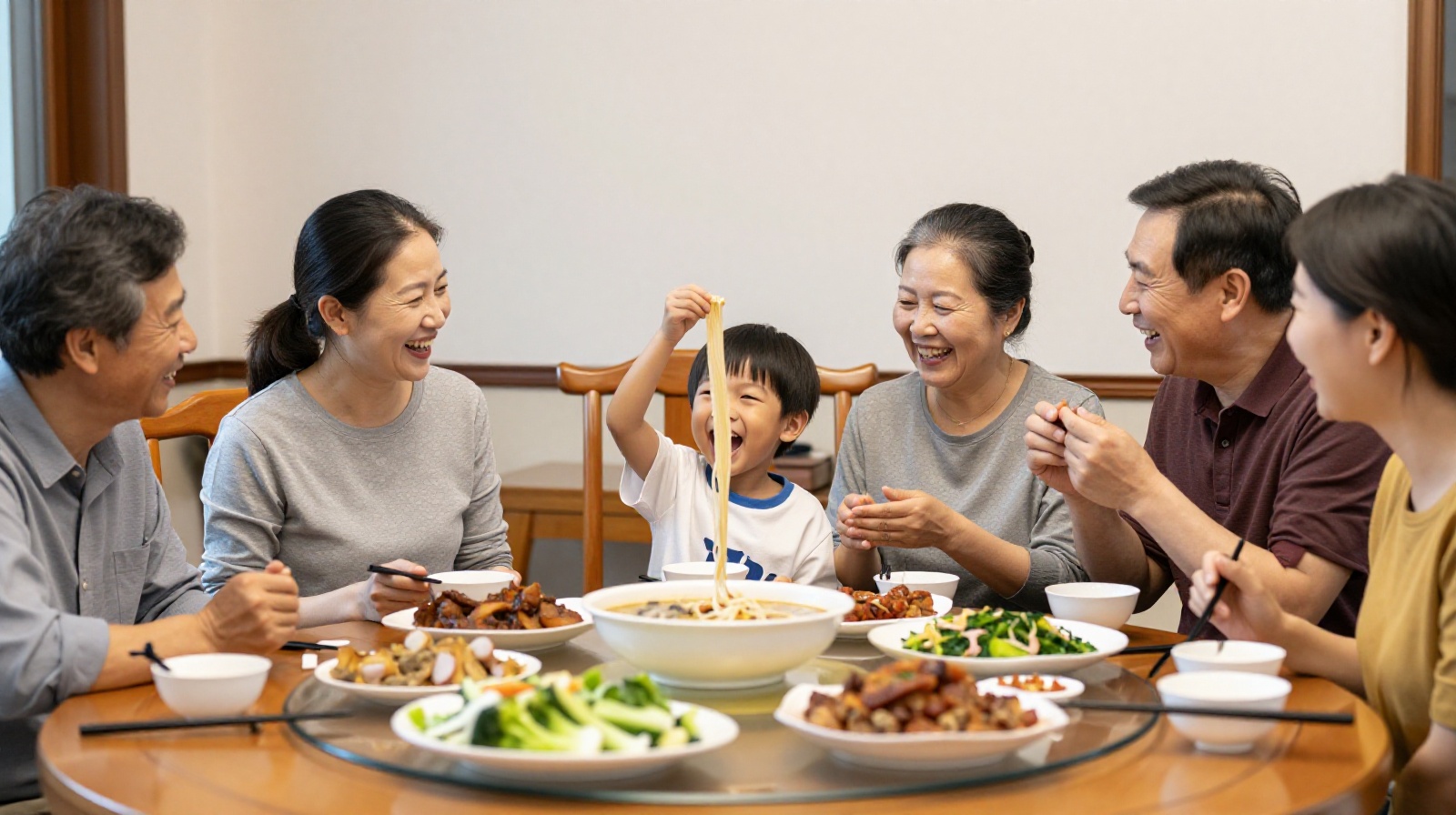
I once watched a family in Chengdu celebrate a grandmother’s 80th birthday. The scene was not glamorous. It was just four generations in a modest dining room. When the noodles arrived, the youngest grandchild, barely six years old, struggled to slurp the long strands without breaking them. The elders laughed, not with mockery, but with encouragement. One grandfather gently pushed the bowl closer, reminding his grandson that every inch of noodle eaten was an inch of life gained.
This moment captures the essence of Chinese family dynamics. It is a quiet transfer of values where food is the language. While Western birthdays often focus on the individual’s joy and surprise, the Chinese birthday focuses on the collective wish for the elder’s survival and the younger generation’s respect.
Why This Matters to Outsiders
If you are from Europe or America, you might find this custom strange. Why not just eat a slice of cake? The difference lies in how we view time and family. In many Western societies, birthdays are individual milestones—celebrations of personal achievement or another year of existence. In China, the birthday is deeply relational.
The longevity noodle forces everyone to slow down. You cannot rush through a long strand. You must focus on the present moment, the broth, and the company around you. It turns a meal into a meditation on life. The “impossible” task of eating without breaking creates a shared challenge that bonds the family together.
More Than Just Noodles
So, is it superstition? Some might say yes. But look closer, and you see something deeper. It is a tangible way to express love when words are insufficient. In a rapidly changing society where people move far from their hometowns for work, this simple bowl of noodles becomes an anchor.
Whether in a bustling street stall or a quiet home kitchen, the long noodle remains a constant. It reminds everyone that no matter how fast life moves, we should always wish each other well and hope for a long, unbroken journey ahead.