


A Coffee Shop Conversation
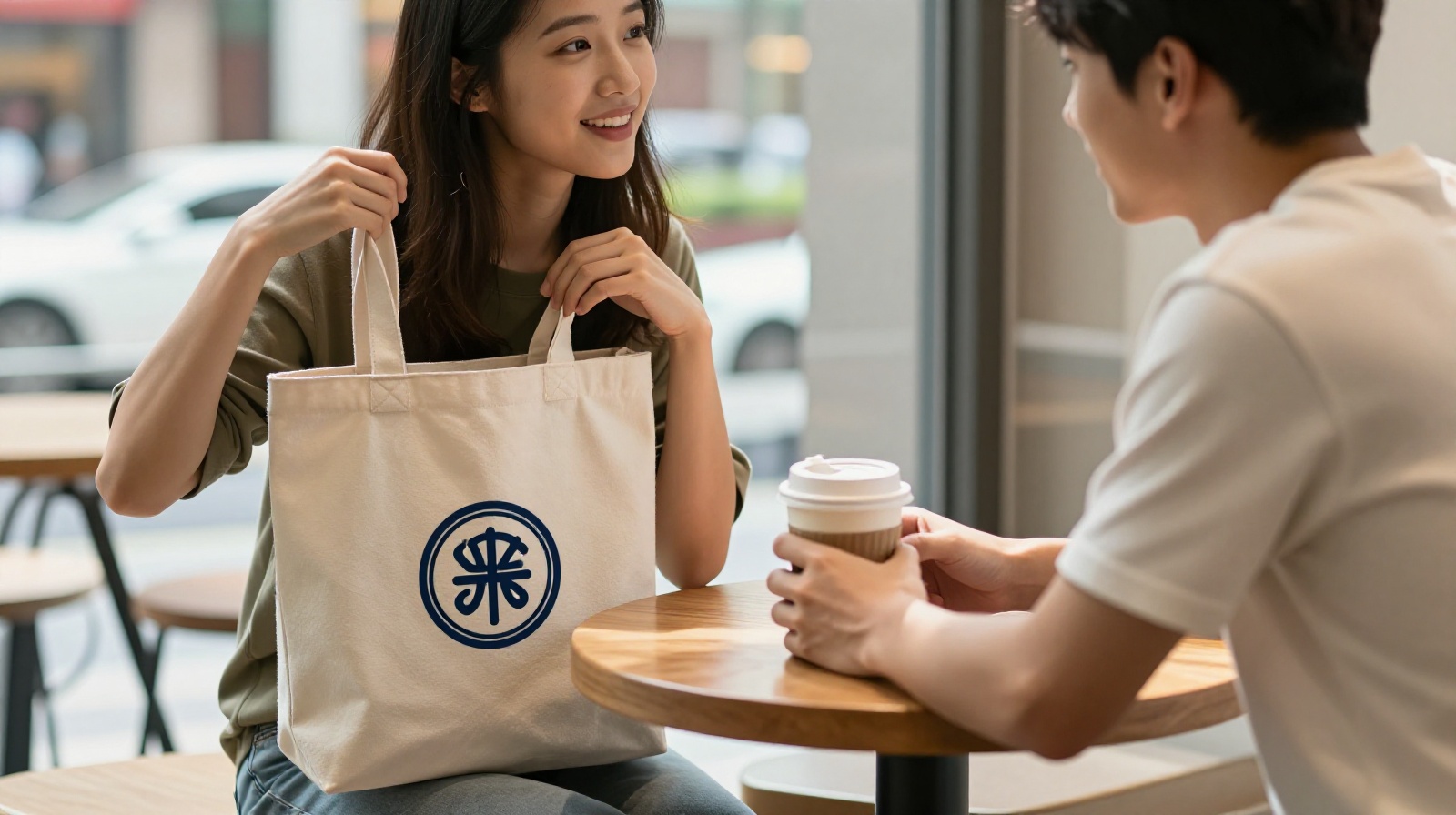
It’s 10:30 AM on a Saturday in Shanghai’s Jing’an district. The air smells of roasted beans and rain. Two university students, Li Wei and Zhang Min, sit at a small wooden table. Li Wei takes off his backpack and reveals a worn canvas tote bag with the logo of a popular Beijing-based streetwear brand. “It cost 300 yuan,” he says, tapping the fabric. “The design is actually better than that European luxury bag I saw last week, and it costs less than one-fifth the price.” Zhang Min nods, sipping her latte from a reusable cup with a minimalist Chinese character print. “I don’t need to show off a logo anymore,” she says. “If the product is good, I buy it. If it tells a story I like, even better.”
This scene, repeated in Beijing’s hutongs, Guangzhou’s tech hubs, and Chengdu’s tea houses, marks a quiet but profound shift in China’s consumer landscape. For decades, wearing a foreign brand was a status symbol. Today, that dynamic has flipped.
The Era of Status Symbols
Twenty years ago, the path to social validation for young Chinese adults was straightforward: carry a Louis Vuitton bag or wear Nike sneakers. These Western logos were not just products; they were passports to a modern, globalized identity. In the early 2000s, domestic brands like Li-Ning or Anta were often seen as outdated, suitable only for sports training or rural markets.
The obsession wasn’t just about snobbery. For many, foreign goods represented quality and safety, especially after several high-profile food scandals involving Chinese manufacturers in the late 2000s. A baby formula from a European brand was trusted implicitly over domestic alternatives. This trust gap defined a generation’s shopping habits.
The Great Turnaround: Quality Meets Culture
That changed around 2015, when Chinese manufacturing began to shed its “cheap and low-quality” label. The shift wasn’t overnight. It was driven by massive investments in R&D, better supply chains, and a new generation of designers who grew up understanding both global trends and local tastes.
Take the sports apparel giant Anta. Five years ago, it struggled to compete with Nike on style. Today, its professional basketball line is worn by top Chinese athletes, and its casual “Dong Dong” series has become a streetwear staple in cities like Shenzhen. The key was design innovation. They didn’t just copy Western styles; they integrated elements of traditional Chinese culture—like the use of ink wash painting aesthetics or calligraphy-inspired typography—into modern silhouettes.
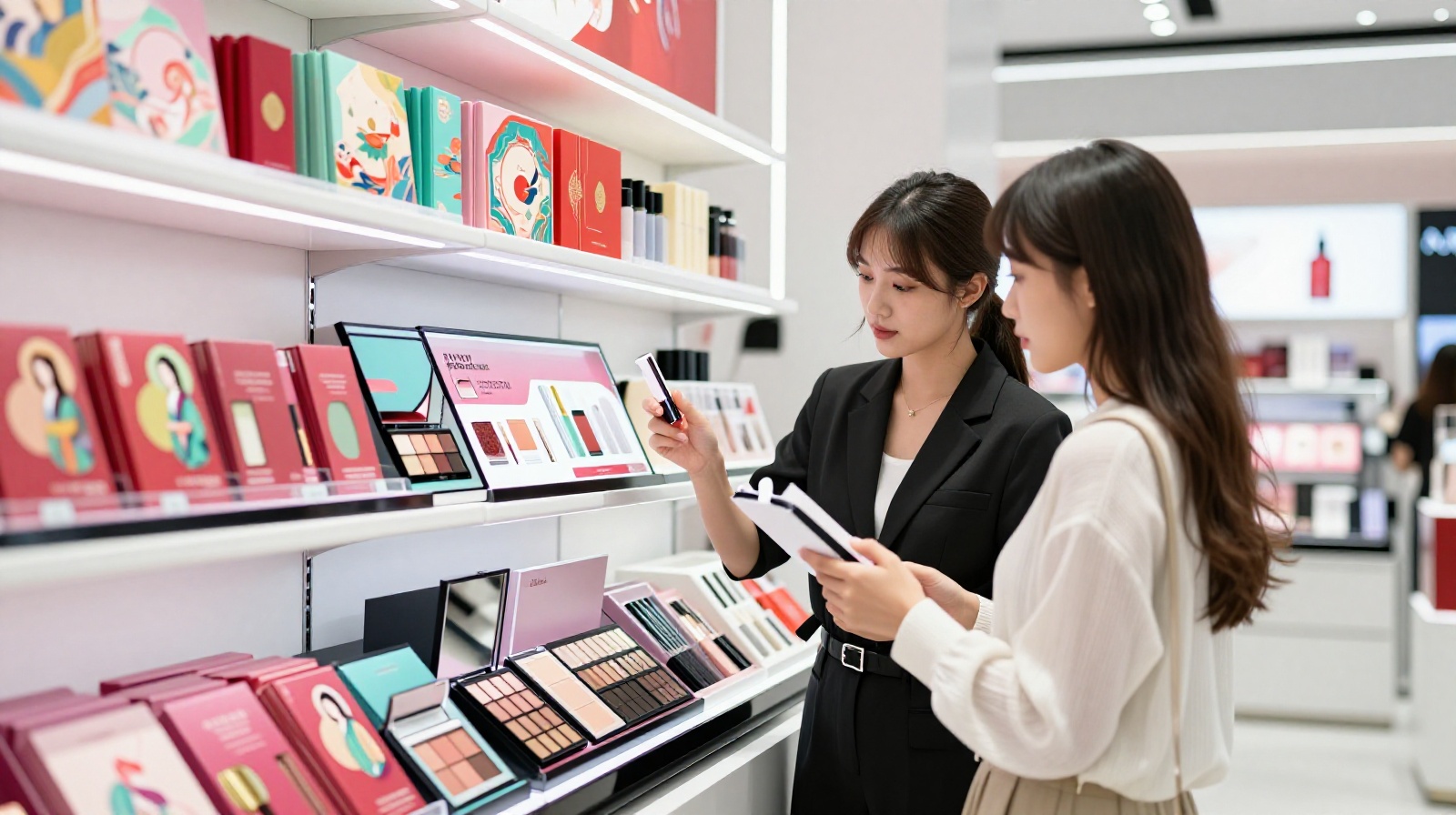
Similarly, the beauty sector has undergone a revolution. Brands like Perfect Diary and Florasis (Huaxi Zaozhuo) have captured the market by leveraging social media and hyper-localized marketing. They don’t just sell lipstick; they sell a narrative of Chinese heritage reimagined. A single eyeshadow palette might feature packaging inspired by the colors of a Tang Dynasty palace, yet be priced competitively against high-end Western counterparts.
The Psychology of the Modern Shopper
Why the sudden shift? It’s not just about price. While domestic brands are often 30-50% cheaper than their foreign equivalents, the real driver is confidence.
Chinese Gen Z consumers, born after 1995, have grown up in a country of unprecedented economic growth and technological speed. They don’t feel inferior to the West; they feel competitive with it. When they see a domestic brand offering superior technology—like a smartphone with faster charging or a smart home device that integrates seamlessly with their local ecosystem—they choose it without hesitation.
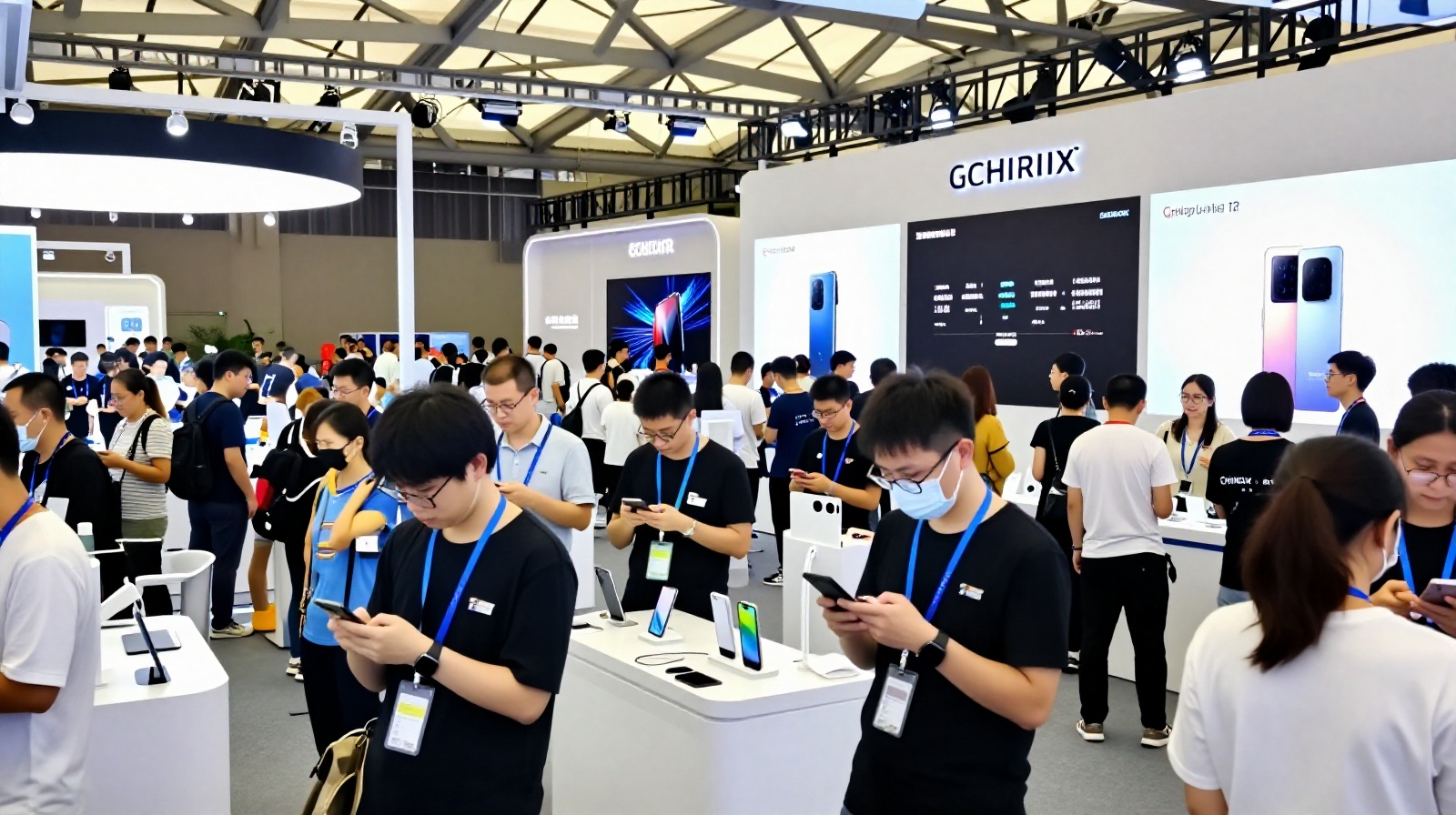
This is visible in the electronics sector. Brands like Xiaomi and Huawei are no longer just “budget alternatives.” They are market leaders in innovation, often introducing features years before Western competitors. A young tech enthusiast in Hangzhou might prefer a Huawei phone not because it’s cheaper, but because its camera software is better optimized for local lighting conditions and social media platforms.
The Ripple Effect on Global Markets
This shift has sent shockwaves through global supply chains. Western luxury houses are now scrambling to adapt their strategies in China. Some are lowering prices, others are collaborating with Chinese artists, and many are investing heavily in local digital ecosystems like Douyin (TikTok’s Chinese counterpart) and WeChat.
The data supports this trend. According to recent retail reports, domestic brands have captured a larger share of the market in categories ranging from clothing and cosmetics to home appliances. In 2023, for instance, over 60% of young consumers surveyed said they would choose a domestic brand if the quality was comparable to a foreign one.
For global companies, the lesson is clear: you can no longer rely on the “Made in West” stamp alone. You must earn your place through genuine innovation, cultural respect, and local relevance.
A New Normal
The story of China’s domestic brands is not one of anti-foreign nationalism, but of evolution. It is a story of young people who no longer need to prove they are “modern” by wearing foreign logos. They define modernity on their own terms.
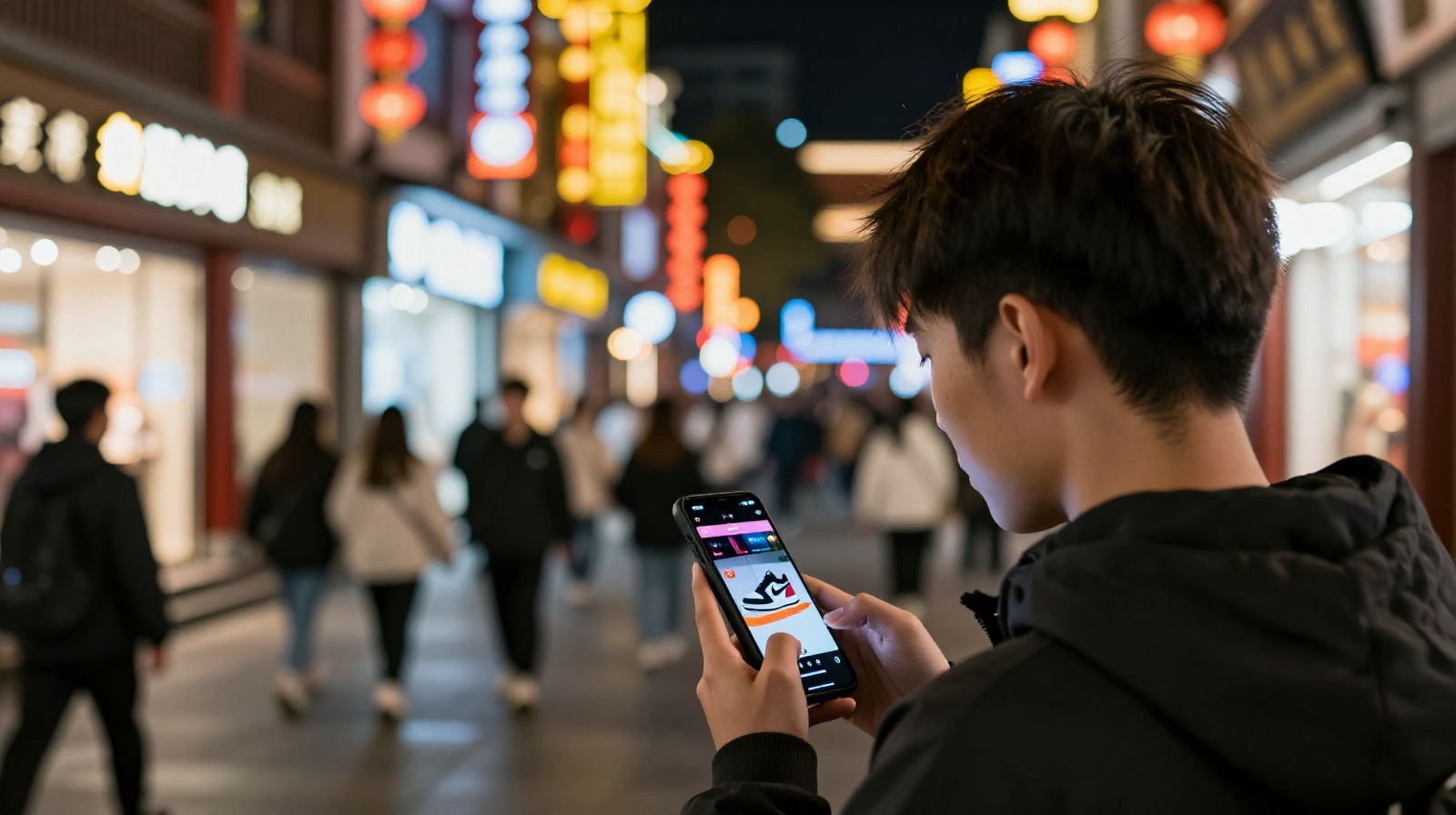
As Li Wei and Zhang Min finish their coffee and head out into the rainy street, Li pulls up his phone to check a live stream selling limited-edition sneakers from a local brand. “I’m waiting for a drop,” he says with a smile. “Better than any foreign launch.”