

Inside the Hotpot: A Night of Social Rules
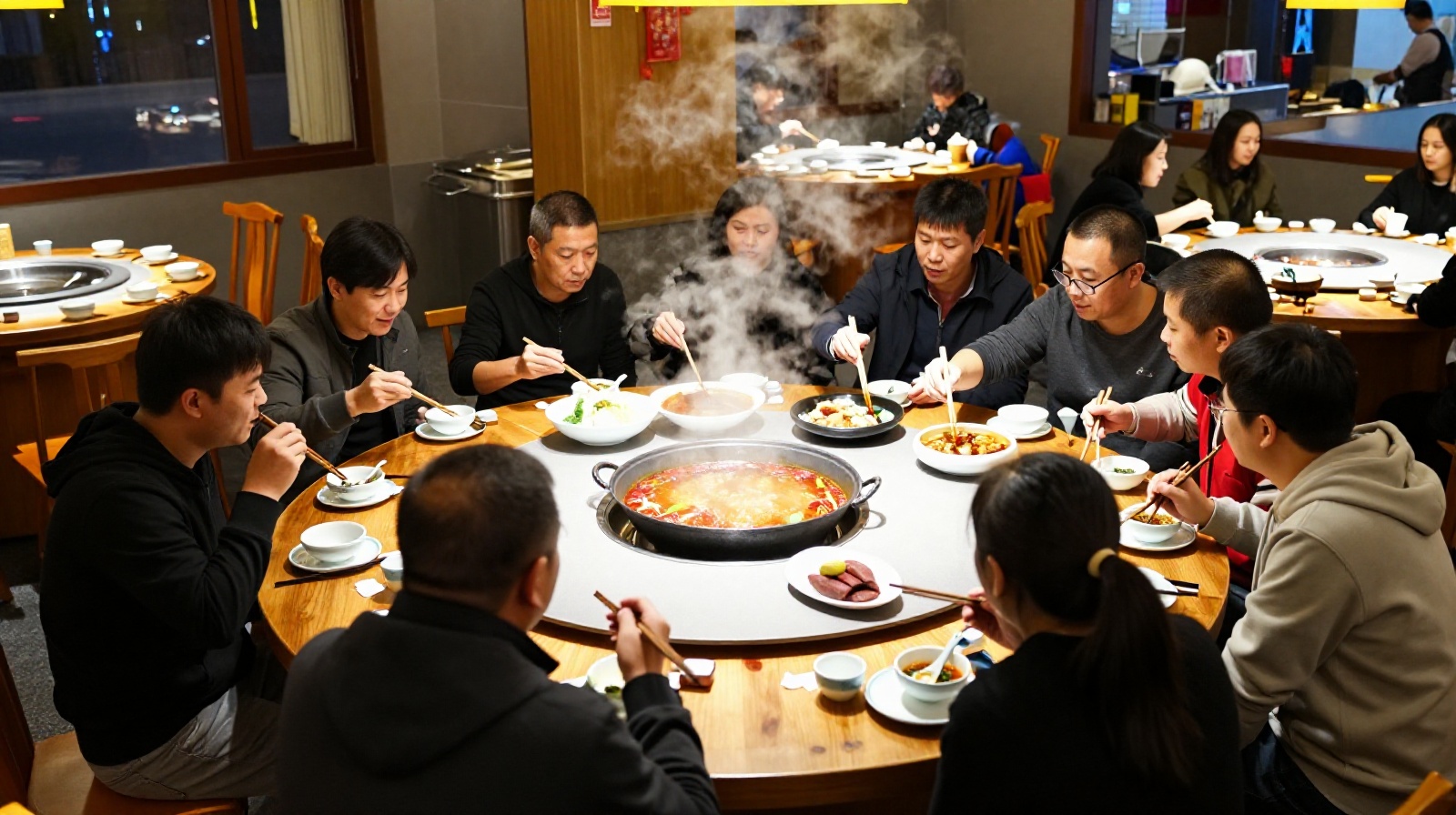
The air in this Beijing hotpot restaurant is thick with steam and the scent of Sichuan peppercorns. It’s a Friday night, and the round table is packed with eight people: three senior executives from a tech firm, two junior developers, and three clients. As I watch, the host—the most senior executive—waits for everyone to arrive before taking his seat. He doesn’t just sit; he claims the “head” of the table, the spot directly facing the entrance, where he has the best view of the room.
This isn’t random. In Chinese dining culture, seating is a map of power and respect. The head of the table (the main seat) faces the door or the most prominent wall decor. To his left and right sit the guests of honor. Those in lower positions sit further down the circle. If you are a guest, waiting to be told where to sit is the safest bet. Sitting in the wrong spot can unintentionally signal that you misunderstand your status.
The Dance of Ordering: Balance Over Hunger
Once everyone is settled, the menu arrives. Unlike Western menus where individuals order their own plates, Chinese dining is a shared experience. The host or the most senior person usually initiates the ordering process, but modern etiquette allows for a collaborative approach.
The goal isn’t just to fill bellies; it’s to create balance. A traditional rule of thumb suggests ordering one dish per person, plus two extra “buffer” dishes. But the real art lies in the composition. You need a mix of textures and flavors: something spicy (like mapo tofu), something light and fresh (steamed fish with ginger), something savory (braised pork belly), and plenty of vegetables to cut through the richness.
Crucially, you must ask about dietary restrictions immediately. “Any allergies?” or “Do anyone not eat beef?” is a standard opening line. In China, ignoring a colleague’s religious restriction or severe allergy at a business dinner isn’t just rude; it can end a deal before the food arrives.
The Turntable: Etiquette on a Rotating Stage
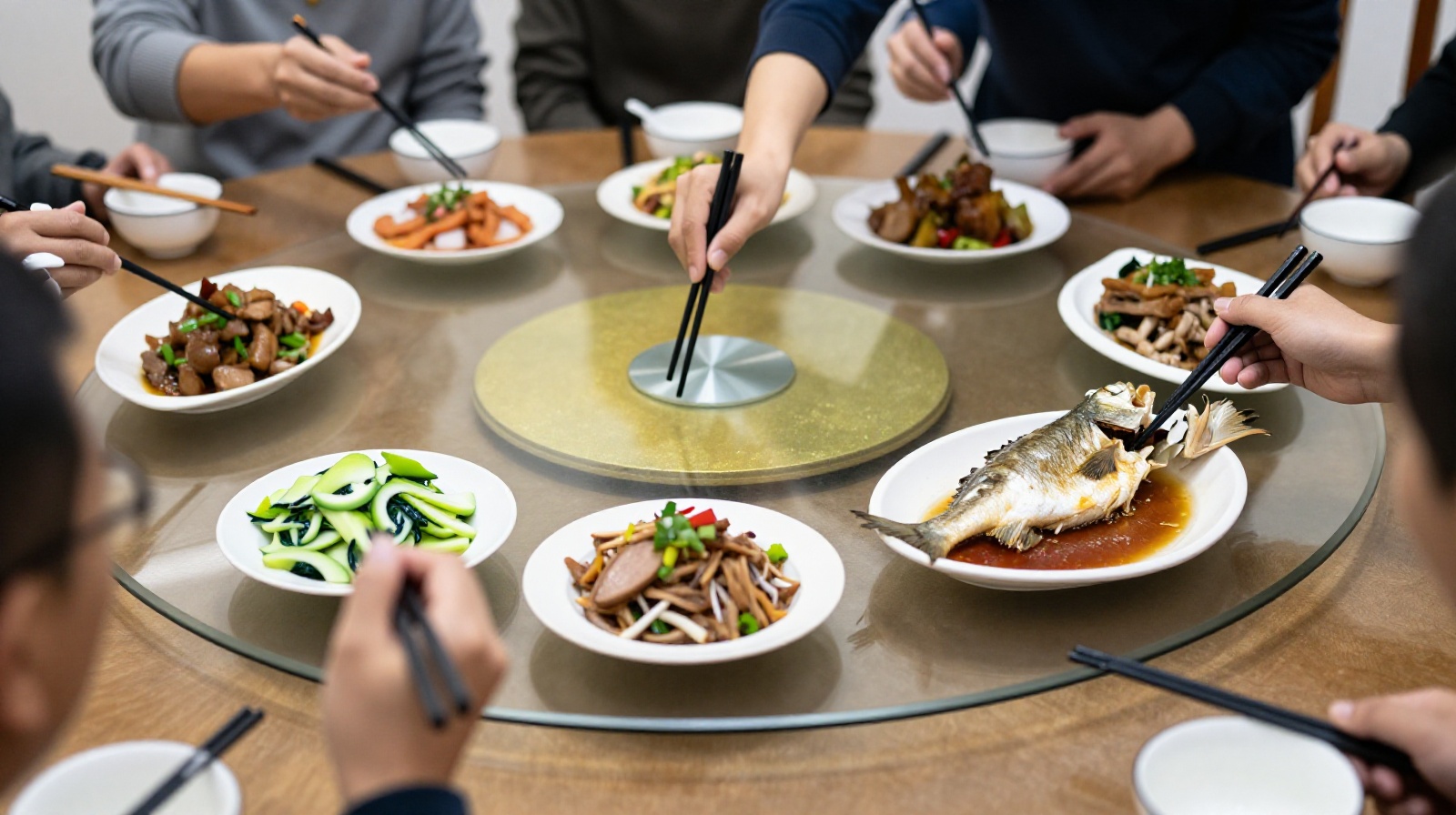
Most formal meals happen around a large round table equipped with a lazy Susan—a glass turntable in the center. This simple device introduces its own set of rules. The golden rule is: Never stop the rotation to eat.
If you are hungry, you wait for the dish to spin toward you. If someone else is reaching for a dish, you do not spin the table aggressively; you wait or gently offer your hand to hold it steady. Spinning the table while someone is serving themselves is considered highly impolite. It’s like walking in front of someone who is trying to pour a drink.
Another subtle etiquette involves chopsticks. Never stick them vertically into a bowl of rice; this resembles incense sticks used at funerals and is a major taboo. Instead, rest them across the bowl or on the provided chopstick rest. When serving others using your own chopsticks (a common practice), never use your personal chopsticks to dig through the communal dish; instead, look for the serving spoons provided.
The Bill: The Silent Dance of Payment
As the meal winds down and plates are cleared, the tension shifts. Who pays? In China, this is often a ritualistic dance called “fighting for the bill.” Friends may all reach for their wallets simultaneously, slapping money on the table or waving phones with payment apps like WeChat Pay.
In a business context, the host almost always pays. It is an investment in the relationship. If you are the guest and try to pay, it might be seen as rejecting the host’s generosity. The proper move is to insist once or twice—”No, please, let me treat you”—and then graciously accept if the host insists on paying.
For younger generations and casual friends, splitting the bill via digital apps (often called “AA”) is now perfectly acceptable and common. It reflects a shift towards equality and efficiency in modern Chinese life.
Navigating the Future of Dining
Understanding these rules transforms a simple meal into a window into Chinese society. It shows how hierarchy, collectivism, and respect for others remain central even in today’s fast-paced, high-tech economy. Whether you are negotiating a deal in Shanghai or sharing dumplings with a family in Chengdu, mastering the art of the table is your best passport to connection.