

The 4 PM Ritual in Shanghai
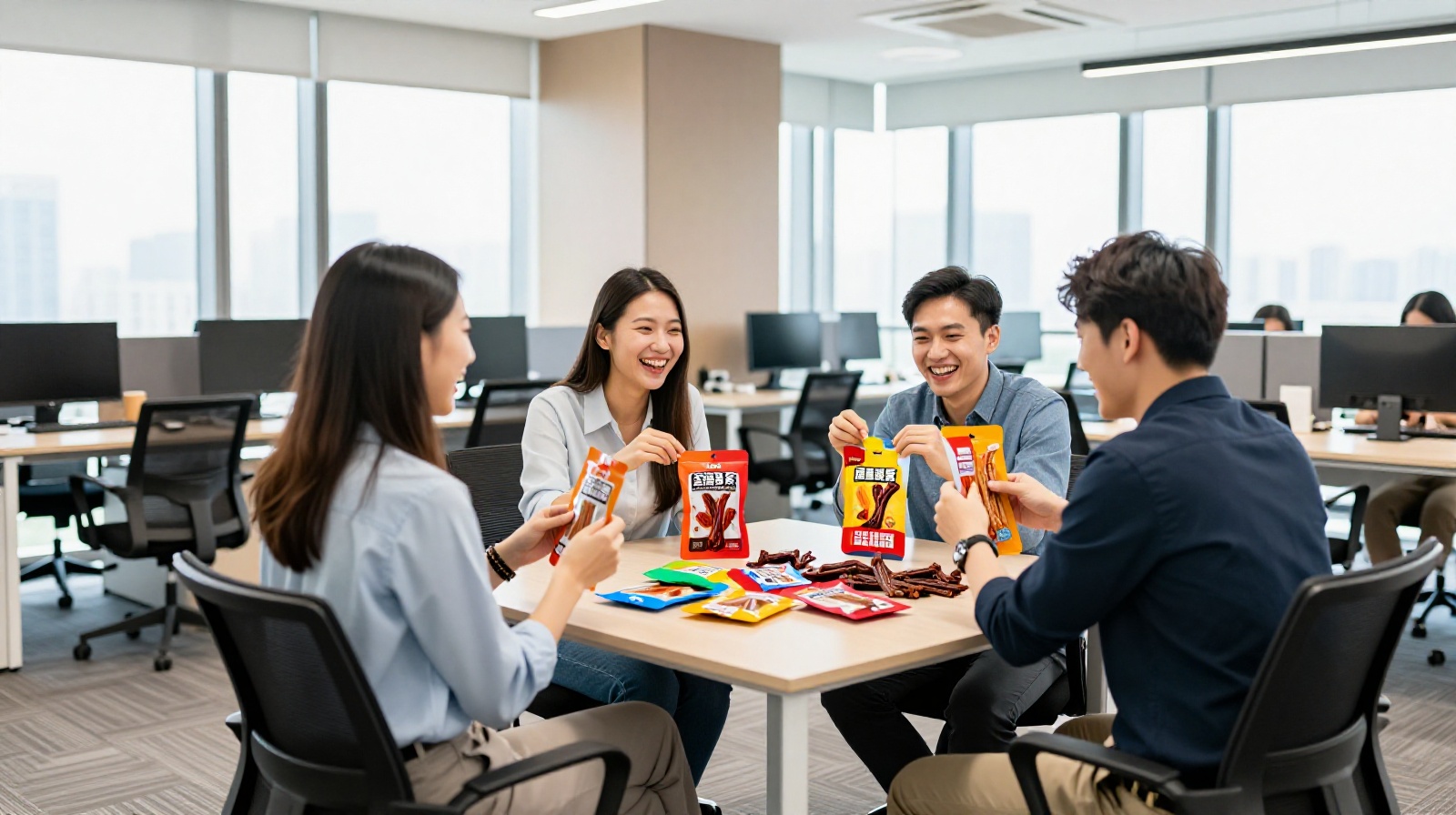
It is 4:00 PM on a Tuesday in Pudong, Shanghai. The air conditioning hums, and the glow of monitors dominates the open-plan office. But the real energy shift happens when Li Wei, a junior data analyst, pulls a crinkly bag from her drawer.
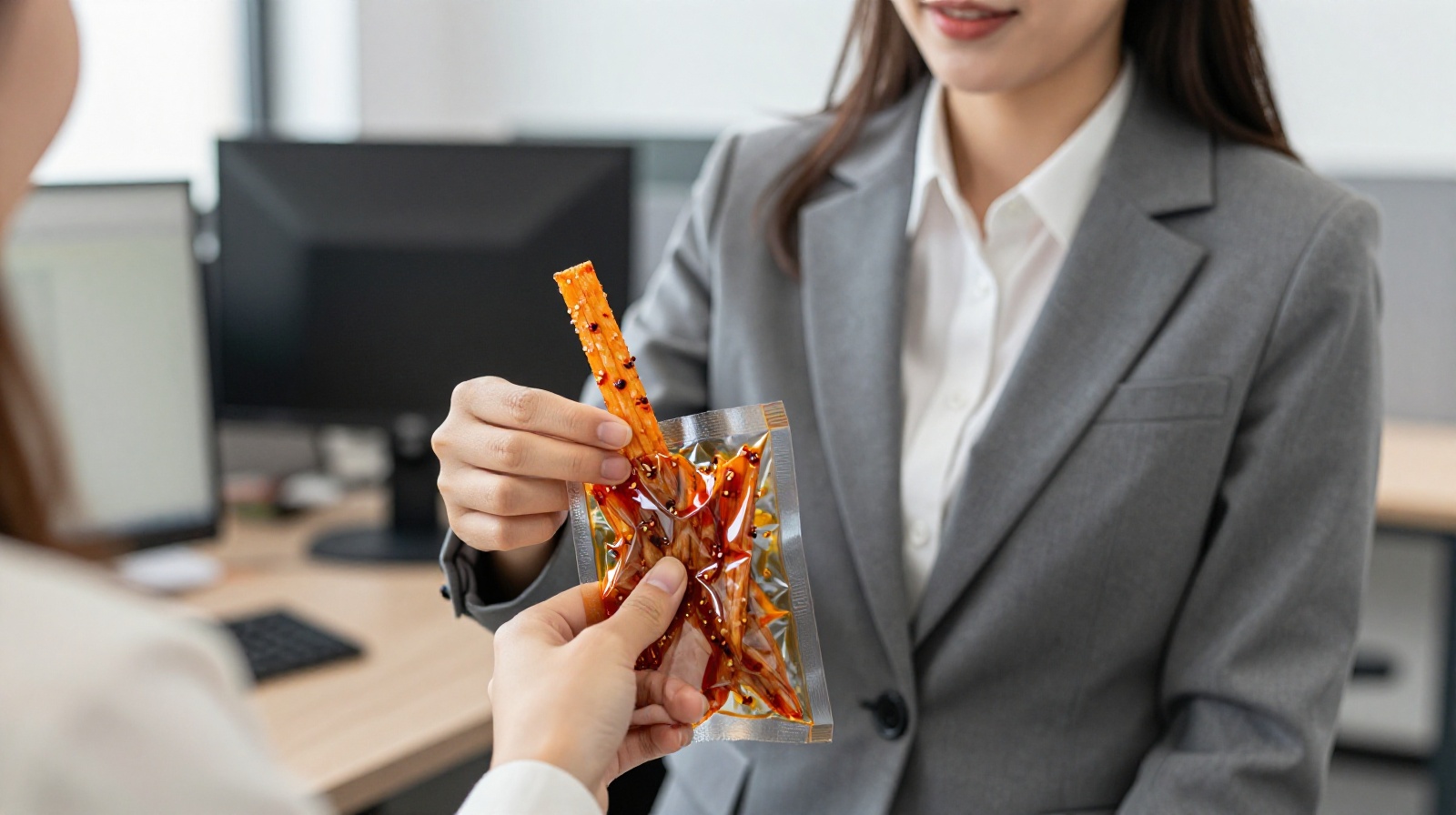
“Latiao!” she says, offering a strip of bright red, chewy gluten to anyone within earshot. Within seconds, the quiet hum of typing is replaced by the sound of tearing open bags and casual chatter. This isn’t just snacking; it’s a daily social reset button.
More Than Just Junk Food
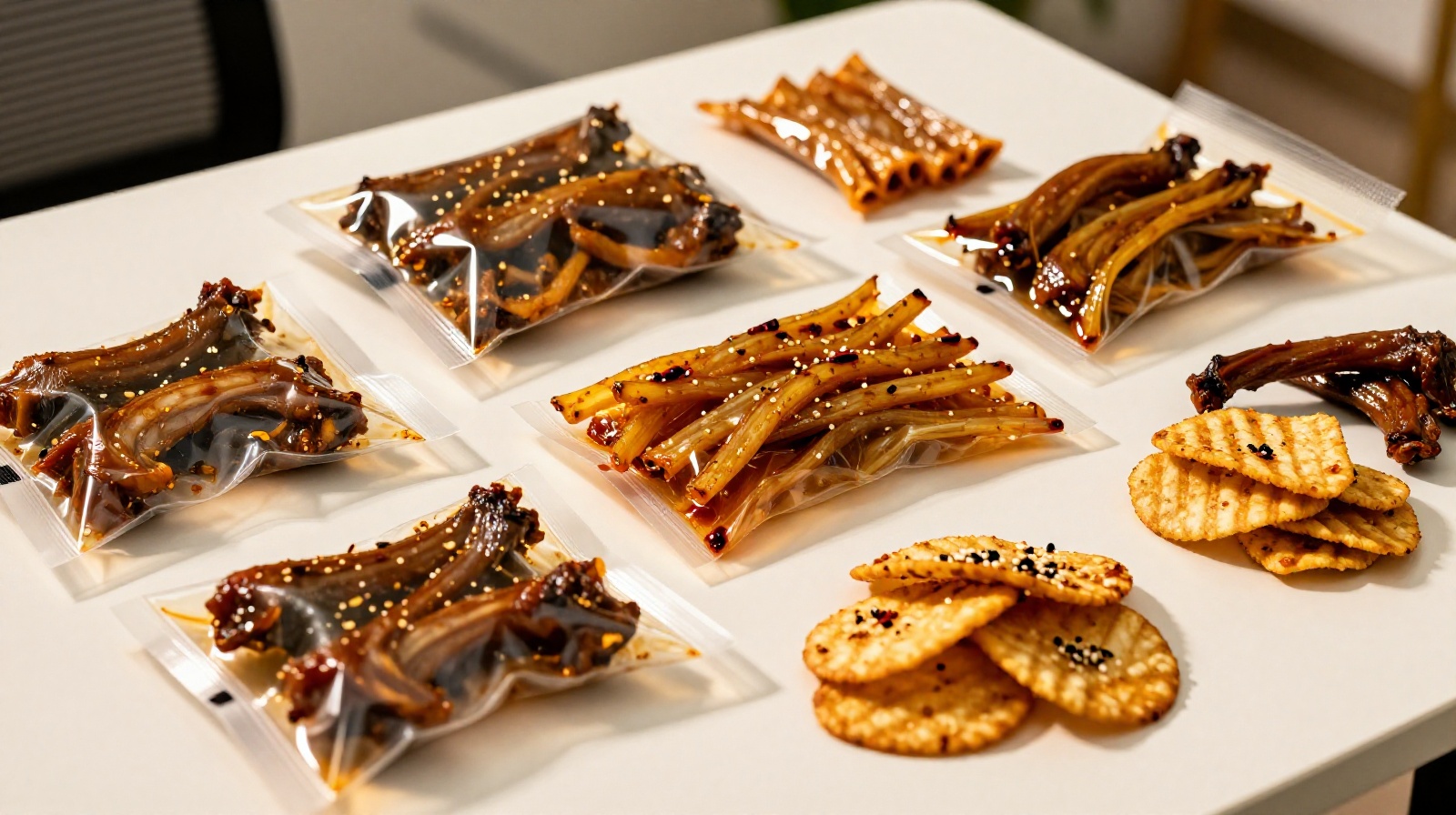
To a Western observer, these snacks might seem like bizarre junk food. You will find bags of “spicy gluten strips” (Latiao), which taste like a savory, chewy candy with a kick of Sichuan pepper and chili oil. Then there are the dried duck necks—deboned, spicy, and perfect for gnawing on during a meeting.
But in China, these aren’t random treats. They are culturally coded. Latiao, invented in the 1980s as a cheap protein source, has evolved into a nostalgic comfort food. For many young professionals, the smell of chili oil triggers memories of childhood, even if they now work in high-rise glass towers.
What makes this distinct from a standard Western office? The texture and intensity. In the US or UK, breakroom snacks are often neutral: granola bars, apples, or plain crackers. Chinese office culture embraces bold flavors—spicy, sour, sweet, and numbing—as a way to wake up the senses after hours of concentration.
The Great Leveler: Hierarchy Dissolves Over Spices
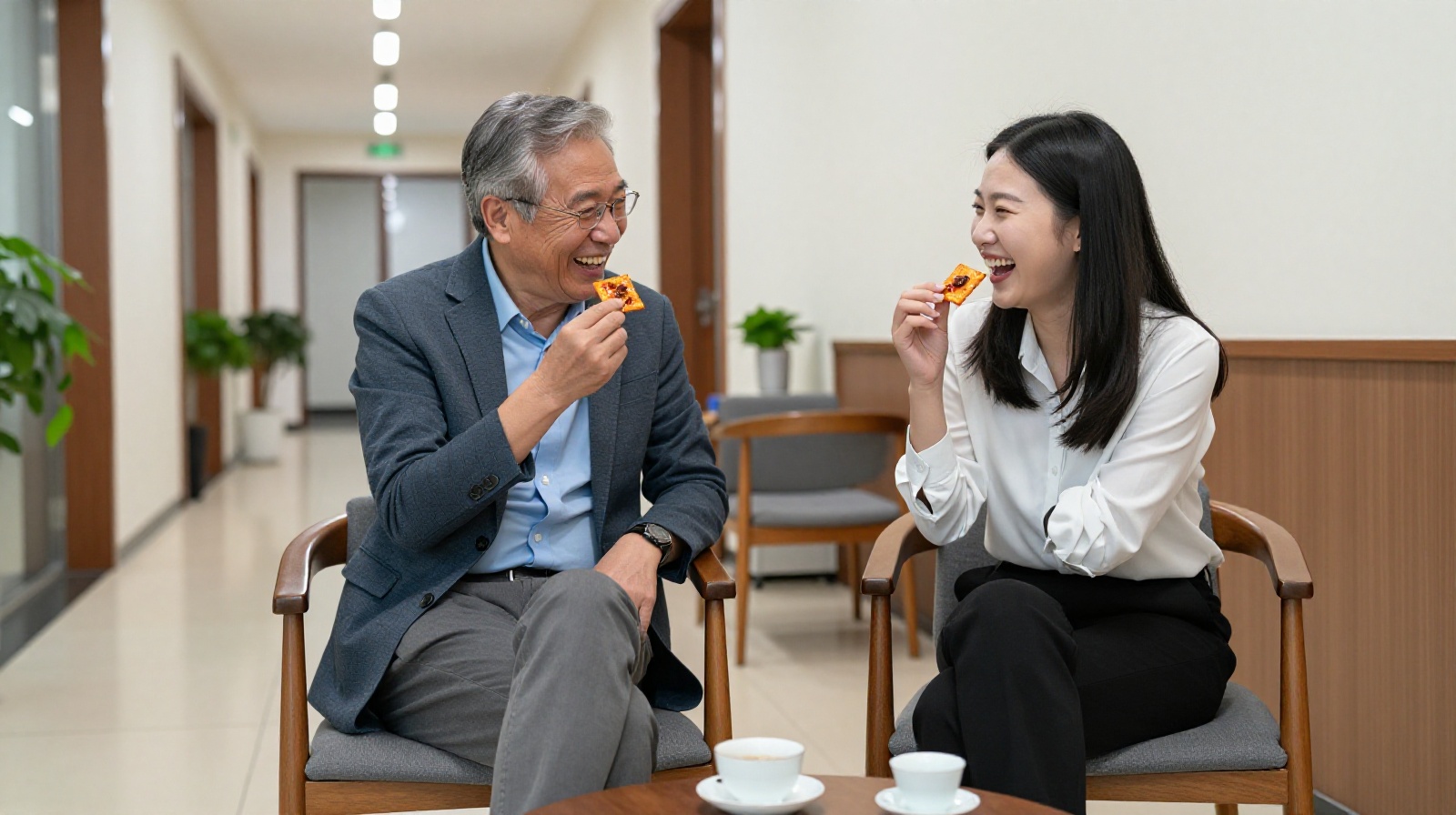
Perhaps the most fascinating aspect is the social function. In Chinese corporate culture, hierarchy can be rigid. Junior employees rarely speak up in front of senior managers during formal meetings. But step into the breakroom, and the rules change.
When a team leader offers a bag of spicy dried tofu or a jar of fermented bean paste snacks, they are participating in a ritual of equality. Sharing food creates a temporary “communal space” where titles don’t matter. A senior engineer might laugh about how strong the chili oil is while sitting next to an intern.
This practice serves as a low-stakes networking tool. It allows colleagues to bond over shared tastes and complaints without the pressure of work performance. In a high-pressure environment, these snack breaks are essential mental health moments disguised as lunch.
The Weird Flavors: Why Spicy Chocolate?
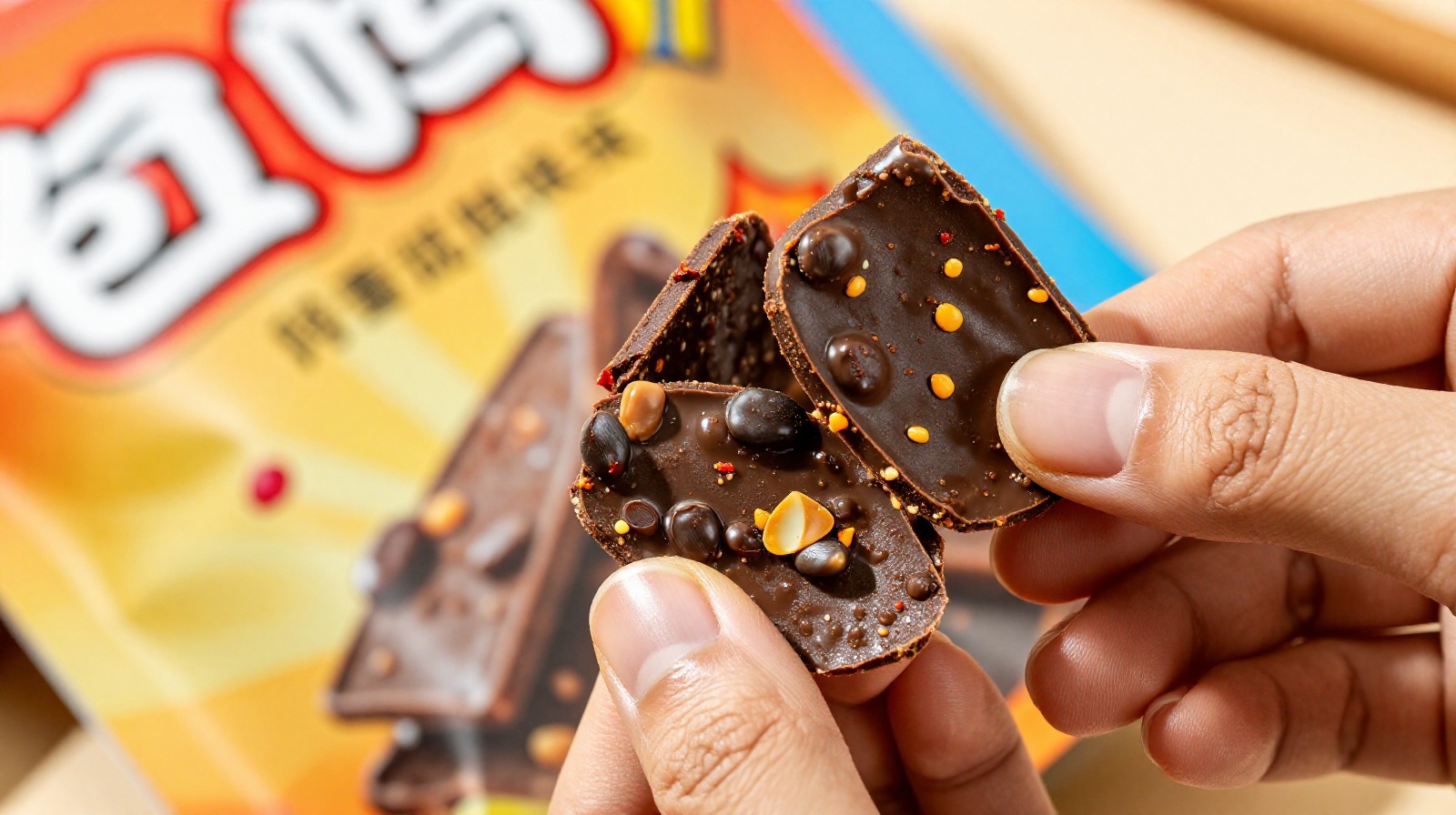
If you try Chinese office snacks, expect surprises. You might encounter chocolate with a spicy chili coating or potato chips flavored with fermented black beans. At first glance, these combinations seem illogical to Western palates used to separating sweet and savory.
However, this reflects a broader culinary philosophy in China: the pursuit of complex flavor profiles known as “flavor layering.” The contrast between the creamy sweetness of chocolate and the fiery heat of chili creates a sensory experience that keeps workers alert. It’s not about confusion; it’s about excitement.
These flavors dominate office vending machines because they are affordable, non-perishable, and easy to eat with one hand while scrolling through WeChat or answering emails. Brands like Wei Long (famous for Latiao) have become household names, much like Oreo is in the West, but their products are designed specifically for the “snack-while-working” lifestyle.
A Window into Modern China
Watching colleagues share these strange, flavorful snacks offers a small window into modern Chinese life. It shows how tradition and innovation mix: ancient flavor combinations meet modern office efficiency. It reveals a workforce that is hardworking but also deeply human, seeking connection and joy in the smallest moments.
The next time you visit an office in Beijing or Shenzhen, don’t be surprised if your boss offers you a spicy duck neck instead of a coffee. In this breakroom buffet, the secret ingredient isn’t just spice—it’s community.