


The Real Welcome Awaits
Most travelers start with “Ni hao” (Hello) and “Xie xie” (Thank you). These are polite, but they often land as a tourist checklist. To truly connect in China—where relationships matter more than transactions—you need phrases that show intent, curiosity, and respect.
I learned this the hard way in Chengdu. I tried to order noodles using perfect grammar, and the server just smiled politely. But when I switched to “Wei shen me zhe ge you dian la?” (Why is this one a bit spicy?), she laughed, adjusted my bowl, and gave me extra chili oil as a gift.
Why These 10 Phrases Change Everything
China isn’t just about buying things; it’s about the dance of interaction. Whether you are in a Shanghai subway station or a Beijing courtyard, the right words can open doors that money cannot.
Here are the 10 phrases that will make your trip smoother, cheaper, and much more memorable.
1. The Haggling Hook: “Tài guì le!” (Too expensive!)
In many Western countries, haggling is rare outside flea markets. In China, it is a game, especially in street stalls and local souvenier shops. When you say “Tài guì le”, you aren’t insulting the seller; you are saying, “I like this, but I want to play along.” The seller will often lower the price immediately, or offer a free gift to close the deal.
Cultural Tip: Say it with a smile. If you say it too seriously, they might think you are actually leaving and stop selling.
2. The Price Check: “Duō shao qián?” (How much money?)
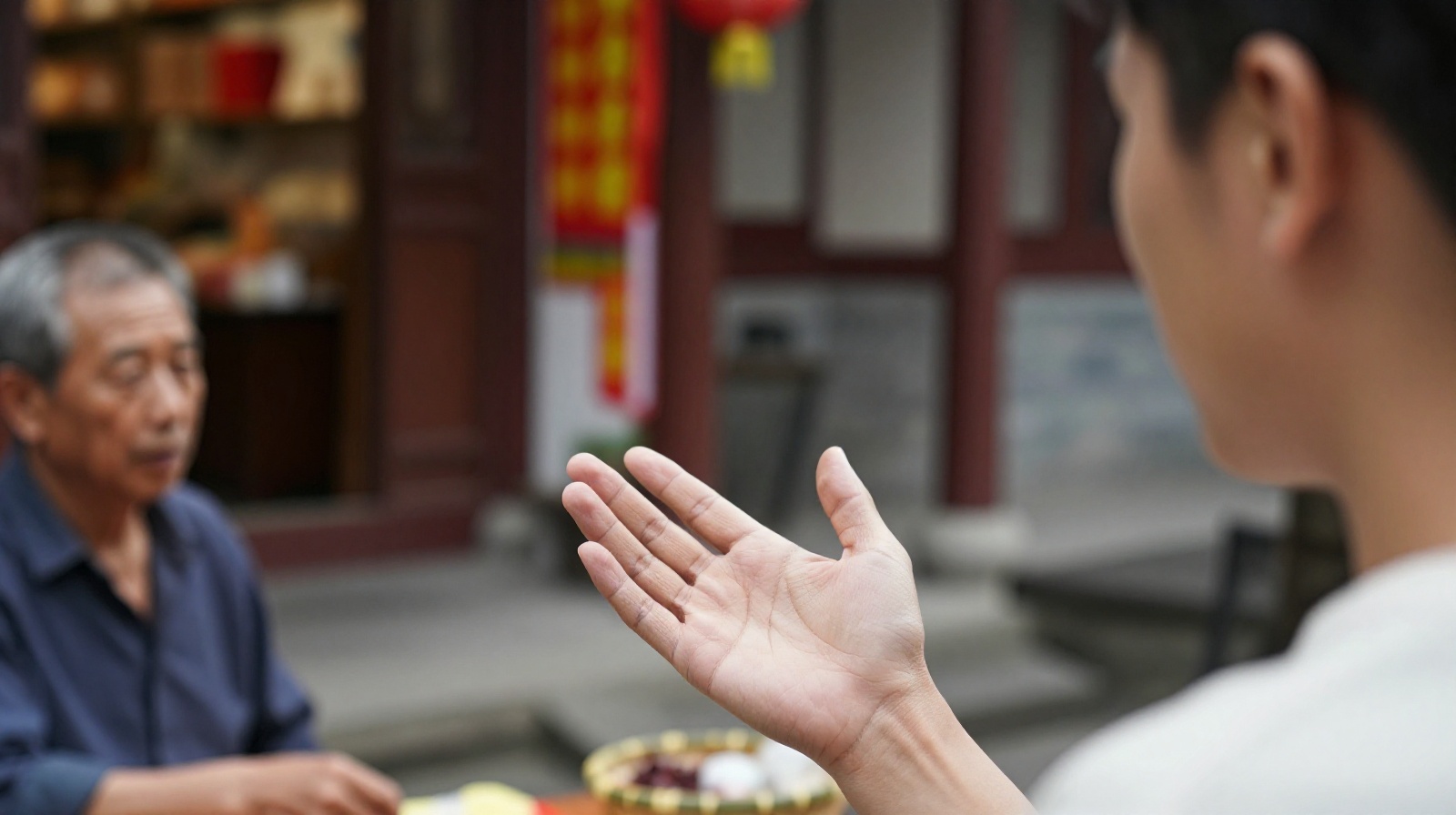
You know this one, but the secret is in *how* you ask. Don’t just point. Point with your whole hand, look them in the eye, and say “Duō shao qián?” clearly. In some rural areas or small towns, they might not speak much English, so a clear Chinese question cuts through confusion instantly.
3. The Spice Test: “Lài ma?” (Is it spicy?)
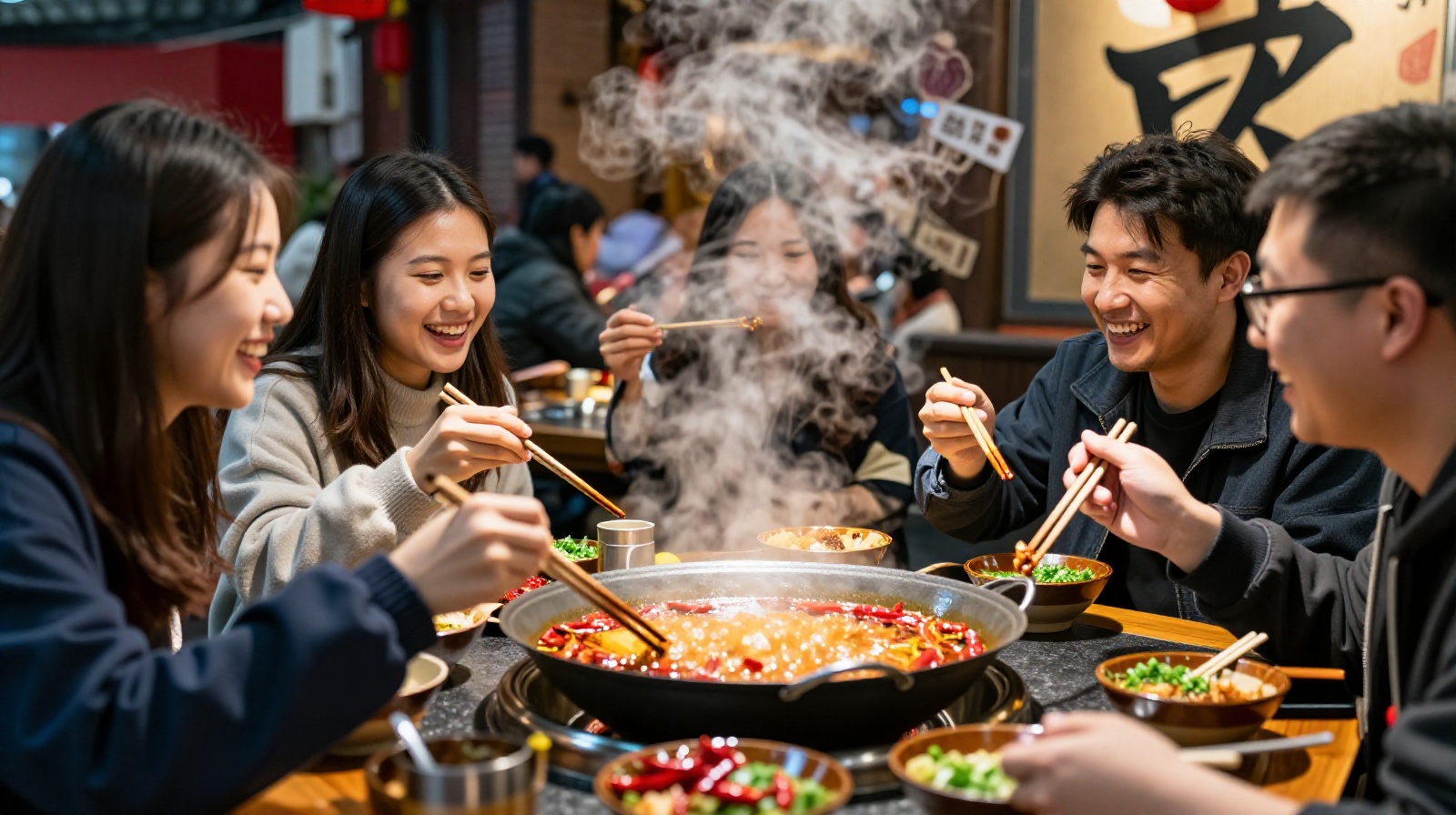
This is the most important phrase for foodies. China has 18 provinces, and each cooks differently. Sichuan means hot; Cantonese means mild. If you don’t ask, you might get a bowl of soup that burns your tongue.
Ask “Lài ma?”. If they say “You yi dian” (A little), beware—it often means “very spicy.” To be safe, add: “Bu yào là” (No spice).
4. The Compliment Bridge: “Hěn hǎo kàn!” (Very beautiful!) or “Hěn hǎo chī!” (Very delicious!)
Flattery works wonders in China. If you see a vendor’s fresh fruit or a waiter’s special dish, say “Hěn hǎo chī!”. It builds instant rapport. People love sharing their culture when they feel appreciated.
Pro Tip:
Don’t just eat; praise the cook. You might get a free drink or a larger portion as a thank you.
5. The Bathroom Question: “Cèsuǒ zài nǎr?” (Where is the toilet?)
This sounds simple, but in China, restrooms are often hidden behind curtains or marked with confusing symbols. Asking “Cèsuǒ zài nǎr?” clearly is crucial.
If you can’t find it, look for the “WC” sign (often used) or ask a shopkeeper: “Qing wen, cèsuǒ…”. Most locals will happily guide you to the nearest facility, even if it’s in their own small shop.
6. The Tech Safety Net: “Wǒ kě yǐ shì wēi xìn ma?” (Can I use WeChat?)
Cash is rarely used anymore. Almost everyone uses Alipay or WeChat Pay. If you don’t have a Chinese bank account linked, ask “Kě yǐ shì wēi xìn ma?”. Many small vendors now accept international credit cards via QR code, but asking first saves time and awkwardness.
7. The “Too Much” Signal: “Dōu tài duō le!” (There is too much!)
In restaurants, portions are huge. This is a blessing for appetite, but a nightmare for leftovers. If the waiter brings more food than you can eat, say “Dōu tài duō le!”. They will stop serving immediately and might even pack it up for you for free.
8. The Taxi Shortcut: “Qù… (Place Name)”
Taxis in big cities like Beijing or Shanghai can be tricky with navigation apps that don’t work well offline. Instead of trying to explain directions, just say “Qù [Name of Place]”. Show the driver a screenshot on your phone if needed.
If you are haggling for a taxi price (common in some areas), start with: “Yi kuài er gǔn yīng?” (Can we go together?) to negotiate a fair split or price.
9. The Polite Decline: “Bù yào le, xiè xie.” (No thanks, thank you.)
Chinese hospitality is famous for over-serving. A vendor might insist on giving you an extra apple or a free sample. Instead of pushing them away rudely, say “Bù yào le, xiè xie” with a gentle wave. It shows you respect their generosity but are full.
10. The Connection Closer: “Nǐ hǎo! Zán men péng you ma?” (Hello! Can we be friends?)
This is the ultimate phrase. If you meet someone interesting—a taxi driver, a shop owner, or a fellow traveler—try this. It breaks down barriers instantly. In China, making “pengyou” (friends) is the key to unlocking hidden spots and local stories.

Regional Nuances: A Quick Guide
While Mandarin is standard everywhere, accents vary. In Guangdong (Cantonese), people might respond in Cantonese even if you speak Mandarin. Don’t panic; just smile and repeat your phrase louder. In Sichuan, the tone changes slightly, but the meaning stays clear.
Remember: Language isn’t about passing a test. It’s about showing up. Every time you try these phrases, you are inviting locals to share their world with you.
Practice Makes Perfect
Before your trip, pick three of these phrases and practice them out loud. Imagine the scene: You are in a market, holding an apple. “Tài guì le!”. You are at a restaurant, staring at a fiery dish. “Lài ma?”.
The more you use them, the less nervous you will feel. And trust me, the smiles you get back are worth every awkward syllable.