

Behind the Unmarked Door
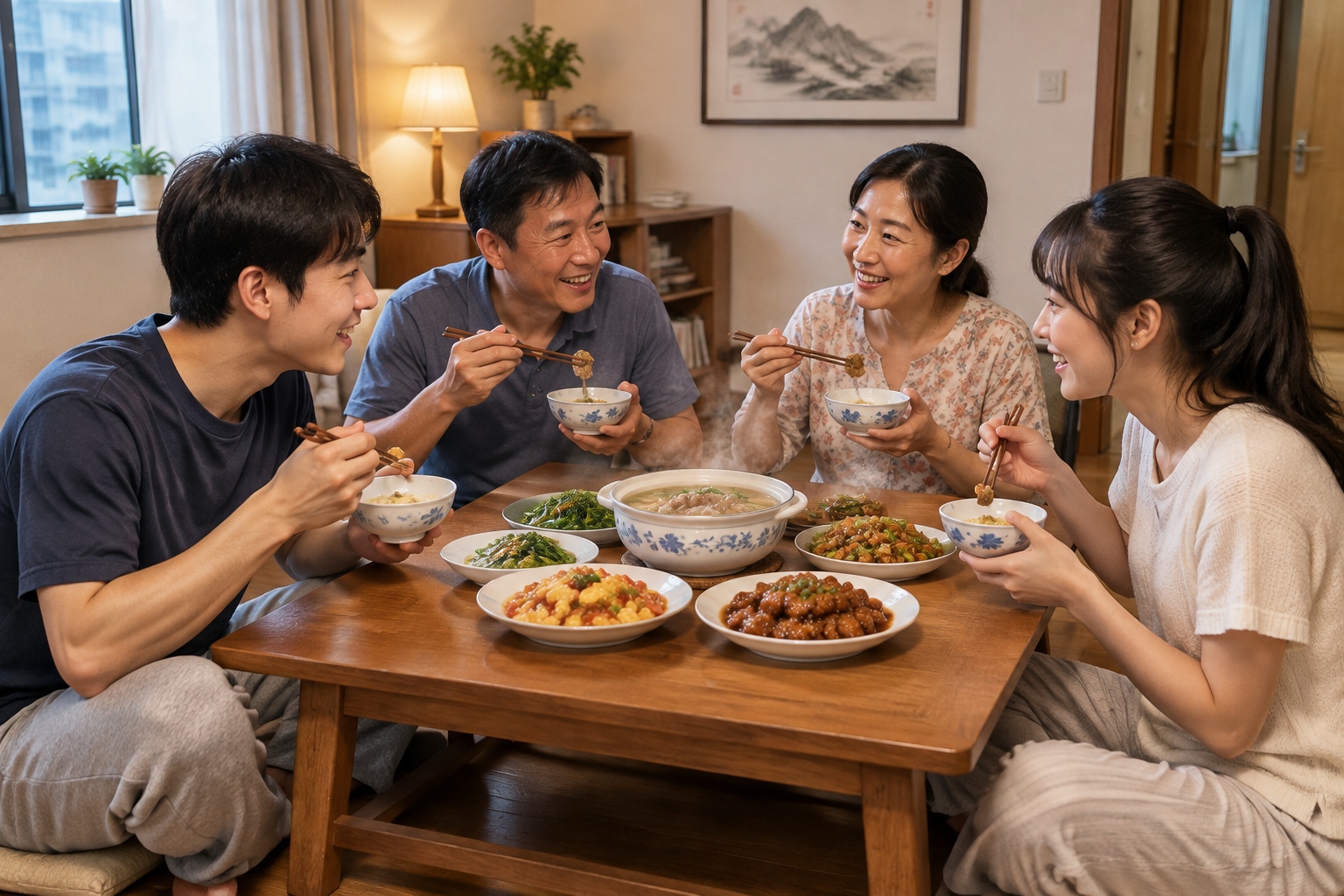
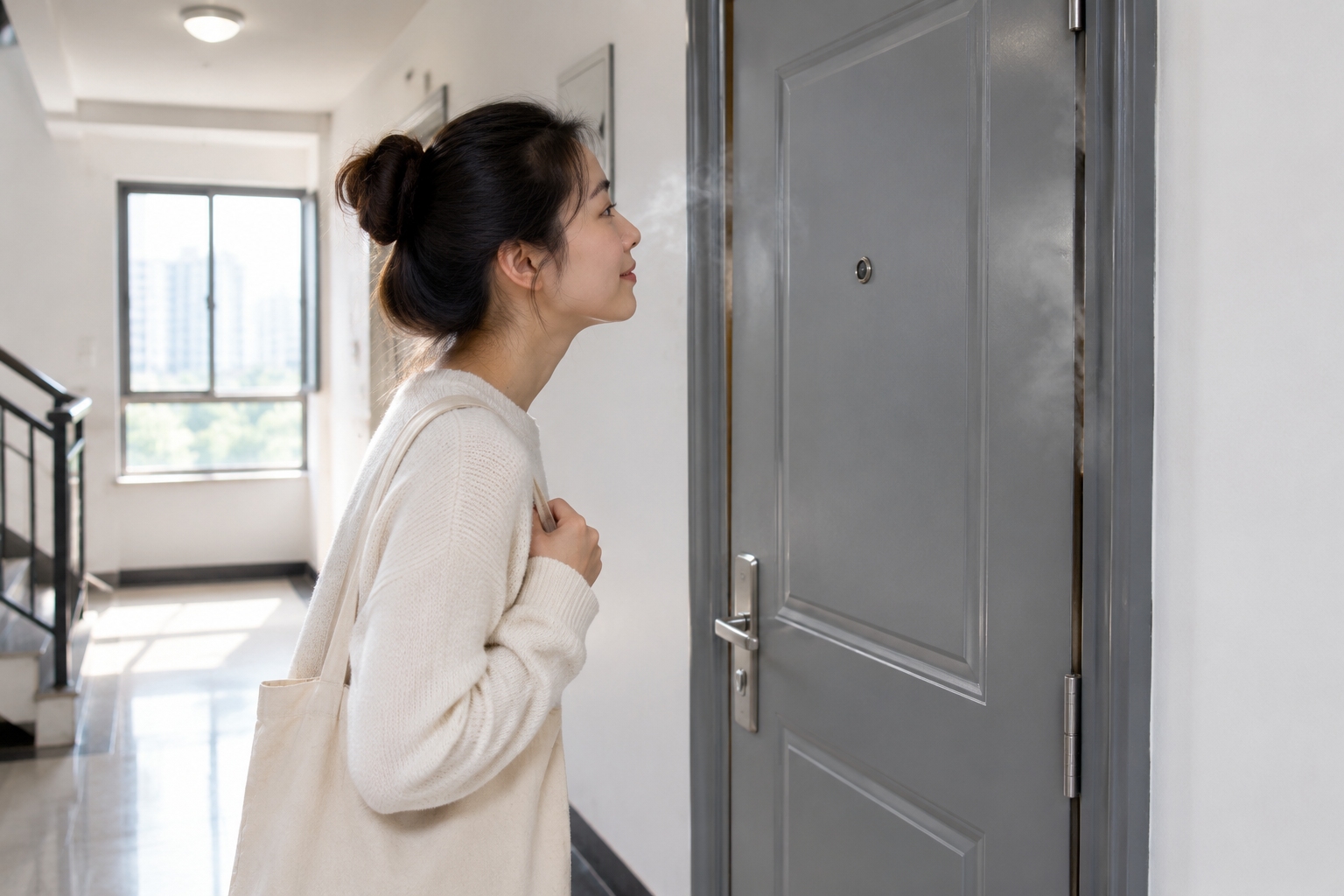
The hallway smells faintly of scallion oil and simmering broth. It’s not the smell of a commercial kitchen, but something warmer, more intimate. I stand before an ordinary grey door in a Beijing residential complex, checking my phone. A text message confirms: “The table is ready. Come up to the 4th floor.” No sign on the building, no restaurant website, just a name whispered among foodies.
This is where the concept of private kitchen dining, known in China as Sifangcai, comes alive. For decades, this was an underground phenomenon—a way for elite cooks to serve high-end meals away from the scrutiny of health inspectors and the rigid menus of state-owned hotels. Today, it has evolved into a respected cultural bridge, connecting traditional home cooking with modern culinary artistry.
More Than Just Food: A Social Contract
You cannot walk in off the street. Sifangcai operates on trust and invitation only. The address is often shared via WeChat groups or word-of-mouth among friends. When I arrived, the “restaurant” was actually a renovated apartment living room with six tables. The host, a chef who prefers to remain anonymous, greeted me not as a customer, but as a guest.
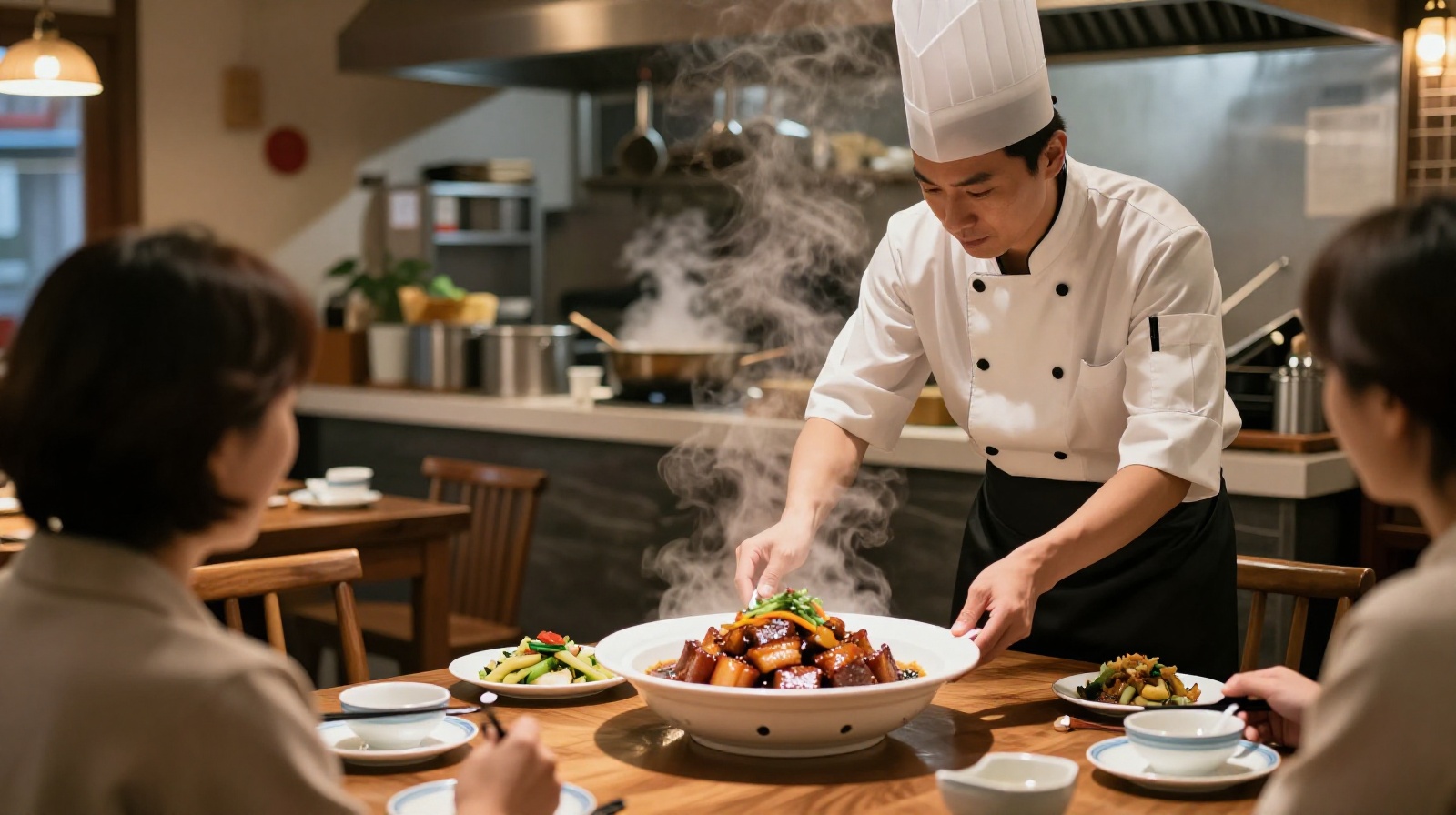
The menu isn’t printed. It changes daily based on what is fresh at the morning market. Today’s special might be braised pork belly with pickled vegetables from his hometown in Jiangsu, or perhaps steamed fish caught that very morning from a local pond. The chef moves between the kitchen and the dining area, checking on dishes, chatting about ingredients, and adjusting seasoning based on your reaction. It is less like ordering at a restaurant and more like being served by an over-attentive friend.
This dynamic creates a unique atmosphere. You aren’t just eating; you are witnessing the chef’s personal philosophy. In many cases, these kitchens are family-run operations where recipes have been passed down for generations. The food carries stories of region, season, and memory that a standardized chain restaurant simply cannot replicate.
The Revival of Home Cooking
Why is Sifangcai coming back? In the era of fast-casual chains and delivery apps, there is a growing hunger for authenticity. People are tired of generic “Chinese food” designed for tourists or standardized corporate catering. They crave the unpredictability of a meal cooked by hand, in a specific home, with ingredients sourced locally.
For young entrepreneurs and chefs, these private kitchens offer a low-risk way to test new ideas without the heavy overhead of renting a prime street location. A chef can start in their own dining room, build a reputation through social media buzz, and scale up slowly. This model has democratized fine dining in China, making high-quality, creative food accessible to a broader audience who value experience over luxury.
The regulations have also caught up. While early Sifangcai operated in a grey area, many kitchens now register as “home-based catering” or partner with existing restaurants to meet safety standards while keeping the intimate vibe. It’s a pragmatic compromise: strict hygiene without losing the soul of the home kitchen.
A Story from the Table
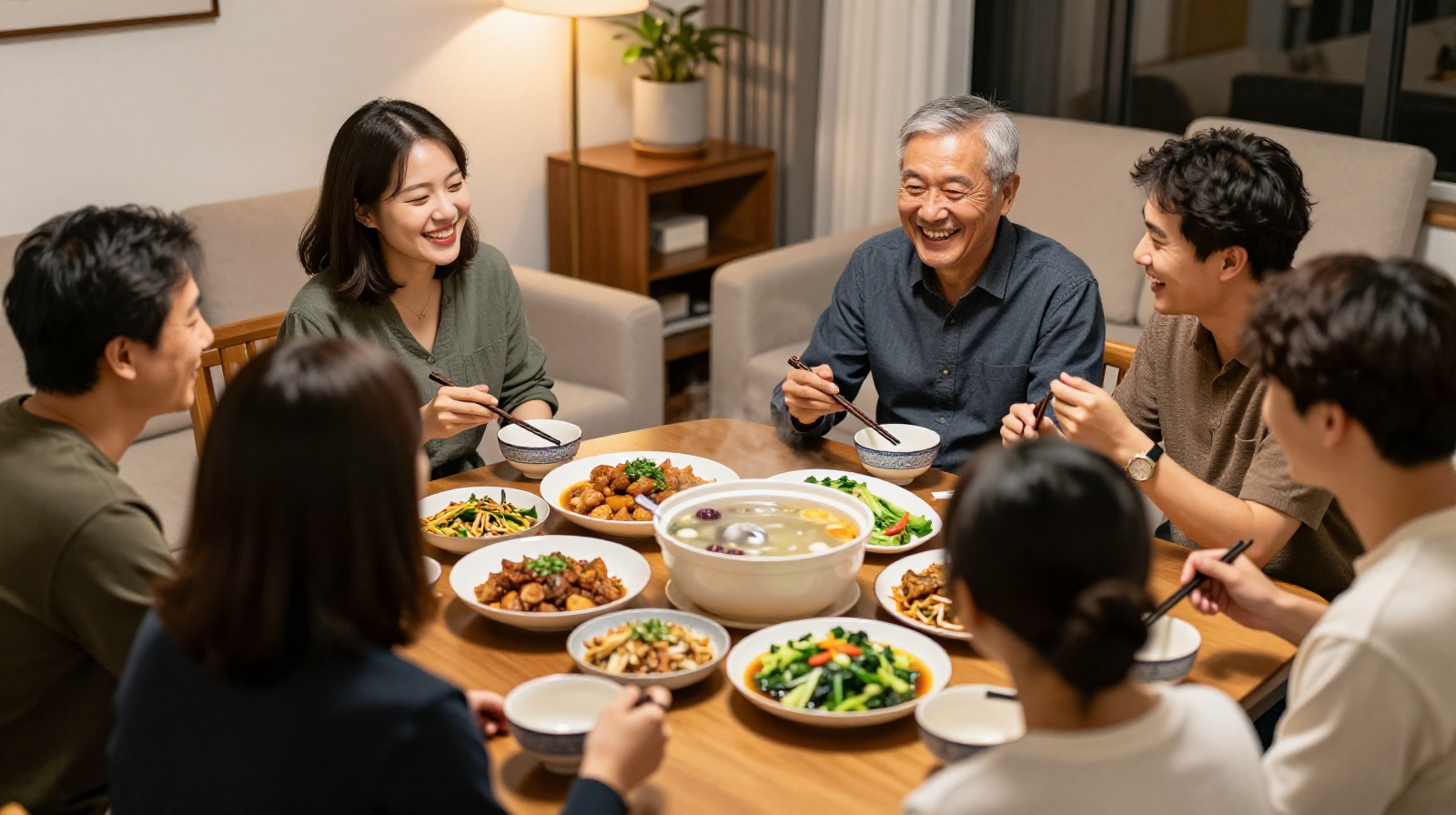
Last year, I shared a table with a couple celebrating their 10th anniversary. The chef noticed them and brought out a small bowl of sweet soup made from osmanthus flowers—a traditional recipe he remembered from his own grandmother’s kitchen. He didn’t charge extra. He just said, “This tastes like home. You should have it.” That moment wasn’t about the calorie count or the price; it was about the human connection.
This is the core of Sifangcai. It is a space where food acts as an icebreaker between strangers and cultures. For international visitors, stepping into a private kitchen offers a rare glimpse into how ordinary Chinese people live, eat, and care for one another. It strips away the neon signs and corporate gloss to reveal the warmth of a shared meal.
As you leave, carrying the lingering scent of ginger and star anise in your clothes, you realize that this isn’t just dinner. It’s a cultural exchange happening in a living room, one bite at a time.
Start the discussion at forum.chinacomes.com