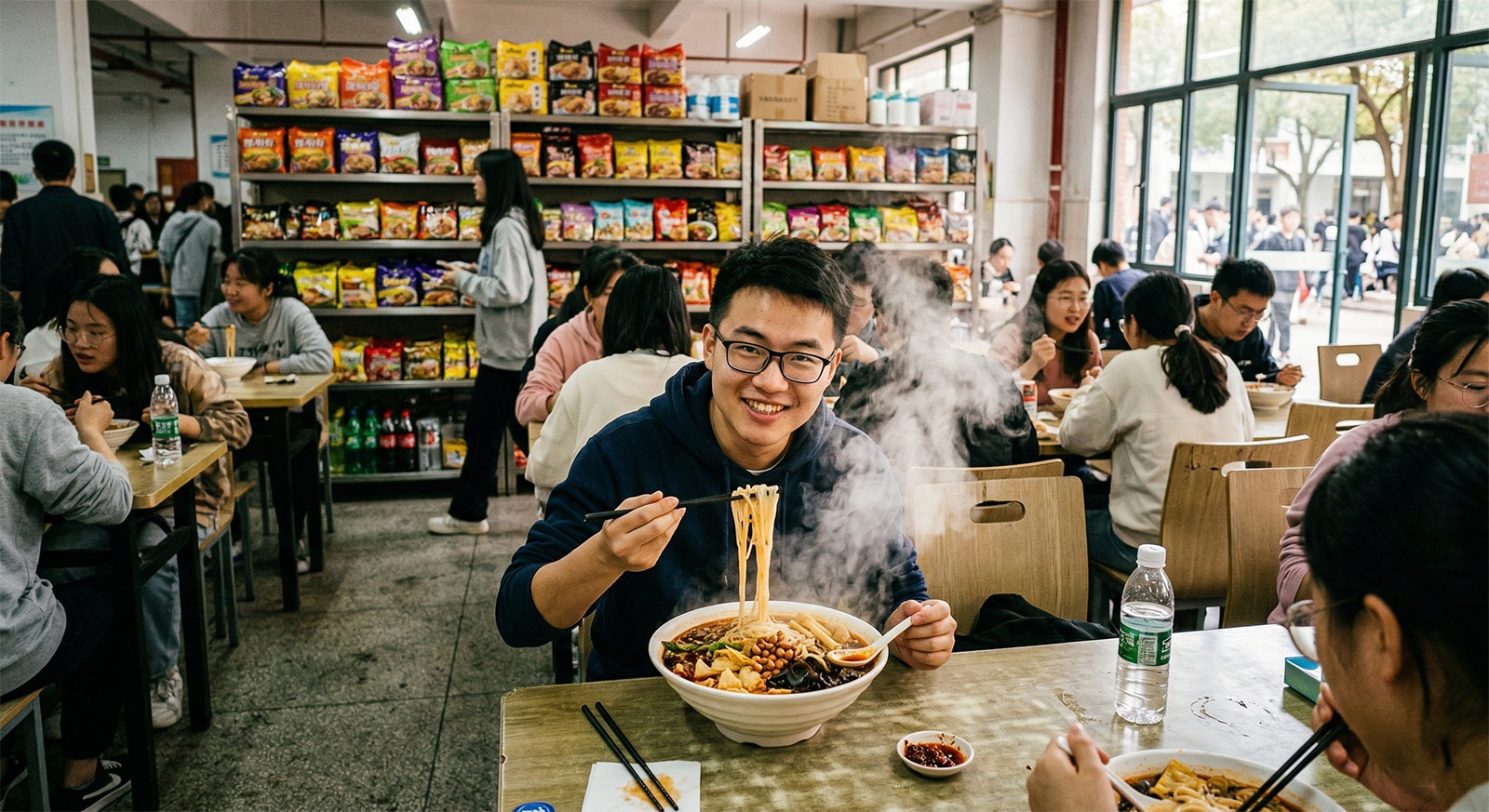

Smell: The First Hurdle to a National Phenomenon
In the dorm rooms of universities across China, there is often a silent pact. When someone opens a package of Luosifen, the smell spreads instantly—a pungent mix of sour bamboo shoots, fermented beans, and roasted peanuts that can cling to curtains and hair for days. It is so distinctive that some office buildings in major cities have banned eating it at desks.
Yet, this very smell has become its superpower. Luosifen, a dish from Liuzhou, a city in southern Guangxi province known for its industrial past and humid subtropical climate, is made of rice noodles served in a broth that contains no actual snails (despite the name), but rather pork bones, river snails for flavoring, and crucially, pickled bamboo shoots. That fermentation process is what creates the odor.
For years, this was a local secret. You had to travel to Liuzhou to eat it fresh from a stall on the street. But in the mid-2010s, something changed. The dish began to appear on social media not as a luxury item, but as a viral challenge.
The Digital Spark: From Street Food to Streaming Snack
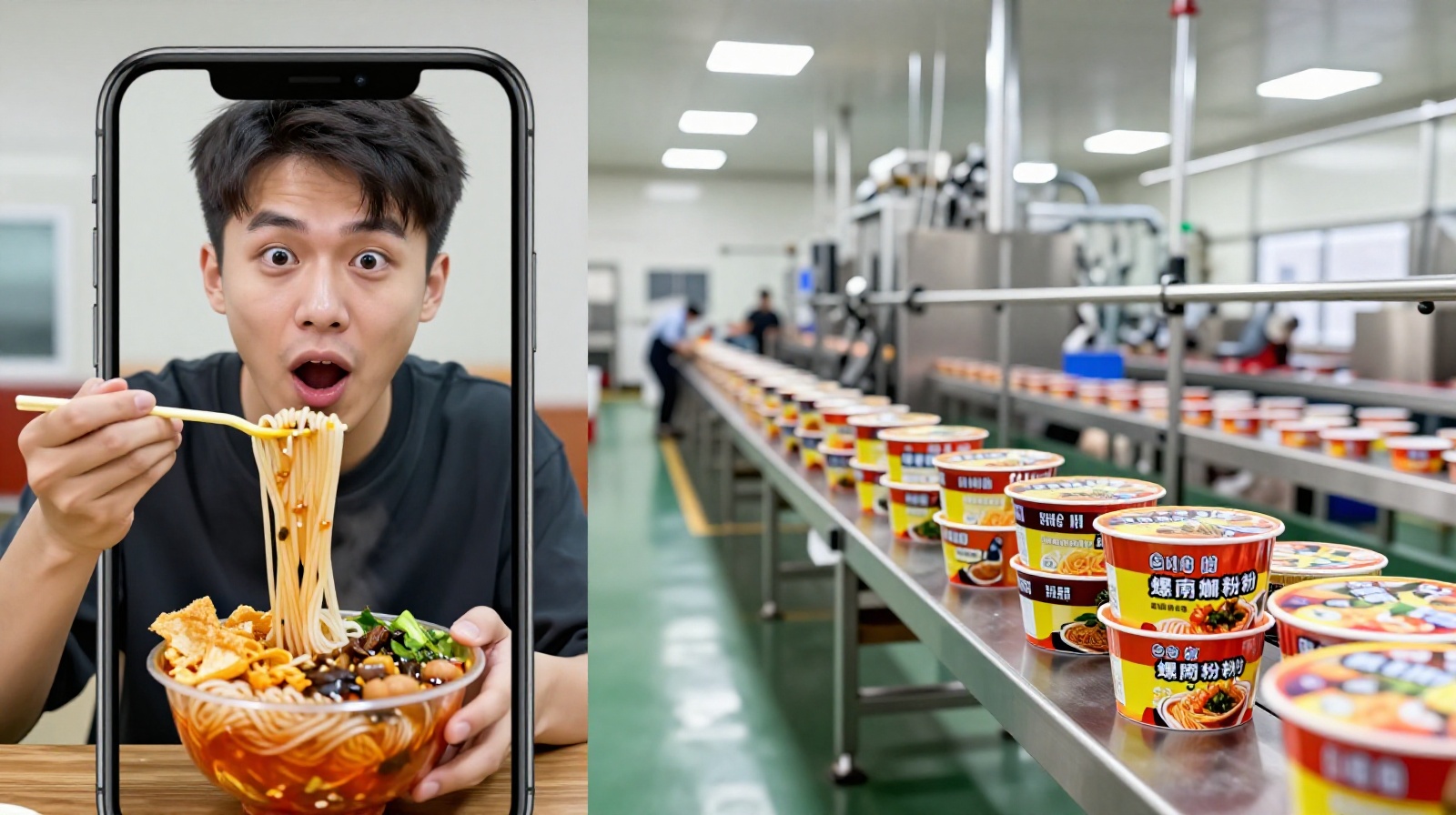
The transformation started with content creators. Live streamers in China, known for their high energy and interaction with millions of viewers, began eating Luosifen on camera. The drama wasn’t just about the food; it was about the visceral reaction. Watching a host inhale the noodles while grimacing at the smell, then declaring it the best thing they’ve ever tasted, created an instant hook for audiences.
Platforms like Douyin (the Chinese version of TikTok) and Bilibili became incubators for this trend. Users posted “mukbang” videos—eating shows where the focus is on the sounds and visuals of consumption. The smell was no longer a barrier; it was part of the entertainment. A single viral video could sell out a local Liuzhou vendor’s entire stock in minutes.
This wasn’t just about food tourism anymore. It was about accessibility. For young people working late shifts or studying in dorms, Luosifen offered a convenient solution: a packet that could be boiled in 10 minutes and delivered to their door by drone or courier. The internet turned a regional specialty into a national obsession.
The Economics of a Viral Broth
The numbers are staggering. Before the viral explosion, Luosifen was a niche product. Today, the industry in Liuzhou alone generates billions of yuan annually. In 2023, pre-packaged Luosifen sold online accounted for over 15 billion yuan (approx. $2.1 billion) in revenue.
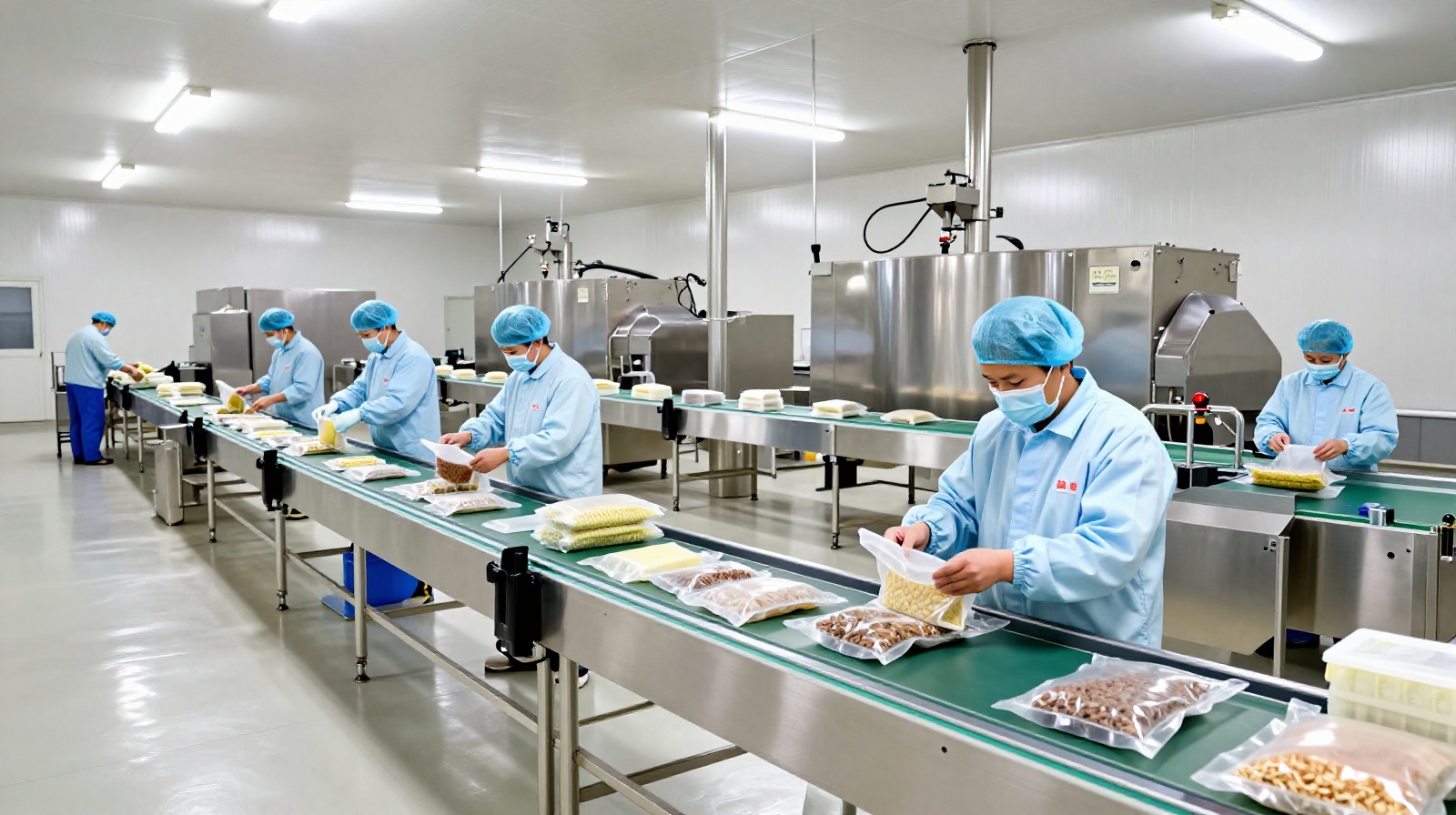
How did this happen? The answer lies in industrialization. To meet the demand from cities thousands of miles away, Liuzhou didn’t just rely on small shops. It built a massive supply chain. Farmers in surrounding areas now grow specific varieties of bamboo shoots optimized for pickling. Factories produce vacuum-sealed packets with standardized taste profiles.
The local government played a crucial role here. They set up industrial parks dedicated to the snack, offering tax breaks and infrastructure support to attract food processing companies. This turned a chaotic street market into a structured, high-tech industry. Now, when you order Luosifen from Beijing or Shanghai, it often comes from a factory in Liuzhou that meets strict quality standards.
More Than Just Noodles: A Cultural Shift
The rise of Luosifen represents a broader shift in how Chinese culture is consumed and shared. It shows the power of digital platforms to democratize taste. Traditionally, regional foods were tied to geography—you had to be there to experience them. The internet broke that link.
It also highlights the resilience of local identity. While the packaging looks global, the flavor profile remains stubbornly specific to Liuzhou. It is a paradox: a product sold globally yet deeply rooted in a single city’s history and soil. Young people today don’t just eat it for hunger; they participate in a shared cultural moment. They are “in on the joke” of the smell.
As Luosifen continues to expand, even appearing in international markets from Australia to the US, its story serves as a case study in modern Chinese economic agility. It is no longer just about manufacturing goods; it is about manufacturing desire through digital storytelling.