

A Kitchen Without Smoke
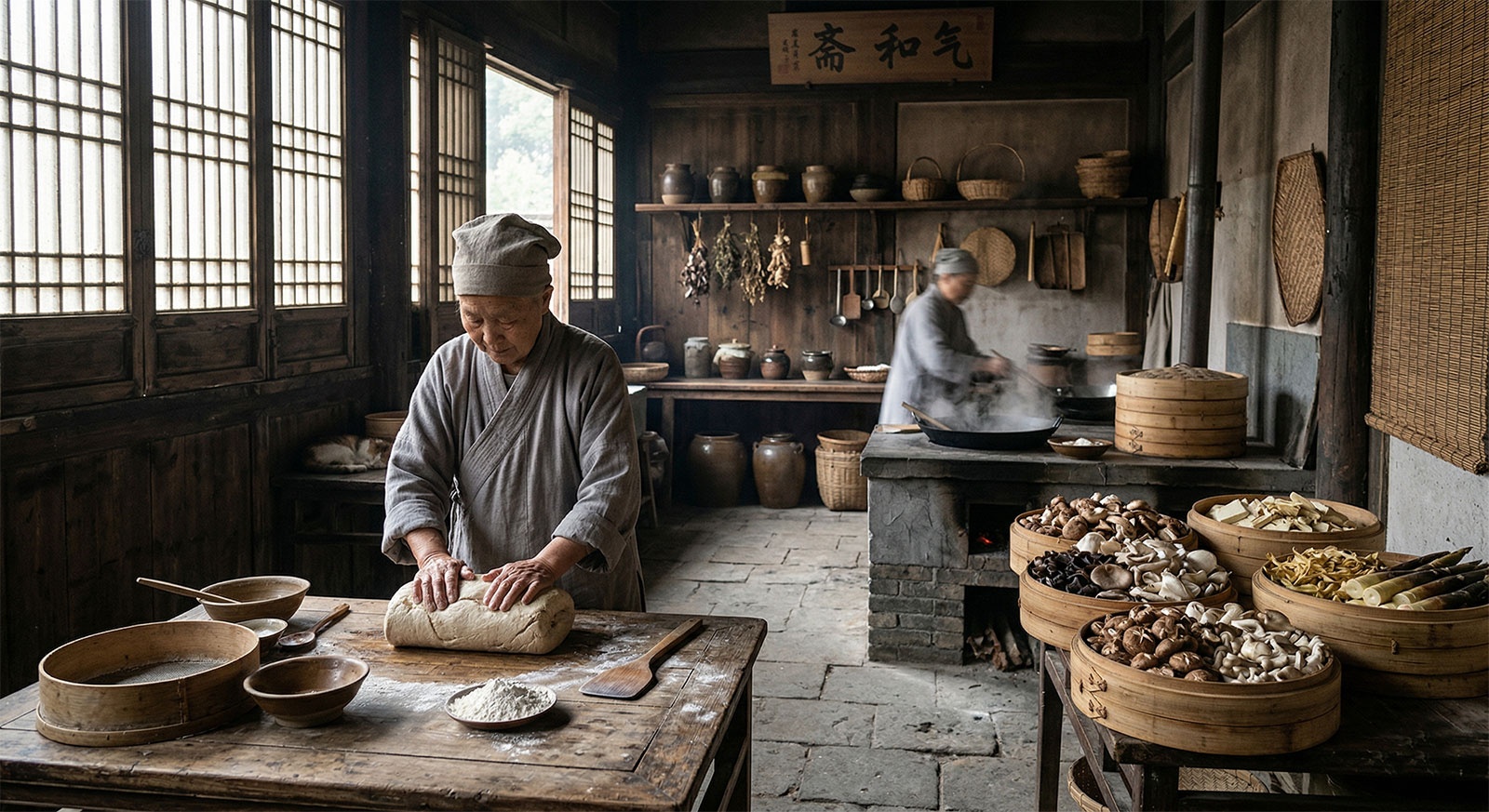
The air inside the temple kitchen is thick not with smoke, but with the earthy scent of dried shiitake mushrooms and the sharp tang of soy sauce. It is 6:00 AM in Hangzhou’s Longxing Temple. An elderly nun, her face lined with decades of quiet devotion, is kneading a block of wheat gluten. Her hands move with a rhythm that suggests this isn’t just cooking; it is a meditation.
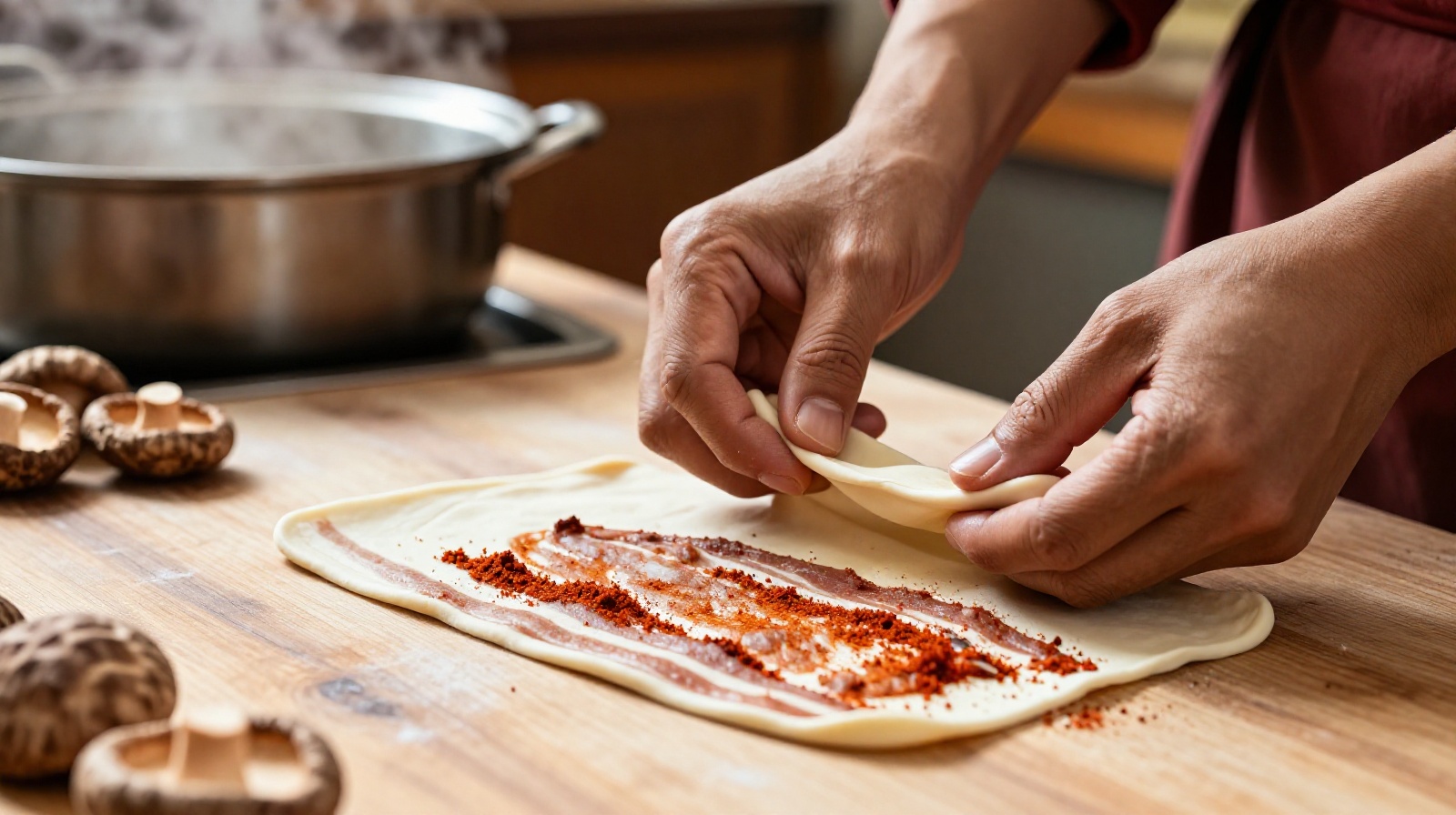
She tears the dough into strips, dyes them a deep reddish-brown using red yeast rice, and shapes them to mimic the grain of pork belly. When she boils them in broth made from roasted chestnuts and bamboo shoots, the result looks, smells, and tastes remarkably like braised pork—a dish traditionally reserved for festival banquets.
“We do not eat meat because we cannot kill,” she says softly. “But if a guest comes from far away, they need to feel at home. So we must make them something that feels like meat.”
This scene, repeated in kitchens across China for over a thousand years, is the forgotten origin of the modern plant-based meat industry. While Silicon Valley startups scramble to replicate muscle fibers using protein isolates from peas and soybeans, Chinese monks have been mastering the art of imitation since the Tang Dynasty.
The Philosophy of Imitation
Why go to such trouble? The answer lies in the core Buddhist principle of Ahimsa, or non-violence. For centuries, strict monastic rules prohibited the consumption of meat and even certain pungent vegetables like garlic and onions.
Yet, human appetites are stubborn. A monk eating plain boiled tofu day after day can lose his will to meditate. To keep monks healthy and morale high without breaking their vows, temple chefs became culinary alchemists.
Their goal was not just nutrition; it was sensory deception. They needed to trick the tongue into accepting a plant-based meal as a meat feast. This drove an explosion of innovation in texture and flavor. If you wanted the chew of fish, you used glutinous rice and egg whites (before eggs were strictly regulated) or the fibrous layers of konjac. For the fat content of pork, you layered sheets of gluten soaked in sesame oil.
By the Song Dynasty (960–1279), temple menus were so sophisticated that they included dishes named “Buddha Jumps Over the Wall” made entirely of mushrooms and tofu, described as having a complexity that rivaled the original meat-based version.
From Tofu to Technology
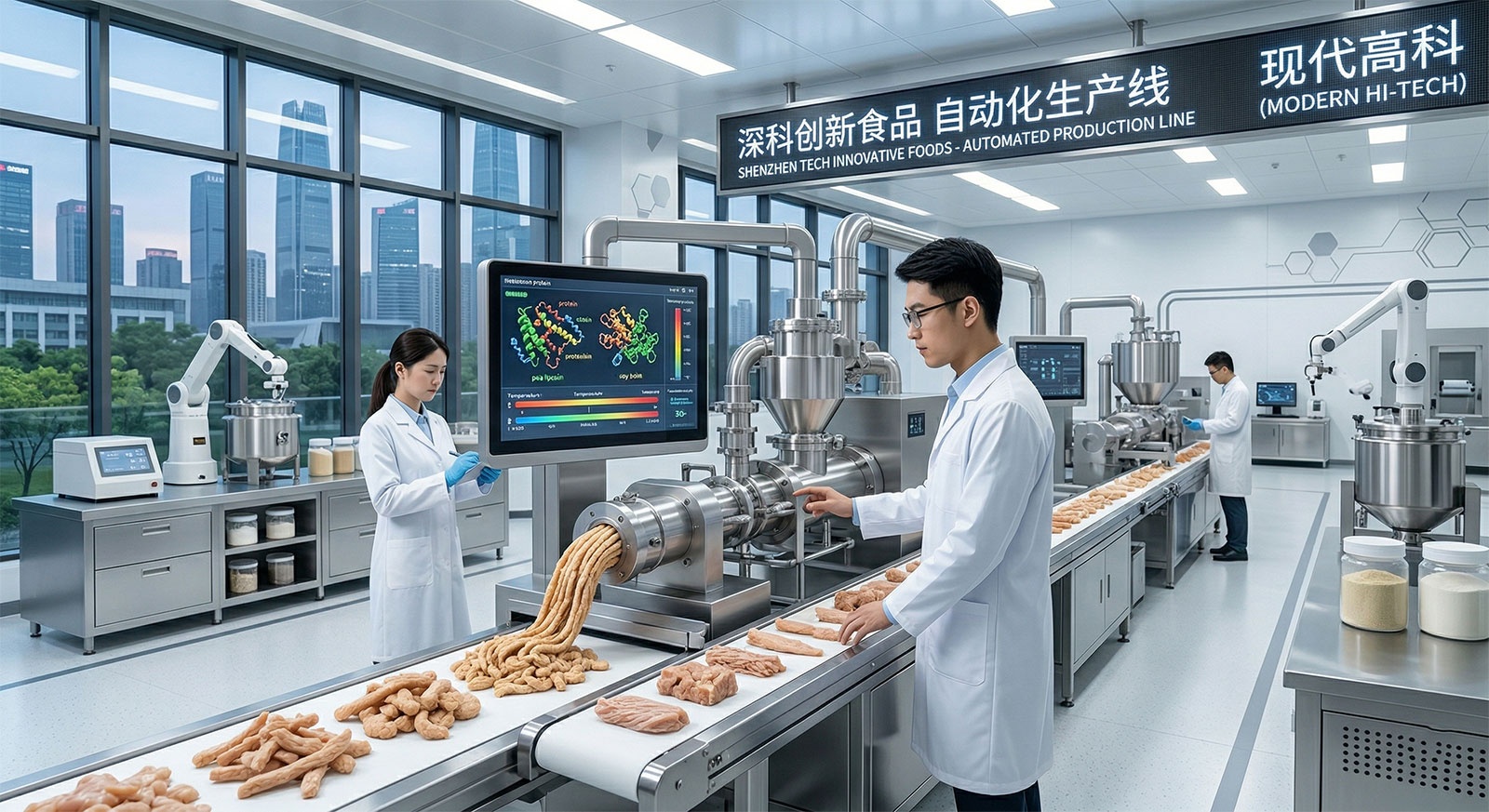
The techniques developed in these ancient kitchens have quietly migrated into China’s modern food labs. Today, in cities like Shanghai and Shenzhen, you can walk past a high-tech plant-based meat factory that looks less like a slaughterhouse and more like a pharmaceutical lab.
But the core logic remains Buddhist. The goal is to create a product that satisfies the craving for meat while eliminating the ethical cost of animal farming.
In 2019, Chinese giant Yihua Group launched a “mock duck” product that mimics the texture of roasted duck so closely that critics were fooled. The secret? A blend of wheat gluten and soy protein processed with high-moisture extrusion—a technique echoing the ancient method of stretching and layering dough.
According to market data, China’s plant-based meat market is expected to reach $10 billion by 2030. This growth isn’t just about health trends; it is a cultural renaissance driven by a thousand-year-old tradition.
Tasting the History
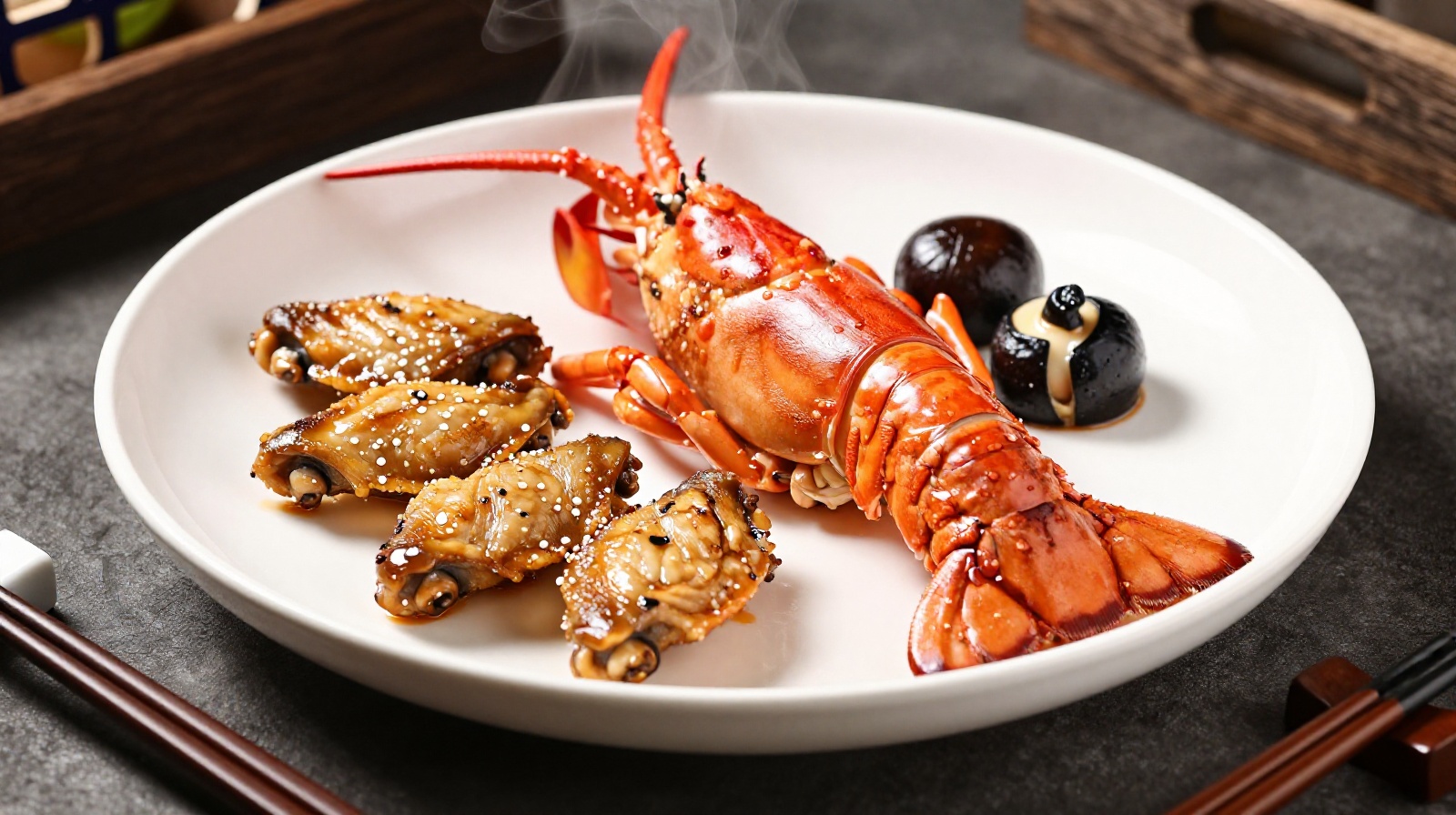
If you visit a traditional Buddhist restaurant in Beijing or Chengdu today, the menu will read like a puzzle. Look for “Braised Abacus Beans” (actually fried tofu strips), “Lobster” made from konjac jelly and seaweed extract, or “Chicken Wings” crafted from mushroom stems.
The sensory experience is distinct. The texture of gluten-based “pork” has a unique elasticity, slightly chewier than real meat but lacking the fatty juiciness until the right marinade hits. The smell of roasted mushrooms provides a deep umami that replaces the savory punch of animal fat.
For the modern diner, this is more than just food; it is a lesson in patience and creativity. It proves that restriction can be the mother of invention. In a world where climate change and ethical concerns are driving a shift away from animal products, the monks’ ancient solution offers a blueprint for the future.
As one young chef in Hangzhou puts it: “We aren’t just copying meat. We are showing that plants have their own soul, if you know how to listen.”