

A Market Full of Voices
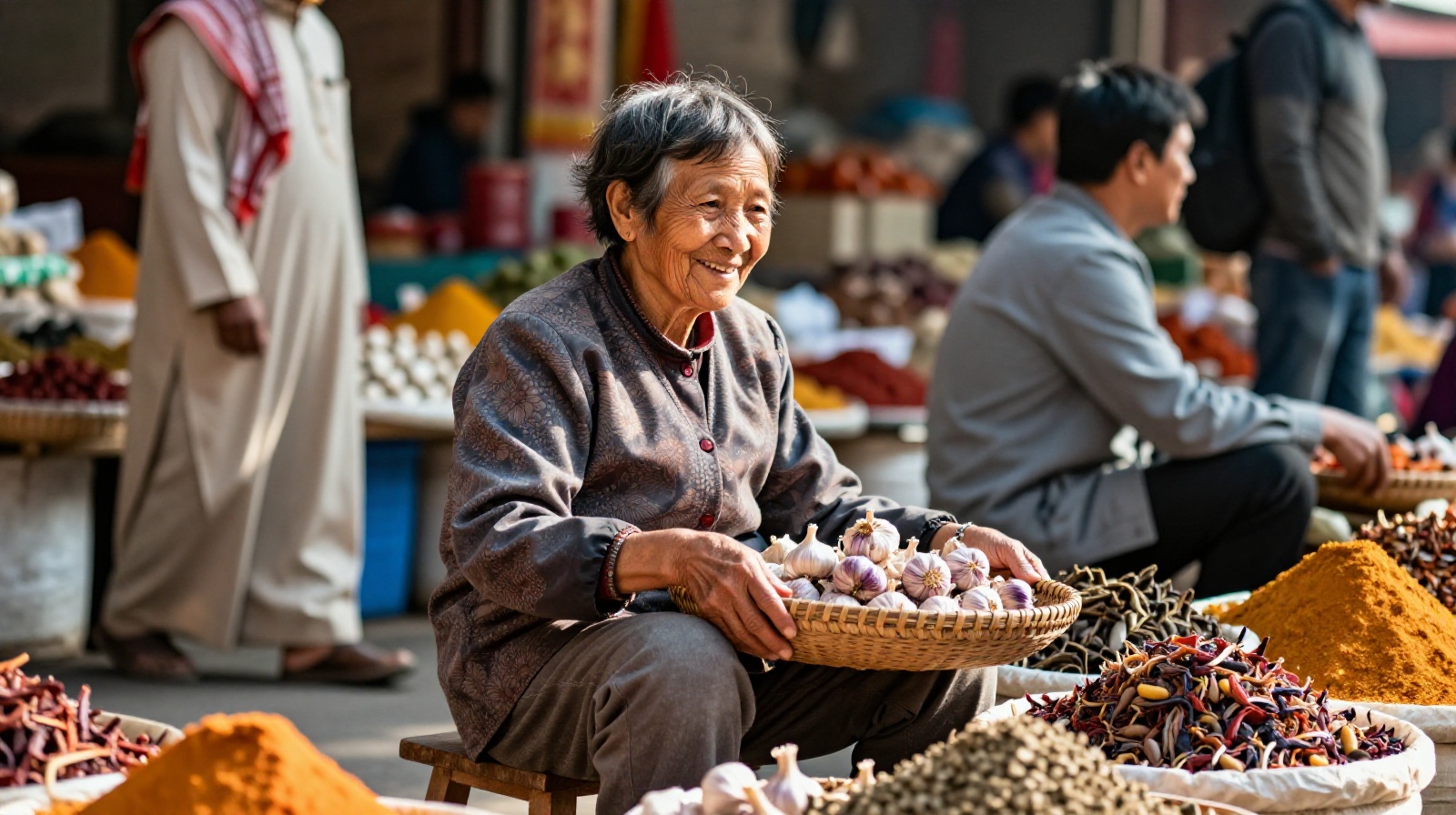
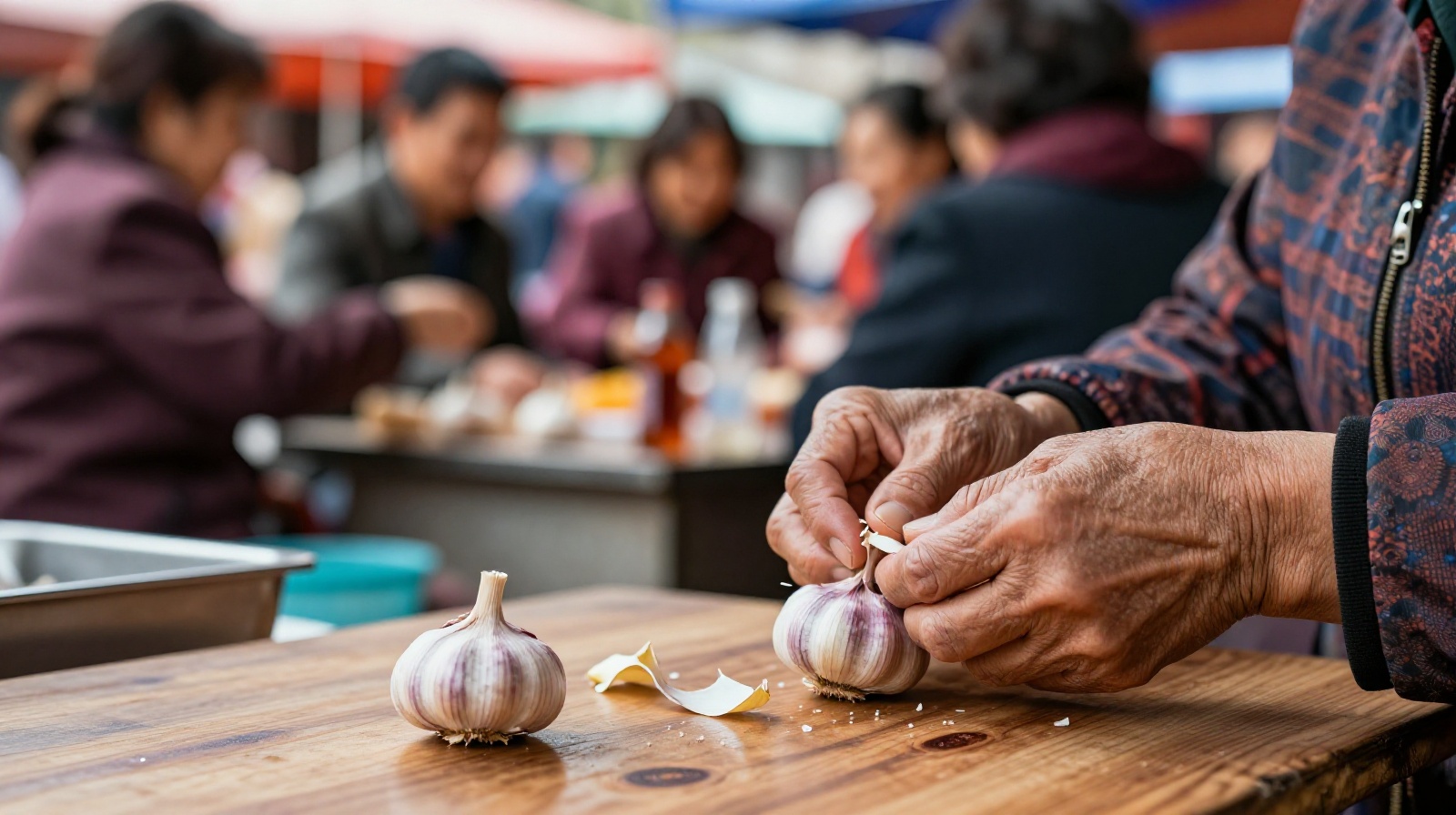
The morning sun hits the wet pavement of a market in Yunnan province. Amidst the noise of shouting vendors and clattering baskets, I spot Grandma Li. She is sitting on a low stool, peeling garlic with surprising speed. At 72, she has spent over fifty years here, but unlike most retirees, her desk isn’t filled with crossword puzzles. It’s filled with customers.
“Good morning,” says a tourist from France. “Bonjour,” Li replies instantly, switching to perfect French before asking about his luggage.
Then comes a local minority trader speaking Dai, followed by an ethnic Hui man using Mandarin mixed with Arabic loanwords. Li nods, responds in kind, and closes the deal on a bag of dried mushrooms. She speaks eight languages fluently: Chinese dialects, English, French, Russian, Burmese, Thai, Lao, and Vietnamese.
Here is the twist: Grandma Li never went to school. Her parents died when she was young, and poverty meant education was a luxury she could not afford. Yet today, she is one of the most multilingual people in this border town.
This isn’t a story about a prodigy born with magic genes. It is a story about survival, curiosity, and a community that refused to let anyone be left behind.
Learning Without Books
In many Western countries, language learning is often associated with classrooms, textbooks, and expensive apps. We think of people in suits sitting at desks, memorizing grammar rules. For Li, learning looked completely different.
Born into a border region where China meets Southeast Asia and South Asia, her neighborhood was a natural crossroads. Her first language wasn’t taught; it was heard. As a child, she listened to traders from neighboring villages while selling vegetables in the morning.
“I didn’t have a dictionary,” Li tells me, laughing as she wraps some tea leaves in paper. “I had ears. If I wanted to sell my garlic for a better price, I had to understand what the buyer was saying.”
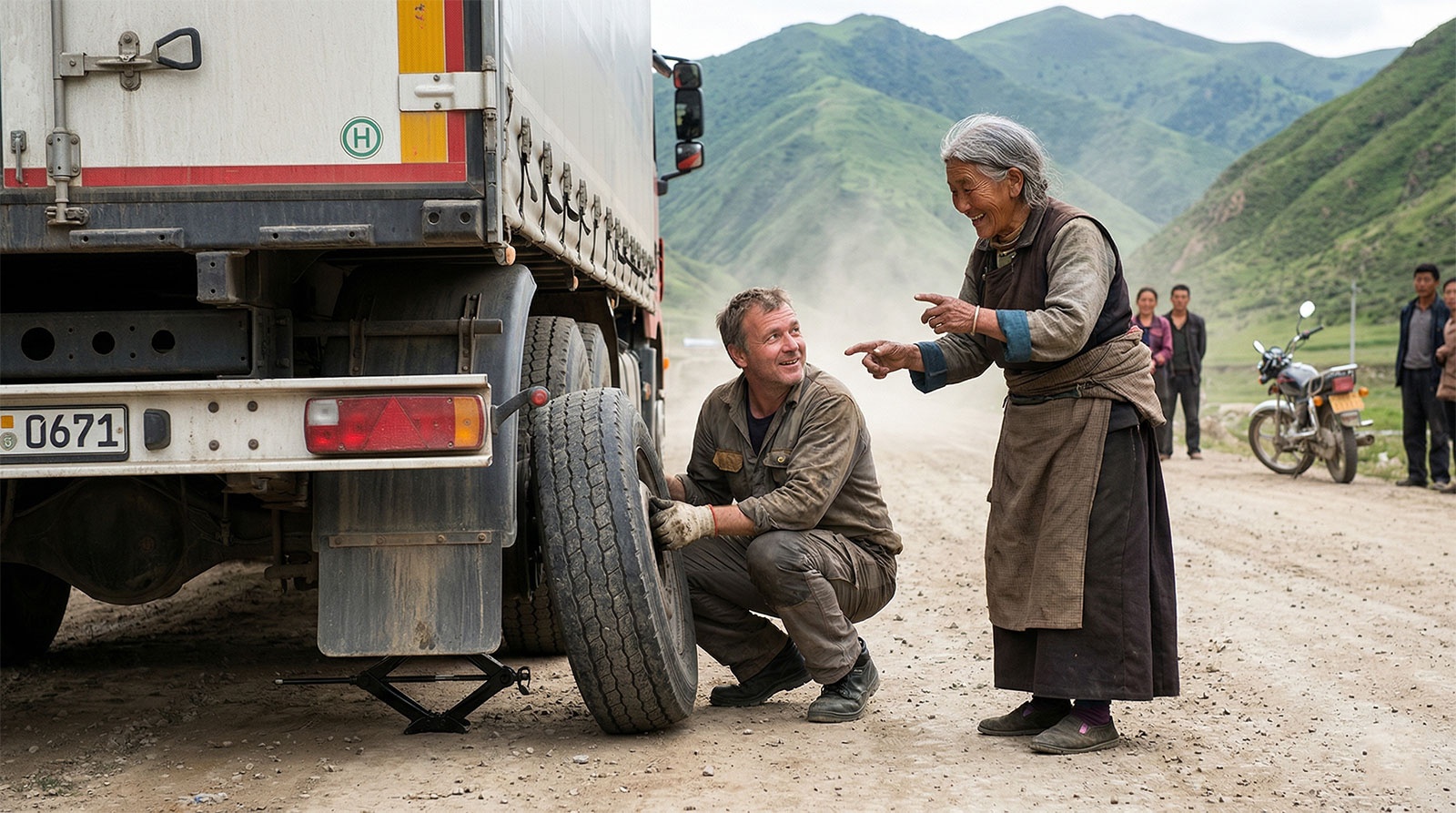
She learned by doing. When a Russian truck driver got stuck nearby with a flat tire, Li helped him fix it using broken gestures and a few borrowed words. Over months of helping neighbors move goods across the border, her vocabulary grew organically.
This method contrasts sharply with formal education systems where students might study English for ten years but struggle to order a coffee. For Li, every conversation was a lesson, and every miscommunication was a chance to improve. There were no grades, no tests, just the immediate reward of being understood and making a living.
The Community as a Classroom
What makes this story so compelling is that Li’s languages are not just skills; they are bridges. In her town, people from different ethnic groups live side by side. Sometimes traditions clash, but language often softens the edges.
Li has become an unofficial community leader. When a dispute arises between a Thai farmer and a local merchant over water rights, it is Li who steps in to translate and mediate. She doesn’t just translate words; she explains cultural context. “In Thailand, they don’t like direct refusal,” she explains with a wink. “So I tell the merchant: ‘Ask him if he wants tea,’ which means ‘Maybe we can talk about this later.'”
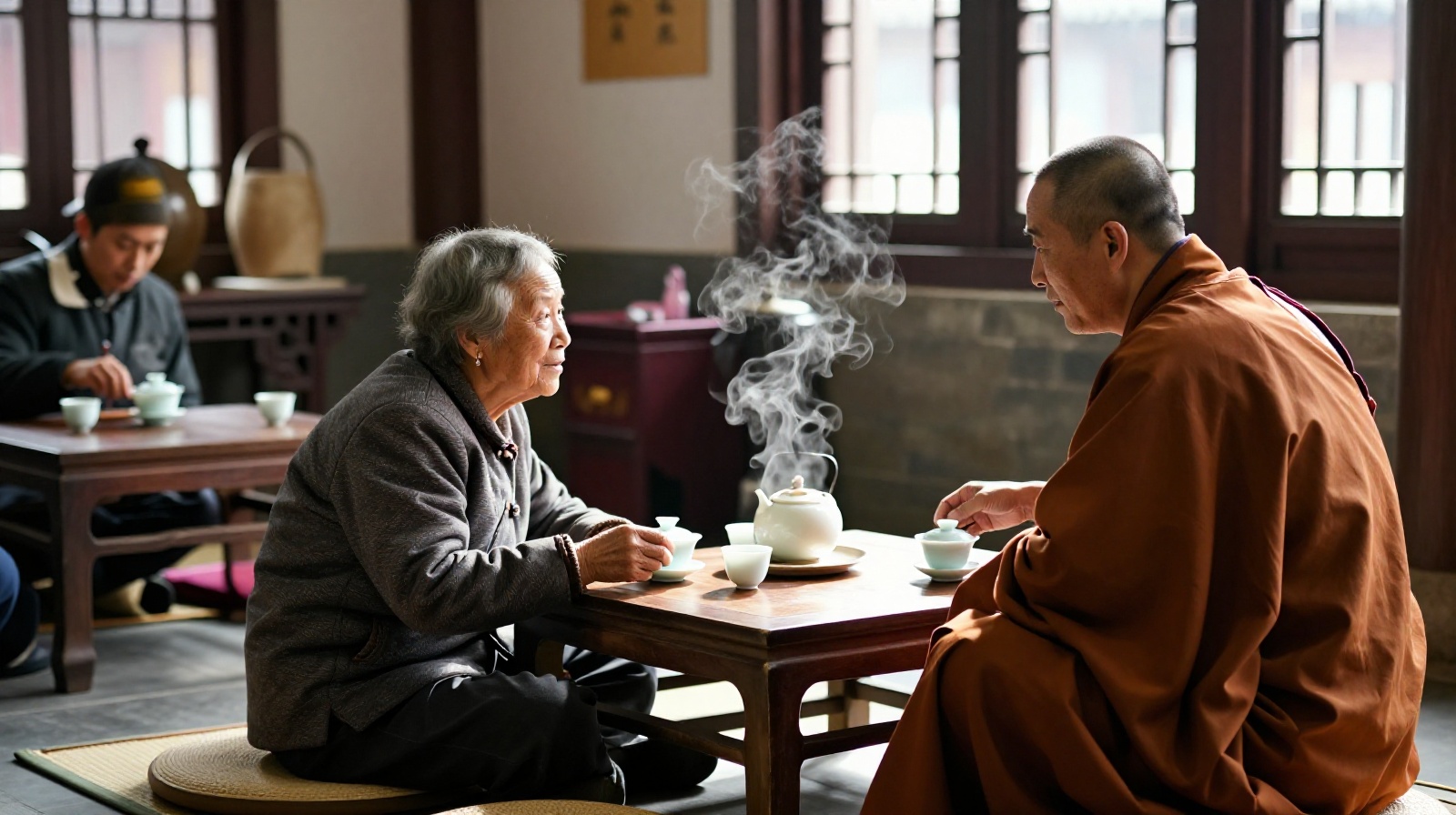
Her ability to speak eight languages has turned her into a lifeline for tourists and traders alike. Last month, a young backpacker from Germany got lost in the mountains. He couldn’t find his way back, and no one else spoke German. Li found him near a temple, drinking tea with an elderly monk who only spoke Lao.
“She talked to the monk first,” the tourist told me later, eyes wide. “Then she explained my problem to the locals. She made everyone feel safe.”
This highlights a unique feature of Chinese border communities: flexibility. In major cities, people might stick to their own language circles. But here, necessity drives adaptation. The environment forces ordinary people to become linguists.
Redefining Education
Does Li’s story mean formal school is useless? Absolutely not. In China, education has lifted millions out of poverty and built the world’s largest economy. Schools are essential for science, engineering, and complex theory.
However, Li’s experience challenges our narrow definition of “intelligence.” She didn’t learn from a curriculum; she learned from life. Her brain was trained by the constant need to adapt to new faces, accents, and cultures.
In today’s world, where AI can translate languages instantly, one might ask: why does this matter? It matters because Li’s language is human. She uses tone, humor, and cultural nuance that machines miss. She understands when someone is shy or angry without them saying a word.
Her story also reminds us that learning doesn’t stop at age 15. In many parts of China, older adults are now taking online courses to learn coding or finance. But Li shows that lifelong learning can happen in the most unexpected places: on a market stall, while fixing a tire, or chatting over tea.
She is proof that wisdom doesn’t always wear a graduation cap. Sometimes, it wears an apron and has calloused hands.
A Legacy of Connection
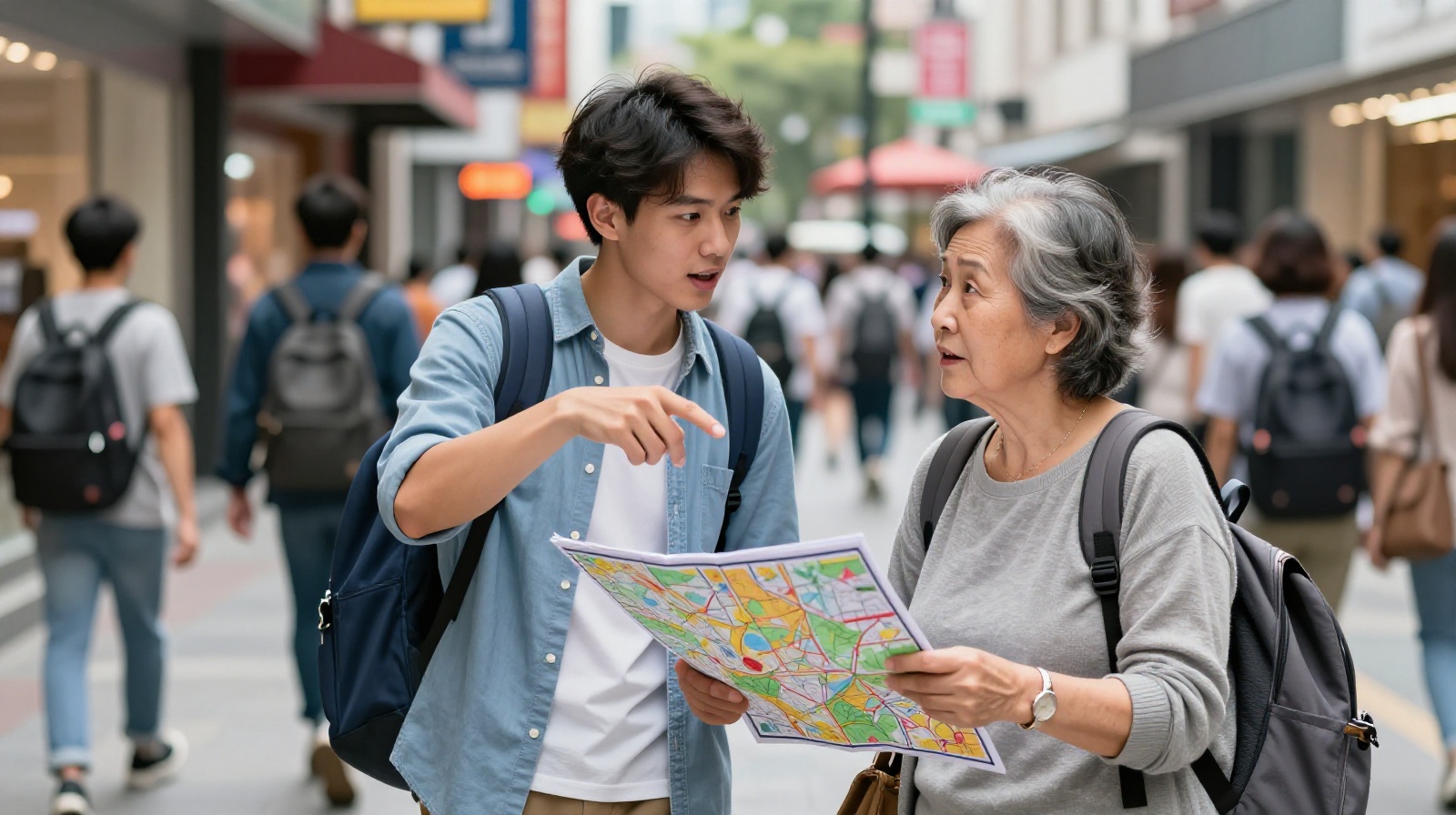
As the market day winds down, Li packs up her remaining goods. A young university student approaches her, asking how to learn languages without spending money on tutors.
“Go out there,” Li points to the bustling street. “Talk to people. Make mistakes. Listen more than you speak.”
It is a simple piece of advice, yet it holds the key to her success. In a world often divided by borders and misunderstandings, Grandma Li represents a quiet revolution: the power of ordinary people to connect across differences.