


Where Ancient Myths Meet Modern Code
The air in this small office smells faintly of Sichuan peppercorns and stale coffee. It is just past midnight, but the lights are still on. Outside the window, the neon signs of a 24-hour hotpot restaurant flicker against the humid night sky. Inside, Li Wei, a former architecture student turned game designer, doesn’t look tired. He is staring at a monitor where a digital fox spirit with nine shimmering tails is leaping across a moonlit Jiangnan village.
This is not just another office in Chengdu, often called China’s ‘Silicon Valley for Games.’ It is a hub of quiet ambition. While the city outside is famous for its pandas and slow-paced tea culture, this room hums with the intense energy of independent developers trying to break into the global market on Steam.
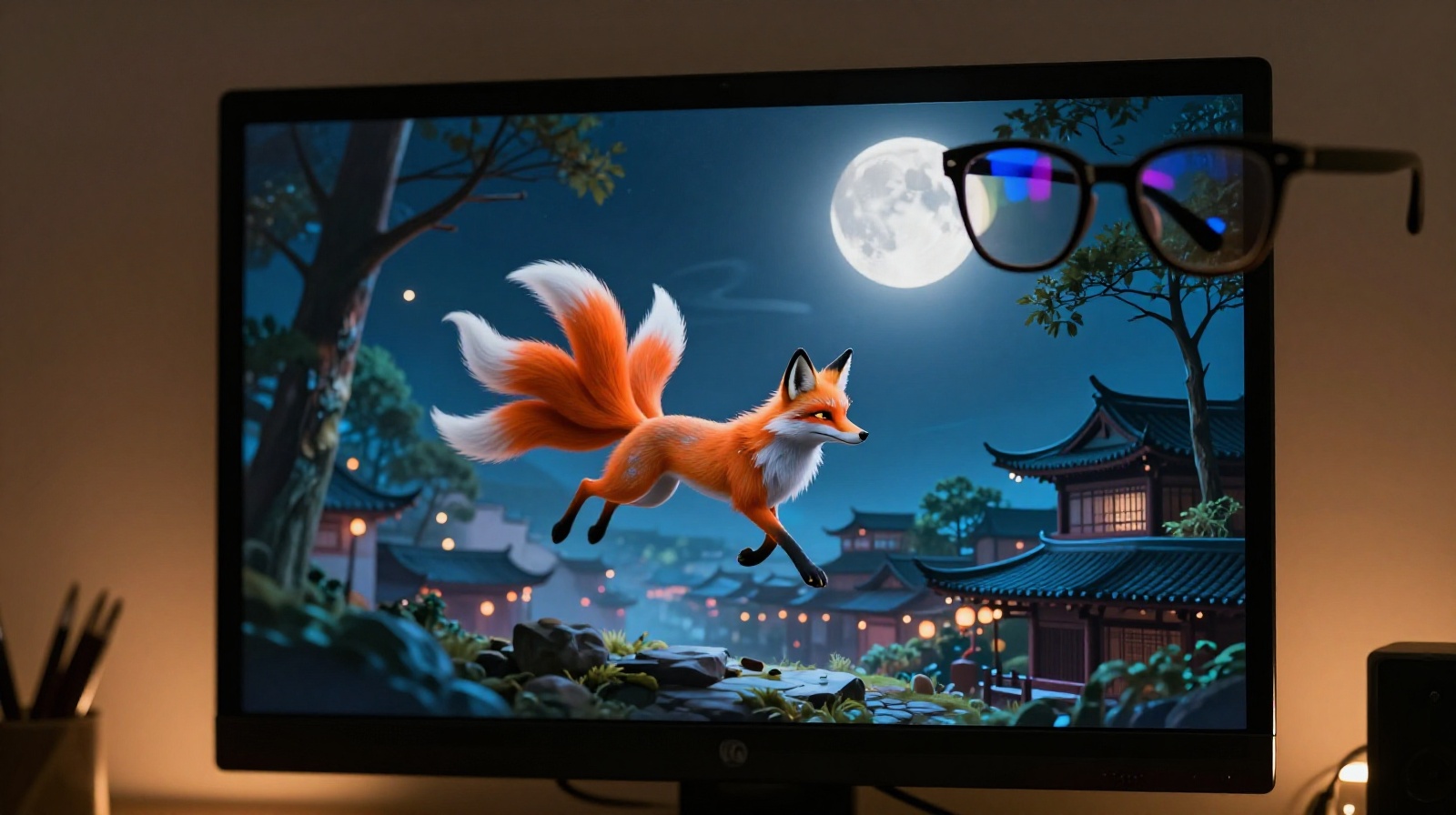
For years, the stereotype of Chinese gaming was dominated by mobile ‘gacha’ games or mass-market MMORPGs. But a shift is happening in Chengdu. Here, a small team can start with nothing more than a laptop and an idea inspired by local folklore.
From a Garage to a Global Stage
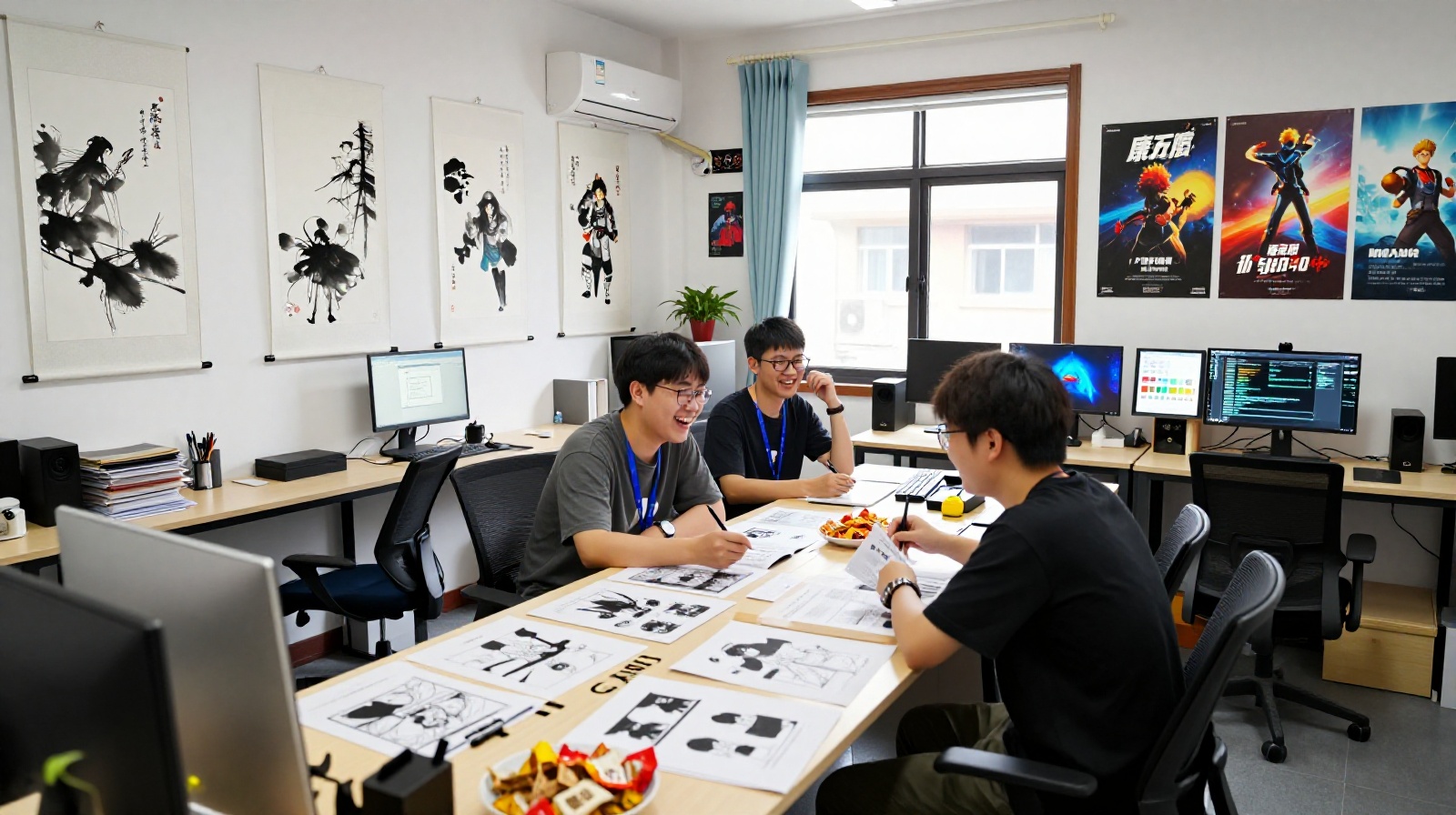
Ten years ago, the concept of an indie game studio in a rented apartment in Chengdu would have seemed like a fantasy. Today, it is a common sight. Take the story of ‘Shadow Realm,’ a team of three friends who met at a local university’s computer club.
They started their project in a cramped garage behind a noodle shop, surviving on instant noodles and sheer determination. Their game, ‘The Jade Phoenix,’ draws heavily from Chinese mythology but uses modern mechanics that appeal to Western audiences. It features hand-painted watercolor textures inspired by Song Dynasty paintings and a soundtrack blending traditional guzheng with ambient electronic beats.
When they first launched on Steam three years ago, the numbers were small. But word of mouth spread among niche communities. Today, ‘The Jade Phoenix’ has over 200,000 players from 50 countries, earning a “Very Positive” rating. The team is no longer eating instant noodles; they have moved to a spacious studio in the Tianfu Software Park.
Cultural Roots as a Competitive Edge
What makes these games stand out on a crowded platform like Steam? It’s the authenticity. Developers here aren’t just copying Western templates; they are mining their own rich history for unique narratives.
In China, stories of gods, monsters, and historical heroes are part of everyday life. A developer in Chengdu might grow up hearing tales of Journey to the West or The Investiture of the Gods. Now, they have the tools to turn those ancient stories into interactive experiences.
Unlike many Western games that focus on individual heroism, Chinese indie titles often explore themes of harmony, destiny, and the intricate relationships between humans and nature. This cultural perspective offers a fresh narrative style that global players are increasingly craving.
The Future is Local
The success of Chengdu’s indie scene signals more than just economic growth; it represents a democratization of creativity. In the past, high-end game development required massive corporate budgets. Now, a single talented coder and artist in Chengdu can compete with studios from New York or Tokyo.
This shift is reshaping what “global gaming” looks like. It’s no longer a one-way street where Western games dominate Chinese screens. Instead, we see a cross-pollination of ideas. Players in London are now discussing the moral dilemmas in a game set in ancient China just as they would for a fantasy epic from Europe.

As the sun rises over Chengdu’s skyline, casting long shadows across the city’s parks and streets, these developers are already planning their next project. They are confident that the world is ready to listen. The future of gaming isn’t just about better graphics or faster processors; it’s about bringing diverse voices to the table.
For Chengdu’s indie creators, the screen is not a barrier; it is a bridge. And through it, they are connecting their local stories to a global audience, one pixel at a time.