
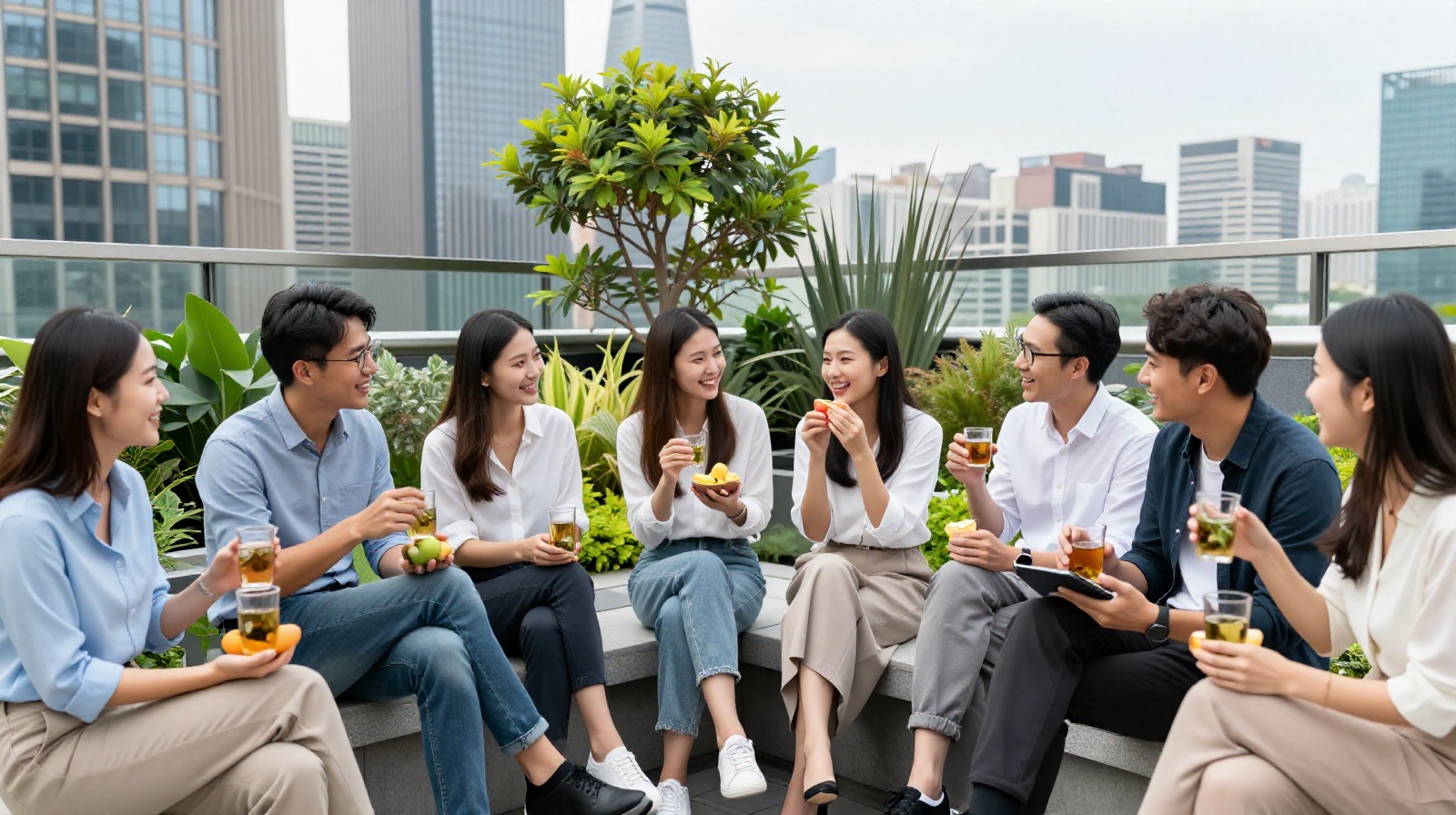

Introduction: Shattering the Stereotype
If you ask a person in London or New York about “Chinese sweetness,” their mind might immediately jump to bubble tea, sugary pastries, or overly sweetened stir-fry. For years, Western media has painted China with a brush of exotic desserts and hyper-sweet flavors. But if you step off the tourist bus in Shanghai, Chengdu, or even a quiet neighborhood in Xi’an, you’ll find that this image is fading fast.
Today’s Chinese reality is far more nuanced. The “sweetness” people are talking about isn’t just on their tongues; it’s a shift in values, health priorities, and how generations define happiness. It’s not that sugar has disappeared—it’s that the definition of what makes life “sweet” has evolved beyond the simple consumption of desserts.
The Real Meaning of ‘Tian’: Health Over Indulgence
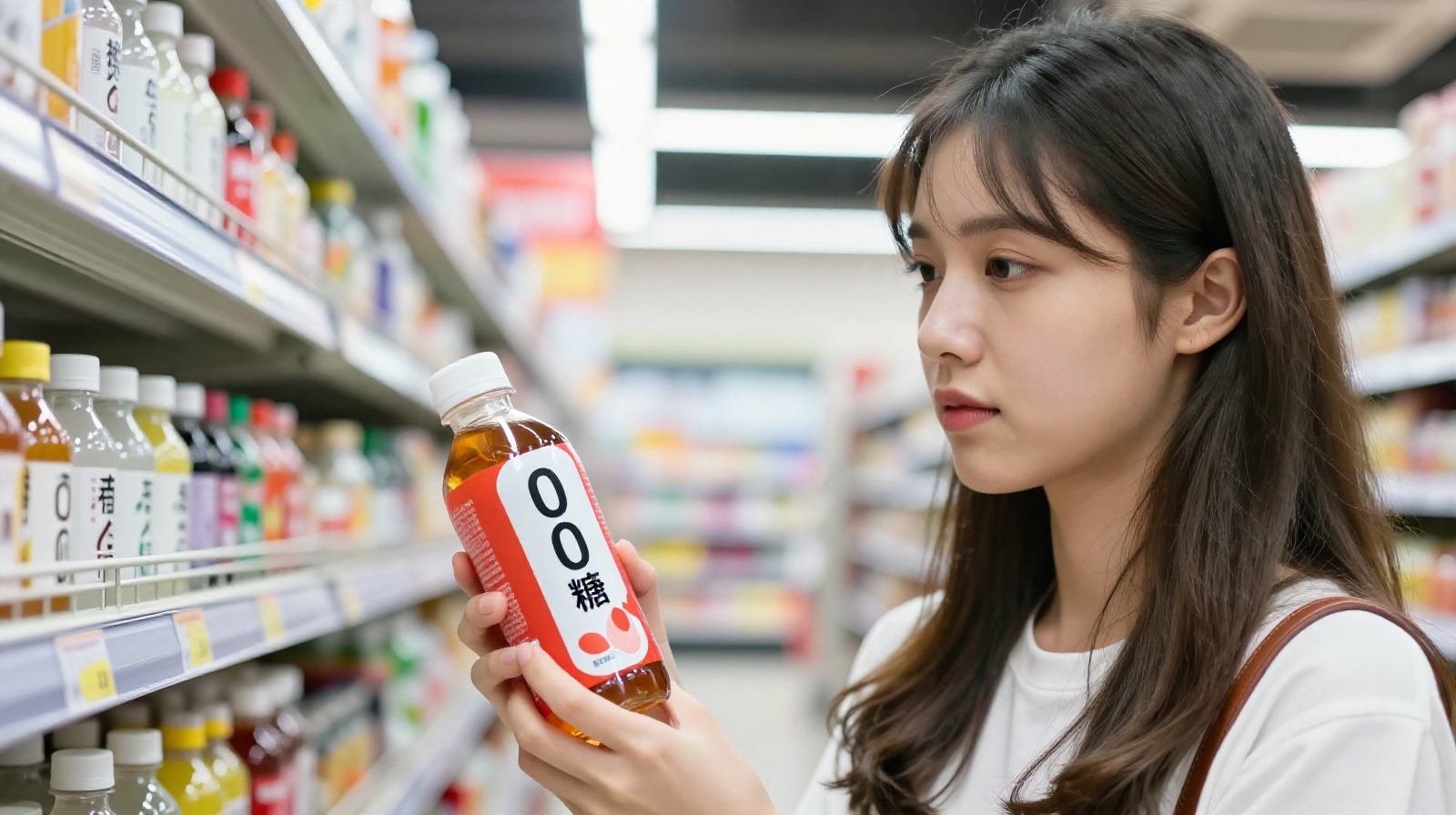
In Chinese culinary philosophy, tian (sweet) used to signal abundance and celebration. Today, for millions of ordinary people, it signals a different kind of balance. The most striking change you’ll notice in local supermarkets is the explosion of “0 sugar” or “low GI” labels on drinks and snacks. This isn’t just a trend; it’s a lifestyle shift driven by a generation that grew up during China’s rapid economic boom and now prioritizes long-term health.
Take Li Wei, a 29-year-old software engineer in Hangzhou. Like many of his peers, he used to buy sweet milk tea daily. Now, he brings a thermos of green tea from home or buys “sugar-free” versions of popular drinks at convenience stores like FamilyMart. He tells me, “We don’t hate sweet flavors anymore; we just don’t want the crash that comes with too much sugar. We want to stay sharp for our work and life.”
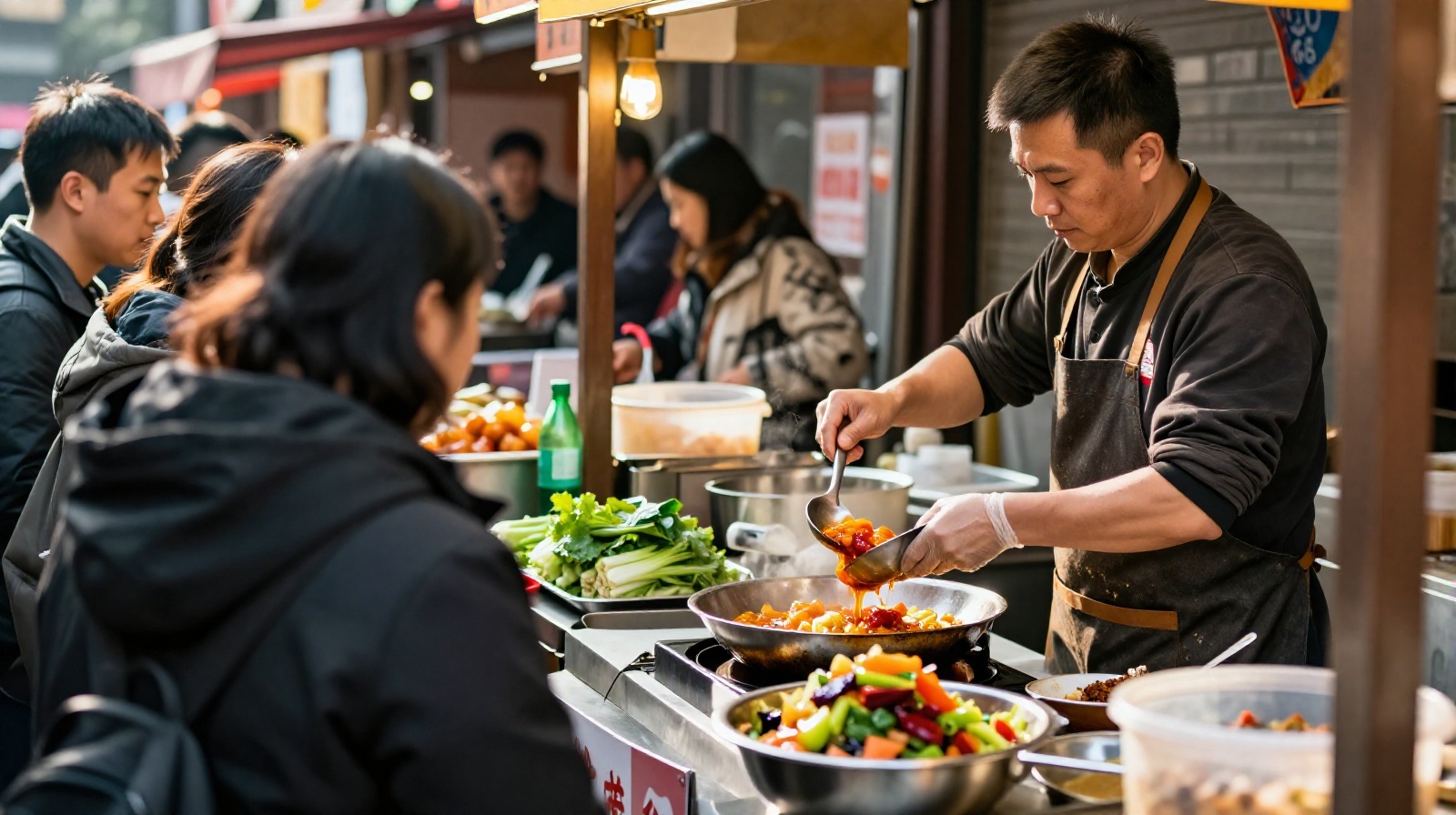
This shift is visible everywhere. In traditional markets, vendors are swapping heavy syrups for natural fruit infusions. Even iconic dishes like Peking duck or braised pork, which once relied on rock sugar for glaze, are seeing menus adapt with reduced sweetness to suit modern palates. The “sweetness” in Chinese culture is becoming less about filling the stomach and more about sustaining energy.
Urban Sweetness: Comfort Without the Clichés
Walking through a modern Chinese city like Shenzhen or Hangzhou, you might expect to find endless rows of high-sugar cafes competing for attention. Instead, you’ll see a different kind of “sweet” emerging in public spaces. The urban landscape is filled with community gardens, shared libraries, and parks where people gather not just to eat, but to connect.
In these cities, sweetness has migrated from the plate to the experience. Consider the rise of “community kitchens” in residential compounds—shared spaces where neighbors cook together using fresh, local ingredients. Or look at the digital convenience: apps allow people to order fresh, healthy meals from neighborhood restaurants with a tap, delivering food that tastes authentic without the excessive sugar often found in fast-food chains.
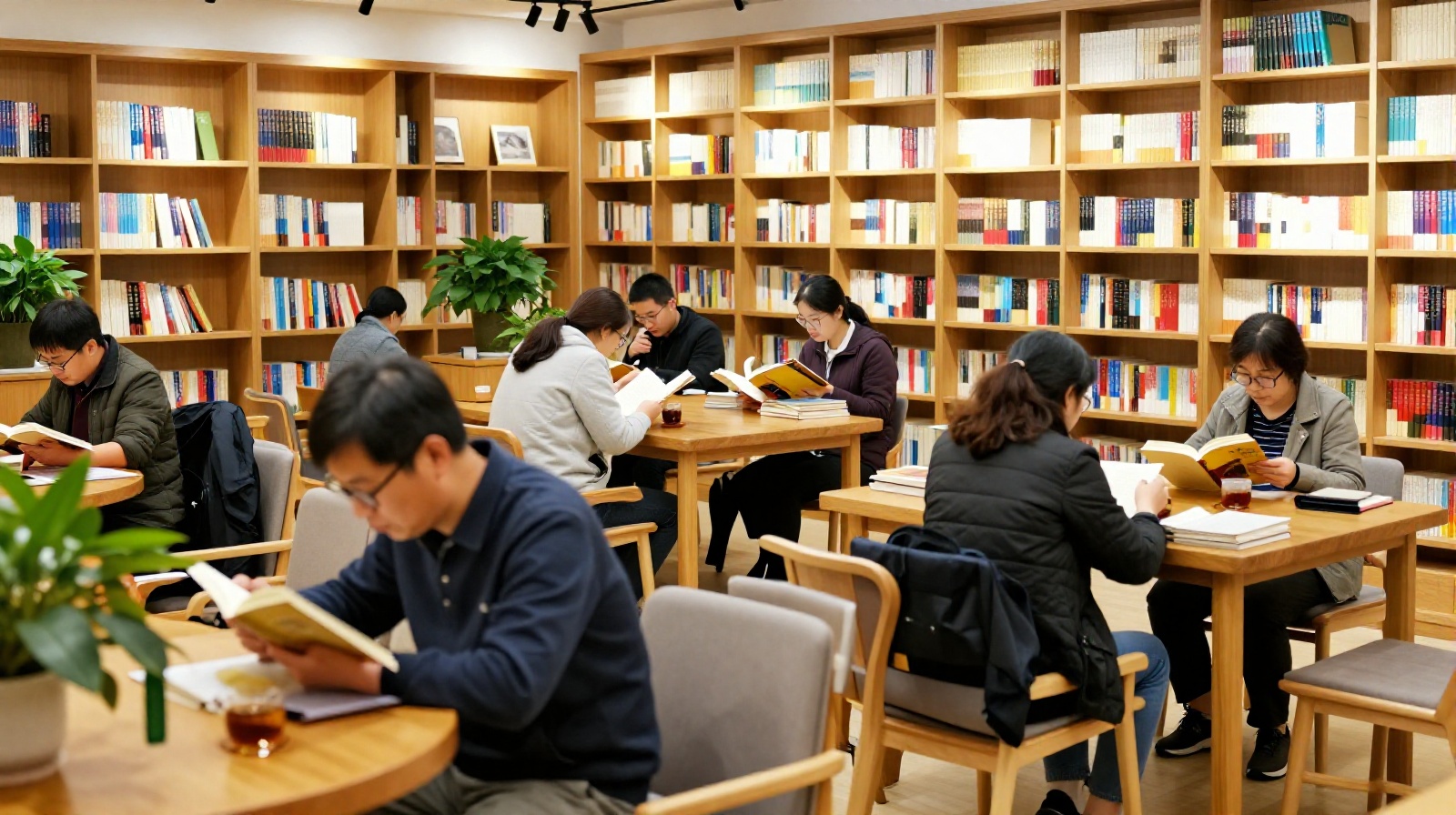
This isn’t about rejecting Western-style cafes; it’s about creating spaces that fit the Chinese rhythm of life. You’ll find cozy bookstores where you can sip unsweetened herbal tea while reading, or rooftop gardens where young professionals grow their own vegetables. The “sweetness” here is in the calm, the efficiency, and the sense of community—a comfort that doesn’t rely on a sugar rush.
Generational Shifts: Redefining Happiness Beyond Materialism
The most profound change is happening among China’s youth. For the post-90s and post-00s generations, happiness isn’t defined by owning more things or indulging in sugary treats as a sign of wealth. Instead, they are redefining success through experiences, mental well-being, and sustainable living.
I spoke with Zhang Min, a 24-year-old artist in Chengdu. She grew up in an era where eating whatever was available was a celebration. Now, she focuses on “mindful consumption.” Her weekends aren’t spent at crowded dessert shops; they are spent hiking in the nearby mountains or attending low-cost art workshops. “We don’t need to prove our happiness with sugar anymore,” she says. “Real happiness is having time for yourself and feeling grounded.”
This generational shift is reshaping the entire food industry. Brands are launching products that emphasize natural ingredients, minimal processing, and transparency. It’s a move away from the “more is better” mentality of the past toward a culture that values quality over quantity. The “sweetness” for these young people is found in the freedom to choose what they eat, not just in the taste.

Global Connections: Shared Human Values
When we look beyond the stereotypes, we find that China’s evolving relationship with sweetness mirrors global trends. From New York to Berlin, people everywhere are questioning their sugar intake and seeking healthier alternatives. The difference is in the speed and scale of this change in China, driven by a unique blend of rapid urbanization, digital integration, and a deep cultural appreciation for balance.
What’s remarkable is how these changes reflect shared human values: the desire for health, community, and meaningful experiences. Whether it’s a grandmother in Beijing teaching her grandchild to appreciate the natural sweetness of fresh fruit, or a young professional in Shanghai choosing a sugar-free latte, the story is one of adaptation and growth.
China is not a monolith. It’s a vast, dynamic society where tradition meets innovation every day. The “sweetness” that defines modern China isn’t just a flavor on a menu; it’s a reflection of a people who are learning to balance their past with a future they are actively shaping.