
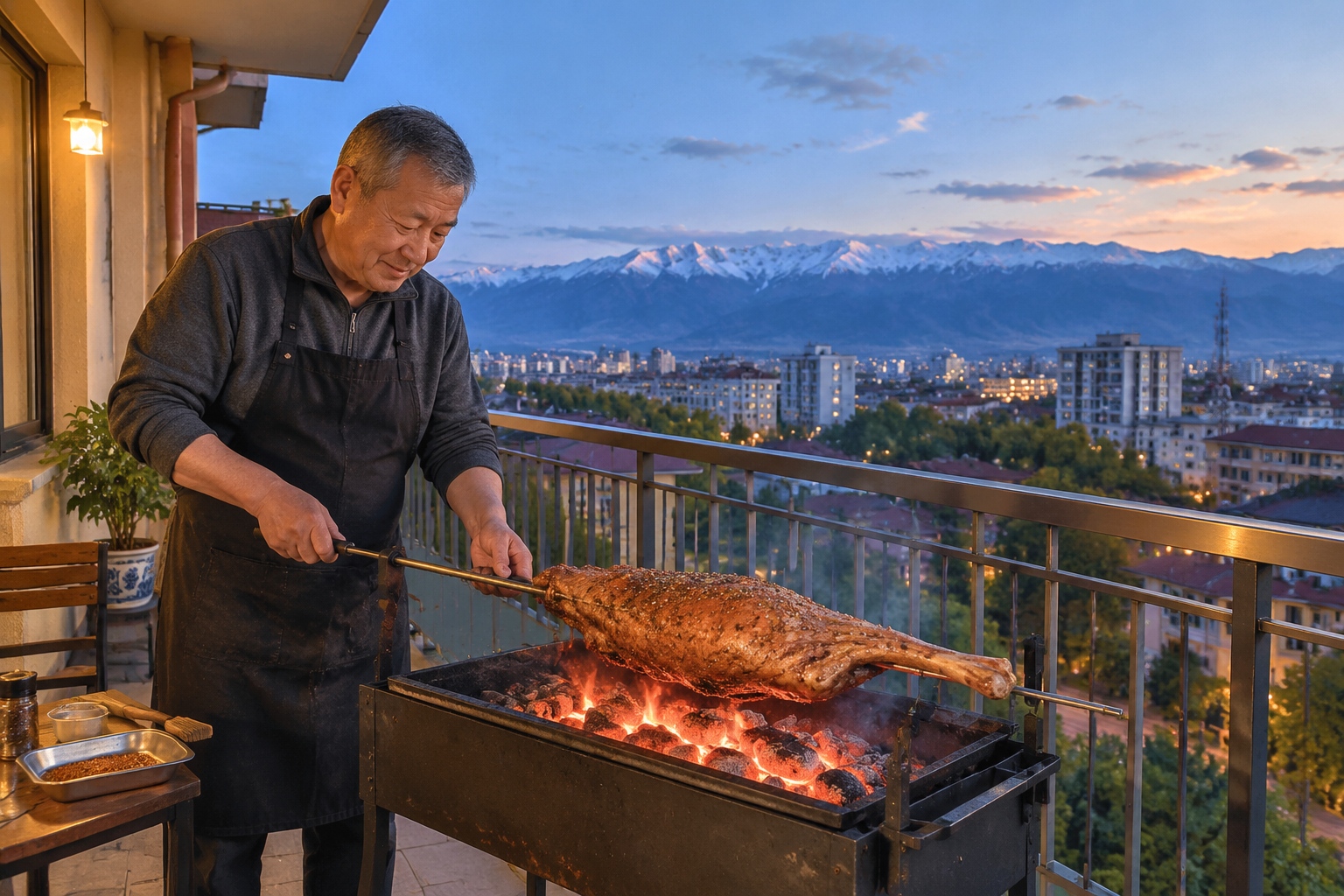

Evening in Xining: The Scent of Wood Smoke
Xining, the capital of Qinghai Province, sits at an altitude where the air feels thin and crisp. It is 6 PM on a Tuesday. In a semi-urban neighborhood near the city center, the smell of burning wood smoke drifts through the window of a second-floor apartment. Inside, Li Wei, a 45-year-old accountant, is turning a whole leg of lamb over an open flame in his backyard.
It isn’t a grand banquet for tourists. It is Tuesday night. The lamb is for his parents visiting from the countryside and his college-aged son who just got off work. “Lamb tastes better when it’s slow-roasted,” Li says, wiping sweat from his forehead. “But we make it every weekend now because my father loves it.”
For many outsiders, Qinghai is a land of endless grasslands and exotic nomadic tribes. But for the millions who live there in cities like Xining or rural towns like Menyuan, daily life is a blend of ancient high-altitude traditions and modern convenience. The food on their tables tells this story best.
Yak Yogurt: The Morning Fuel Beyond Exotic Snacks
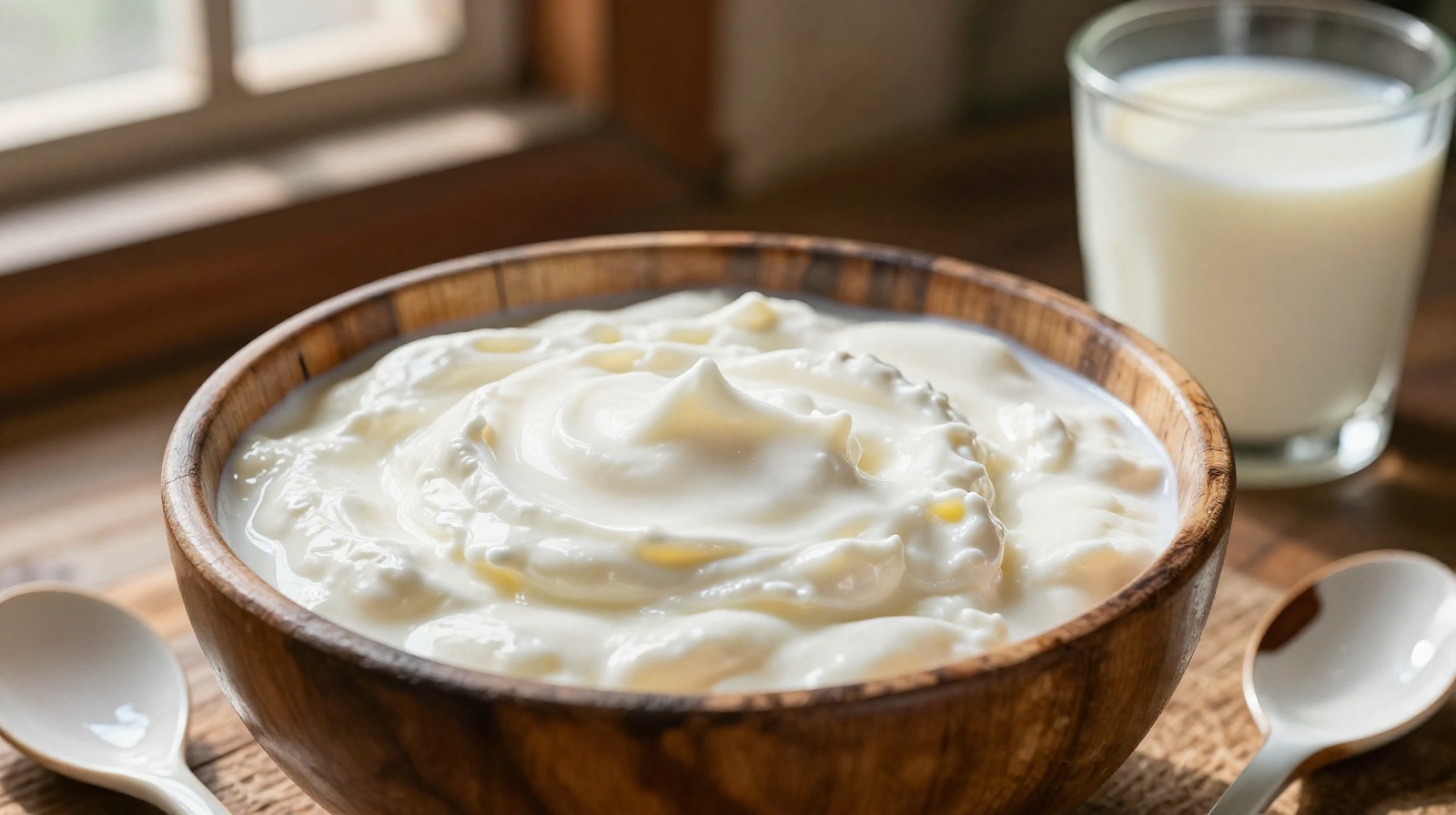
The day doesn’t start with coffee in Qinghai; it starts with sourness. In the cold mountain air, breakfast is often a bowl of thick, tangy yak yogurt.
Li Wei’s mother-in-law makes hers herself every morning. She boils fresh milk from her own herd, lets it cool slightly, and adds a spoonful of starter culture left over from yesterday. The mixture sits in a warm spot for 12 hours. When she scoops it out the next morning, it is dense enough to stand on a spoon, with a sharp, tangy flavor that cuts through the richness of the day.
For locals, this isn’t just a snack; it’s medicine and fuel. The high altitude makes digestion difficult for some. Yak yogurt, rich in probiotics, helps regulate the stomach. It is also packed with protein and calcium, essential for those living at 2,000 to 4,000 meters where sunlight can be intense but nutrition sources historically limited.
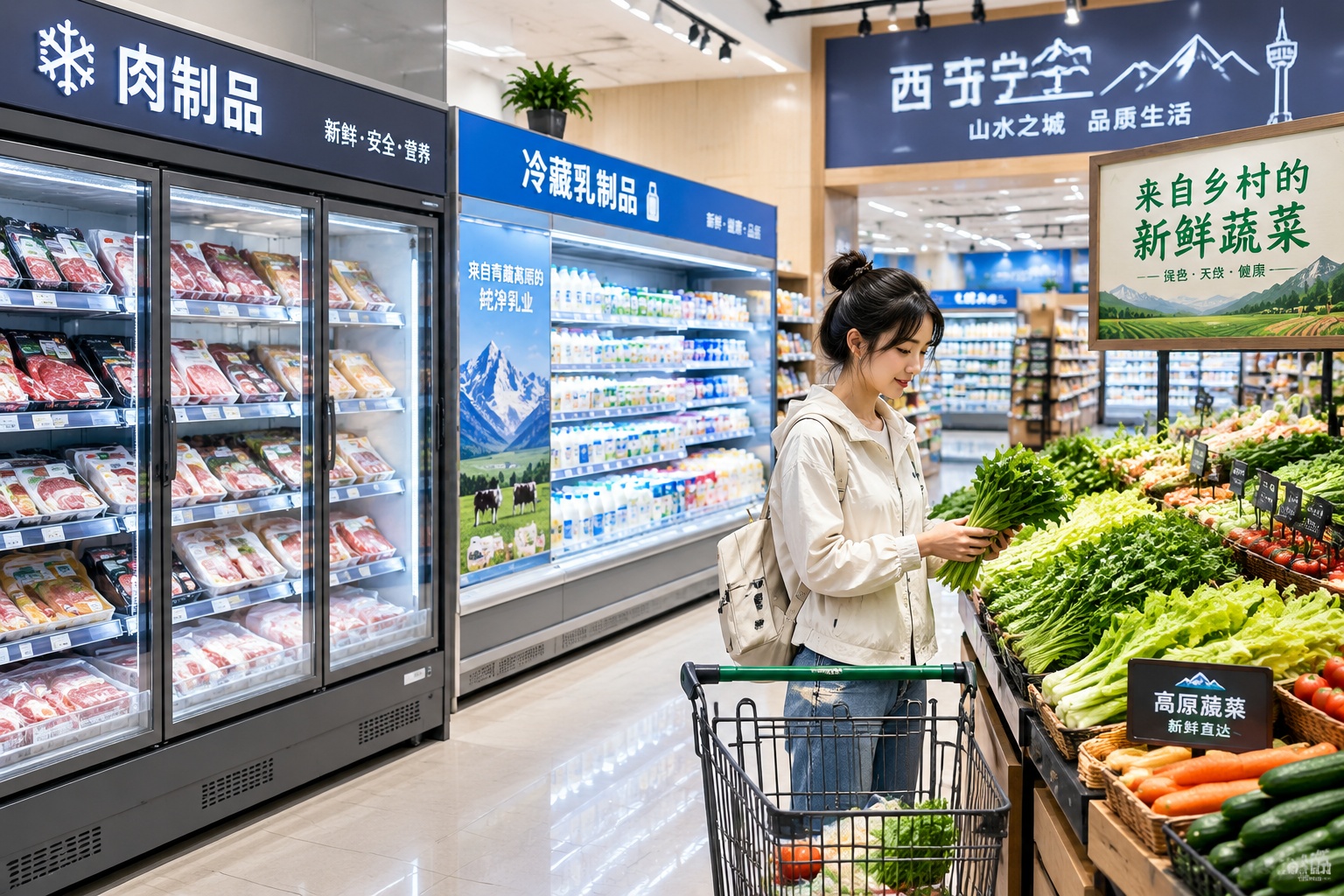
Today, you can buy bottled yak yogurt in any supermarket in Xining, chilled in plastic cups next to American-style cereal. But locals still prefer the homemade version. The texture is different—less sweet, more acidic—and it carries a memory of the herd that raised the cow.
Roasted Lamb: The Social Glue of Trust and Community
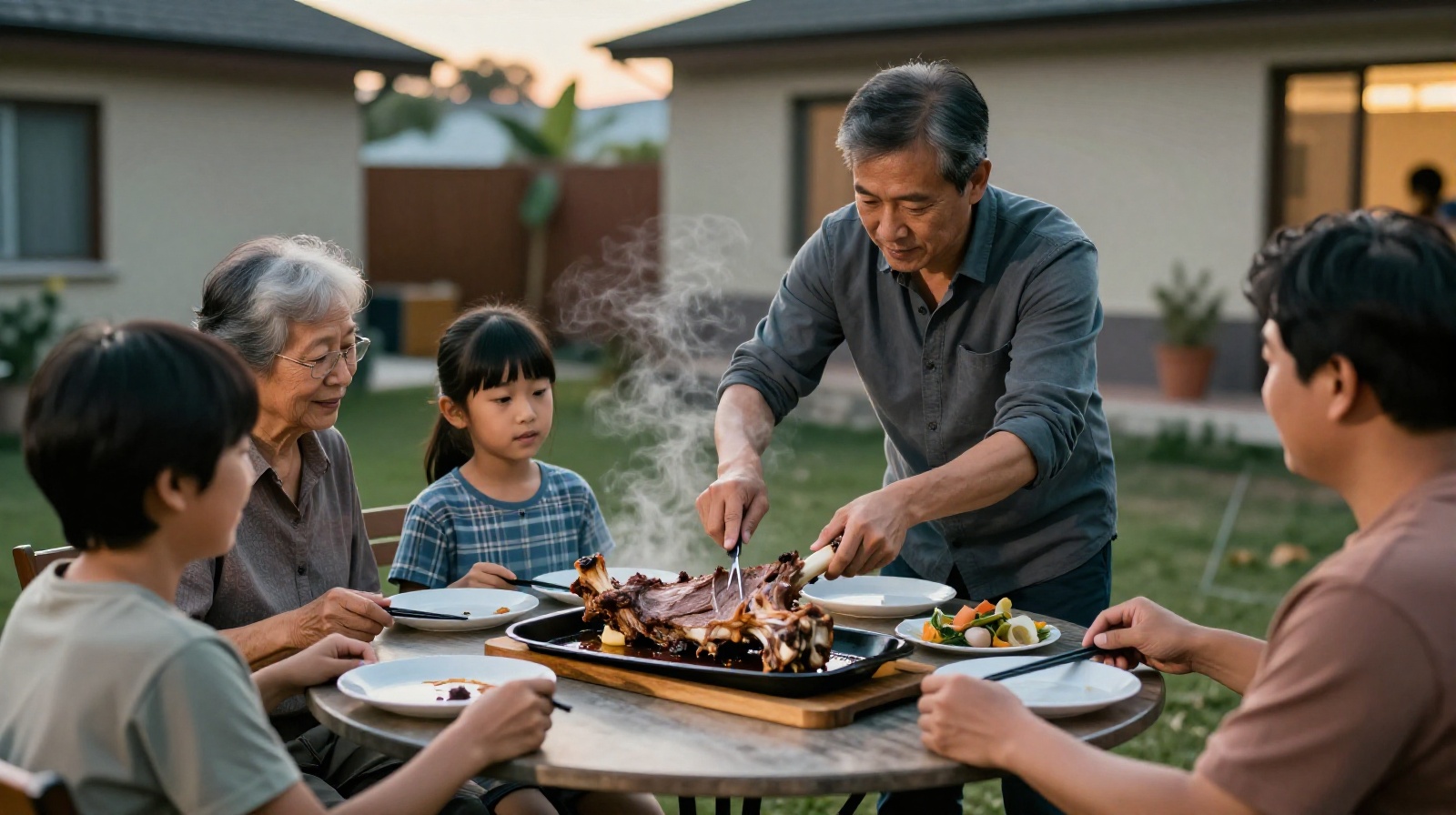
If yogurt is for the body, roasted lamb is for the heart. In Qinghai culture, serving a whole leg of roasted lamb to a guest is not just about providing food; it is an act of trust.
In the backyard kitchen, Li Wei uses a traditional method where the meat cooks slowly over charcoal, basted with cumin and salt. The skin turns golden brown and crackles as fat renders. When the meat is tender enough to slide off the bone with a gentle pull, it signals that the host has cared for the guest.
This tradition dates back centuries among Tibetan and Hui communities in the region. Historically, sharing a meal required safety; if a stranger ate your food, you were responsible for them. Today, that social contract remains. When Li serves the lamb to his parents, he cuts the first piece of meat from the shoulder—the most prized part—and places it on their plates.
“You don’t just eat,” says Li’s father, a retired teacher who grew up in the mountains. “You talk. You share stories about the harvest or the weather. The food brings us together so we can remember who we are.”
Modern Shifts on the Plate: Technology and Tradition Meet
The landscape of Qinghai is changing, and the plates reflect it. Ten years ago, a family in Xining might have relied entirely on preserved meats and seasonal vegetables. Today, refrigeration has changed everything.
Li’s son, who works in IT, uses delivery apps to order fresh produce from distant provinces or even imported fruits like apples from Shaanxi. The local farmers’ markets now sell vacuum-packed lamb chops and pre-marinated meat that cooks in minutes. This is the result of China’s massive infrastructure improvements—high-speed rail connecting rural farms to urban centers.
Yet, the core remains. While young people might prefer a quick stir-fry or a bowl of noodles for lunch, the weekend ritual of roasting lamb and making yogurt persists. It is a way to ground themselves in a fast-changing world. “We have smartphones and electric cars,” Li says, pointing to his new vehicle parked outside. “But we still need that wood fire to make our food taste right.”

The Philosophy of ‘Enough’: Reality vs. Expectation
Tourists often expect Qinghai to be a frozen tableau of nomadic life, where every meal is a grand feast of mutton and milk tea served in yurts. The reality is more grounded.
Most families eat simply during the week. A typical dinner might be stir-fried potatoes with beef, rice, or noodles, accompanied by pickled vegetables to aid digestion. The elaborate roasted lamb is reserved for weekends, holidays, or guests. This balance reflects a pragmatic approach to survival in a harsh climate.
“We value ‘enough’ more than ‘extra’,” Li explains. “In the past, we had to save food for winter. Now we buy fresh every day, but the mindset stays. We don’t waste. We eat what is good and share it with those who come.”
This pragmatism extends to how they view modernization. They embrace technology not to replace tradition, but to make it sustainable. Better insulation in homes means less fuel for cooking; better roads mean fresher ingredients reach the table faster.
Connecting Through Food: A Window into Real China
When you sit down with a family in Qinghai, you aren’t just tasting yak yogurt or roasted lamb. You are witnessing how a region deeply rooted in history is navigating the present.
The food is simple, but the story behind it is complex. It involves the physics of high-altitude fermentation, the economics of rural infrastructure, and the enduring human need for connection. For visitors from abroad, understanding these daily meals offers a genuine window into contemporary Chinese life—one that is far more dynamic and relatable than any stereotype.
As the sun sets over the Qilian Mountains, casting long shadows across the Xining skyline, the smell of cumin and wood smoke lingers. It is a scent that says: we are here, we are living, and we are sharing our table with you.
Start the discussion at forum.chinacomes.com