

When the Sun Sets, the City Wakes Up
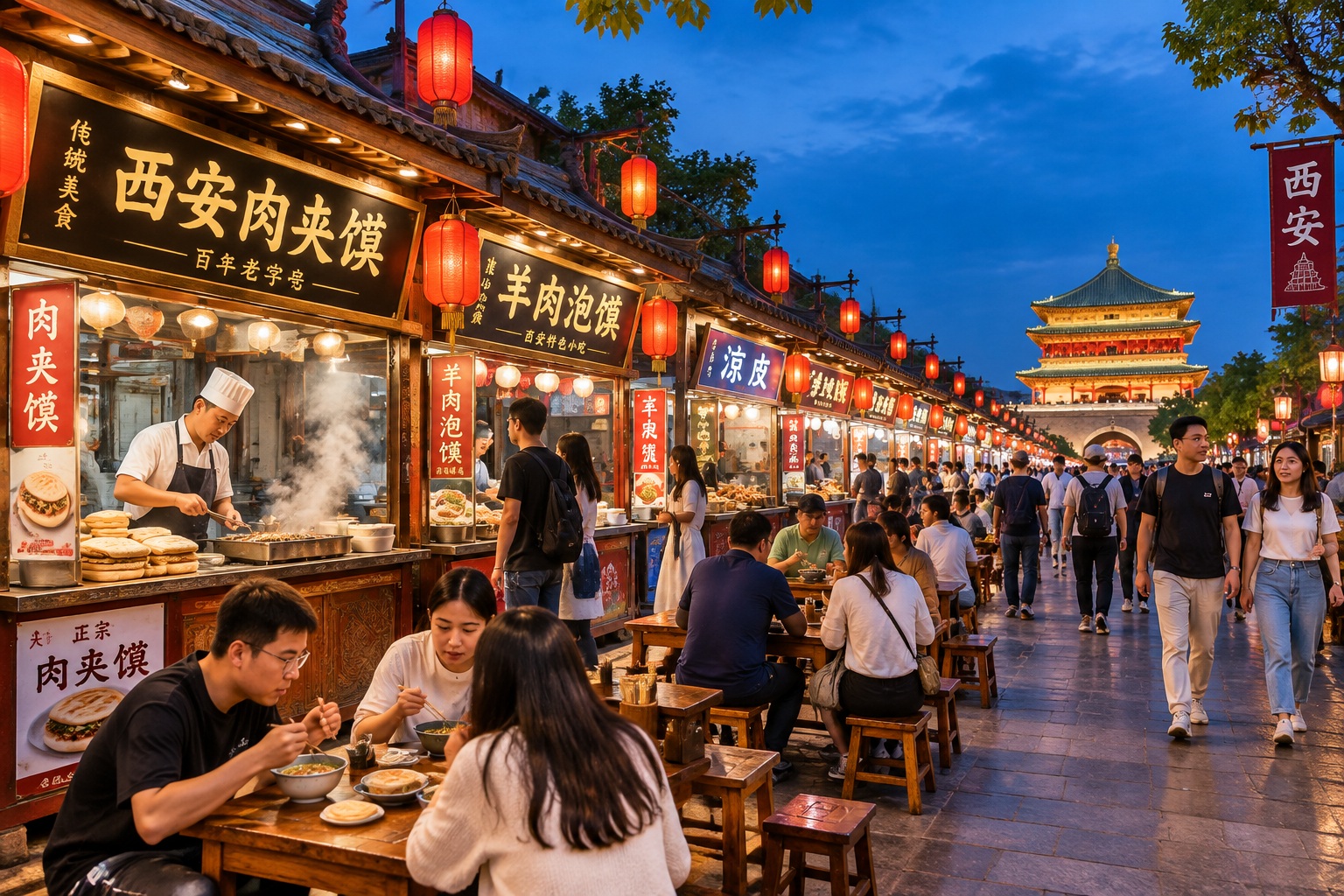
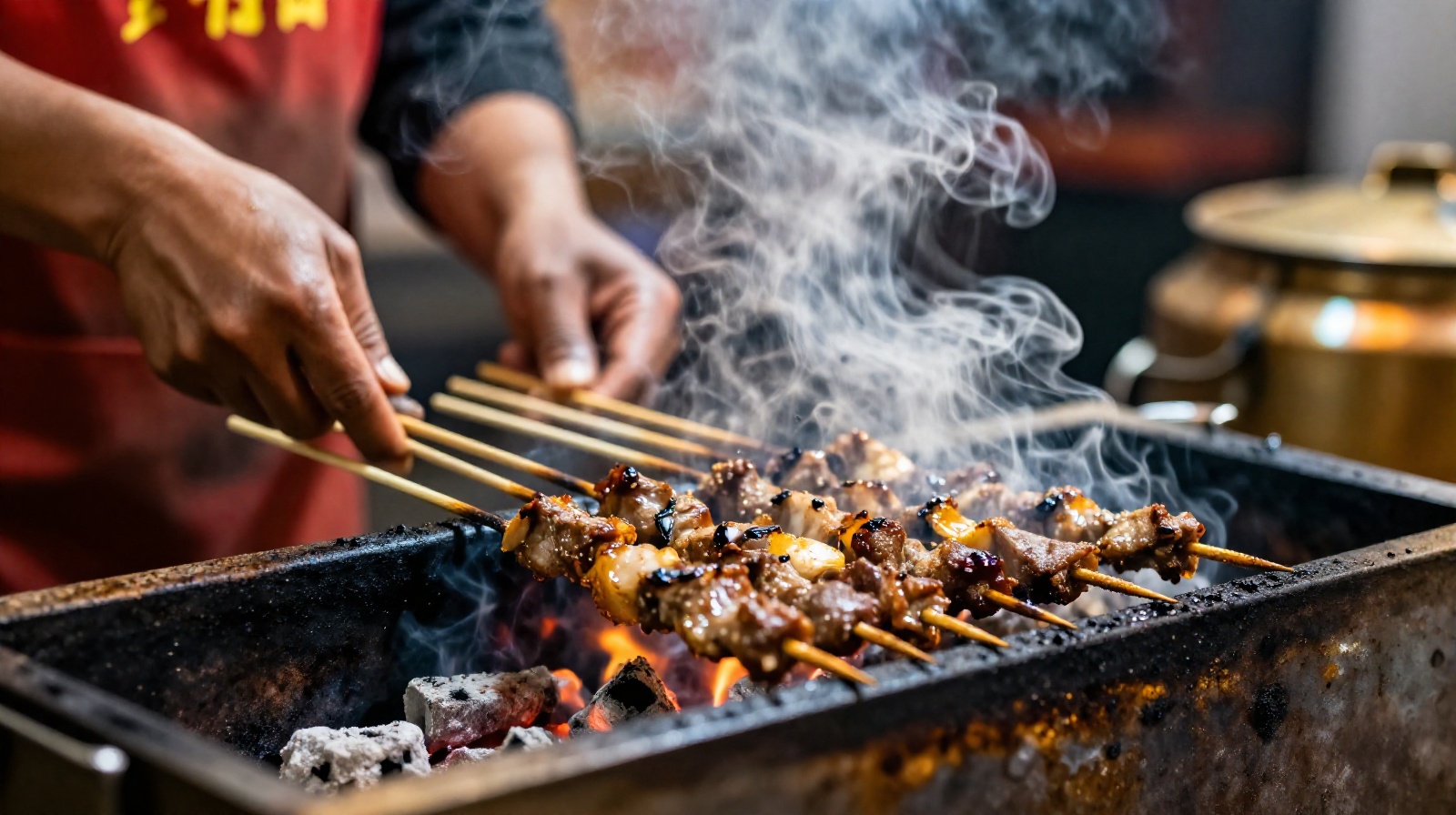
The air smells of charcoal and cumin. It’s 9:30 PM on a Tuesday in Xi’an. The day’s heat has barely broken, but the city is already shifting gears. At the entrance to the Muslim Quarter, a vendor flips skewers of lamb over an open flame. Steam rises from a pot of beef noodles nearby. A group of teenagers in hoodies laughs loudly near a stall selling bubble tea, while an older couple in their sixties shares a plate of roujiamo (Chinese hamburger) on a low plastic stool.
This is not just dinner; it’s the daily heartbeat of the city. In many Western cities, night life often means bars or clubs where strangers rarely interact. Here, in Xi’an, the night market acts as an open-air living room. It is where neighbors meet, where business deals are whispered over plates of food, and where generations collide without tension.
From Scattered Stalls to Organized Squares
The scene I’m watching isn’t random chaos. It’s the result of decades of urban planning that finally embraced street life. Thirty years ago, vendors were pushed out of the city center by strict regulations and sanitation drives. The streets were clean but quiet.
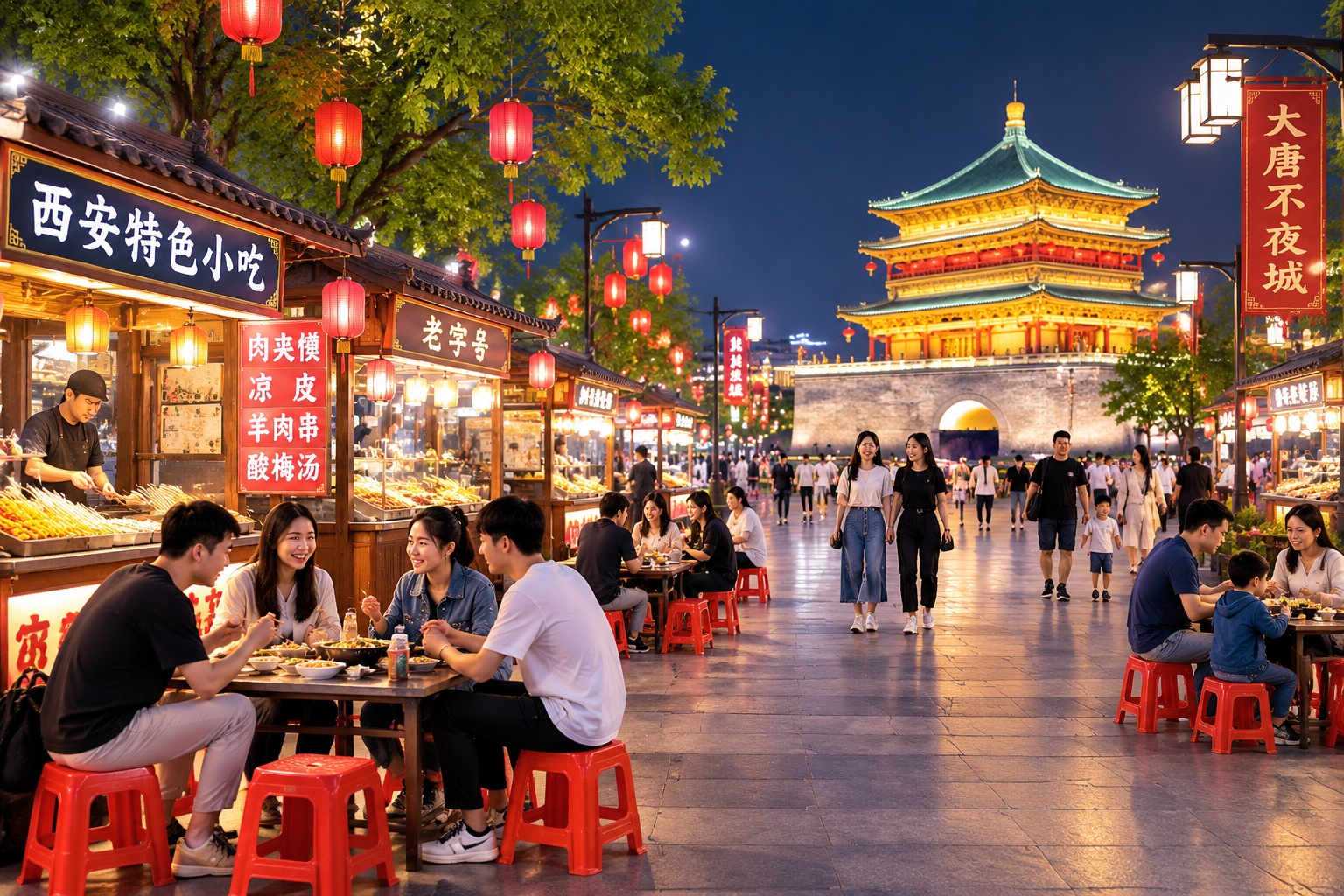
Today, the approach is different. City planners realized that the soul of Xi’an lies in its ability to mix commerce with community. They designated specific zones—like the Fangzhixiang area or the South Gate night market—as permanent public spaces. These aren’t just tourist traps; they are integrated into the daily rhythm of residents. Wide walkways, proper drainage for oil and water, and designated seating areas have turned what used to be a chaotic street scramble into an orderly, safe, and welcoming hub.
A Bridge Between Generations
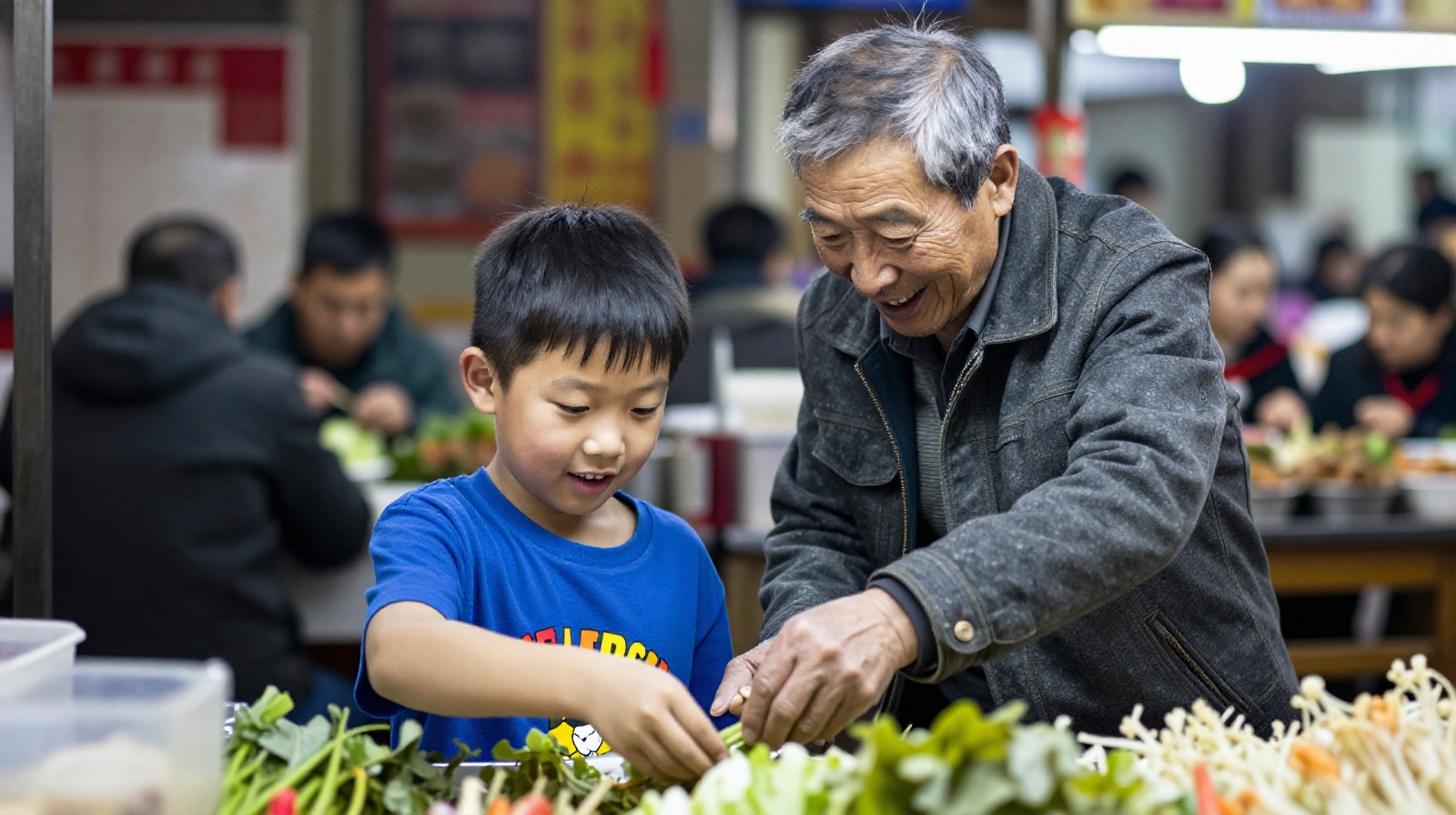
What makes these spaces unique is their social function. In the same row of stalls, you might find a retired grandfather teaching his grandson how to pick the best spicy cumin lamb skewers. A few meters away, a young software engineer from a nearby tech park takes a break from coding to eat a bowl of biangbiang noodles, chatting with a local grandmother about her garden.
There is no age segregation here. The food culture of Xi’an—rich, savory, and meant for sharing—naturally draws people in. A plastic table becomes a negotiation table, a family dinner spot, or a casual meeting point. It’s rare to see such organic mixing of social classes and ages in other parts of the world. The night market is the great equalizer.
The Digital Pulse: Cashless Commerce
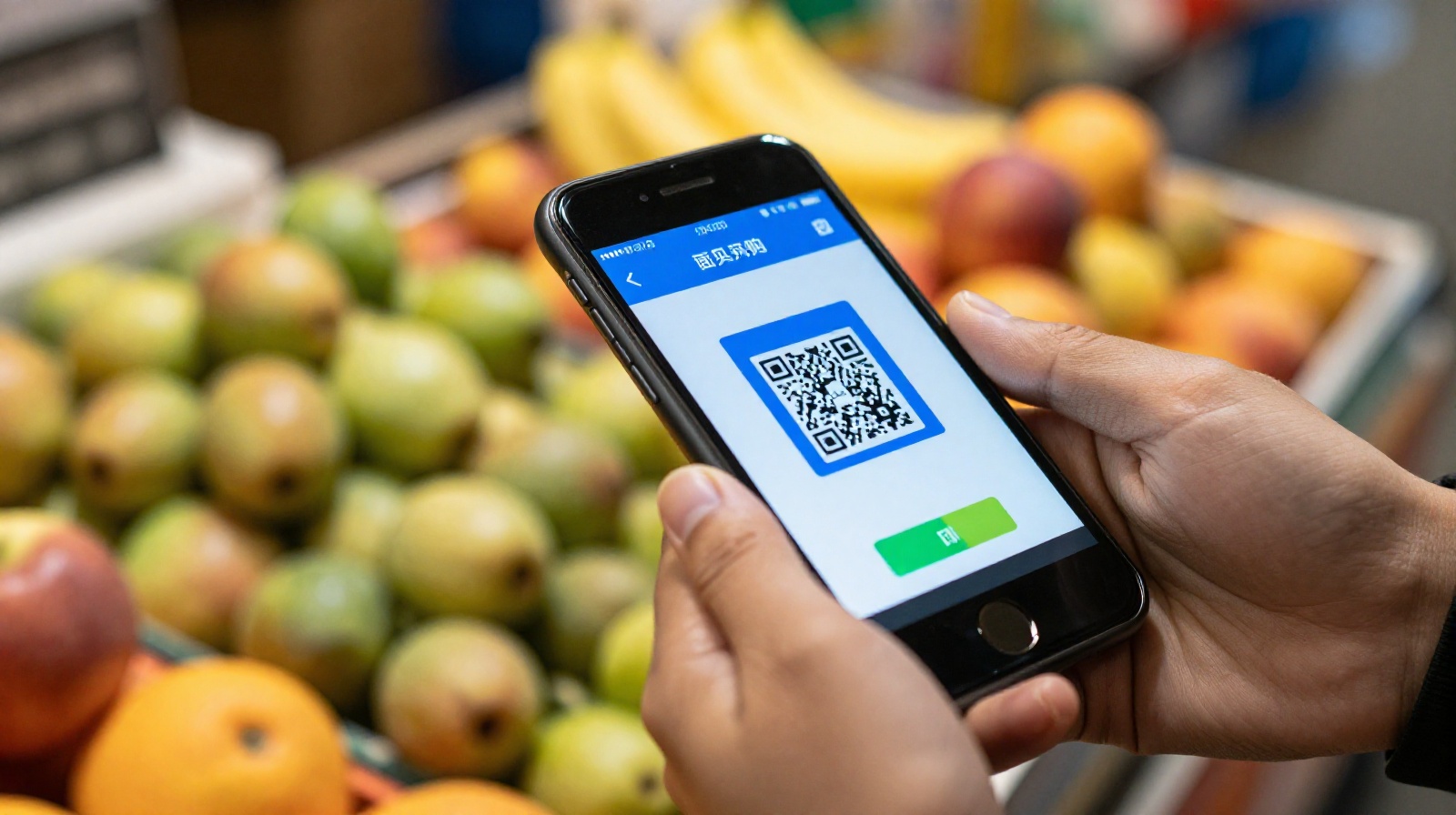
While the food smells ancient, the transaction is hyper-modern. I watch a young vendor at a fruit stall accept payment via QR code on her phone. No cash changes hands. In seconds, she scans a customer’s app, and the money flows instantly into her digital wallet.
This seamless digital ecosystem supports the livelihoods of thousands. Small vendors can track their daily sales, manage inventory with simple apps, and even apply for micro-loans through mobile platforms. The night market has become a testing ground for China’s digital economy at the grassroots level. It proves that technology doesn’t just serve big corporations; it empowers the individual trader selling roasted sweet potatoes or grilled squid.
Urban Design for People, Not Just Cars
The success of Xi’an’s night markets is a direct challenge to traditional urban planning that prioritizes wide roads and car traffic. The city has chosen to close certain streets to vehicles during evening hours, creating pedestrian-only zones.
This shift has increased foot traffic by over 40% in designated areas, according to local council reports. More people walking means more safety, more conversation, and more economic activity for small businesses. Planners are learning that a city’s vitality isn’t measured by the width of its avenues, but by the warmth of its sidewalks.
Why This Matters
Xi’an’s night markets offer a glimpse into a different kind of urbanism. They show how modernization in China isn’t just about building taller skyscrapers or faster trains. It’s about preserving spaces where human connection can thrive. For visitors, these stalls are the best place to taste history and flavor. But for the city itself, they are the essential infrastructure of social life.
As you sit on a plastic stool under the glow of red lanterns, surrounded by the sizzle of meat and the hum of conversation, you realize that this is where the real China lives—not in the museums or the malls, but in these vibrant, noisy, warm corners of the night.
Start the discussion at forum.chinacomes.com