

Introduction: Beyond the Terracotta Warriors
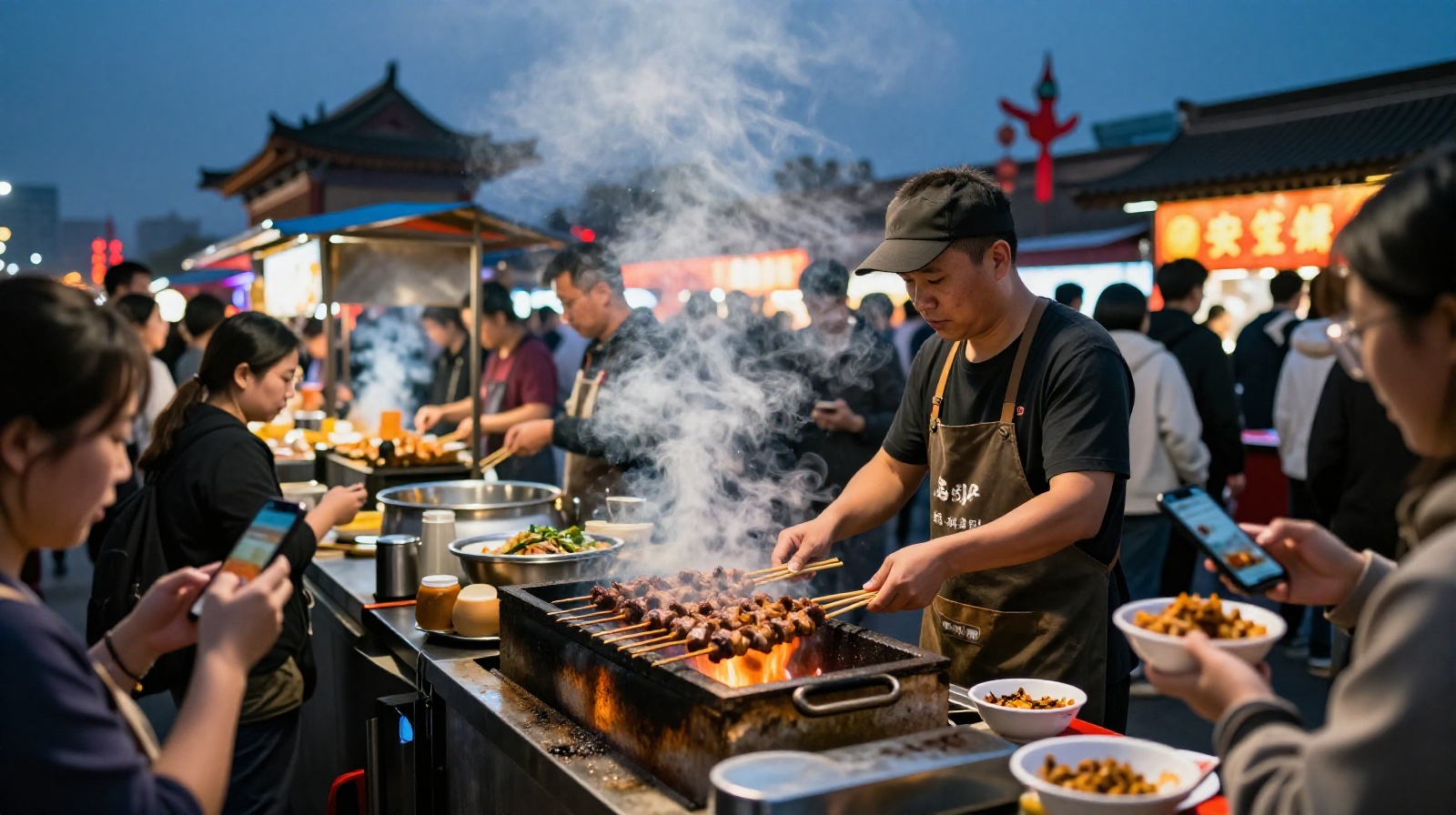
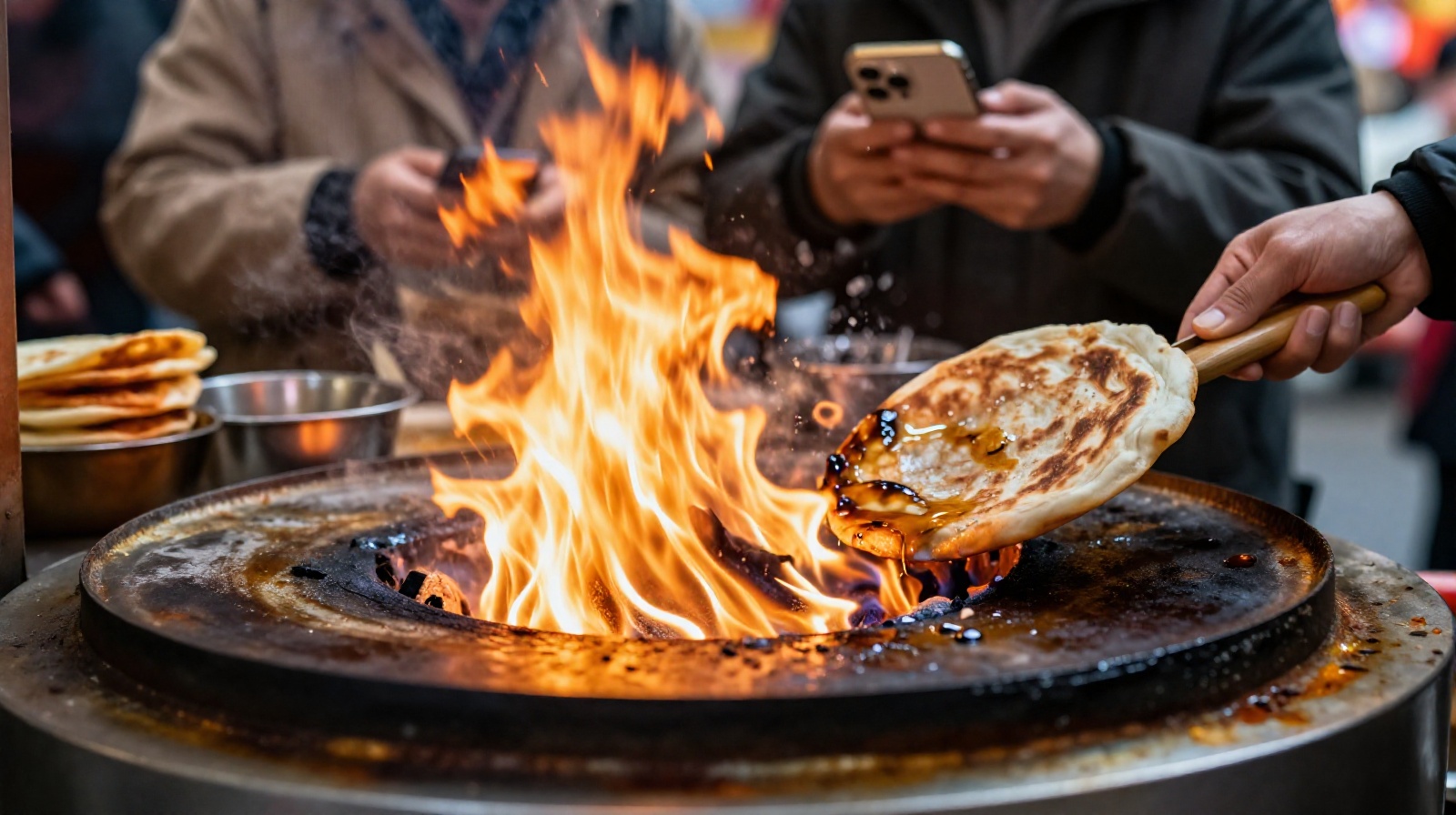
The air in Xi’an’s Muslim Quarter at dusk is a thick, warm mixture of roasting lamb, cumin, and woodsmoke. It hits you before you even see the crowd. Standing near a stall selling roujiamo (Chinese hamburger), I watch Uncle Liu flip flatbreads over an open flame. His hands move with a rhythm that has stayed unchanged for forty years, yet the customers waiting are all holding smartphones, ordering extra toppings through QR codes on the table.
For centuries, travelers to Shaanxi province were told to come for history. Today, they stay for the life. To understand the soul of this region—the people who built the Great Wall and now build high-speed rail—you have to taste it. The five flavors of Shaanxi cuisine are not just ingredients; they are a language describing how locals handle hardship, joy, family, and change.
Sour (酸): The Taste of Resilience
Walk into any home in rural Shaanxi or a bustling kitchen in Xi’an, and the first thing you smell is not fresh flowers, but fermentation. The sourness here comes from pickled vegetables (suancai) and vinegar made from sorghum.
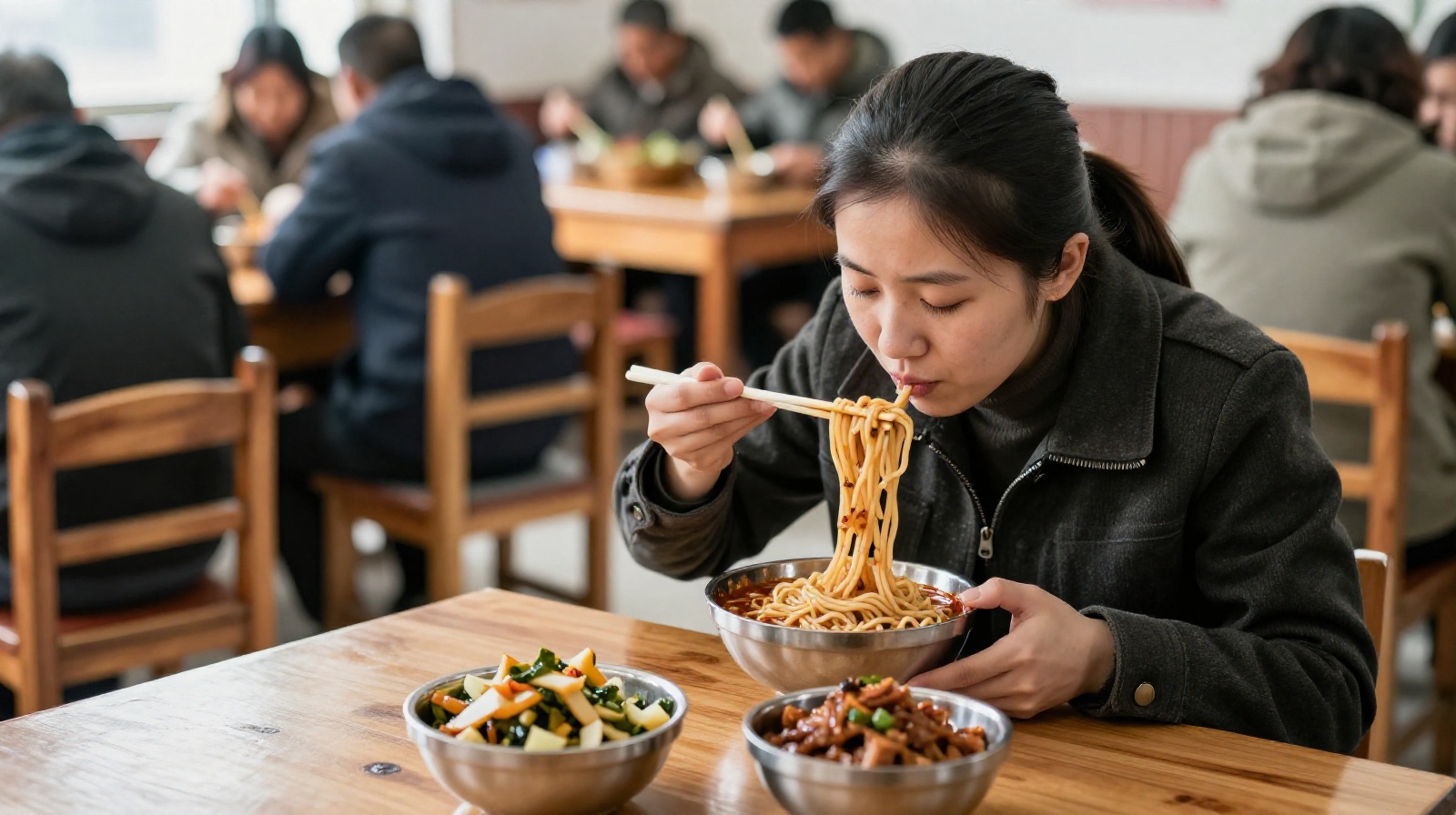
This isn’t just about flavor preservation for long winters. It’s a cultural reflex. In a region where water has historically been scarce and the climate can be harsh, the ability to turn fresh cabbage into something that lasts months is a survival skill. “Sour keeps us sharp,” says Ma Ling, a 28-year-old teacher I met in a community canteen in Baoji.
Today, the sour taste remains a staple on dining tables, even as diets change. It cuts through the grease of heavy meat dishes and provides a refreshing contrast to the rich wheat noodles that dominate the local diet. For Shaanxi people, embracing a bit of sourness is like accepting life’s difficulties with a smile—acknowledging them, preserving them, and using them to balance the rest.
Bitter (苦): The Foundation of Hard Work
If you visit a university campus in Shaanxi today, you might catch students sipping bitter melon tea or drinking strong black coffee during exam season. While not as universally consumed as sour food, the bitterness represents a deep-seated cultural value: the dignity of labor.
Shaanxi has long been the heartland of Chinese civilization’s struggle against nature. From ancient irrigation projects to modern industrial zones in Xi’an and Yan’an, the narrative is one of grinding work. “We don’t talk much about how hard it is,” explains Zhang Wei, a factory manager in a tech park outside Xi’an. “We just get the job done.”
This stoicism isn’t grim; it’s practical. The bitterness of food mirrors the bitterness of struggle, but in Shaanxi philosophy, that bitterness is the soil from which sweetness grows. It’s why the region produces some of China’s most resilient entrepreneurs and engineers. They don’t fear the bitter; they know it’s just the prelude to the harvest.

Spicy (辣): The Fire of Social Connection
As night falls, the streets of Xi’an transform. The quiet dignity of the morning gives way to a roaring, spicy energy in the night markets. Here, chili oil is not just a condiment; it’s the spark plug of social life.
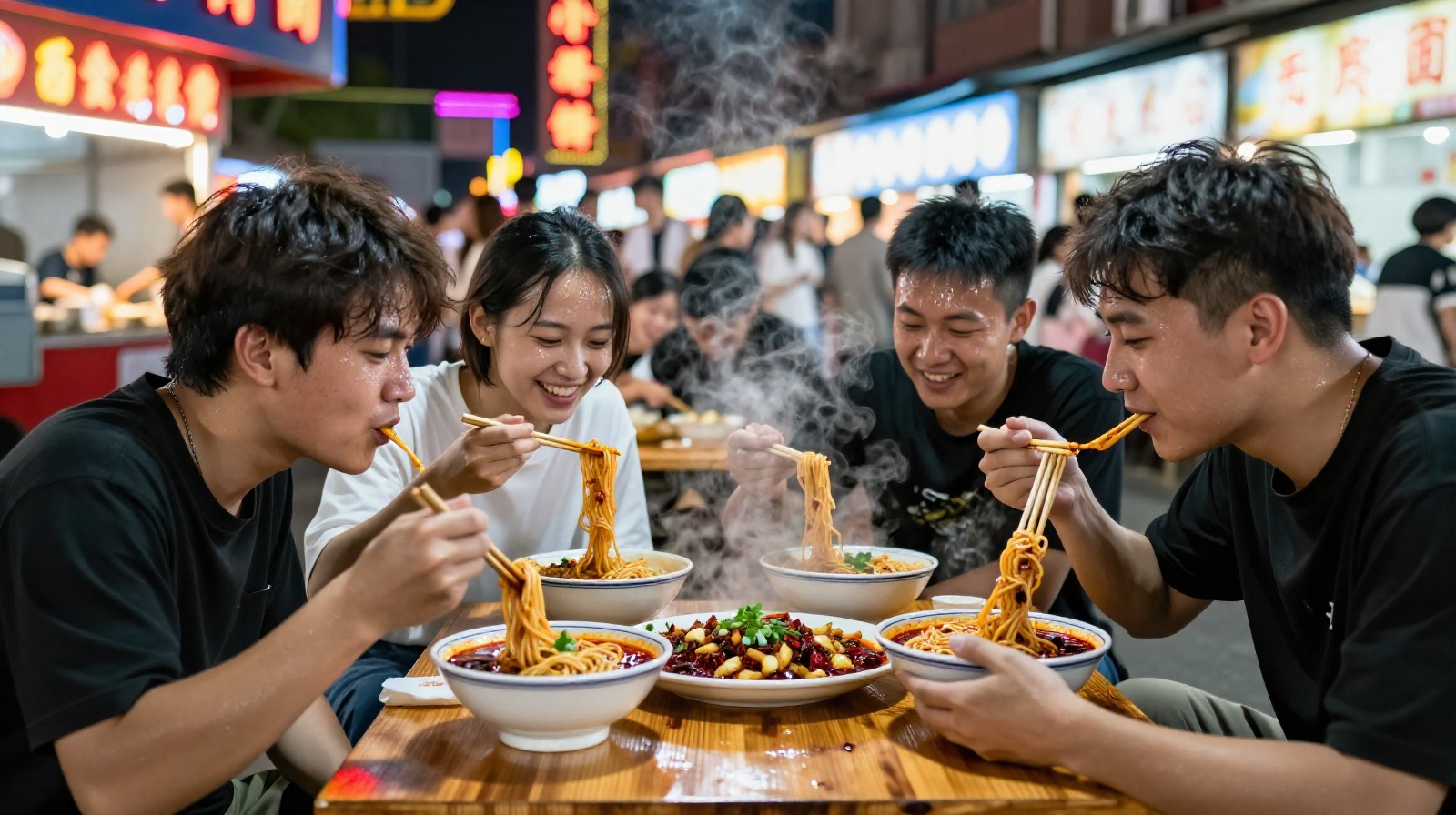
I sat with a group of young professionals at a street stall near Bell Tower, slurping biangbiang noodles drenched in red oil. The heat made them sweat, their cheeks flushed, but they laughed louder than anywhere else in China. “The spice wakes you up,” one engineer told me. “It makes us feel alive together.”
The spiciness reflects a bold personality that is increasingly visible in modern Shaanxi. It’s the same spirit that drives the region’s booming tech industry and its vibrant startup scene. The chili oil cuts through silence, forcing people to talk, to share, to connect. In a world of digital isolation, the spicy bowl becomes a communal table where strangers become friends over shared heat.
Salty (咸): The Glue of Family and Tradition
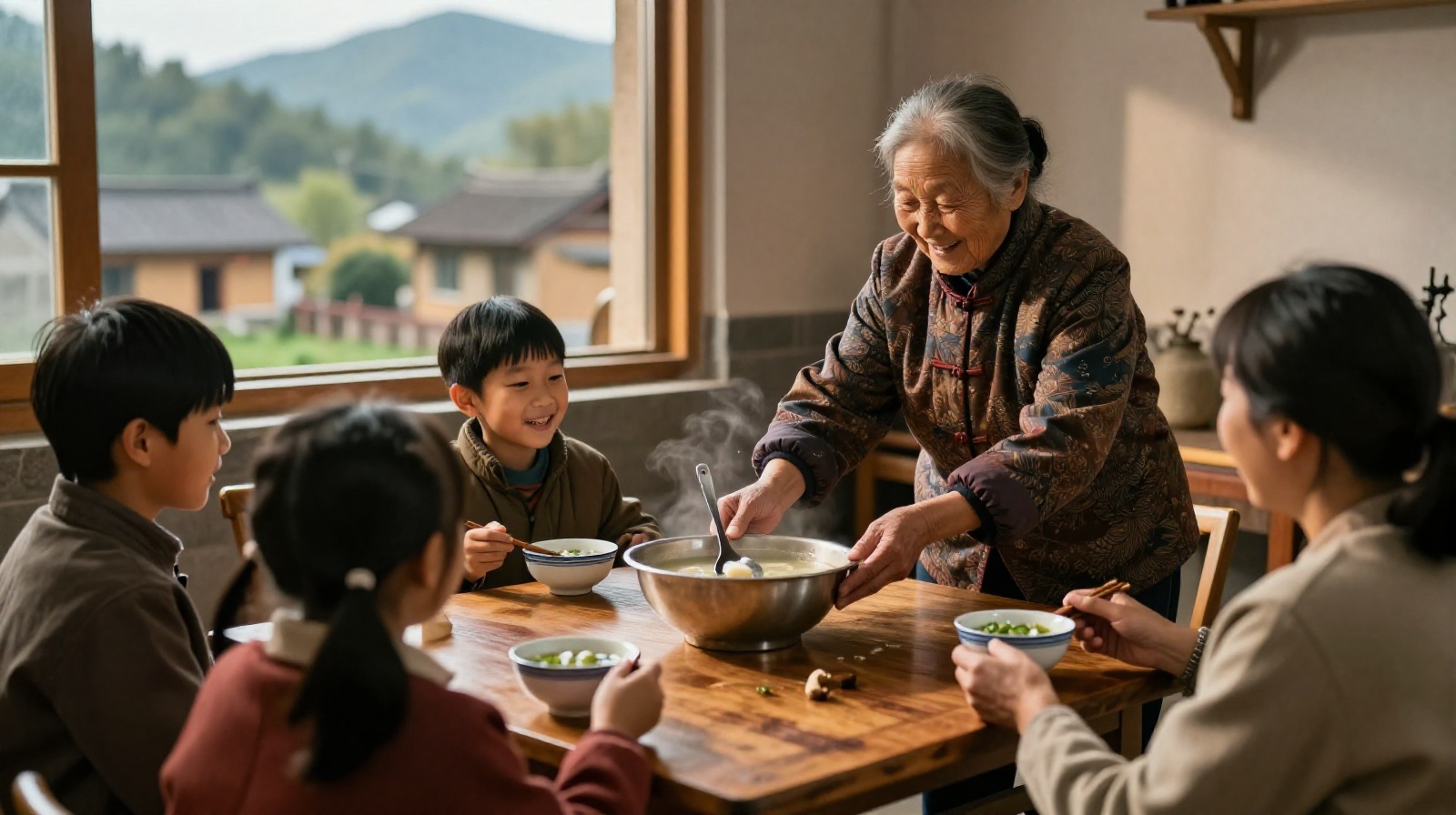
At the center of every Shaanxi meal is salt. Whether it’s in the salty broth of a lamb soup or the simple soy sauce on steamed buns, the savory depth anchors the experience.
But for Shaanxi people, saltiness goes beyond taste; it’s about loyalty and connection. In a time when millions have migrated to cities like Beijing or Shanghai, returning home for a bowl of salty noodles is a ritual of belonging. “Salt doesn’t go bad,” says an elderly woman in a small village near the Qinling Mountains. “It stays true.”
This flavor represents the unshakeable bond of family. Even as young people leave for university or work abroad, the taste of home—specifically the salty, savory staples—remains a constant anchor. It is the flavor of memory, of roots, and of the promise that no matter how far you travel, the table at home is always waiting.
Sweet (甜): The Joy of Celebration
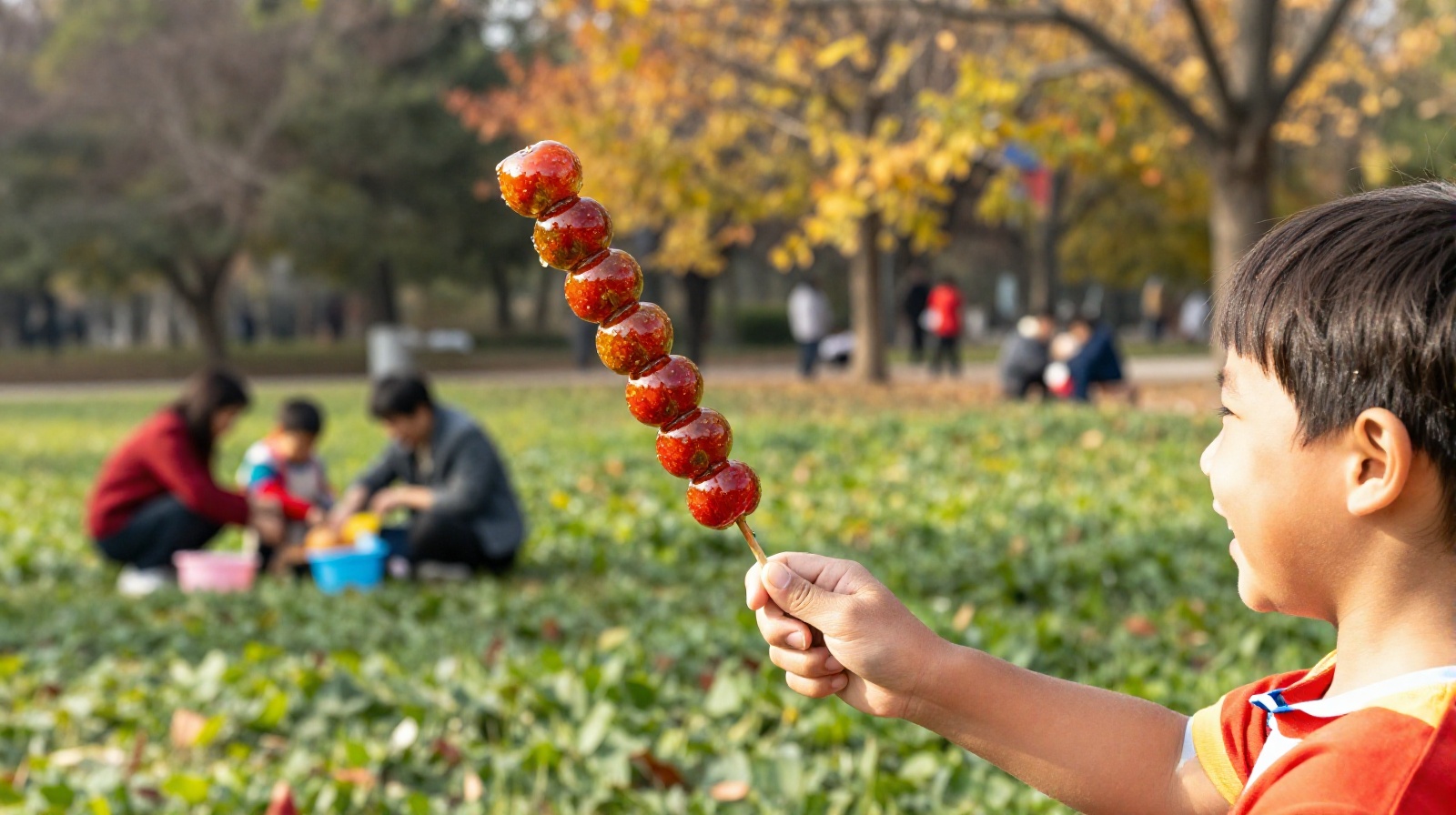
While savory and sour dominate daily life, sweetness in Shaanxi is reserved for special moments. Jujubes (Chinese dates), candied haws, and modern desserts like milk tea with red bean paste are the stars of festivals and family gatherings.
I watched a grandmother make tanghulu (candied fruit on sticks) for her grandchildren in a park near Qujiang Lake. The bright red glaze contrasted sharply with the autumn leaves. “Sweetness is for now,” she said, handing a stick to her grandson. “We work hard all year for this taste.”
This balance reflects the modern reality of Shaanxi. The region is rapidly modernizing, but it hasn’t forgotten its roots. Young people in Xi’an are embracing global trends—trying matcha lattes and artisanal cakes—but they still save their sweetest treats for festivals. It’s a philosophy of moderation: hard work now, sweet rewards later.
Conclusion: From Bowl to Boardroom
The five flavors of Shaanxi tell a story that goes far beyond food. Sourness teaches resilience against scarcity. Bitterness honors the dignity of labor. Spiciness fuels social connection. Saltiness binds family across distances. Sweetness celebrates the fruits of hard work.
As you walk through Xi’an’s modern streets, seeing electric buses and high-rise glass towers alongside ancient city walls, remember that these changes are happening within a framework defined by these tastes. The people here are not just building a new economy; they are living out a philosophy that has survived for thousands of years.
To understand China’s heartland, don’t just look at the history books. Go to a night market, sit with a local, and taste the five flavors. You will find that the character of Shaanxi is not just in its past—it is alive, breathing, and thriving right now.