
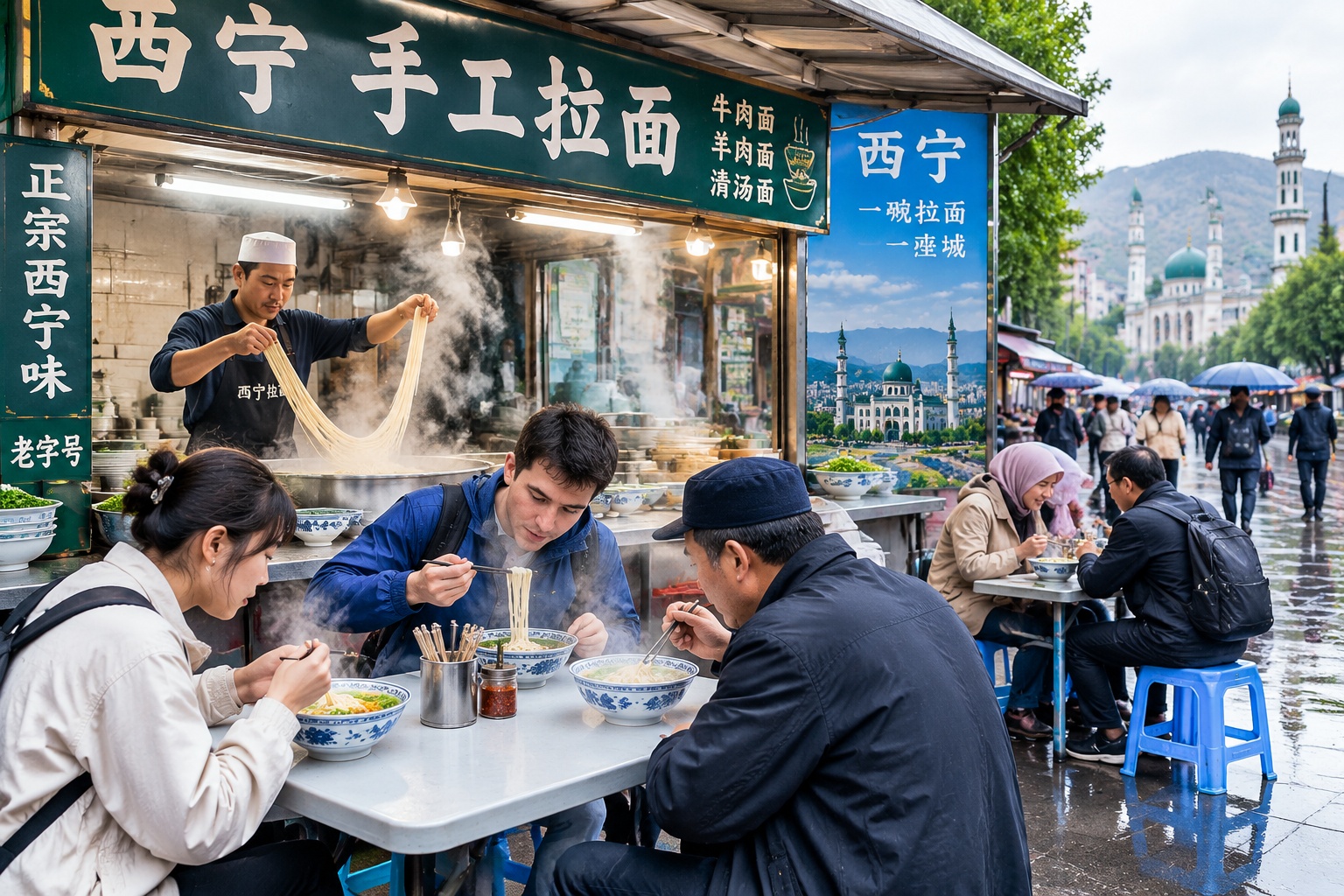

A Rainy Afternoon in Xining
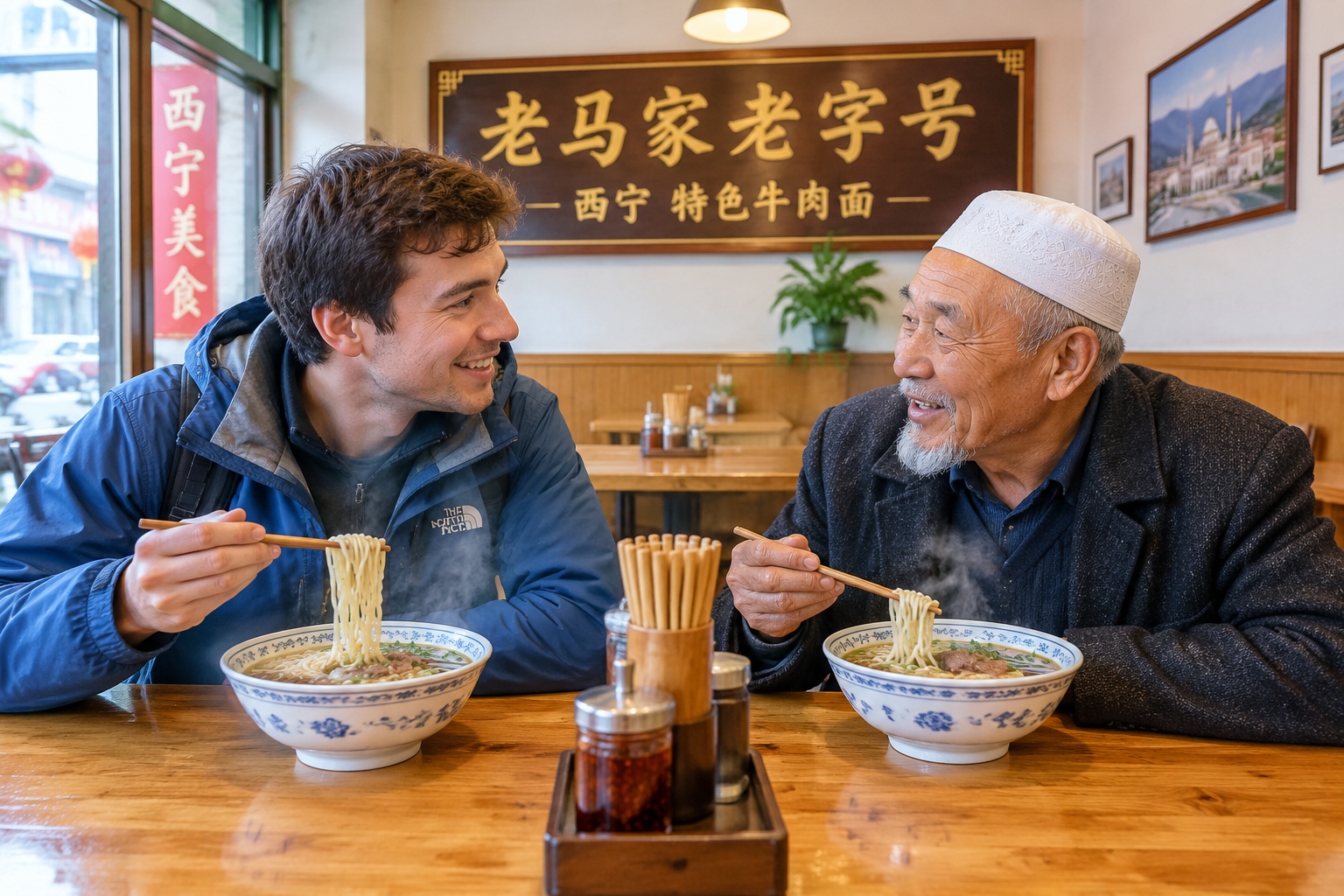
The rain drums steadily against the tin roof of a small noodle shop in downtown Xining. Inside, the air is thick with the scent of cumin and roasting lamb fat. A traveler from London sits at a plastic table, wiping condensation from a glass of salty milk tea. Across from him, an elderly man in a faded blue jacket eats quietly, his chopsticks moving with practiced rhythm.
There is no language barrier here. The food speaks first. This bowl of hand-pulled noodles, known locally as baba or simply “noodles,” arrives steaming hot. It represents the convergence of two worlds: the ancient pastoral traditions of the Qinghai-Tibet Plateau and the rapid urbanization of today’s China.
The Morning Market: From Pastures to Pavements
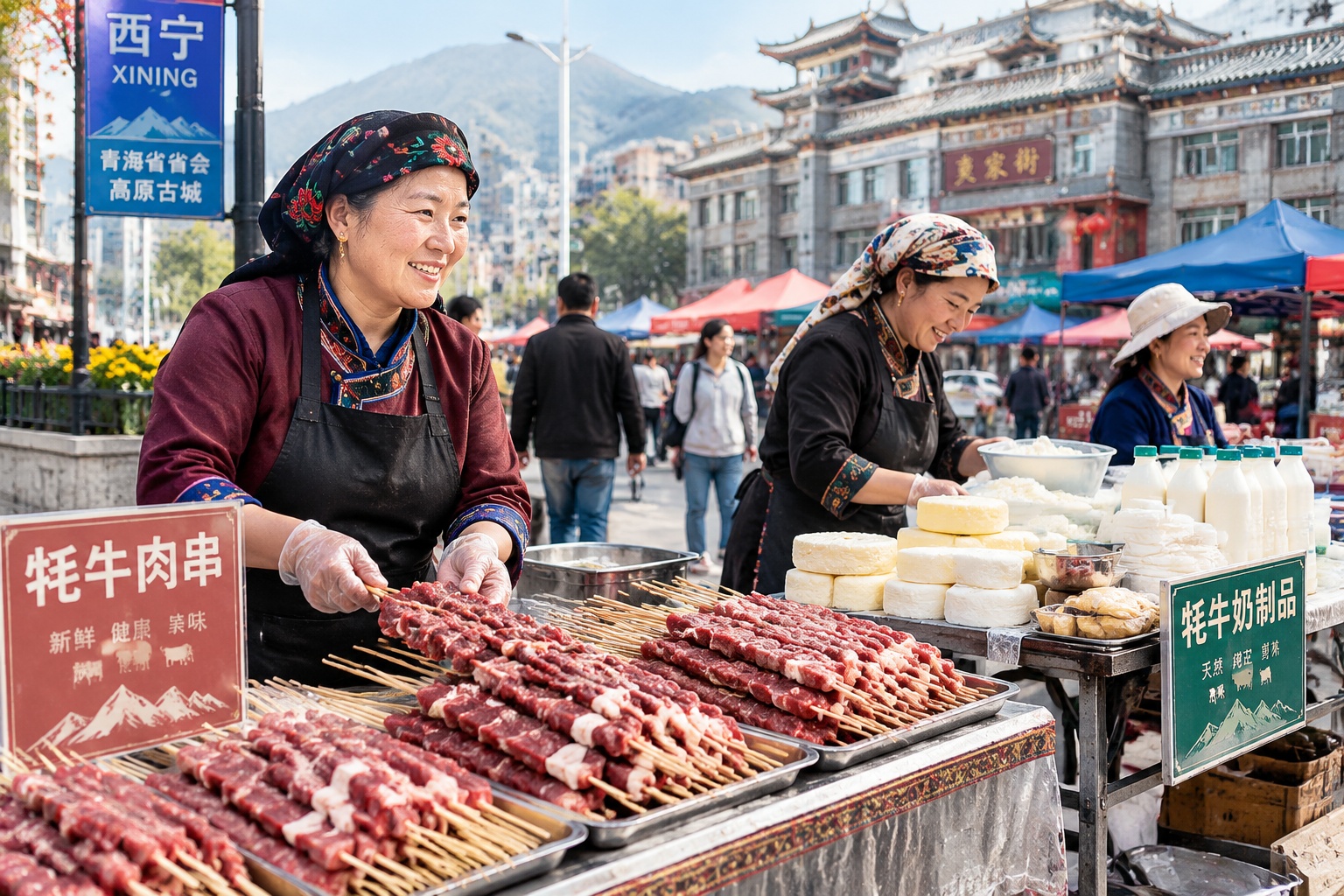
Just before dawn, the Xining North Street Market wakes up. This is where the connection begins. Women who spent their mornings herding yaks on the grasslands near the city limits are now arranging piles of fresh yak meat skewers and dried dairy products on folding tables.
In the past, these goods stayed within village circles. Today, they travel kilometers to reach urban centers. The transition is not just economic; it is social. A vendor named Ma, who grew up in a rural township 50 kilometers away, explains that she moved her family operation here three years ago. “The city needs fresh meat,” she says, “and the village needs steady income.”
Data from local authorities shows that over the last decade, more than 30% of street food vendors in Xining are migrants from surrounding counties. They bring specific regional recipes with them, creating a living museum of Qinghai’s culinary diversity right on the city sidewalks.
Shared Tables: Where Barriers Dissolve
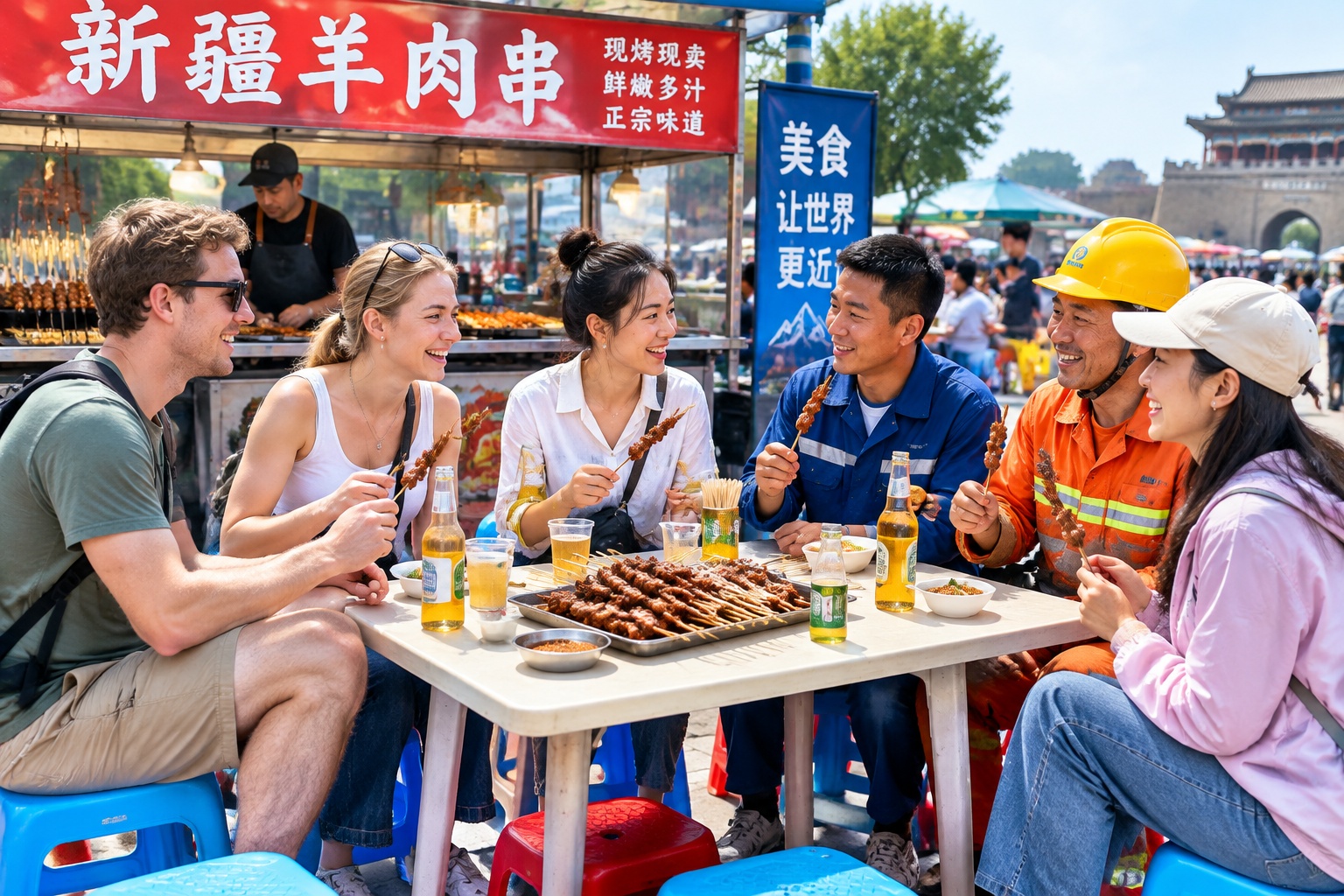
At lunchtime, the plastic stools fill up. Tourists from Shanghai, backpackers from Europe, and local workers in blue uniforms all squeeze onto the same narrow benches. This is a unique feature of Chinese street food culture: the democratization of space.
In many Western cities, dining often segregates by class or cuisine type. In Xining’s snack streets, the price point—usually between 10 and 30 RMB (roughly $1.50 to $4)—keeps it accessible. A young engineer from a tech hub sits next to a retired farmer, both sharing a plate of yangrou chuanr (lamb skewers).
The act of eating together breaks down social barriers. Tourists ask about the ingredients; locals explain the origin of the spices. It is an informal cultural exchange that happens without a guidebook or a tour bus.
Modern Traditions: Apps Linking Villages to Cities
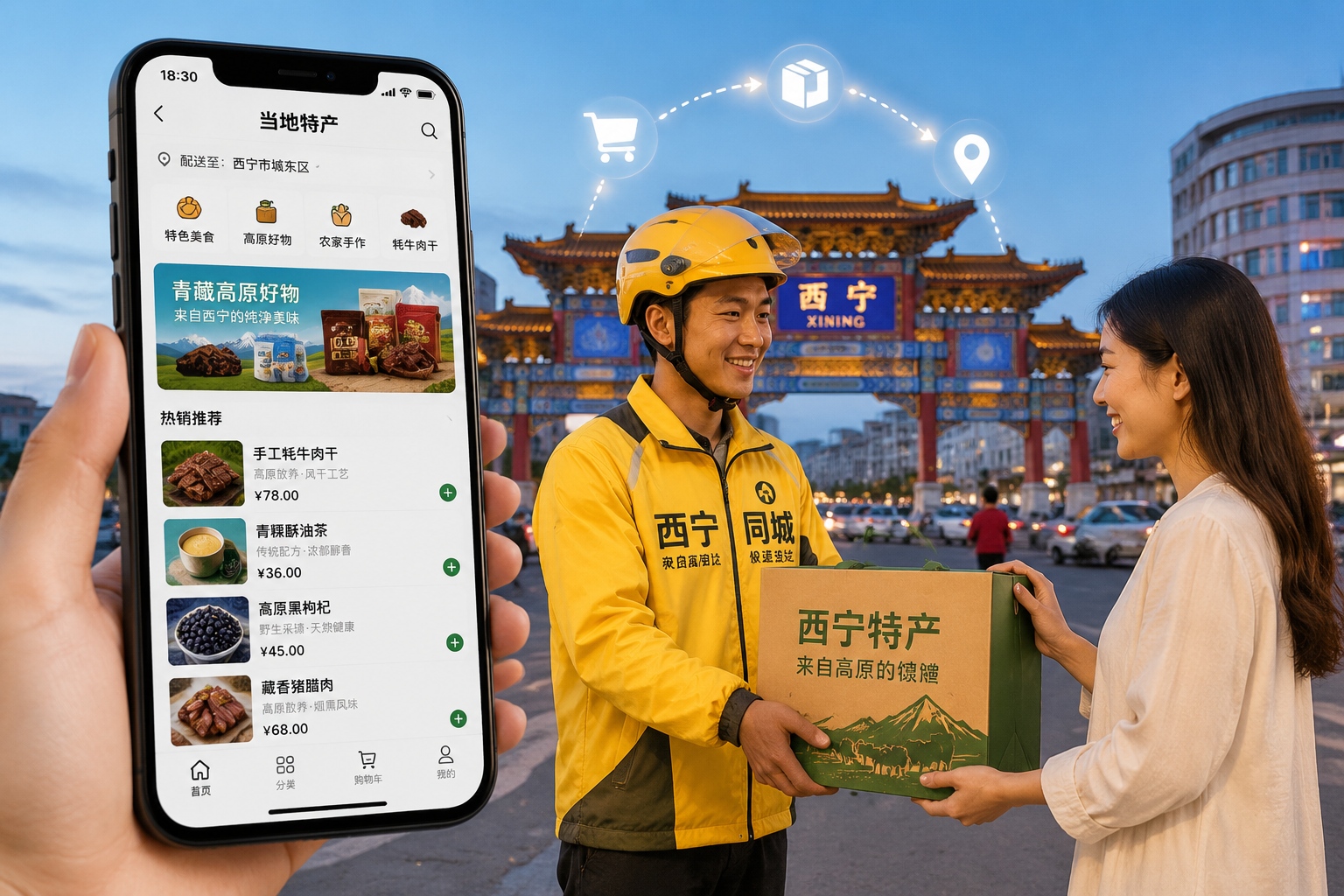
The scene changes as dusk falls. The traditional street stalls begin to pack up, but the demand for rural food does not stop. It shifts to smartphones.
WeChat and local delivery apps like Ele.me are reshaping how Qinghai’s snacks reach consumers. Rural cooks who cannot afford a storefront now use these platforms to sell homemade dairy products and preserved meats directly to city dwellers. In 2023, food delivery orders originating from rural townships in Qinghai province increased by nearly 40%, according to industry reports.
This digital bridge allows for a more sustainable flow of goods. A grandmother in a remote village can package her yogurt and ship it to a family in Xining’s new high-rise apartments. The distance that once separated them is now measured in minutes, not days.
A Day in the Life: The Young Chef
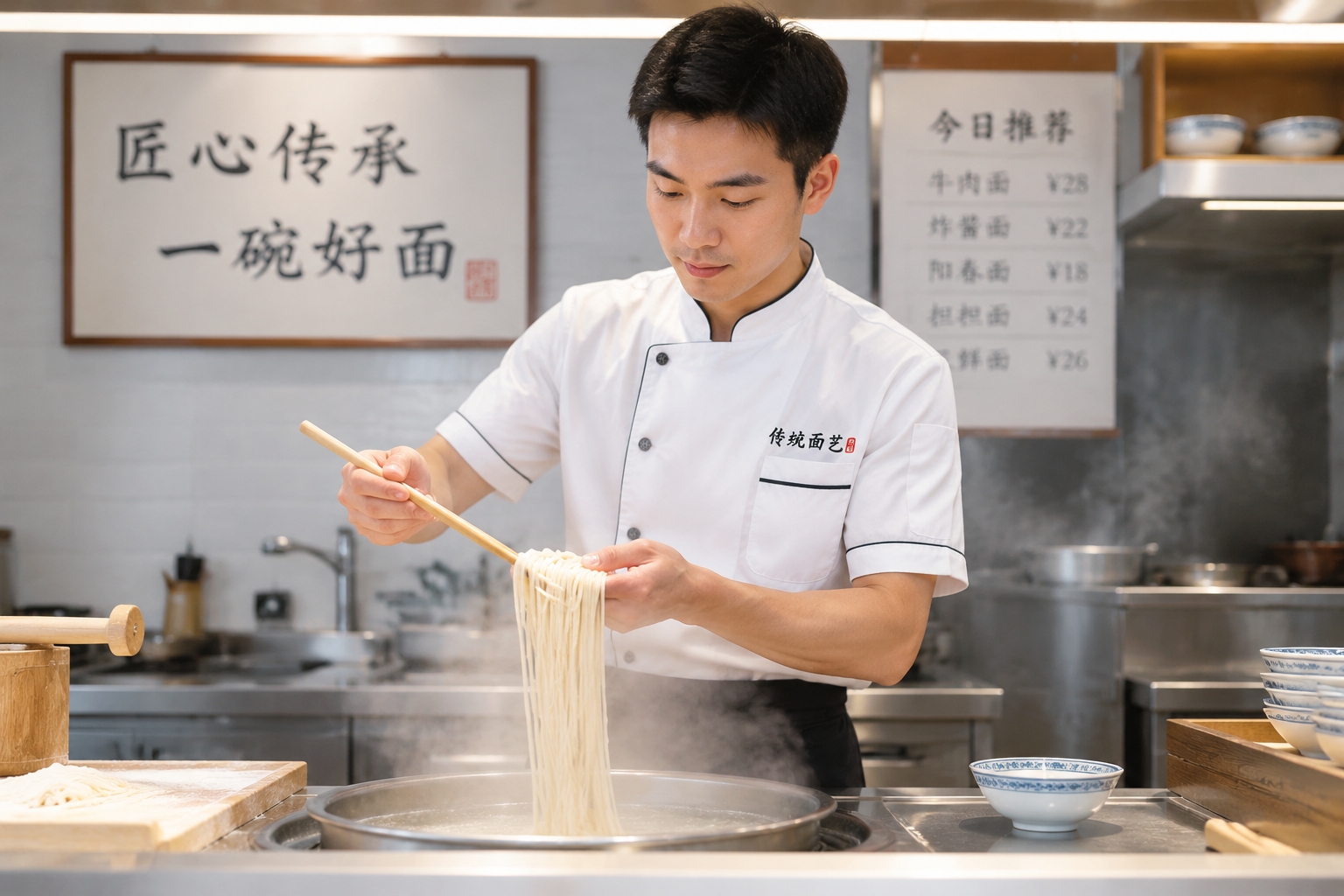
Behind the counter of “Plateau Flavor,” 26-year-old Li Wei works with a precision that belies his youth. He grew up in a village where the only job was farming. Now, he runs one of the most popular snack spots in Xining.
“I wanted to bring something back,” Li says, tossing dough into boiling water. “Not just for money, but to show people what our home tastes like.” His menu is simple: hand-pulled noodles with mutton broth, fried milk cakes, and spicy cold dishes made from local vegetables.
Li represents a new generation of rural entrepreneurs. They are not leaving their roots behind; they are bringing them into the city center. Their success relies on authenticity. Tourists don’t come for fusion food or fancy plating; they come for the taste that cannot be replicated in a factory kitchen.
Conclusion: The Social Fabric of Food
The story of Qinghai snacks is not just about economics or tourism. It is a map of human connection.
In a country often discussed in terms of GDP growth and megacities, the reality on the ground is more intimate. It is found in the steam rising from a bowl of noodles, the laughter shared between strangers, and the quiet satisfaction of a meal that connects a city to its surrounding countryside.
When you eat at these stalls, you are witnessing a specific type of modernization: one where technology serves tradition, and where rural residents are not left behind but become active participants in urban life. The taste map of the plateau is being redrawn every day, with every shared meal.
Start the discussion at forum.chinacomes.com