

The Unexpected Connection Between Sugar and Friendship in Wuxi
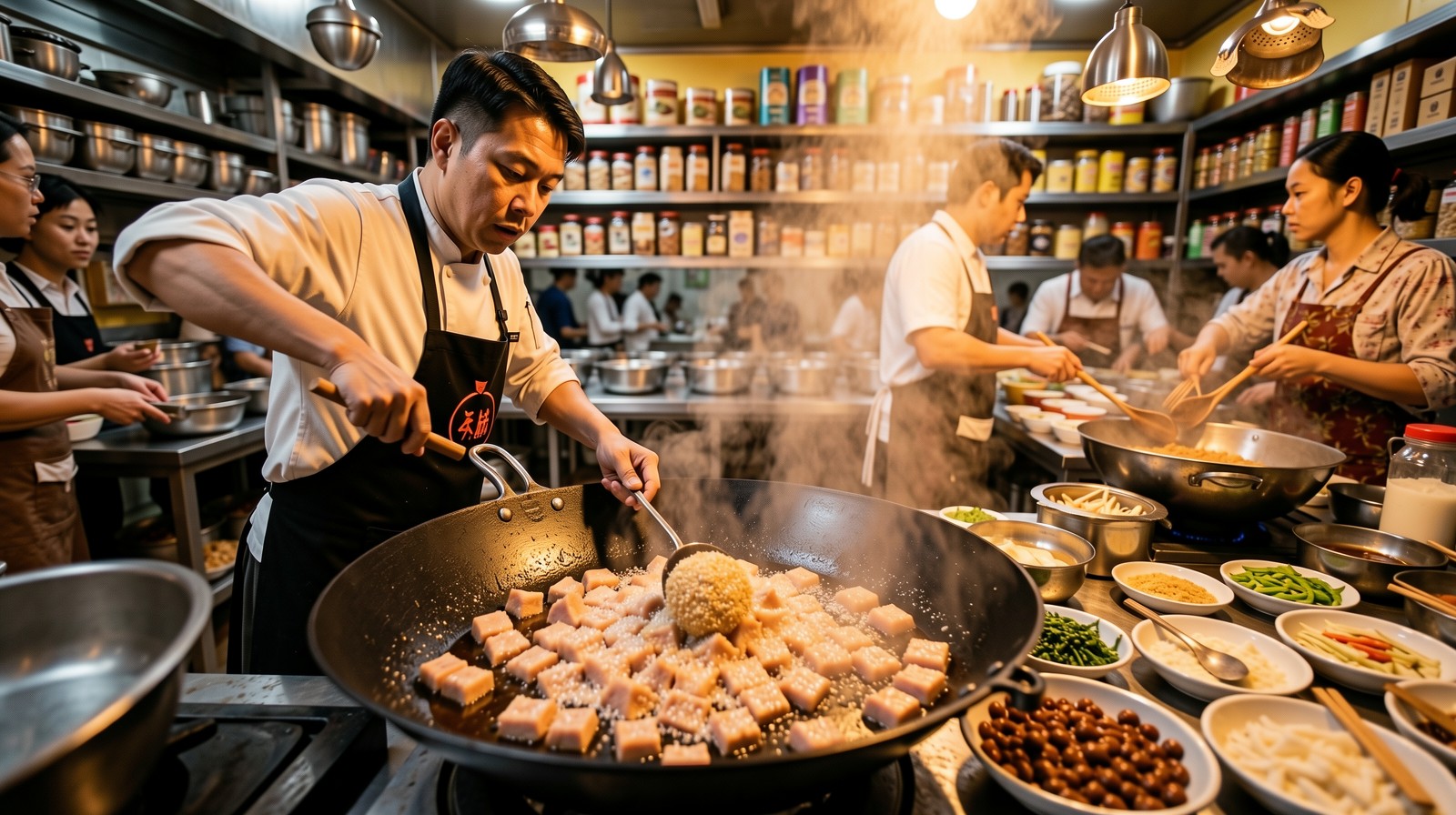
Imagine standing in a bustling kitchen in Wuxi, Jiangsu Province. The air is thick with the scent of caramelizing sugar, not burnt, but sweet and nutty. A local chef stirs a massive wok of pork belly, adding dark soy sauce and a generous glug of rock sugar. For most foreigners visiting China, this moment feels like a test. Would they flinch at the sweetness? Or would they finally understand why locals say Wuxi is too sweet?
The truth is simpler: in Wuxi, sugar isn’t just an ingredient; it’s a language of hospitality. Unlike the Sichuan pepper-numbing spice or the fiery Hunan heat that dominate global perceptions of Chinese food, Wuxi cuisine relies on a distinct ‘sweet-savory’ profile. It turns out this sweetness is not about dessert; it is about preserving history and celebrating life.
The Local Palate: Understanding the ‘Sweet’ Profile Beyond Stereotypes
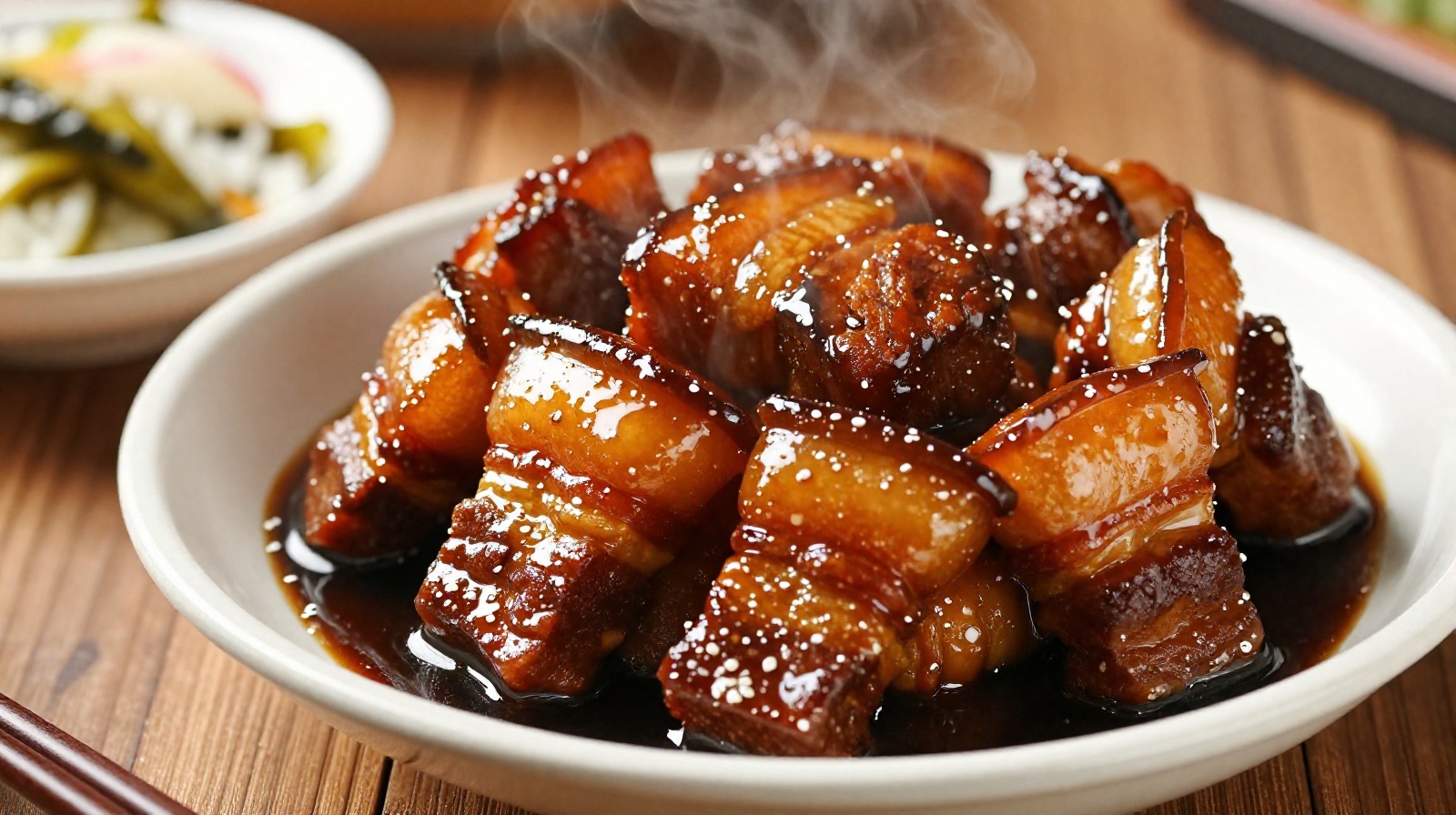
When people hear ‘Wuxi,’ they often think of canals, silk, or that infamous level of sugar. But why is Wuxi food so sweet? Historically, Jiangsu was one of China’s wealthiest regions due to its fertile land and silk trade. In the past, sugar was a luxury good. By cooking with it liberally in dishes like Hong Shao Rou (Red-Braised Pork), locals were essentially showing off their prosperity.
Today, Wuxi is an industrial powerhouse known for electronics and manufacturing, but the culinary tradition remains unchanged. The city sits on the banks of Lake Taihu, where freshwater fish and pork are abundant. The cooking technique involves slow-simmering pork belly until the fat renders down, absorbing the sugar syrup to create a sticky, glossy glaze that melts in your mouth.
This isn’t ‘candy-like’ sweetness; it is a depth of flavor developed over centuries. For Westerners used to separating savory and sweet courses, this fusion can be startling. Yet, for locals, it represents balance—a harmony between the richness of meat and the brightness of sugar.
A Shared Meal Story: How a Foreign Resident’s Perspective Shifted
Take Mark, a German software engineer who has lived in Wuxi for three years. When he first arrived, he tried to order ‘spicy’ dishes everywhere, fearing the local food would be too mild. He was wrong.
‘The first time I ate authentic Wuxi Hong Shao Rou at a small alleyway restaurant, I thought it tasted like jam,’ Mark recalls with a laugh. ‘I couldn’t eat more than two bites.’ But his host insisted he try the pork with white rice. The result was transformative.
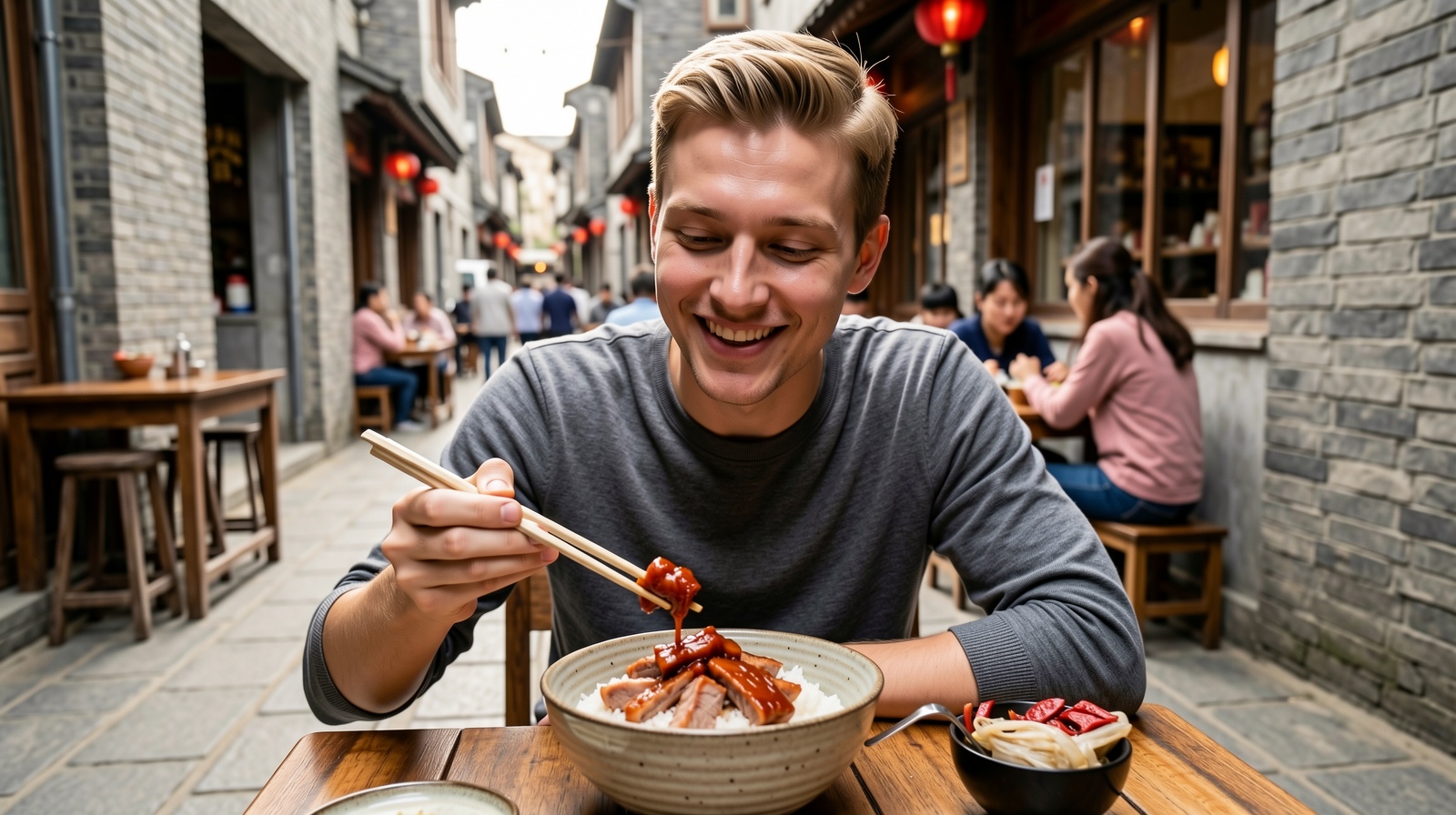
The sweetness of the sauce cut through the richness of the fat, while the plain rice absorbed the flavors perfectly. Suddenly, Mark wasn’t just eating food; he was tasting a local philosophy. ‘It’s not about being sweet,’ he says now. ‘It’s about how the dish makes you feel welcomed. In Germany, we might serve pork with sauerkraut or apples, but here, the sugar is an invitation to sit down and stay for hours.’
This shift in perspective is common among expats. The food acts as a cultural icebreaker, dissolving barriers before a single word of conversation is exchanged.
More Than Food: What This Dish Reveals About Daily Life
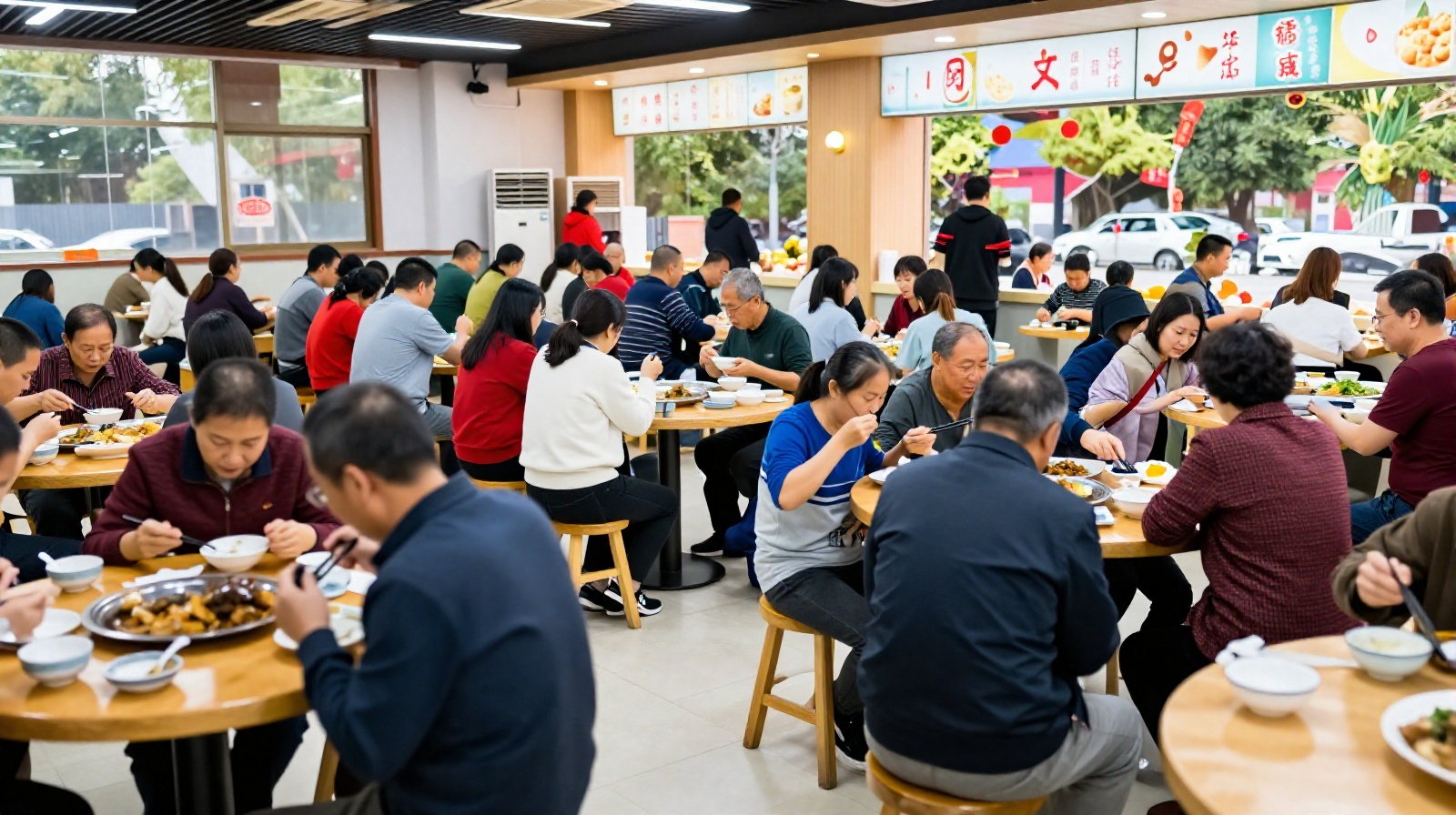
The popularity of Wuxi cuisine extends beyond restaurants into the fabric of daily life. You will see families gathering on weekends to prepare this dish at home, or neighbors sharing pots in community canteens. It is a staple for celebrations, from weddings to simple Tuesday dinners.
In modern China, food is deeply tied to community. In Wuxi, the ‘sweetness’ of the city mirrors its social warmth. Whether you are a tourist sipping tea at a canal-side pavilion or a local worker grabbing a quick lunch in a high-rise office, the presence of this dish signals safety and comfort.
The Evolution of Taste: Balancing Tradition with Health
However, the narrative isn’t static. The younger generation in Wuxi is redefining this classic taste. With rising health consciousness and global exposure, many restaurants now offer ‘lighter’ versions of Hong Shao Rou.
Data from local food apps shows a 15% increase in menu items labeled ‘low sugar’ or ‘less oil’ over the past five years. Young chefs are experimenting with alternative sweeteners like monk fruit while maintaining the traditional texture. They argue that tradition doesn’t mean stagnation; it means adapting to new needs.
This evolution proves that Chinese cuisine is not a museum exhibit but a living, breathing entity. It responds to health trends, economic shifts, and the changing palates of its people.
Conclusion: Finding Common Ground Over a Bowl of Rice
So, why can foreigners fall in love with Wuxi’s red-braised pork? Because it challenges expectations. It invites you to rethink what ‘savory’ means in a global context.
The sweetness is not a trick; it is an offering. In a world often divided by cultural differences, sharing a plate of sticky, glistening pork over steamed rice creates a rare moment of connection. As Mark puts it, ‘After dinner, I don’t just feel full. I feel like I belong.’
Next time you visit Wuxi, or anywhere in China known for its sugar-rich cuisine, don’t be afraid to try the local specialty. You might just find that the sweetness is exactly what your taste buds—and your mind—need.