

Forget the Dali Bubble: Where the Real Action Is
If you ask a foreign traveler where to find China’s ‘cool young crowd,’ they will likely say Dali. For years, the ancient town has been the poster child for the digital nomad lifestyle—cobblestone streets filled with surfboards, artisanal coffee shops, and backpackers coding on laptops.
But if you drive a few hours south from Dali to the tropical city of Jinghong or deeper into the tea mountains of Menghai, you’ll find something different. The ‘slow life’ trend has spilled over. It’s not about escaping work anymore; it’s about redefining what work looks like.
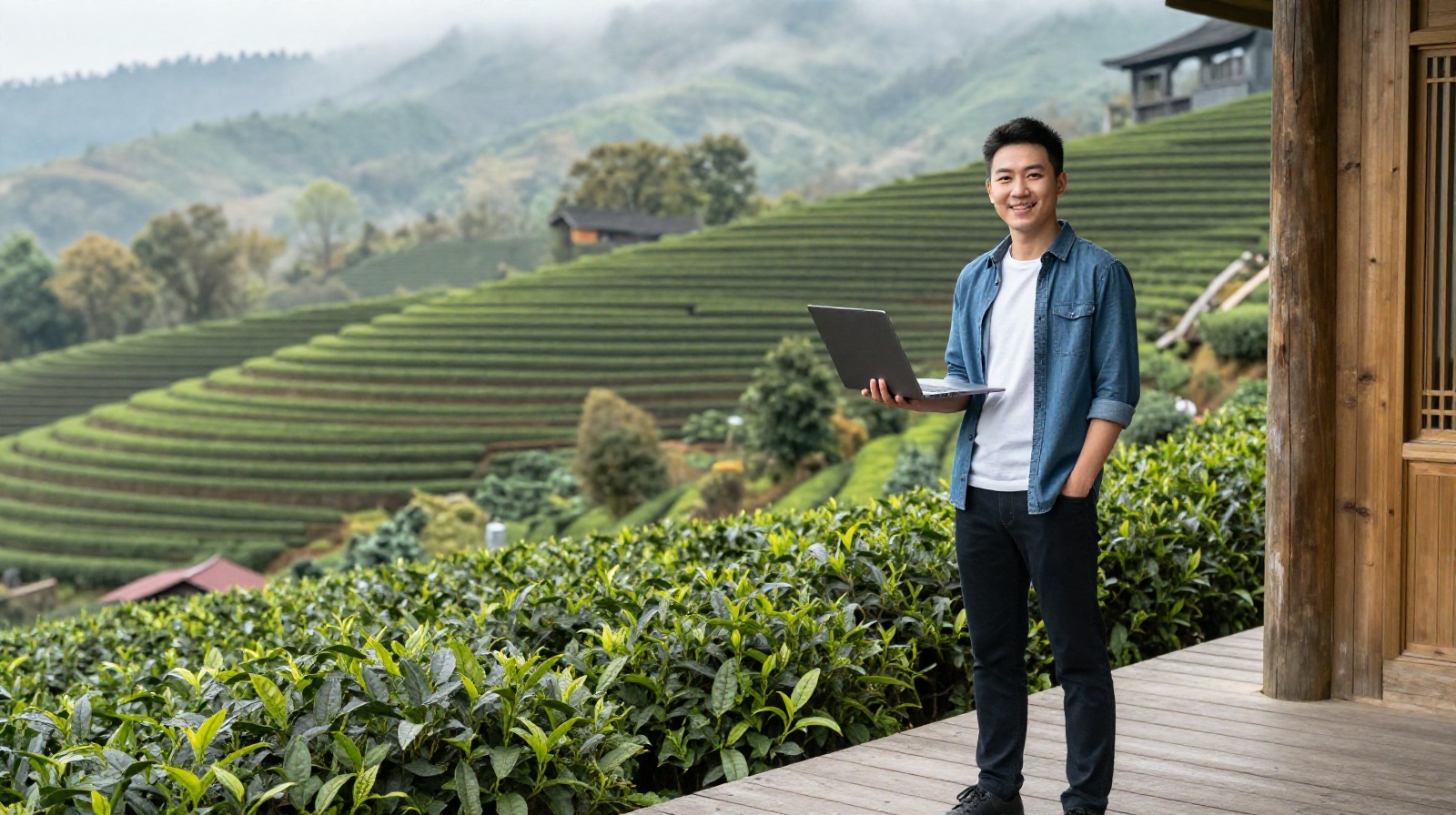
I sat down with Li Wei, 28, who runs a small organic tea processing workshop in a village outside of Menghai. Unlike the digital nomads I met in Dali who were there to ‘find themselves,’ Li is here to build a brand that connects rural farmers directly to global buyers.

Hidden Hubs: It’s Not Just About Scenery
The narrative of young people fleeing cities for the countryside isn’t new, but the destination has shifted. While Dali remains popular, towns like Jinghong (the capital of Xishuangbanna) and Menghai are becoming unexpected hubs for innovation.
Why? Because the internet finally caught up with the geography.
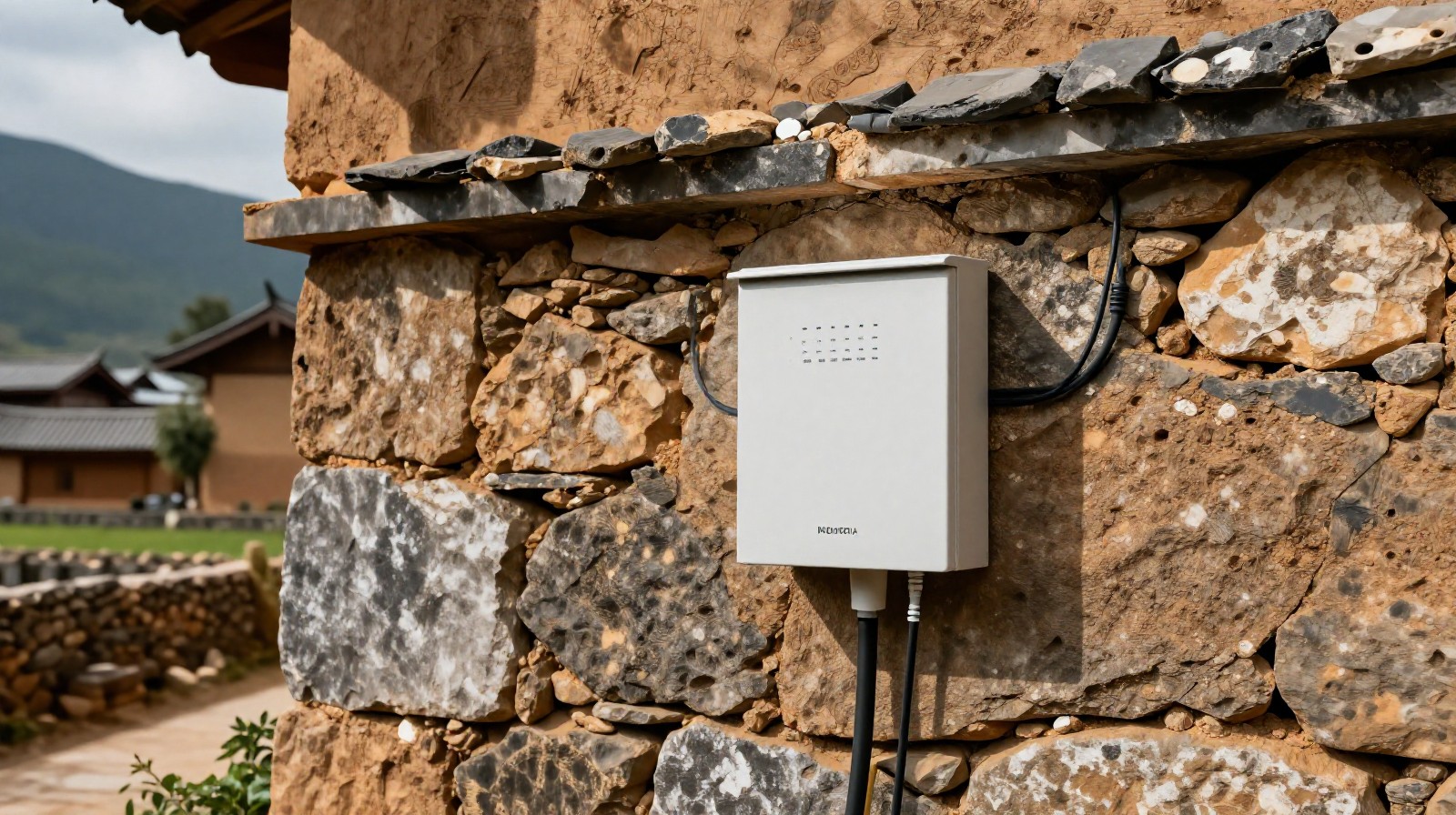
In 2018, high-speed fiber optic cables reached many of these deep valleys. Suddenly, a village in Yunnan had the same connection speed as Shanghai. This infrastructure change is invisible to tourists but massive for locals. It allowed entrepreneurs like Li to bypass traditional middlemen and sell their goods online.
“In Dali, everyone was talking about art and philosophy,” says Li. “Here in Menghai, we are talking about supply chains, logistics, and export standards. The vibe is calmer, but the pace of business is actually faster because we can ship to customers anywhere in the world without leaving our village.”
Slow Life? No, ‘Strategic Slowness’
For many outsiders, ‘slow life’ implies doing nothing. For these young entrepreneurs, it means working with a rhythm that honors local traditions while leveraging modern efficiency.
In Jinghong, I met Sarah, a 30-year-old designer who moved from Shenzhen to start an eco-tourism platform. Her business isn’t just selling hotel rooms; it’s curating experiences where visitors help harvest rubber or learn traditional Dai weaving.
“People think we are lazy because the mountains are beautiful,” Sarah explains over tea made from trees on her own land. “But we work hard. We have to be more strategic. Instead of working 12 hours a day like in Shenzhen, I plan my week around the harvest seasons and local festivals. This makes our service authentic and sustainable for the community.”
This approach blends the ‘digital nomad’ lifestyle with deep roots. They aren’t just passing through; they are investing in the land. Their work involves managing remote teams, handling complex logistics, and engaging with international markets, all while maintaining a pace that doesn’t burn them out.

The Real Hustle: Solving Community Problems
These startups aren’t just about aesthetics; they are solving real economic problems. The most successful ventures in these small towns address specific bottlenecks: getting fresh produce to market, preserving cultural heritage, and creating fair wages for locals.
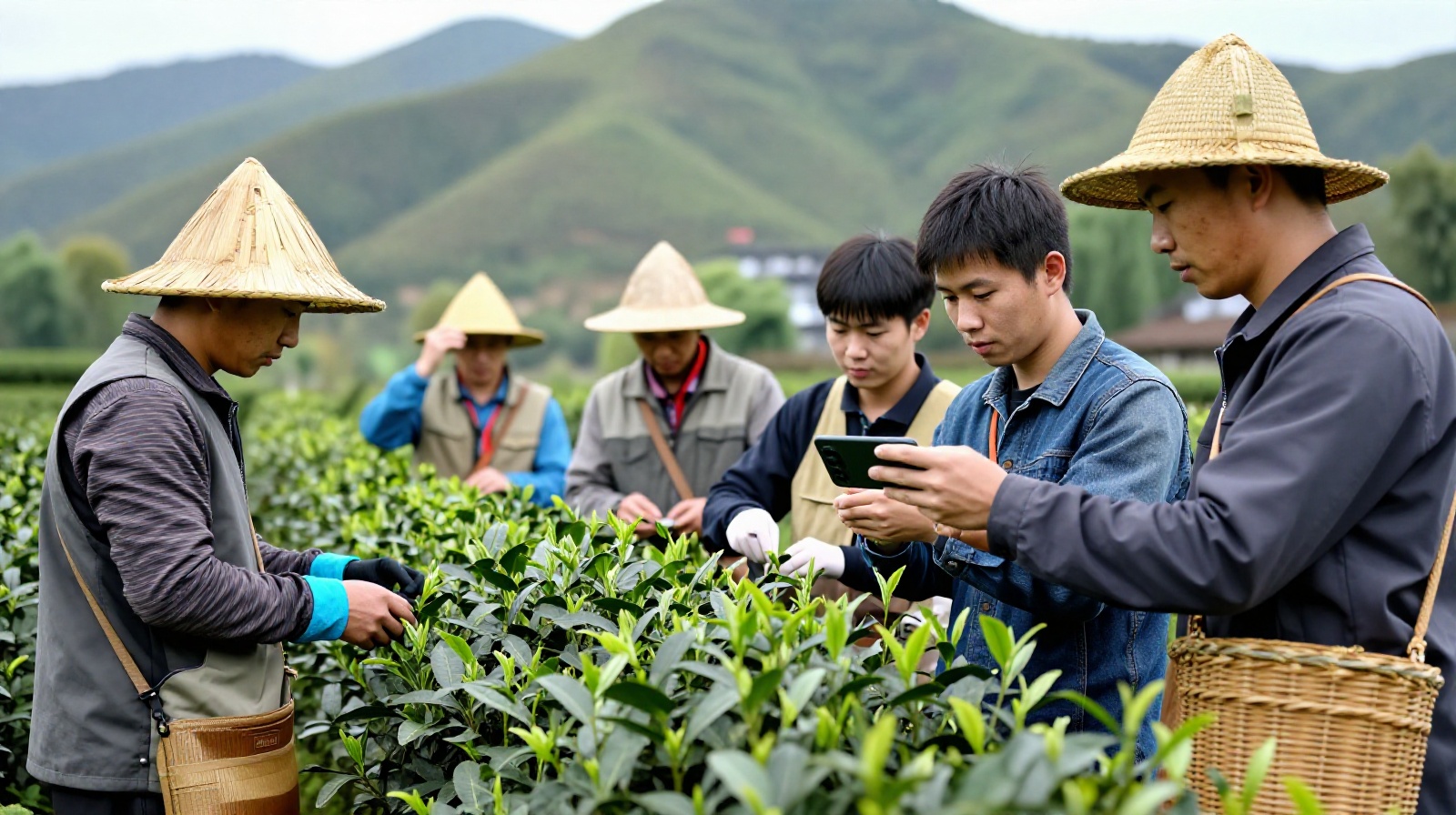
Take the tea industry. Traditionally, small farmers in Menghai sold their leaves to large factories at very low prices. A group of young entrepreneurs has now set up a cooperative model. They use live streaming (a massive trend in China) to show buyers exactly where the tea is grown, who picked it, and how it’s processed.
“We proved that you don’t need a fancy factory to make good money,” says one of the founders. “By selling directly to consumers via apps like Douyin, we keep more profit in the village. We can pay our neighbors better prices for their leaves.”
This model is spreading beyond tea. In Lijiang’s outskirts, young people are launching platforms that connect tourists with homestays run by elderly locals who don’t know how to use smartphones. The tech-savvy youth handle the bookings and marketing; the elders provide the hospitality.
Infrastructure: The Quiet Engine of Change
You might wonder how this works in remote areas without big cities. The answer lies in China’s massive investment in rural infrastructure over the last decade.
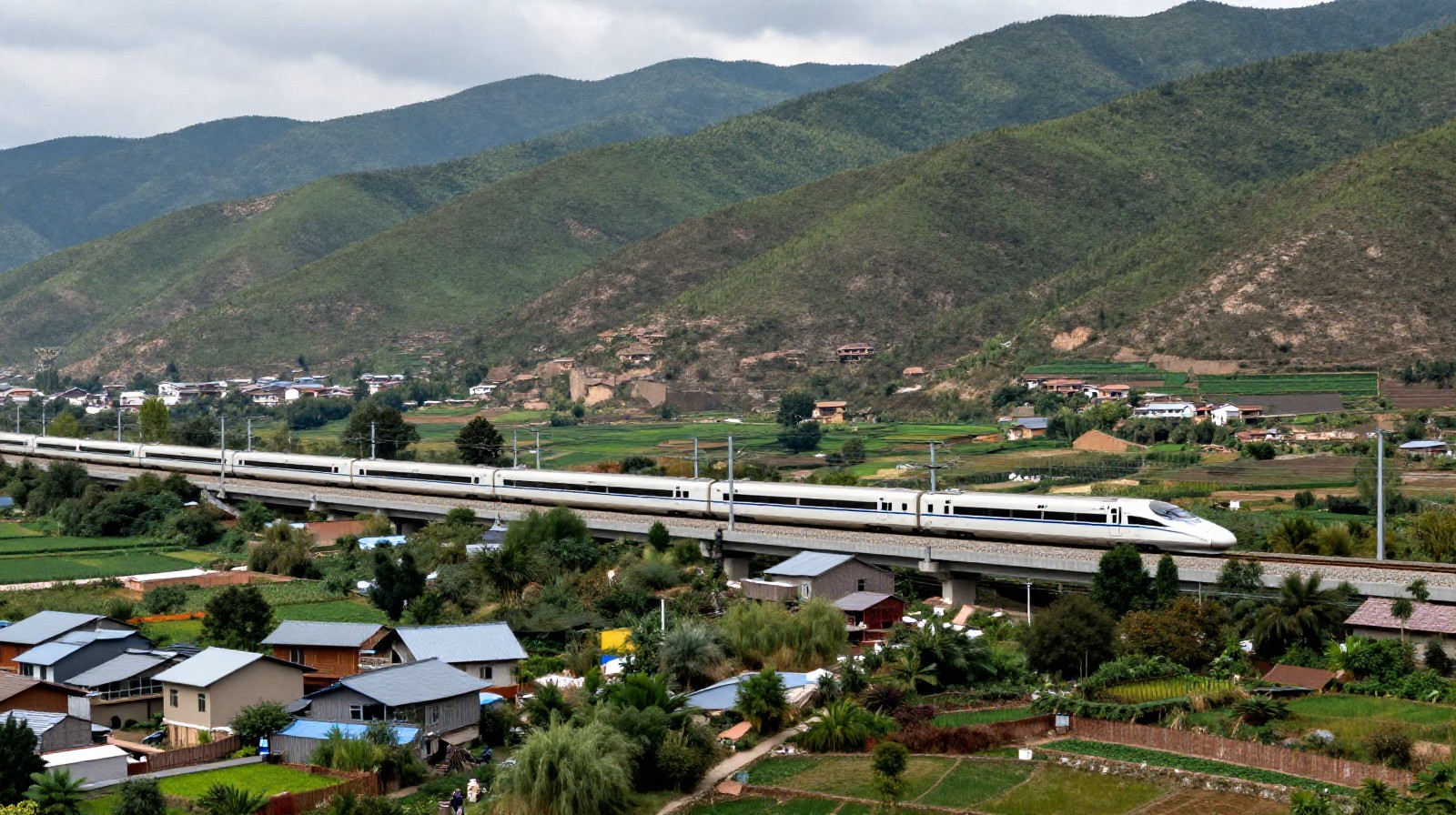
High-speed trains and highways now connect these towns to major hubs like Kunming within hours. More importantly, the logistics network is efficient. A package ordered in a small village can often be delivered nationwide in two days.
“The road used to take three hours,” says Li. “Now it takes an hour. And the internet works even when we are out in the fields.”
This physical and digital connectivity has created a new kind of ecosystem. It’s no longer necessary to move to Beijing or Shanghai to succeed. You can stay in your hometown, work remotely for international clients or manage local exports, and still access global markets.
A New Narrative: Time, Work, and Community
What does this mean for the rest of China? These young people in Yunnan’s small towns are challenging the old narrative that success means 9-to-9 work culture (starting at 9 AM, finishing at 9 PM) in a concrete jungle.
They are proving that you can have ambition without burning out. They are redefining ‘slow life’ not as doing nothing, but as choosing your own rhythm. It’s about integrating technology with tradition, and profit with community well-being.
For global observers, this is a crucial shift. It shows that China’s development isn’t just about building skyscrapers in megacities; it’s also about giving young people the tools to build meaningful lives in their ancestral villages. The ‘slow life’ movement here isn’t an escape from reality—it’s a new way of living and working within it.