

Silence Broken by Glass Clinks
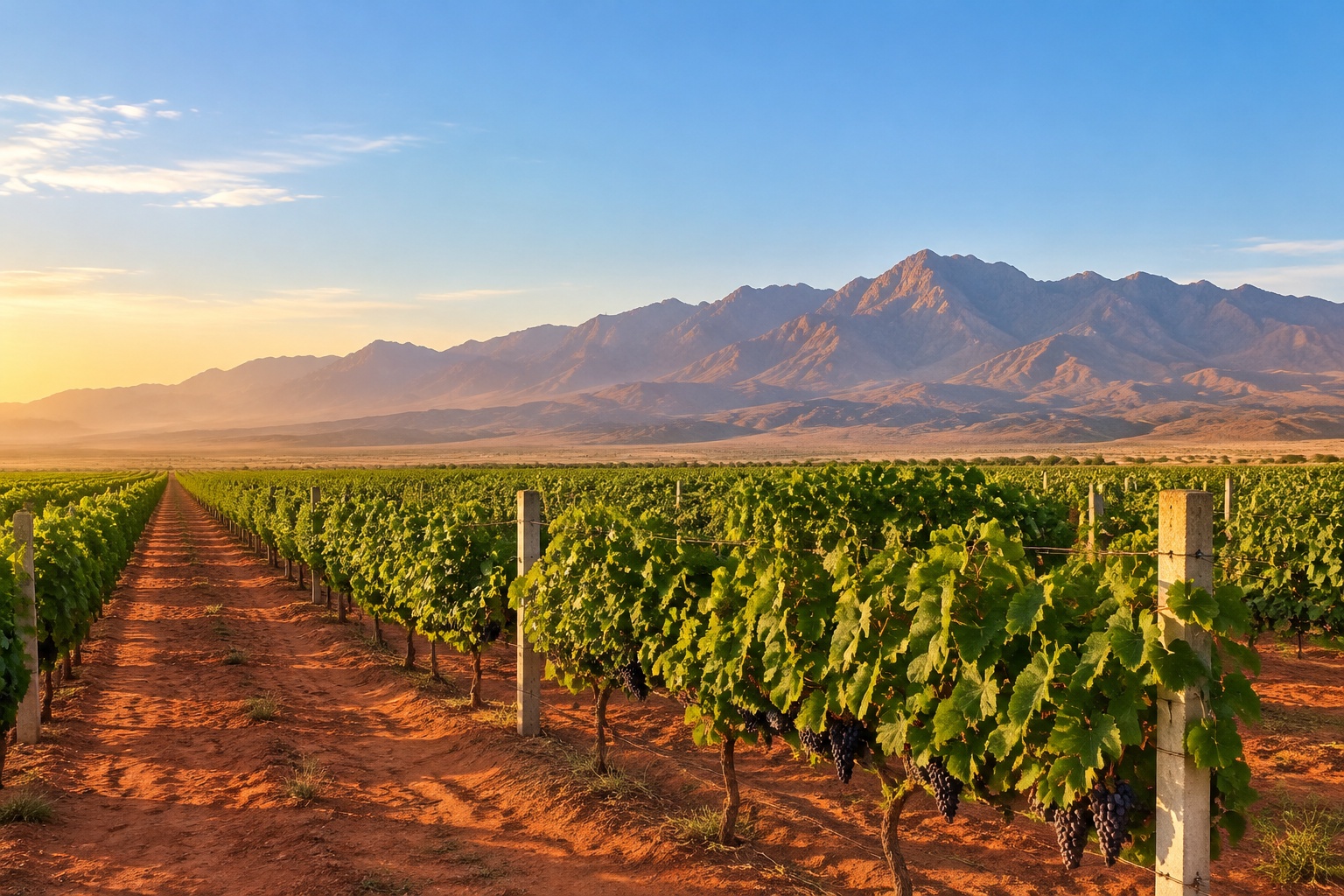
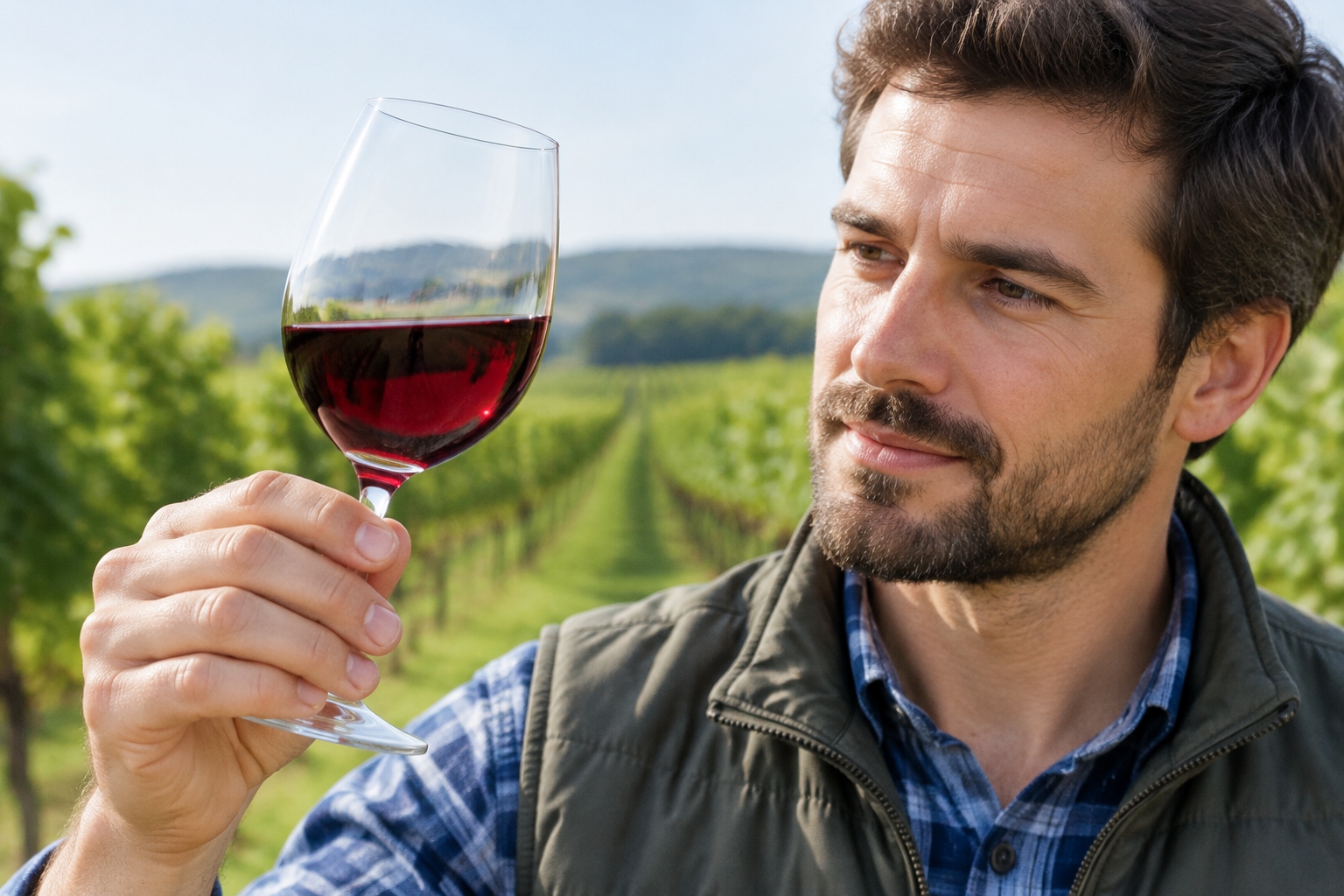
Li Wei, a winemaker in Helan Mountain East Foothill, Ningxia, knows the sound of silence better than most. For months, the air here is dry, the wind carries sand, and the landscape looks like it belongs on Mars. But when autumn arrives, the scene changes. Rows of Cabernet Sauvignon vines, glistening with morning dew, stretch across the red soil. The silence is broken not by birds, but by the soft clink of crystal glasses during a tasting session.
This is not Napa Valley in California, nor is it Bordeaux in France. Yet, the wine pouring into Li’s glass carries a complexity that has started catching the attention of international critics. It is a story of how ordinary people in Western China are turning one of the harshest environments on Earth into a hub for premium agriculture.
The Geography of Contrast
To understand why this wine exists, you must first understand the desert. Ningxia’s Helan Mountain East Foothill, often called China’s “Napa Valley” by locals and investors, sits at a similar latitude to some of the world’s best wine regions. But the conditions are radically different.
In Napa, the climate is Mediterranean—wet winters and dry summers. In Ningxia, it is extreme continental. Winters are brutally cold, with temperatures dropping below -20°C. Summers are hot and dry, with over 3,000 hours of sunshine annually. The soil is poor, sandy, and alkaline, often mixed with gravel.
For centuries, this was considered unsuitable for viticulture. But paradoxically, these harsh conditions are now the region’s greatest asset. The cold winters kill off pests that plague vineyards in warmer climates, reducing the need for pesticides. The intense sunlight and large day-night temperature swings help grapes develop thick skins and rich flavors, while low rainfall prevents rot.
From Dust to Gold: The Human Effort
The transformation of this landscape has not happened overnight. It took decades of trial and error. In the 1980s, Chinese agricultural scientists began experimenting with grape varieties in Ningxia. Early attempts failed. Many vines died from cold or drought.
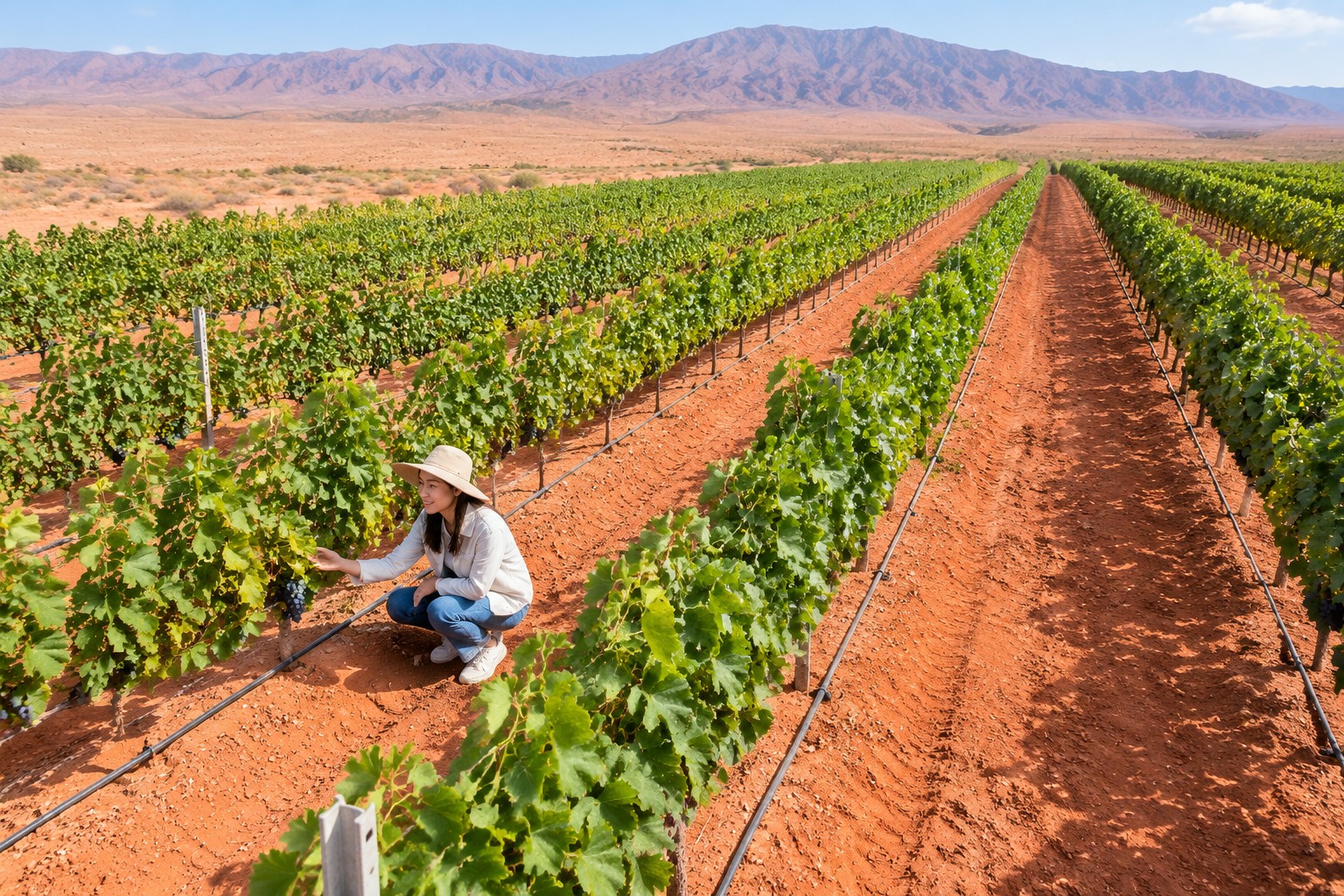
Today, the industry is supported by a mix of state-led research and private investment. Over 6,000 hectares of vineyards now cover the region. Farmers have learned to bury vines under sand during winter to protect them from freezing—a labor-intensive technique that few other wine regions use.
“We don’t just plant grapes; we engineer an ecosystem,” says Zhang Hong, a local agricultural technician. “The sand acts as a thermal regulator. It holds heat during the day and releases it slowly at night. But it also means we must irrigate carefully, using drip systems that waste almost no water.”
This precision agriculture is key. In a region where water is scarce, every drop counts. The shift from traditional farming to high-tech viticulture has not only improved wine quality but also stabilized the local economy. Former herders and farmers now work as vineyard managers, earning steady incomes in a region that was once known only for its harshness.

A New Economic Engine
The rise of the wine industry in Ningxia is part of a broader trend in Western China: moving away from resource extraction and low-value agriculture toward high-value, eco-friendly industries. The government has invested heavily in infrastructure, building roads, airports, and even wine tourism centers.
For visitors, this means more than just tasting wine. It means staying in boutique hotels built into the desert landscape, riding electric bikes along vineyard trails, and dining on local lamb paired with regional reds. The “desert wine route” has become a symbol of China’s rural revitalization, showing that economic growth does not always come at the expense of the environment.
However, challenges remain. The industry still struggles with brand recognition. While wines from Ningxia have won gold medals at international competitions, many consumers outside China still associate Chinese wine with mass-produced table wines. Building trust takes time.

The Taste of Resilience
When I tasted a 2021 Cabernet Sauvignon from a small family winery in Helan Mountain, the first thing I noticed was not just the flavor, but the story in the glass. It had notes of blackcurrant and cedar, with a crisp acidity that reflected the cool nights. It was elegant, yet bold.
This wine is a metaphor for the region itself. It is tough, resilient, and unexpectedly beautiful. As China continues to diversify its economy and embrace sustainable practices, places like Ningxia offer a glimpse into a future where technology and tradition meet in the most unlikely of places.
So, the next time you think of wine, don’t just picture rolling green hills. Picture the red sand, the clear blue sky, and the hands of people who refused to let the desert define their limits. That is the new face of Chinese agriculture—and it is worth a sip.
Start the discussion at forum.chinacomes.com